
Selecting a salt lamp for your desk in Singapore requires looking past marketing buzzwords and focusing on physical authenticity, electrical safety, and practical design. Because of Singapore’s high relative humidity, salt lamps are prone to absorbing moisture rapidly, making the choice of brand and build quality critical to protecting your workspace. Rather than searching for a single brand that claims universal superiority, you should evaluate options based on their structural integrity, certified electrical components, and how well they fit your specific desk setup. This guide outlines how to compare available options so you can select a safe, durable, and functional lamp for your workspace.
Key Criteria for Evaluating Salt Lamp Brands
To make an informed decision, you must establish clear standards for assessing quality, authenticity, and safety. Many brands market their products with grand claims, but the physical properties of the lamp and its electrical components provide the only reliable proof of value.
Authenticity Indicators
Genuine Himalayan salt lamps are carved from rock salt harvested from the Punjab region of Pakistan. This natural salt contains trace minerals—such as iron, potassium, and magnesium—which give the crystal its characteristic warm pink, peach, or deep orange hues. Because these crystals are natural formations, a genuine lamp will always feature non-uniform color variations, uneven textures, and natural fissures. If a brand offers lamps with perfectly uniform coloring, a smooth glass-like surface, or highly consistent shapes, they are likely made of imitation materials like molded gypsum or plastic. Furthermore, genuine salt is highly hygroscopic, meaning it naturally attracts and absorbs moisture from the surrounding air. If a lamp remains completely dry in a humid room without being turned on, it is almost certainly a counterfeit.
Products mentioned in this guide
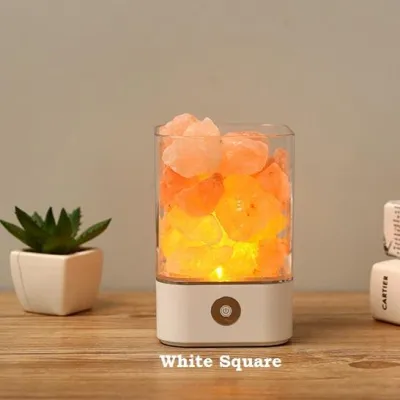
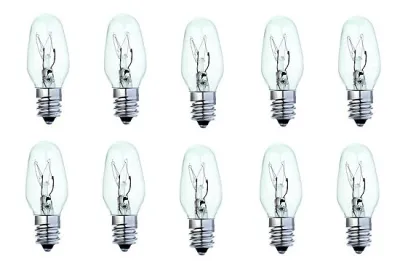
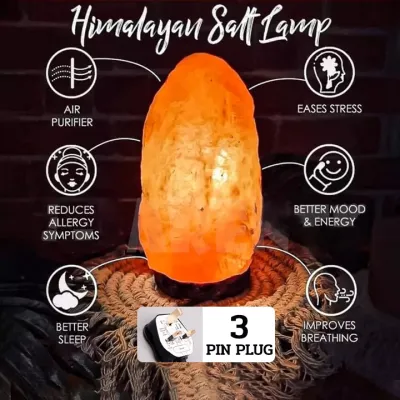
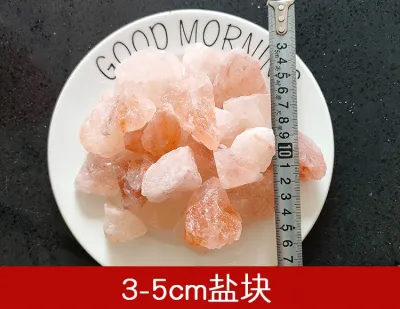
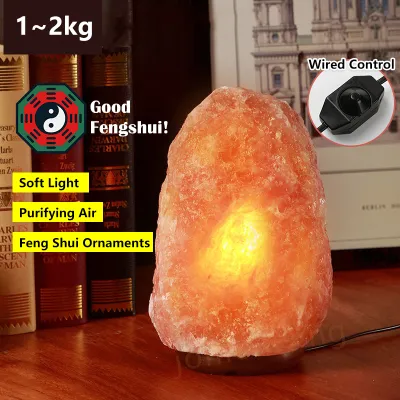
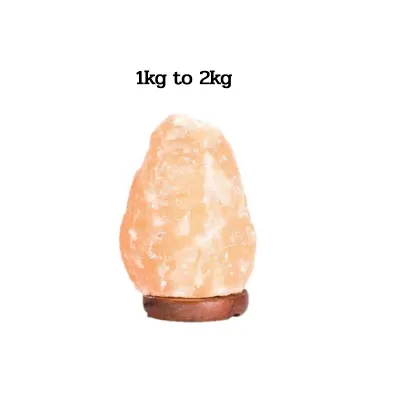
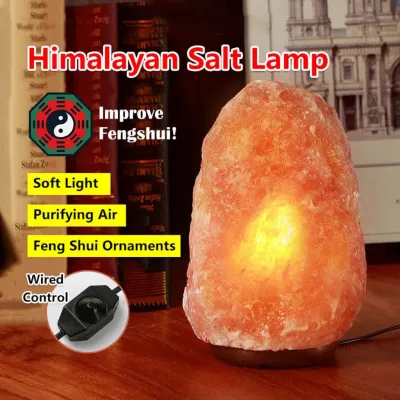

Prices are valid at publication and may change. Please refer to the product page for the latest price.
Electrical Safety
Because salt lamps are designed to remain turned on for extended periods to prevent moisture buildup, electrical safety is paramount. In Singapore, household electrical appliances must operate safely on a 230V, 50Hz electrical supply. When evaluating brands, prioritize those that supply cords equipped with a standard Type G 3-pin plug that carries local safety certifications, such as the Safety Mark. Cheap, unbranded imports often feature thin, non-heat-resistant cables or uncertified plugs that can overheat, posing a significant fire hazard. Ensure the brand specifies that the cord assembly is rated for continuous use and features a heat-resistant socket that keeps the bulb securely positioned inside the crystal cavity.
Base Quality
The base of the lamp serves two critical functions: supporting a heavy, irregular crystal and protecting your desk from moisture runoff. High-quality brands typically mount their salt crystals on sturdy, dense wooden bases made from moisture-resistant woods like neem, rosewood, or treated marble. The base should be securely fastened to the salt crystal with rust-resistant screws and feature non-slip rubber or silicone feet on the underside. Avoid brands that use cheap, untreated softwoods or thin plastic bases, as these can warp, rot, or degrade quickly when exposed to the natural “sweating” of the salt crystal, potentially allowing saline water to seep directly onto your wooden or laminate desk.
Comparing Salt Lamp Options for Desk Environments
A desk is a highly functional workspace where space, lighting quality, and ergonomics are tightly controlled. Selecting a salt lamp for this environment requires balancing the aesthetic appeal of the crystal with the practical constraints of your daily workflow.

Size and Weight
Desk space is highly valuable, and the weight of a salt lamp must align with the structural limits of your furniture. Salt lamps are sold by weight classes, typically ranging from 1 kg to over 10 kg. For a standard office or study desk, a lamp weighing between 1.5 kg and 3 kg is generally ideal. This size provides a noticeable visual presence and sufficient surface area to emit a warm glow without taking up excessive space or overloading lightweight monitor stands, floating shelves, or glass-top desks. Always measure your available desk surface and verify that the desk material can support the concentrated weight of the crystal before purchasing.
Lighting Output and Ergonomics
Unlike standard desk lamps designed for task work, salt lamps are intended for ambient or accent lighting. They typically utilize low-wattage incandescent bulbs, usually between 15W and 25W. This low wattage is essential because it generates just enough gentle heat to warm the salt crystal and evaporate absorbed moisture without making the lamp hot to the touch. The resulting light is a soft, warm amber glow (typically between 1500K and 2200K) that helps reduce eye strain and screen fatigue during late-night work sessions. However, this light should not be used as a primary reading light. Ensure the lamp’s placement does not create direct glare on your computer monitor, which can lead to headaches and visual discomfort.
Functional Features
For desk use, specific functional features greatly improve usability. An inline dimmer switch is highly beneficial, allowing you to adjust the brightness to match the ambient light levels of your room throughout the day. Cords should be sturdy and offer a length of at least 1.5 meters to ensure you can route the cable safely behind your desk to a power outlet without creating a tripping hazard or putting tension on the connection. Additionally, look for brands that design their lamps with an easily accessible bulb chamber, allowing you to change bulbs without needing specialized tools or risking damage to the electrical socket.
Where to Buy and How to Verify Authenticity
Navigating the market requires understanding where to shop and how to inspect your purchase to ensure you receive a genuine, safe product.
Channel Comparison
Purchasing directly from specialized home decor retailers, reputable local department stores, or official brand stores offers the highest level of quality assurance. These established sellers are more likely to comply with local electrical safety regulations and provide reliable customer support. In contrast, purchasing from general online marketplaces or unverified third-party sellers often carries a higher risk of receiving counterfeit products, damaged crystals, or electrical cords that lack proper safety certifications. While online marketplaces may offer lower initial prices, the potential safety hazards and lack of recourse for damaged items often offset the initial savings.
Unboxing Checks
When your salt lamp arrives, perform a thorough physical inspection before plugging it in. First, examine the electrical cord and plug for any visible damage, exposed wires, or loose connections, and verify the presence of recognized safety certification marks. Next, inspect the salt crystal itself. It is normal for a genuine salt lamp to have minor chipping or loose salt dust in the packaging due to transit, but large cracks that compromise the structural integrity of the crystal are a sign of poor handling. Finally, check that the bulb socket fits snugly into the carved cavity at the bottom of the lamp and does not touch the interior salt walls directly, as direct contact can trap moisture and lead to premature bulb failure.
Value Assessment
To determine if a salt lamp is worth the investment, evaluate its overall value rather than just the lowest price. In Singapore, a high-quality desk-sized salt lamp (weighing 1.5 kg to 3 kg) typically ranges in price from S$30 to S$60. When comparing brands, consider what is included in the purchase price. A brand that offers a slightly higher price but includes practical accessories—such as spare incandescent bulbs, a protective silicone or acrylic coaster, and a comprehensive warranty—often provides better long-term value than a cheaper, bare-bones alternative that requires you to purchase these essential items separately.
Maintenance and Safety Tips for Desk Salt Lamps
Proper maintenance is essential to keep your desk salt lamp functioning safely and to protect your workspace from potential damage caused by the natural properties of salt.
Moisture Management
Because of Singapore’s highly humid tropical climate, salt lamps are prone to “sweating”—a process where the salt absorbs moisture from the air and slowly drips saline water. To minimize this, keep your salt lamp turned on as consistently as possible; the gentle heat from the internal bulb keeps the crystal dry and evaporates any accumulated moisture. To protect your desk surface from corrosive saline runoff, always place a non-porous, waterproof tray or coaster made of silicone, acrylic, or sealed stone directly beneath the lamp’s base. Never place a sweating salt lamp directly on wooden, laminate, or metal desk surfaces, as the salty water can cause permanent warping, staining, or corrosion.
Cleaning Routines
Over time, your salt lamp will accumulate dust, which can reduce its glow and affect its appearance. Before cleaning, always isolate the power by unplugging the lamp from the wall outlet. To clean the crystal, gently wipe the surface with a dry microfiber cloth or a slightly damp cloth that has been thoroughly wrung out. Never use chemical cleaners, household detergents, or abrasive scrubs, as these will dissolve the salt and ruin the natural texture. Never submerge the salt crystal in water or rinse it under a tap, as this can cause the crystal to dissolve rapidly and damage the internal electrical components.
Stop Conditions
While salt lamps are generally safe when used correctly, you must know when to stop using the lamp and seek professional assistance or a replacement. Immediately unplug the lamp from the wall outlet if you observe any of the following warning signs:
- Frayed, cracked, or damaged insulation on the electrical cord.
- A bulb that flickers continuously even after being replaced with a compatible bulb.
- Excessive moisture pooling directly around the electrical socket, cord entry point, or switch.
- Signs of scorching, melting, or unusual odors coming from the plug, cord, or socket assembly.
In any of these situations, discontinue use immediately and consult the manufacturer or a qualified electrical professional.
Frequently Asked Questions (FAQ)
Do salt lamps actually purify the air or improve focus?
There is no robust scientific evidence to support claims that salt lamps significantly purify the air, release beneficial negative ions, or improve physical health in a standard room environment. The primary benefits of a desk salt lamp are psychological and aesthetic. The warm, dimmable amber light creates a calming, low-glare environment that can help reduce screen fatigue, promote relaxation, and improve focus during long working hours by softening the harsh contrast of computer screens.
How heavy should a desk salt lamp be?
For a standard desk, a salt lamp weighing between 1.5 kg and 3 kg is highly recommended. This weight range provides a stable base that is unlikely to tip over accidentally while remaining light enough to avoid overloading typical office furniture. Before purchasing, check the structural integrity of your desk, especially if you plan to place the lamp near the edge or on a floating shelf, to ensure it can safely support the concentrated weight of the crystal.
Can I use a smart bulb in a salt lamp?
You should exercise caution when considering a smart bulb for a salt lamp. First, verify that the smart bulb matches the lamp’s specific socket type and does not exceed the maximum wattage rating. Second, most smart bulbs are LED-based, which generate very little heat compared to traditional incandescent bulbs. Without sufficient heat, the salt crystal will not warm up enough to evaporate absorbed moisture, which can lead to excessive sweating and potential water damage to your desk in Singapore’s humid climate. Additionally, ensure that any physical inline dimmer switch on the cord is compatible with the smart bulb to prevent flickering or electrical damage.
Community discussion
Share your experience or ask a question. Comments are reviewed before publication.