
Choosing between a proprietary scent refill system and a universal one determines not just how your home smells, but how much time and money you will spend maintaining your diffuser over its lifespan. In compact, air-conditioned living spaces, finding the right balance between convenience and customization is essential. Proprietary systems offer plug-and-play simplicity with sealed cartridges designed specifically for a single brand’s hardware, ensuring consistent scent dispersion with minimal mess. Conversely, universal systems allow you to use any standard essential oil or fragrance blend in an open reservoir, offering unmatched variety and lower ongoing costs at the expense of regular cleaning and manual handling. Deciding which system is right for your home requires evaluating how much control you want over your fragrance choices, your willingness to perform routine hardware maintenance, and the long-term financial commitment of each format.
Proprietary vs. Universal Refill Mechanisms
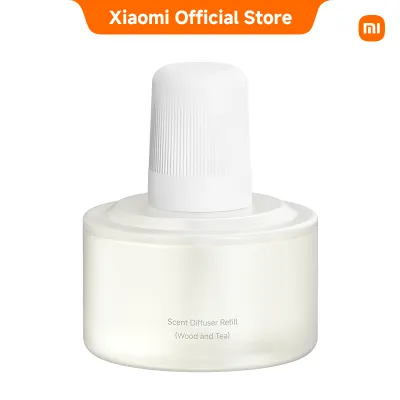
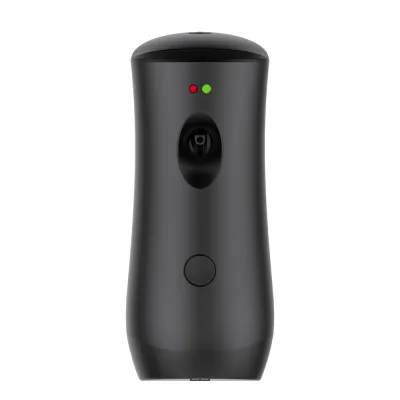
Proprietary scent refill systems are designed as closed-loop ecosystems. In these setups, the manufacturer packages the fragrance in sealed cartridges, customized pods, or specialized bottles that lock directly into the diffuser housing. This design minimizes the risk of spills, eliminates the need to measure liquids, and protects the internal components from exposure to dust or incorrect oil formulations. However, this convenience comes with a significant trade-off: you are locked into a single brand’s fragrance catalog and pricing structure. If the manufacturer discontinues a favorite scent or raises prices, your hardware options become limited.
Universal refill systems, on the other hand, utilize open reservoirs or standard bottle attachments that accept any commercially available essential oil or fragrance blend. These systems are highly flexible, allowing you to source oils from local boutiques, organic markets, or online marketplaces. You can easily mix your own custom blends or switch brands whenever you choose. The primary drawback is the hands-on maintenance required. Because the oil is exposed to the air during pouring, and because different oils have varying viscosities, universal diffusers require frequent cleaning to prevent residue buildup, cross-contamination of scents, and mechanical failure.
Products mentioned in this guide
![[KIRONA SCENT] Green Apple Aroma Reed Refill (250ml) for Reed Diffusers | 🎁FREE 1 Set of Reed Sticks](https://img.lazcdn.com/g/p/c7cc110f17b5732430b895a59493f39c.jpg_400x400q80.jpg_.webp)
![[KIRONA SCENT] Vanilla Aroma Reed Refill (250ml) for Reed Diffusers | Aromatherapy Scents for Study Work Stress](https://img.lazcdn.com/g/p/3222b62d65b05e4caf506bdfdcafe622.jpg_400x400q80.jpg_.webp)
![[KIRONA SCENT] 120ML Aroma Reed Refill (Min Purchase 2 Qty) | For Aroma Reed Diffusers Clay Diffusers | More than 60 Scents | Hotel & Mall Fragrances](https://img.lazcdn.com/g/p/d4552e14d0293840030e9d1abe648b54.jpg_400x400q80.jpg_.webp)
![[KIRONA SCENT] 250ML Aroma Reed Refill | Premium Quality Essential Oil | For Aroma Reed Diffusers Clay Diffusers | More than 60 Scents Available | Luxurious Hotel & Mall Fragrances](https://img.lazcdn.com/g/p/4685932625987bb431ec03fe164da9f7.jpg_400x400q80.jpg_.webp)
![[SG Seller] Fragrance Oil 500ml Scented Chase Diffuser Refill Essential Aroma](https://img.lazcdn.com/g/p/2dd3ee058de3fd21188fd86b610ed3d7.jpg_400x400q80.jpg_.webp)
Prices are valid at publication and may change. Please refer to the product page for the latest price.
Before purchasing any diffuser or alternative refill, you must perform a physical inspection of the hardware’s connection points. Examine the refill port to see if it features a unique threading, a specific needle-puncture mechanism, or a magnetic locking collar. Some proprietary machines use bottles with custom neck sizes or collar shapes specifically designed to block standard bottles. If you are considering third-party alternatives for a system that appears semi-open, measure the cartridge dimensions and check the seal style to ensure a secure fit that will not cause internal leaking.
Evaluating Long-Term Cost and Value
To understand the true cost of operating a scent diffuser, you must look past the initial price of the hardware and calculate the ongoing cost-per-use of the refills. This calculation begins by locating the net volume or weight of the refill on the product packaging, typically measured in milliliters (ml) or grams (g). Proprietary pods often contain smaller volumes of highly concentrated fragrance, while universal bottles are commonly sold in standard sizes such as 10 ml, 15 ml, or 30 ml.

Once you have identified the volume, you can estimate the cost-per-milliliter using a straightforward formula. Divide the retail price of the refill in S$ by the total volume in milliliters:
Cost per Milliliter = Refill Price (S$) / Total Volume (ml)
To project your monthly or annual expenditure, compare this figure against the manufacturer’s stated diffusion rate. For example, if a diffuser consumes approximately 0.5 ml of oil per hour of continuous operation, and you plan to run the device for four hours daily, you will consume 2 ml of oil per day. Multiplying this daily consumption by your calculated cost-per-milliliter will reveal the daily operating cost, allowing you to compare different systems on an equal footing.
Beyond the oil itself, you must account for hidden operational costs that vary by system type. Universal diffusers often rely on consumable parts such as porous wicks, absorbent pads, or specialized cleaning solutions to maintain performance, which must be replaced periodically. Proprietary systems may not require wicks, but they can incur higher shipping fees if the refills are only available through the manufacturer’s official website rather than local retail stores. Factor these recurring expenses into your overall budget to determine which system offers the best long-term value for your household.
Scent Variety and Quality Control
The choice of refill system directly impacts the variety and quality of the fragrances you can enjoy in your home. Proprietary brands typically offer a highly curated, professionally blended selection of scents designed to perform optimally with their specific diffusion technology. These blends are formulated for consistency, ensuring that the scent profile remains stable from the moment you insert the cartridge until it is completely empty. However, the total number of available scents is strictly limited to what the brand chooses to manufacture, which may not satisfy users looking for highly specific or single-note botanical aromas.
Universal systems open the door to an almost infinite variety of scent options. You can choose pure, single-note essential oils like lavender, eucalyptus, or tea tree, or explore complex blends from diverse independent creators. This flexibility is particularly beneficial if you prefer natural aromatherapy or want to adjust your scent choices based on the season or your mood. The challenge lies in quality control; because there is no single standard for universal oils, you must carefully evaluate the purity and composition of each bottle you purchase.
When shopping for refills, always inspect the ingredient labels carefully. Look for clear indications of whether the product contains pure essential oils, synthetic fragrance compounds, or carrier oils. Thick carrier oils, such as jojoba or coconut oil, are common in topical applications but can quickly clog the delicate nozzles of nebulizing diffusers or build up on ultrasonic plates. Additionally, check for expiration dates and batch codes. Sealed proprietary pods generally have a longer shelf life due to their airtight packaging, whereas open universal bottles are subject to oxidation once unsealed, which can alter the scent profile and performance over time.
Hardware Compatibility and Safety Checks
Using incompatible refills can lead to mechanical failure, safety hazards, or voiding your device’s warranty. Before experimenting with any non-branded or universal oils in a proprietary machine, consult the user manual for explicit warnings and guidelines. Manufacturers design their diffusion mechanisms—whether ultrasonic, nebulizing, or heat-based—to work with specific liquid viscosities and chemical compositions. Deviating from these specifications can put undue stress on the hardware.
The physical risks of using mismatched refills are diverse and can permanently damage your equipment. For instance, highly acidic oils, such as pure cold-pressed citrus oils, can corrode the plastic housings or delicate ultrasonic plates of diffusers not rated for their use. Thick, synthetic fragrance oils can clog fine wicks or nebulizer nozzles, causing the motor to overheat or the liquid to back up and leak into the electronic base. Such leaks pose a direct risk of short-circuiting the device, creating a potential electrical hazard in your home.
Establish a clear stop condition for your setup: if the user manual explicitly states that using third-party liquids will void the warranty, or if the machine features a closed, pressurized system that cannot be opened without force, do not attempt to bypass these boundaries. Forcing a universal oil into a proprietary cartridge or using unauthorized adapters can lead to immediate hardware failure. If you are unsure about compatibility, contact the manufacturer’s customer support or consult a qualified technician before making any modifications to your device.
Making Your Final Refill System Choice
Selecting the right scent refill system depends on aligning your lifestyle, budget, and maintenance preferences with the strengths of each format. A proprietary system is highly suitable if you prioritize a seamless, low-maintenance experience. If you want to insert a cartridge and enjoy consistent, high-quality scent dispersion for weeks without cleaning sticky reservoirs or measuring drops of oil, the higher cost-per-use of proprietary pods is often a worthwhile investment. This option is ideal for busy households or professional spaces where convenience is paramount.
A universal system is the better choice if you want complete control over your scent environment and prefer a more economical, hands-on approach. If you enjoy experimenting with custom aromatherapy blends, prefer using certified organic essential oils, and do not mind spending a few minutes each week cleaning your equipment, a universal diffuser offers unmatched flexibility and long-term savings. This system allows you to source oils from any supplier, making it easy to adapt to changing budgets and personal preferences.
However, neither system may fit your needs if you are looking for a completely maintenance-free experience but insist on using highly specific, niche fragrances from independent local perfumers. In such cases, you may need to compromise by accepting the regular cleaning routine of a universal system to access those unique scents. Before committing to any hardware, especially when purchasing a bundled starter kit, verify the local availability of its refills. Ensure that replacement pods or compatible oils are readily stocked in local retail stores or can be shipped to your home quickly and affordably, preventing your new diffuser from sitting idle.
Frequently Asked Questions (FAQ)
How Do I Clean My Diffuser When Switching Scent Refills?
To prevent fragrance cross-contamination and maintain optimal performance, you must clean your diffuser whenever you switch to a new scent refill. Always consult your specific device’s user manual first to identify approved cleaning agents, as some materials can be damaged by certain solvents. Generally, safe options include clean water, mild dish soap, white vinegar, or isopropyl rubbing alcohol, depending on whether you are cleaning an ultrasonic water tank or a waterless nebulizing nozzle.
The general low-risk cleaning process involves disconnecting the power supply, emptying any remaining liquid from the reservoir, and gently wiping the interior surfaces with a soft microfiber cloth dampened with your approved cleaning solution. For ultrasonic models, pay close attention to the small ceramic disc at the bottom, wiping it gently without applying heavy pressure. If the manufacturer’s instructions permit, you can run a short cycle using a mixture of clean water and a few drops of white vinegar to clear out stubborn residue from the internal pathways.
Never use harsh industrial chemicals, abrasive scrubbing pads, or boiling water, as these can warp the plastic components or destroy the ultrasonic plate. Crucially, never submerge the electronic base of the diffuser in water or allow liquid to enter the air intake vents. If you notice any error lights flashing, unusual motor noises, or if the device fails to mist after cleaning, stop using the diffuser immediately and refer to the troubleshooting section of your manual or contact the manufacturer for assistance.
Community discussion
Share your experience or ask a question. Comments are reviewed before publication.