
Finding the perfect scented candle is more than just picking an appealing label; it requires matching a brand’s blending expertise with your preferred fragrance family. While some heritage houses excel at formulating deep, lingering woody notes, others specialize in capturing the crisp, fleeting essence of fresh citrus or the delicate, true-to-life botanical layers of florals. Understanding how different brands approach these scent profiles—and how their choice of wax, wicks, and fragrance oils behaves in your living space—is the key to finding a candle that delivers a consistent, high-quality throw.
By learning the science behind fragrance volatility and wax performance, you can make informed decisions that elevate your home’s ambiance. This guide explores the distinct characteristics of woody, floral, and fresh fragrance families, outlines the criteria for evaluating premium candle brands, and highlights key indicators of craftsmanship within each scent category.
Decoding Fragrance Families: Woody, Floral, and Fresh Profiles
Fragrance families are categorized based on their dominant olfactory notes and molecular structures, which dictate how a scent behaves when heated. Woody profiles are characterized by rich, earthy, and resinous notes such as sandalwood, cedarwood, vetiver, patchouli, and pine. These ingredients possess a high molecular weight, meaning they evaporate slowly and linger in the air long after the flame is extinguished. Woody candles are highly valued for their warm, grounding, and comforting effects, making them excellent choices for creating intimate, cozy atmospheres in living rooms, studies, or during cooler evening hours.
Products mentioned in this guide
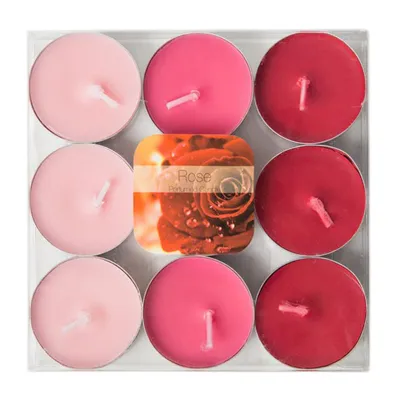
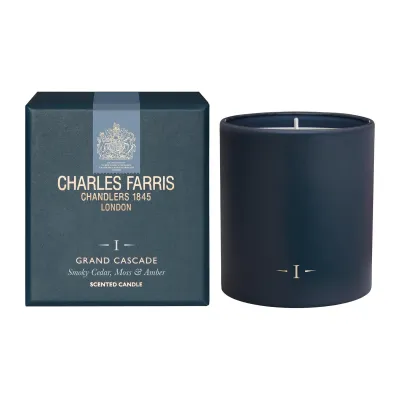
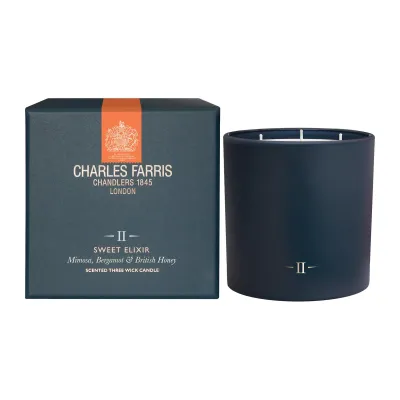
Prices are valid at publication and may change. Please refer to the product page for the latest price.
Floral profiles capture the diverse essence of blossoms, ranging from single-note botanical scents like a pure rose or lavender to complex, multi-layered bouquet blends featuring jasmine, peony, tuberose, and gardenia. Unlike woody notes, florals occupy the middle tier of fragrance volatility. They offer a moderate evaporation rate that gently fills a room without overwhelming the senses. A well-crafted floral candle can evoke the sensation of a damp garden or a fresh florist shop, bringing an elegant, uplifting, and soothing atmosphere to bedrooms, entryways, and dining spaces.
Fresh profiles encompass citrus notes like bergamot, lemon, and grapefruit, as well as clean linen, marine, ozone, and green tea accords. These scents are defined by highly volatile, lightweight molecules that disperse rapidly into the air. Fresh candles are characteristically bright, energizing, and space-clearing, making them ideal for neutralizing odors in kitchens, refreshing bathrooms, or awakening your senses in home offices. Because these notes evaporate quickly, they provide an immediate burst of fragrance that makes a space feel instantly clean, airy, and rejuvenated.
Criteria for Evaluating Candle Brands by Scent Profile
To determine whether a brand truly excels in a specific fragrance family, you must look beyond marketing claims and evaluate the physical components of the candle. The wax composition plays a fundamental role in how fragrance is released. Natural waxes like soy, coconut, and beeswax have different melting points and molecular structures that affect both hot throw (the scent strength when lit) and cold throw (the scent strength when unlit). Coconut and soy waxes have lower melting points, allowing delicate floral and fresh oils to disperse gently without being scorched. Conversely, dense beeswax has a natural honeyed aroma that pairs beautifully with heavy woody notes but can easily overpower lighter, fresh profiles.

Fragrance oil concentration and sourcing transparency are equally critical indicators of quality. Premium candle brands typically maintain a fragrance load of 8% to 12%, which is the optimal balance for a strong throw without compromising the structural integrity of the wax. Brands should provide clear information regarding their compliance with international safety standards, such as the International Fragrance Association (IFRA), and verify that their formulations are phthalate-free. Furthermore, transparency regarding whether a brand uses pure essential oils, high-grade synthetic aroma compounds, or a hybrid blend helps you assess scent authenticity. While essential oils offer natural complexity, synthetic compounds are often necessary to create stable, long-lasting fresh, marine, or ozone notes that do not degrade under heat.
Wick material and design dictate the burn temperature of the candle, which directly influences how accurately a scent profile is released. Braided cotton wicks, often woven with paper or linen threads, provide a stable, controlled flame that prevents the wax from overheating and distorting delicate top notes. Wood wicks offer a distinct crackling sound and a wider, flatter heat distribution, which can create a rapid melt pool ideal for releasing heavy, complex woody molecules. However, wood wicks require meticulous maintenance to prevent soot from contaminating the fragrance.
In warm, humid climates like Singapore, wax stability is an essential consideration. Pure coconut wax can become exceptionally soft or even sweat in non-air-conditioned rooms. Selecting brands that utilize engineered soy-coconut or soy-beeswax blends ensures the candle retains its structural integrity, burns evenly, and releases its fragrance consistently without premature oil separation.
Selecting Woody Scented Candles: Characteristics and Brand Indicators
When searching for a high-quality woody candle, look for brands that prioritize complexity and depth over single-dimensional aromas. A premium woody candle should not simply smell of smoke or campfire; instead, it should feature a sophisticated layering of dry woods, creamy resins, and subtle spices. For example, a masterfully blended woody candle might pair the dry, clean scent of cedarwood with the creamy warmth of sandalwood, anchored by a base of earthy vetiver and topped with a hint of black pepper or cardamom. This multi-layered approach ensures the fragrance evolves beautifully as the candle burns.
To release these heavy, slow-evaporating molecules effectively, the candle must utilize a wax blend that supports a slow, even melt pool. If the wax burns too quickly or unevenly, the candle may tunnel, leaving unmelted wax along the sides of the vessel and trapping the rich base notes. Look for brands that formulate their woody collections with slightly denser wax blends or those that recommend longer initial burn times to establish a complete, edge-to-edge melt pool.
Non-exhaustive market examples of brands that excel in woody profiles include heritage apothecary and niche perfumery houses. Brands like Diptyque are celebrated for their dry, realistic wood formulations, such as Feu de Bois, which captures the nuanced aroma of a wood-burning fireplace. Niche fragrance houses like Le Labo are renowned for their rich, resinous, and smoky profiles, exemplified by Santal 26. Additionally, design-forward brands like Aesop focus heavily on earthy, botanical, and woody formulations that align seamlessly with minimalist, modern living spaces.
Selecting Floral Scented Candles: Characteristics and Brand Indicators
The primary challenge when selecting floral candles is avoiding synthetic, cloying sweetness that can trigger headaches or overwhelm a room. To identify brands that capture authentic botanical profiles, look for formulations that balance sweet or heavy floral notes with green, earthy, or musky undertones. A realistic rose candle, for instance, will often incorporate notes of green leaves, damp earth, or geranium to mimic the natural experience of a garden, rather than relying solely on sweet, powdery synthetic rose oils.
Because floral notes are highly sensitive to temperature, precise heat control is essential to preserve their delicate structures. If a candle burns too hot, the floral fragrance can take on a scorched, chemical quality. High-quality floral brands carefully match their wick sizes to their wax blends to ensure the hot throw remains clean, smooth, and true to the living flower. When evaluating a floral candle in a boutique, pay close attention to the cold throw; if it smells sharp, artificial, or overly intense before lighting, it is highly likely to become cloying once heated.
For authentic, garden-inspired floral collections, look to brands with a strong foundation in fine perfumery. Jo Malone London is widely recognized for its delicate, true-to-life floral pairings, such as Red Roses or Peony & Blush Suede, which maintain a crisp, natural clarity. Brands like Byredo offer modern, sophisticated interpretations of classic florals, while Voluspa utilizes proprietary coconut wax blends to deliver clean, highly fragrant floral throws that remain smooth and non-cloying throughout their burn life.
Selecting Fresh Scented Candles: Characteristics and Brand Indicators
Choosing a fresh, citrus, or aquatic candle requires finding a brand that has mastered the art of fragrance binding. Because fresh top notes consist of highly volatile molecules, they are prone to evaporating from the cold wax while the candle sits on a shelf. If a brand does not use high-quality binding agents or specialized wax formulations to lock in these light molecules, the candle may lose its scent entirely before you even light it. Look for brands that package their fresh candles in airtight vessels or provide lids to preserve the fragrance integrity over time.
To extend the longevity and throw of a fresh candle, master perfumers anchor volatile top notes with subtle, complementary base notes. A bright citrus candle might be grounded with a base of white musk, blonde woods, or light amber. This structural design ensures that as the citrus notes disperse, a clean, lingering warmth remains, preventing the fragrance from fading prematurely during a long burn session.
Brands that specialize in clean, minimalist, or coastal aesthetics often produce the most successful fresh profiles. Nest New York is highly regarded for its vibrant, long-lasting citrus and fresh blends, such as Grapefruit, which delivers an exceptionally strong and crisp throw. Brooklyn Candle Studio offers clean, minimalist profiles inspired by nature and travel, while Maison Margiela Replica captures specific atmospheric moments, such as Lazy Sunday Morning or Beach Walk, using highly sophisticated fresh and clean accords.
Smart Purchasing and Safety Checks for Scented Candles
Enjoying scented candles requires a commitment to basic maintenance and safety protocols to protect your home and preserve the intended fragrance profile. Always burn candles on a flat, stable, and heat-resistant surface. Keep the flame away from drafts, ceiling fans, air conditioning vents, and flammable materials. Never leave an open flame unattended, and limit each burn session to a maximum of four hours to prevent the glass vessel from overheating and potentially cracking.
If you live in a high-rise apartment or prefer to avoid open flames entirely, electric candle warmers are an excellent, flame-free alternative. When purchasing an electric warmer, verify that its voltage is compatible with local standards (220-240V in Singapore), check the maximum bulb wattage limit specified by the manufacturer, and ensure the device carries recognized electrical safety certifications, such as the SAFETY Mark. Using a warmer melts the wax gently from the top down, releasing a clean scent throw without producing soot or smoke.
Proper wick maintenance is essential for a clean, soot-free burn. Always trim the wick to approximately 5mm before lighting your candle. A long or split wick can cause a large, flickering flame that produces black soot, which not only stains the vessel but also alters and ruins the candle’s fragrance. During your first burn, allow the wax to melt completely across the entire surface to the edges of the container. This prevents “tunneling,” a common issue where the wick burns straight down the center, wasting valuable wax and drowning the flame.
To ensure you are purchasing authentic products formulated with safe, high-quality fragrance oils, buy directly from official brand boutiques, authorized department stores, or verified brand websites. Avoid purchasing premium candles from unverified third-party sellers on general online marketplaces. Counterfeit candles often utilize low-grade paraffin wax and industrial-grade synthetic fragrances that can release harmful soot, heavy smoke, and respiratory irritants into your living space.
Frequently Asked Questions (FAQ)
Can a single candle brand excel in all fragrance families?
While many large fragrance houses offer extensive catalogs spanning woody, floral, and fresh scents, it is rare for a single brand to excel equally across all families. Niche brands often specialize in a specific olfactory aesthetic—such as earthy, apothecary-style woods or delicate, botanical florals—allowing them to perfect the unique wax-to-oil ratios required for those specific molecules. Larger, premium brands can offer high-quality options across multiple families, but they typically achieve this by collaborating with different master perfumers or creating dedicated sub-collections tailored to different scent profiles.
Why do fresh or citrus candles often lose their scent faster than woody ones?
This discrepancy is entirely due to the molecular weight and volatility of the fragrance ingredients. Fresh and citrus scents are composed of small, lightweight molecules that evaporate rapidly when exposed to heat, providing an immediate but short-lived burst of fragrance. Woody scents are formulated with heavy, complex molecules that evaporate slowly, allowing them to cling to the wax and linger in the air for hours. To preserve your fresh candles, store them in a cool, dark place away from direct sunlight and heat, and always keep the lid securely fastened when the candle is not in use.
How can I test a candle's scent profile before committing to a full-size purchase?
To minimize the risk of purchasing a fragrance that does not suit your space, consider buying brand discovery sets, mini travel sizes, or wax melts. These smaller options allow you to test the candle’s hot throw in a specific room under real-world conditions. When testing candles in a physical boutique, smell the cold throw from the lid rather than the wax surface itself, as the lid often captures a more accurate representation of the settled fragrance. Additionally, always read the detailed note breakdown (top, middle, and base notes) provided by the brand rather than relying solely on the candle’s name.
Community discussion
Share your experience or ask a question. Comments are reviewed before publication.