
Scented candles have long served as powerful anchors for spiritual mindfulness. Whether you are engaging in silent contemplation, structured prayer, or deep breathing exercises, the sensory cues of a flickering flame and a gentle fragrance can transition your mind from the chaotic demands of daily life into a state of sacred stillness. When selecting candles for praying and meditation, the goal is to find a fragrance that supports rather than dominates the room, paired with clean-burning ingredients that respect your indoor air quality.
Finding the perfect balance involves understanding how different waxes, wicks, and scent formulations interact with your environment. In urban settings like Singapore, where high-density living and air-conditioned spaces are common, choosing a candle that burns cleanly without emitting heavy soot is essential for maintaining a healthy and peaceful sanctuary.
How to Choose the Right Candles for Praying and Spiritual Practices
Selecting a candle for a spiritual practice requires a different set of criteria than choosing one for general home fragrancing. The primary objective is to create a supportive backdrop for internal focus, which means every element of the candle—from its scent throw to its physical composition—must be chosen with intention.
Products mentioned in this guide

![[OKLIFE. SG]Natural Plant Ghee Candles Long Burning Prayer Butter Lamps Eco-Friendly Ghee Butter Candles](https://img.lazcdn.com/g/p/8338bd0f9e0d686d82acbeae113cd1ed.jpg_400x400q80.jpg_.webp)
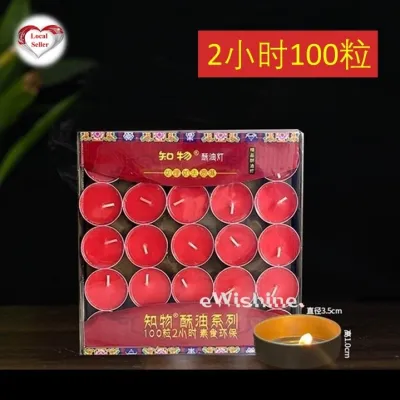

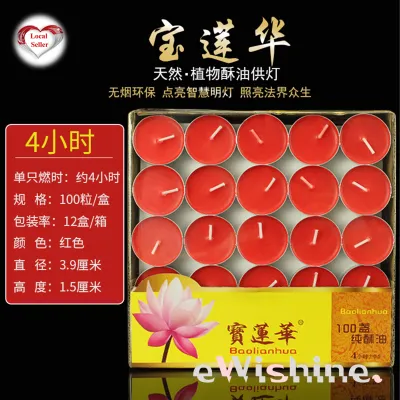

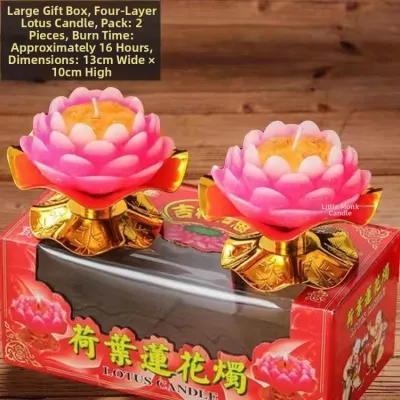
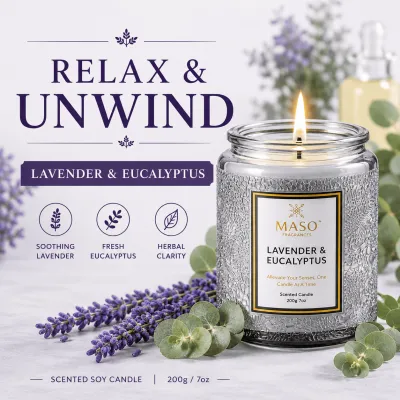
Prices are valid at publication and may change. Please refer to the product page for the latest price.
- Scent Throw: Scent throw refers to how widely a candle's fragrance disperses. For prayer and meditation, a subtle to medium scent throw is highly preferred. High-intensity candles designed to fill massive open-plan spaces can quickly become overwhelming when you are sitting in close proximity for extended periods. A gentle, intimate throw ensures the fragrance whispers in the background rather than competing for your attention or causing sensory fatigue.
- Wax Composition: The type of wax directly impacts the burn quality, lifespan, and purity of the air you breathe. Natural options like soy, beeswax, and coconut wax are excellent choices. Soy wax is derived from soybeans, offering a biodegradable, slow, and cool burn that lasts significantly longer than traditional paraffin. Beeswax is prized for its golden light and clean combustion, naturally emitting a faint, honey-like aroma. Coconut wax provides an exceptionally smooth burn and clean scent delivery. Paraffin wax, a petroleum byproduct, is best avoided or minimized for indoor practices, as it tends to produce more soot, particularly in enclosed, air-conditioned rooms.
- Wick Materials: Look for candles with lead-free cotton wicks or natural wood wicks. High-quality cotton wicks provide a stable, consistent flame that minimizes flickering and soot production. Wood wicks offer a soft, rhythmic crackling sound reminiscent of a tiny fireplace, which many find deeply soothing during quiet contemplation, though they require regular maintenance to burn evenly.
- Burn Time and Container Size: Your candle should safely accommodate the duration of your spiritual routines. For daily devotions lasting 20 to 30 minutes, smaller travel tins or votives are highly practical. For longer, multi-hour meditation retreats, larger jars (8 to 12 ounces) with thick, heat-resistant glass or ceramic walls are necessary to withstand sustained heat safely. In warm, humid climates, ensure your candles are stored in a cool, dry place to prevent natural waxes from softening or sweating.
Best Scent Profiles for Prayer and Meditation
Fragrance has a direct pathway to the limbic system, the part of the brain associated with memory and emotion. Certain scent families have been used for centuries across various traditions to encourage grounding, elevate consciousness, and clear mental clutter.

Earthy and Woody Scents
Earthy and woody fragrances act as powerful anchors, promoting stability, deep breathing, and a sense of connection to the physical earth. These base notes linger quietly in the air, providing a solid foundation for quiet contemplation.
- Sandalwood: Prized across Buddhist, Hindu, and secular meditation traditions, sandalwood offers a warm, creamy, and deeply comforting aroma that helps calm an overactive mind.
- Cedarwood: With its dry, balsamic, and slightly sweet profile, cedarwood evokes the quiet majesty of a forest, encouraging slow, steady diaphragmatic breathing.
- Vetiver: Distilled from the roots of a tropical grass, vetiver has an intensely earthy, damp-soil aroma that is highly grounding for those struggling with restlessness or anxiety.
- Oud (Agarwood): Highly treasured in Asian and Middle Eastern cultures, oud provides a complex, resinous, and deeply meditative woody base that commands reverence.
Resinous and Sacred Scents
Resinous scents carry a rich historical significance, having been burned in temples, churches, and sacred rituals for millennia. These warm, spicy, and balsamic profiles immediately signal to the mind that it is entering a sacred space.
- Frankincense: Historically associated with purification and prayer, frankincense offers a bright, citrusy, and warm balsamic aroma that helps elevate mood and ease mental tension.
- Myrrh: A slightly bitter, smoky, and warm resinous note that pairs beautifully with frankincense, recreating a traditional, timeless cathedral atmosphere.
- Copal: Historically used in Mesoamerican ceremonies, copal features a clean, pine-like sweetness that purifies the air and refreshes the senses.
- Amber: A warm, sweet blend of resins and spices that wraps the room in a comforting, protective blanket, fostering deep introspection.
Herbal and Calming Floral Scents
If you prefer lighter, more refreshing aromas, herbal and soft floral profiles offer excellent stress relief, helping to clear mental fog and prepare the body for stillness.
- Lavender: Rich in natural calming compounds, lavender is widely recognized for its ability to lower heart rate and reduce cortisol levels, making it ideal for evening prayers.
- Clary Sage: Featuring a herbaceous, slightly sweet profile, clary sage helps clear mental clutter and balance emotions during transitions.
- Chamomile: Offers a gentle, apple-like floral sweetness that quietens the nervous system and eases physical tension.
- Eucalyptus: Introduces a crisp, camphorous note that opens the airways, facilitating the deep, rhythmic breathwork essential for mindfulness.
Recommended Candle Brands for Mindful Spaces
When looking for high-quality candles that support a focused, meditative environment, several reputable brands stand out for their clean ingredients, thoughtful craftsmanship, and sophisticated scent profiles.
Artisan and Small-Batch Makers
Artisan makers focus on natural ingredients, clean aesthetics, and grounded, unisex scent profiles that integrate seamlessly into modern meditation spaces.
- P.F. Candle Co.: This independent brand is celebrated for its minimalist aesthetic, housing hand-poured soy candles in classic amber apothecary jars. Their fragrances, such as Teakwood & Tobacco or Sandalwood Rose, rely on earthy, woody notes that avoid synthetic sweetness, providing a subtle and grounding backdrop for daily devotions.
- Boy Smells: Known for its unique proprietary blend of coconut and beeswax, Boy Smells offers highly sophisticated, modern scent profiles. Candles like Hinoki Fantôme (blending Japanese hinoki cypress with warm spices) or Ash (featuring dry woody and smoky notes) are exceptional choices for creating a contemporary, deeply reflective atmosphere.
Premium and Heritage Brands
For a truly elevated spiritual ritual, heritage luxury brands offer unparalleled historical resonance, complex scent development, and meticulous craftsmanship.
- Trudon: Founded in Paris in 1643, Trudon is the world’s oldest active candle manufacturer, having historically supplied the churches of France. Their candles utilize a proprietary vegetable wax blend and hand-blown glass vessels. The scent Spiritus Sancti is specifically designed to replicate the olfactory experience of a historic cathedral, blending notes of incense, cathedral wax, and lily.
- Diptyque: Another legendary Parisian house, Diptyque is renowned for its highly curated, true-to-life botanical and atmospheric scents. Candles like Feu de Bois (wood fire) or Chêne (oak tree) use premium-grade waxes and cotton wicks to deliver a clean, complex, and transportive experience. While these heritage brands represent a premium investment—often retailing between S$100 and S$150 in Singapore—their intricate scent development and clean-burning profiles make them a cherished addition to sacred spaces.
Accessible and Consistent Everyday Brands
If you maintain a daily prayer or meditation routine, you may require accessible, highly reliable candles that can be burned frequently without prohibitive costs.
- Voluspa: Voluspa is highly regarded for its clean-burning, proprietary coconut wax blend, which offers an exceptionally smooth melt pool and an elegant aesthetic, often housed in beautifully embossed glass jars. Scents like French Cade Lavender or Baltic Amber provide a gentle, non-intrusive aroma that supports focus.
- Yankee Candle: Yankee Candle remains a global standard for consistency and variety. Their classic jar candles, particularly in calming profiles like Sage & Citrus or Midsummer's Night, offer long burn times and highly predictable performance. These accessible brands typically range from S$20 to S$60 in Singapore, making them practical choices for regular, everyday spiritual practices.
Safe Burning and Placement for Extended Sessions
Using open flames during periods of deep meditation or intense prayer requires strict adherence to safety protocols, as your attention will be directed inward rather than on your physical surroundings.
- Wick Trimming: Before lighting your candle for any session, always trim the wick to exactly 1/4 inch (approximately 6mm). A long or split wick can produce a high, unstable flame, excess soot, and rapid burning. Trimming ensures a controlled, steady flame that does not flicker distractingly.
- The Memory Burn: During your very first burn, allow the candle to remain lit until the wax melts completely across the surface to the edges of the container. This process, known as establishing a "wax memory," prevents the candle from tunneling down the center on subsequent burns, which wastes precious wax and shortens the candle's lifespan.
- Placement and Environment: Place your candle on a stable, flat, and heat-resistant surface, such as a ceramic tile, stone coaster, or heavy metal tray. This is especially important for glass or metal containers, which can become hot enough to damage wooden altars or tabletops. Ensure the candle is kept far away from drafty areas, open windows, air-conditioning vents, or ceiling fans. In Singapore's warm climate, ceiling fans are frequently kept on high, but a draft can cause the flame to dance violently, producing excess soot and increasing the risk of sparks. Keep the flame well away from flammable items, including religious texts, paper icons, prayer beads, or decorative fabrics.
- Ventilation in Enclosed Spaces: If you practice in a small room or a modern apartment, ensure there is adequate ventilation. Burning candles in a completely sealed, air-conditioned room for hours can lead to a buildup of combustion byproducts. Keep a door slightly ajar or crack a window to maintain fresh air circulation, ensuring you are breathing clean air during deep breathing exercises.
- Extinguishing Safely: Never leave a burning candle unattended under any circumstances. If your meditation leads to sleep, or if you must leave the room, extinguish the flame immediately. Use a metal candle snuffer or a wick dipper to extinguish the flame. Blowing out a candle can send hot wax flying and releases a cloud of dark smoke that can instantly ruin the serene, fragrant atmosphere you worked so hard to establish.
Frequently Asked Questions (FAQ)
Can I use unscented candles for meditation?
Yes, unscented candles are highly recommended for individuals who are sensitive to fragrances, suffer from allergies, or practice trataka (candle-gazing meditation). In trataka, the steady, physical flame serves as the sole visual focal point to quiet the mind. Using an unscented candle made of pure beeswax or soy wax allows you to benefit from the soothing visual presence of the flame without any olfactory distraction or sensory overload.
How long should I let a candle burn during a prayer session?
The general rule of thumb is to burn a candle for approximately one hour per inch of its diameter to ensure an even melt pool and prevent tunneling. However, you should always consult and adhere to the manufacturer’s specific guidelines. Most candle makers recommend a maximum continuous burn time of 3 to 4 hours. Burning a candle longer than this can cause the wick to become unstable, produce excess soot, or cause the container to overheat and potentially crack.
Are soy or beeswax candles better for indoor air quality?
Both 100% soy and pure beeswax candles are significantly better for indoor air quality than traditional paraffin candles. Paraffin is a petroleum derivative that, when burned, can release trace amounts of volatile organic compounds and soot into the air. Soy and beeswax are natural, renewable resources that burn much cleaner, producing minimal soot. Beeswax is particularly favored for deep-breathing practices, as it burns exceptionally clean and emits a natural, subtle honey scent. When purchasing, always check the product label to ensure you are buying a pure natural wax or a high-quality natural blend, rather than a paraffin-heavy composition disguised with natural branding.
Community discussion
Share your experience or ask a question. Comments are reviewed before publication.