
Finding the ideal atmosphere for spiritual reflection requires a careful balance of sensory elements. For centuries, prayer candles have served as visual and symbolic anchors during meditation, offering a focal point for the eyes and a physical representation of intentions. When infused with carefully selected scents, these candles do more than illuminate a room; they engage the olfactory system to help quiet the mind, deepen breathing, and establish a sacred boundary between daily distractions and inner stillness.
Selecting the best scented prayer candles for your practice depends on understanding how different fragrance profiles interact with your mental state, as well as choosing high-quality, clean-burning ingredients that ensure a safe and uninterrupted session. By matching specific botanical essences to your spiritual goals—whether you seek deep grounding, energetic cleansing, or gentle emotional comfort—you can transform your meditation space into a sanctuary of focused calm.
How to Choose the Right Scented Prayer Candle
When selecting a candle specifically for spiritual or meditative use, the criteria differ significantly from choosing standard home fragrances. A decorative candle meant to mask kitchen odors or perfume a large living room often relies on high scent concentrations and rapid diffusion. For meditation, however, the candle must serve as a subtle companion to your practice rather than a dominant force that competes for your attention.
Products mentioned in this guide


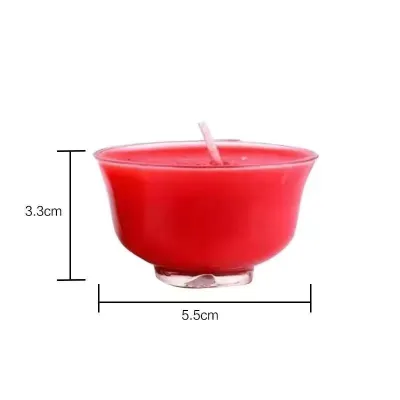
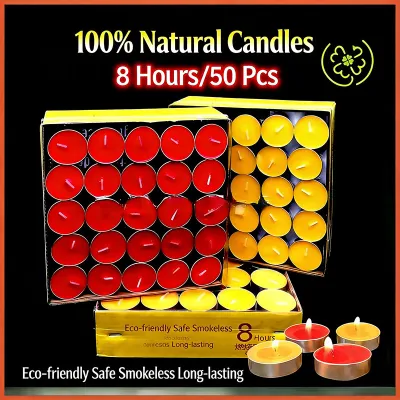
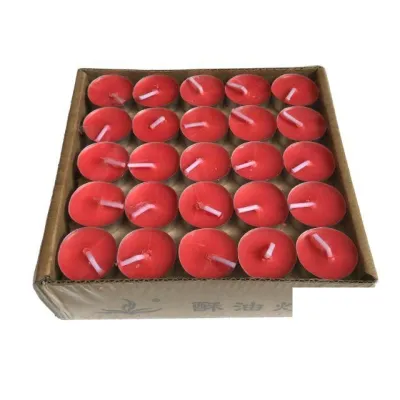
![[Wholesale] 100PCS Ghee Candle 4/8 hours Candle Fragrant Smokeless Ghee Lamp Premium Tealight Candle Buddha Praying Candle](https://img.lazcdn.com/g/p/2f5eb96e7c26f097aed6a5a3c08fb71e.jpg_400x400q80.jpg_.webp)

Prices are valid at publication and may change. Please refer to the product page for the latest price.
The first step in making an informed choice is aligning the candle’s scent profile with your specific spiritual intention. Different botanical oils carry distinct aromatic properties that can prompt the nervous system to react in predictable ways. If your goal is to cultivate deep focus and stability during a silent meditation, an earthy, resinous fragrance will serve you better than a bright, energizing citrus. Defining what you hope to achieve during your practice allows you to select an aromatic anchor that actively supports your mental state.
Scent throw—the measure of how far and strongly a fragrance disperses—is another critical factor. A candle with an intense hot throw can quickly overwhelm a smaller, enclosed meditation space, leading to headaches, sensory fatigue, or respiratory irritation that disrupts your focus. For prayer and mindfulness, seek candles characterized by a subtle to moderate scent throw. The aroma should linger gently in the background, acting as a soft sensory cue that reminds you to return to your breath whenever your mind begins to wander.
Burn consistency is equally vital for maintaining an uninterrupted state of contemplation. A high-quality prayer candle should burn with a steady, quiet flame, free from the distracting crackling, spitting, or flickering often associated with poorly constructed wicks or low-grade waxes. Excessive flickering not only disrupts visual meditation practices but also indicates incomplete combustion, which produces soot and uneven wax pooling. Investing in well-formulated candles ensures that your physical environment remains as tranquil and undisturbed as your internal state.
Best Scent Profiles for Meditation and Spiritual Practice
Aromatherapy operates on the principle that natural volatile organic compounds can influence our emotional and physiological states. When choosing a scented candle for your altar or meditation corner, understanding the primary scent families allows you to curate an environment tailored to your specific practice.

Grounding and Earthy Scents
Earthy and woody fragrances are the traditional foundation of sacred spaces across many global cultures. Resinous notes like frankincense and myrrh, along with deep wood oils such as sandalwood and cedarwood, have been burned in temples, churches, and monasteries for millennia. These scents are characterized by their heavy, slow-evaporating molecules, which create a rich, lingering presence in the room.
Physiologically, these deep aromas are highly effective at encouraging slow, diaphragmatic breathing. Sandalwood, for example, contains compounds that have been shown to promote a sense of calm and mental clarity without inducing drowsiness, making it ideal for maintaining alert focus during long prayer sessions. Frankincense and myrrh carry profound, ancient associations with spiritual devotion, helping to quiet the analytical mind and foster a sense of reverence and connection to something larger than oneself. Utilizing these scents during your practice helps establish a firm psychological foundation, making you feel anchored and resilient against external distractions.
Cleansing and Purifying Scents
Before beginning a spiritual practice, it is often helpful to clear the mind of the day’s accumulated stress and transition into a receptive state. Herbal and smoky scent profiles, such as sage, palo santo, juniper, and rosemary, are excellent choices for this preparatory phase. These fragrances are typically sharp, clean, and slightly camphoraceous, acting as a refreshing sensory reset.
Burning a candle infused with sage or rosemary can help clear mental clutter, sharpen cognitive focus, and establish a clear energetic boundary in your space. Rosemary, in particular, has long been associated with memory and mental alertness, helping to awaken the mind for active contemplation or scripture study. The crisp, clean aroma of these herbs acts as a psychological signal that you are entering a dedicated, purified space, leaving behind the worries, tasks, and digital noise of everyday life.
Uplifting and Calming Scents
For practices centered on emotional healing, gratitude, devotion, or stress relief, softer floral and gentle citrus notes offer a soothing, comforting embrace. Lavender, chamomile, bergamot, and ylang-ylang are renowned for their ability to soothe the sympathetic nervous system, reducing the physical symptoms of anxiety such as a racing heart or muscle tension.
Lavender and chamomile are classic choices for evening meditation or prayer before sleep, as they promote deep relaxation and ease the transition into rest. Bergamot, a delicate citrus fruit, offers a unique combination of calming and uplifting properties; it helps dispel feelings of sadness or anxiety while gently elevating your mood. These soft, comforting scents create a nurturing atmosphere that supports self-reflection, gentle devotion, and the release of emotional burdens, allowing you to approach your practice with an open and peaceful heart.
Candle Ingredients and Burn Quality to Look For
The physical composition of a prayer candle directly impacts both the quality of your meditation and your physical health. Because spiritual practices often involve spending extended periods in close proximity to a burning flame, understanding what goes into your candle is essential for maintaining safe indoor air quality.
The type of wax used serves as the foundation of the candle’s performance. Traditional, mass-produced candles often rely on paraffin wax, a byproduct of petroleum refining. When burned, paraffin can release soot and volatile organic compounds into the air, which can irritate the lungs and leave a dark residue on walls and furniture. For a healthier and more sustainable practice, look for natural waxes such as soy, coconut, or beeswax:
- Soy Wax: Derived from soybeans, soy wax burns cleanly at a lower temperature than paraffin, resulting in a longer-lasting candle with a gentle, steady scent release.
- Beeswax: A natural air purifier, pure beeswax releases negative ions when burned, which can help neutralize dust, pollen, and odors in the air. It has a naturally sweet, honey-like aroma and burns exceptionally long and bright.
- Coconut Wax: Made from cold-pressed coconut meat, this wax offers an incredibly smooth texture, burns cleanly, and carries fragrance oils beautifully without altering their delicate aromatic profiles.
The source of the fragrance also plays a major role in the therapeutic value of the candle. Pure essential oils, extracted directly from plants, offer authentic aromatherapy benefits, interacting directly with your olfactory receptors to influence your mood. However, because essential oils are highly volatile, they can sometimes have a lighter hot throw and may degrade if exposed to excessive heat during the candle-making process. High-quality synthetic fragrance oils that are specifically formulated for candle use can offer a wider, more stable range of complex scents and a more consistent throw, provided they are sourced from reputable manufacturers who prioritize safety.
To ensure your candle is safe to burn in enclosed spaces, pay close attention to the wick material and product labels. Always choose candles made with natural cotton, paper, or wood wicks, and explicitly avoid those with metal or lead cores, which can release harmful heavy metals into the air. Read product labels carefully to verify that the candle is phthalate-free, paraben-free, and non-toxic. These certifications guarantee that the fragrance oils do not contain harmful chemical plasticizers, allowing you to breathe deeply and safely during your spiritual practices.
Safe Usage and Care for Prayer Candles
To ensure your meditation sessions remain peaceful and hazard-free, practicing proper candle safety and maintenance is essential. This is particularly true when burning candles in focused, contemplative settings where your eyes may be closed for extended periods.
First and foremost, establish strict fire safety boundaries before lighting your candle. Always place the candle on a stable, heat-resistant surface, well away from any flammable materials such as altar cloths, curtains, books, or meditation cushions. Never leave a burning candle unattended; if your practice involves transitioning into deep sleep or leaving the room, make it a habit to extinguish the flame completely beforehand. Ensure the candle is kept out of reach of children and pets who might accidentally disturb it.
Adequate ventilation is another key consideration, especially in modern apartments, such as HDB flats in Singapore, where rooms may be compact or air-conditioned. While you want to avoid strong, direct drafts from ceiling fans or open windows—which can cause the flame to flicker wildly, produce excess soot, and burn unevenly—you must still ensure there is sufficient ambient airflow to prevent carbon monoxide and fragrance buildup in the room. If you practice in a small, enclosed space, consider keeping the door slightly ajar to maintain a healthy balance of fresh air.
Proper wick maintenance is the simplest way to guarantee a clean, soot-free burn. Before lighting your candle for each session, use a wick trimmer or small scissors to trim the wick to approximately 1/4 inch (about 6 millimeters). This simple step prevents the flame from growing too large, minimizes smoking, and stops charred wick debris from falling into the melting wax pool.
Prevent “tunneling” by establishing a proper burn memory during your very first session. When you light a new candle, allow it to burn continuously until the pool of melted wax reaches all the way to the outer edges of the container. This initial burn typically takes between two and four hours, depending on the candle’s diameter. Establishing this complete melt pool ensures that the candle will continue to burn evenly down to the bottom in subsequent sessions, maximizing its lifespan and preventing wasted wax around the sides.
If you prefer to use an electric candle warmer instead of an open flame to diffuse your scented prayer candles, safety and compatibility are paramount. Always verify that the candle warmer’s voltage matches your local power supply (220-240V in Singapore) and that the device carries recognized electrical safety certifications. Check the manufacturer’s instructions for the correct bulb wattage limit, as using a bulb with a wattage that is too high can overheat the wax, damage the candle vessel, or pose a fire hazard. Ensure the warmer is placed on a flat, stable surface away from moisture, and turn it off completely when your meditation session is finished.
Frequently Asked Questions (FAQ)
Can I use regular scented candles for prayer and meditation?
Yes, you can use regular scented candles, but they may not provide the most supportive environment for deep concentration. Many standard home fragrance candles are formulated with high concentrations of sweet, heavy synthetic perfumes designed to mask odors or fill large open spaces. These intense aromas can easily become distracting or cause headaches during quiet, focused practices. Prayer and meditation candles are typically designed with subtler, more natural scent profiles that aim to soothe the senses and support mindfulness rather than dominate the room.
How long should I burn a candle during meditation?
For the best balance of safety and candle performance, aim to burn your candle for 1 to 2 hours per session. This duration allows the wax to melt evenly across the surface, preventing tunneling and ensuring a consistent release of fragrance. However, you should never exceed the manufacturer’s maximum recommended burn time—typically 4 hours—and you must always extinguish the flame before leaving the room, practicing deep relaxation exercises where you might fall asleep, or finishing your meditation.
Are unscented candles better for spiritual practice?
Whether to use a scented or unscented candle is a matter of personal preference and the specific nature of your practice. Unscented candles, such as those made from pure beeswax or natural soy, are ideal for individuals who are sensitive to fragrances, suffer from respiratory allergies, or practice visual flame meditation (trataka), where the physical flame is the sole focus. Scented candles, on the other hand, add an intentional layer of aromatherapy to your practice, using natural botanical essences to actively help guide your mind into a relaxed, meditative state.
Community discussion
Share your experience or ask a question. Comments are reviewed before publication.