
When selecting a home fragrance for a Singapore home, scent longevity is often the deciding factor. The tropical climate—characterized by high temperatures and relative humidity levels that frequently soar above 80%—creates a challenging environment for both liquid and solid scent diffusers. While both formats aim to keep your living spaces smelling fresh, they interact with moisture and heat in fundamentally different ways, directly impacting how long they last and how effectively they throw scent.
To answer the question of which lasts longer, we must look beyond the manufacturer’s estimates and examine the physical spaces where these products are deployed. Generally, reed diffusers offer a much longer-lasting and more consistent ambient scent in open, well-ventilated rooms, with high-quality options lasting anywhere from one to six months. In contrast, scented sachets provide a highly localized, intense fragrance that is ideal for small, enclosed areas, but their lifespan drops significantly—often to just a couple of weeks—if they are exposed to the open, humid air of a typical Singaporean household.
Ultimately, the choice should not be based solely on which product has a longer theoretical lifespan, but rather on the specific microclimate of the room or storage area you wish to scent. By matching the fragrance format to the physical constraints of your space, you can maximize both the longevity of the product and the value of your purchase.
Products mentioned in this guide
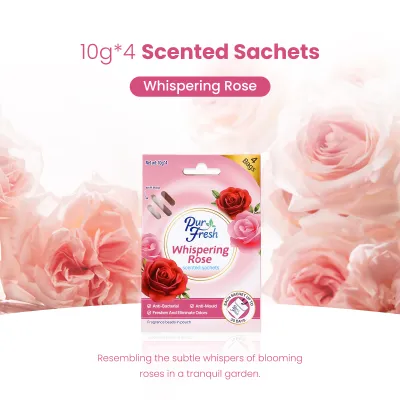

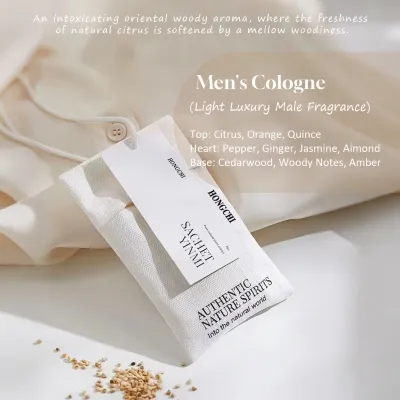
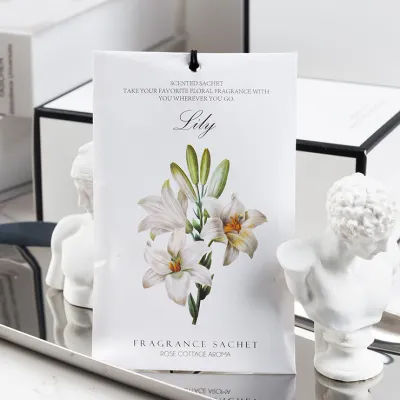
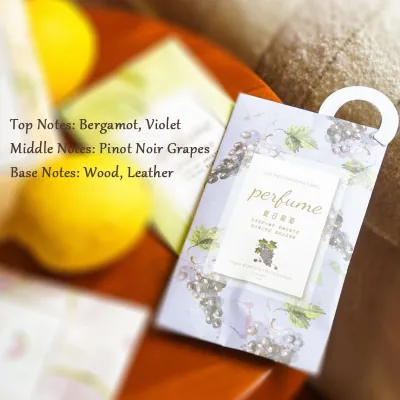
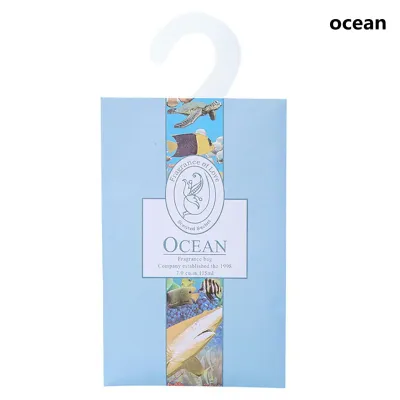
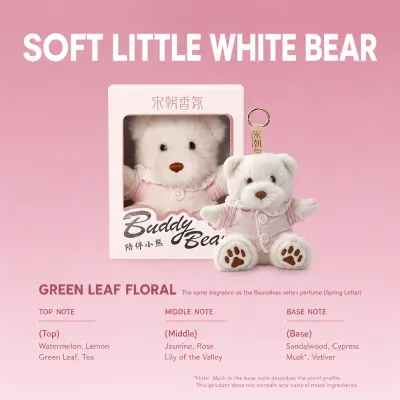
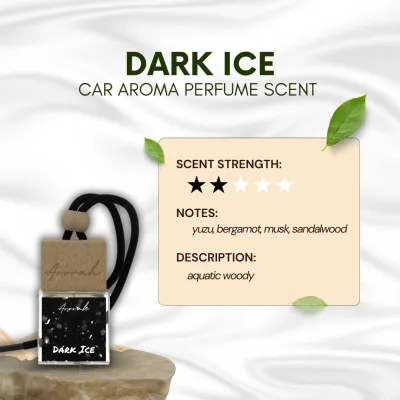
Prices are valid at publication and may change. Please refer to the product page for the latest price.
Quick Answer: Scented Sachets vs Reed Diffusers in Humid Climates
Reed diffusers generally offer a more consistent, long-lasting ambient scent in open, well-ventilated spaces because their liquid reservoirs and porous reeds are designed to draw and disperse fragrance continuously. In a typical living room or foyer, a standard reed diffuser can easily maintain its scent throw for several months, making it the superior choice for general home fragrancing.
Scented sachets, on the other hand, provide a highly localized, enclosed fragrance. While they excel at keeping small spaces smelling fresh, their solid or granular carrier materials are highly sensitive to ambient moisture. When exposed to high ambient humidity, these carriers can degrade faster, clump together, or develop moisture issues that significantly shorten their aromatic lifespan.
Therefore, the primary deciding factor is the physical space you intend to fragrance. Choose reed diffusers for open rooms where continuous ambient scent is desired, and reserve scented sachets for enclosed drawers, wardrobes, and cabinets where airflow is minimal and the product is shielded from the humid atmosphere.
How Tropical Humidity Affects Fragrance Evaporation
Singapore’s year-round tropical climate exerts a powerful influence on how fragrance molecules behave. To understand why one format might outlast another, it helps to look at the physics of evaporation in high-humidity environments. Fragrance oils consist of volatile organic compounds that transition from liquid to gas at room temperature. In a dry climate, this transition happens at a steady, predictable rate, but high ambient heat and humidity disrupt this balance.

In liquid-based systems like reed diffusers, the fragrance oil is typically mixed with a carrier solvent, such as alcohol or a synthetic glycol ether base. When the ambient temperature is high, the kinetic energy of these liquid molecules increases, causing them to evaporate much faster than they would in a cooler climate. Furthermore, if the diffuser uses an alcohol-heavy base, the alcohol will flash off rapidly in the heat, leaving behind a thick, concentrated oil residue. This remaining oil can clog the microscopic channels within the reeds, halting the capillary action entirely and rendering the diffuser scentless even though liquid remains in the bottle.
For solid-based systems like scented sachets, the interaction with humidity is physical and structural. Scented sachets rely on porous carrier materials—such as vermiculite, volcanic clay, wood shavings, or dried botanicals—to absorb and slowly release fragrance oils. In Singapore’s humid air, these porous materials act like miniature sponges, absorbing water vapor from the surrounding atmosphere. As the carrier material becomes saturated with water, it loses its ability to hold onto the fragrance oils, causing the scent to dissipate rapidly. In extreme cases, the trapped moisture can cause the carrier to clump together, ruining its porous structure and creating a breeding ground for mold.
Air conditioning further complicates this dynamic. Many Singaporean households run air conditioners intermittently, creating dramatic shifts in temperature and humidity throughout the day. When the air conditioning is turned on, the indoor air becomes cooler and drier, which slows down the evaporation rate of reed diffusers and helps preserve their lifespan. However, when the AC is turned off and the room warms up again, condensation can form on surfaces, including the paper or fabric envelopes of scented sachets. This constant cycle of wetting and drying accelerates the breakdown of the sachet’s carrier materials and causes the fragrance to fade even faster.
Scented Sachets: Longevity and Best Uses in Enclosed Spaces
Scented sachets are highly efficient, localized fragrance delivery systems designed for tight, enclosed spaces. A high-quality scented sachet, typically utilizing mineral-based carriers like vermiculite or clay, can last between three to six weeks in a Singaporean home, provided it is kept in the correct environment. Because they do not rely on a liquid reservoir, they are completely spill-proof, making them highly versatile for vertical storage and delicate areas.
The key to maximizing the lifespan of a scented sachet is limiting its exposure to open airflow and ambient humidity. The ideal use cases for sachets are strictly enclosed, low-airflow environments such as wardrobes, chest drawers, shoe cabinets, storage boxes, and luggage. In these confined spaces, the sachet quickly saturates the small volume of air with fragrance, establishing an equilibrium that slows down further evaporation. This protective microclimate shields the sachet from the continuous influx of humid air, allowing the carrier material to retain its fragrance oils for a much longer period.
However, using sachets in a humid climate requires active observation and maintenance to prevent damage to both the sachet and your personal belongings. High heat and humidity can cause the fragrance oils inside the sachet to liquefy and seep through the paper or fabric packaging. If a sachet is placed in direct contact with delicate clothing, painted shelves, or polished wood, this oil transfer can cause permanent staining or chemical damage. To prevent this, always hang sachets using their attached loops or place them on a protective barrier, such as a small ceramic dish, rather than resting them directly on fabrics or wooden surfaces.
Additionally, you should regularly inspect your sachets for signs of moisture absorption. If the packet feels heavy, damp, or limp, it has absorbed a significant amount of water vapor from the air. You can temporarily reactivate a dry but fading sachet by gently shaking the packet to redistribute the internal granules, exposing fresh, unevaporated oil to the surface. However, if the sachet has become damp, it is best to replace it entirely to avoid the risk of mold growth inside your storage compartments. Always check the product label for specific details on the carrier material and moisture-resistance claims before purchasing.
Reed Diffusers: Longevity and Best Uses in Open Rooms
Reed diffusers provide a continuous, passive scent throw that is ideal for scenting entire rooms without the need for open flames or electricity. In Singapore, a standard 100ml reed diffuser generally lasts between one to three months, while larger 200ml or 250ml bottles can maintain their scent throw for four to six months. The ultimate lifespan of a reed diffuser is governed by physical variables: the volume of liquid, the chemical composition of the carrier base, the number of reeds inserted, and the local air currents.
The ideal placement for a reed diffuser is in open, high-traffic spaces where natural air movement can disperse the fragrance throughout the room. Living rooms, entryways, study rooms, and spacious hallways are perfect locations. As people walk past, the gentle air currents help carry the scent molecules away from the bottle, creating a pleasant, ambient aroma. However, you should avoid placing reed diffusers in areas with excessive draft, such as directly in front of an open window, next to an oscillating fan, or directly under an air conditioning vent. While these spots will initially provide a powerful scent throw, they will also cause the liquid to evaporate at an unsustainably rapid rate, cutting the product’s lifespan in half.
Proper maintenance is essential to keep a reed diffuser performing well in Singapore’s humid conditions. The most common issue is the accumulation of dust and moisture on the exposed portions of the reeds, which clogs their porous channels and blocks the upward flow of fragrance oil. To counteract this, flip the reeds once every one to two weeks to introduce fresh, oil-saturated ends to the air. When flipping, always use a paper towel to handle the reeds and wipe away any drips to prevent damage to your furniture surfaces.
If you notice that the fragrance has faded but the bottle still contains plenty of liquid, the reeds themselves may be completely saturated or clogged with dust. In this scenario, flipping them will no longer help, and you must replace the old reeds with a fresh set of rattan or fiber reeds. For optimal control over both scent intensity and longevity, start by inserting only three or four reeds. If the scent is too subtle, add more reeds one by one until you reach the desired strength, keeping in mind that each additional reed increases the rate of oil consumption.
Scented Sachets vs Reed Diffusers: Feature Comparison
To help you visualize the practical differences between these two home fragrance options, we have compiled a structured comparison across the key decision-making dimensions:
| Dimension | Scented Sachets | Reed Diffusers |
|---|---|---|
| Scent Throw | Localized, subtle, and highly concentrated in small areas | Ambient, wide-reaching, and adjustable based on reed count |
| Ideal Environment | Enclosed, low-airflow spaces (wardrobes, drawers, cabinets) | Open, ventilated rooms (living rooms, foyers, dry bathrooms) |
| Maintenance Level | Low; requires occasional shaking and replacement when faded | Moderate; requires periodic reed flipping and reed replacement |
| Moisture Vulnerability | High risk of clumping, oil seepage, or mold in damp spaces | Low risk of structural damage, but evaporation rates vary |
| Safety Considerations | Spill-proof, but carries a minor risk of oil staining on fabrics | Spill hazard; liquid ingestion risks for pets and children |
This comparison highlights that neither product is universally superior; rather, each is engineered for a specific functional role. Scented sachets excel at keeping your clothes and stored linens smelling fresh without occupying valuable shelf space or risking liquid spills. They are highly economical, with prices typically ranging from S$3 to S$10 per packet, making them an affordable way to manage odors in target zones like shoe cabinets.
On the other hand, reed diffusers are designed to serve as decorative and functional elements in your main living areas. While they require a higher initial investment—often ranging from S$20 for basic brands to over S$80 for premium home fragrance labels—they offer a level of scent control that sachets cannot match. By adjusting the number of reeds, you can fine-tune the fragrance output to suit the size of your room, ensuring that the scent is neither overwhelming nor imperceptible.
Understanding these physical differences allows you to avoid common placement mistakes, such as putting a sachet in a drafty living room where its scent will be lost instantly, or placing a liquid diffuser inside a dark, cramped wardrobe where a spill could ruin your wardrobe’s interior.
How to Choose the Right Home Fragrance for Your Space
Selecting the right option requires evaluating your specific living arrangements, daily habits, and safety priorities. Use this structured decision framework to determine which option will provide the best longevity and performance for your specific needs:
Choose Scented Sachets if:
- You are scenting enclosed storage: Your primary goal is to keep wardrobes, linen closets, chest drawers, or shoe cabinets smelling fresh and free of musty odors.
- You require a zero-spill solution: You want to add fragrance to areas where liquid spills would cause significant damage, such as inside luggage, storage boxes, or directly on clothing shelves.
- You prefer a subtle, localized scent: You want a gentle fragrance that only reveals itself when you open a drawer or closet door, rather than a scent that fills the entire room.
Choose Reed Diffusers if:
- You want continuous ambient fragrance: You want your living room, entryway, master bedroom, or study to have a constant, welcoming aroma.
- You want adjustable scent strength: You prefer having control over how strong the fragrance is and want the ability to dial it up or down by adding or removing reeds.
- You value home decor aesthetics: You want a fragrance product that doubles as a stylish visual accessory on your coffee table, console, or vanity.
Neither option may fit if:
- The space has extreme, unmanaged moisture: If you have an unventilated wet bathroom, a damp laundry yard, or a poorly ventilated bomb shelter, neither format will perform well. Excessive humidity will quickly ruin a sachet's carrier material and can contaminate a reed diffuser's oil reservoir, leading to off-scents or mold. In these environments, it is best to resolve the moisture issue first using a dehumidifier or active ventilation before introducing home fragrances.
Verify first if:
- You have pets or small children: Liquid reed diffusers present a clear tipping and spill hazard, and the concentrated fragrance oils can be highly toxic if ingested or touched. Furthermore, many common essential oils used in these products—such as eucalyptus, tea tree, citrus, and peppermint—are toxic to cats and dogs even when diffused. Always check product labels for safety warnings, and ensure that any fragrance product is placed completely out of reach of curious hands and paws.
Before making your final purchase, always inspect the product specifications to gauge expected longevity. For reed diffusers, opt for larger liquid volumes (at least 100ml to 200ml) and look for alcohol-free base formulations, which evaporate at a slower, more stable rate in Singapore’s heat. For scented sachets, check the carrier material listed on the packaging; mineral-based carriers like vermiculite or clay are highly recommended over organic materials like dried flowers or wood shavings, as they are far less prone to trapping moisture and developing mold in tropical conditions.
Frequently Asked Questions (FAQ)
Can I use both scented sachets and reed diffusers in the same room?
Yes, you can absolutely use both scented sachets and reed diffusers in the same room, but you must do so strategically to avoid olfactory fatigue. Olfactory fatigue occurs when your sensory receptors become overloaded by constant exposure to a strong scent, causing you to stop noticing the fragrance entirely. To prevent this, avoid placing different, clashing fragrances in close proximity. Instead, use a reed diffuser to provide a light, consistent ambient scent for the open air of the room, and tuck a scented sachet inside a closed wardrobe or drawer within that same room. Ensure that the scent profiles are complementary; for example, pair a warm vanilla reed diffuser with a soft sandalwood sachet, or keep both products within the same fragrance family, such as clean linen or fresh citrus.
How do I know if my scented sachet has gone bad due to humidity?
In Singapore’s high-humidity environment, scented sachets can degrade physically when they absorb too much moisture from the air. You can easily identify a compromised sachet by looking for several clear physical indicators. First, feel the packet; if the internal granules have clumped together into a solid, hard mass, the carrier material has become saturated with water vapor. Second, look for any discoloration, damp spots, or oil seeping through the outer paper or fabric envelope, which can lead to staining on nearby surfaces. Finally, pay attention to the scent; if the original fragrance is replaced by a musty, sour, or damp odor, the sachet has gone bad. If you observe any of these signs, or if you spot any physical mold growth on the packet, dispose of the sachet immediately to protect your stored clothing and maintain healthy indoor air quality.

Community discussion
Share your experience or ask a question. Comments are reviewed before publication.