
Scent is one of the most powerful senses, directly linked to memory, emotion, and the overall ambiance of an indoor space. When you step into a room, the aroma immediately sets the tone, whether it is a calming sanctuary designed for rest or an energizing environment tailored for productivity. Choosing a soy candle scented with the right fragrance family can completely transform your home, especially when seeking comfort in air-conditioned interiors away from the tropical outdoor heat. Soy candles have become highly favored due to their clean-burning nature and sustainable origins, making them an excellent choice for conscious consumers.
However, navigating the vast array of available scents can be overwhelming if you do not know how different fragrance families align with your personal preferences or the specific needs of your space. By understanding the distinct characteristics of each scent category, you can make an informed decision that enhances your daily rituals, complements your home decor, and ensures a satisfying sensory experience. This guide will walk you through the primary fragrance families, explain how soy wax influences scent dispersion, and provide practical buying and safety tips.
How to Identify Your Ideal Scent Profile
To find your perfect fragrance match, start by paying attention to the aromas that naturally draw you in during your daily routine. Do you find yourself energized by the zest of a freshly sliced lemon in the morning, or do you feel a sense of calm when walking past a florist filled with fresh blooms? Perhaps you are comforted by the rich, warm scent of vanilla baking in a kitchen, or you prefer the crisp, clean aroma of freshly washed linens drying in the breeze. Mapping these everyday sensory preferences to broader fragrance categories is the first step in identifying your ideal soy candle.
Products mentioned in this guide


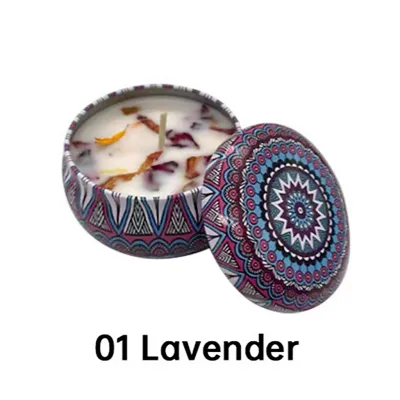
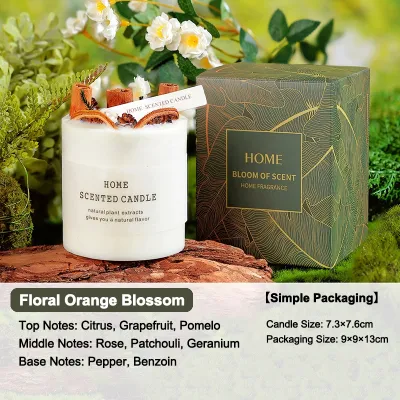

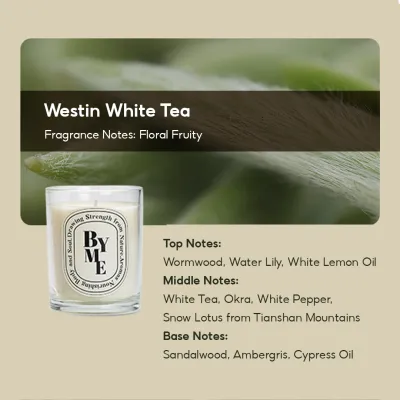
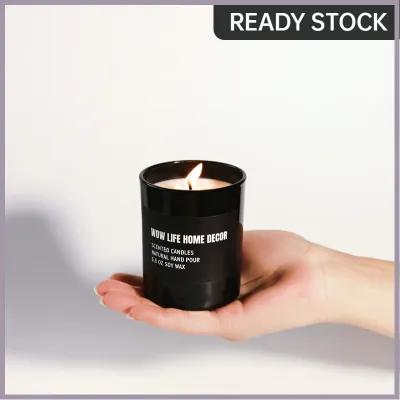

Prices are valid at publication and may change. Please refer to the product page for the latest price.
Consider the specific purpose of the candle before making a purchase. A scent chosen for personal relaxation in a quiet bedroom will likely differ from one intended to welcome guests in an entryway or to neutralize cooking odors in a kitchen. If you are selecting a candle as a gift, thinking about the recipient’s lifestyle, home decor, and personality can guide you toward a universally appealing choice. For instance, those who enjoy outdoor activities often appreciate woody or fresh scents, while those who love baking may lean toward warm, sweet profiles.
It is also crucial to understand how scent behaves in soy wax, particularly the difference between cold throw and hot throw. Cold throw refers to the strength of the fragrance when the candle is unlit, while hot throw is the scent emitted once the wax melts and releases its volatile oils. Because soy wax is a natural vegetable wax with a dense molecular structure, it releases fragrance more slowly and evenly than paraffin wax. This results in a more gradual, sophisticated scent dispersion that fills a room with a gentle, consistent aroma rather than an intense, sudden burst.
Top Fragrance Families for Scented Soy Candles
Fragrances are generally categorized into distinct families on the scent wheel, each defined by specific key notes, emotional associations, and ideal spatial placements. Recognizing these families allows you to narrow down your search and predict how a candle will smell in your home.

Woody & Earthy Scents
Sandalwood, cedarwood, vetiver, patchouli, and amber form the backbone of this grounding fragrance family. These scents evoke the quiet stillness of a forest, the warmth of a crackling fireplace, or the sophisticated air of a wood-paneled library. They are highly effective at creating a cozy, grounded, and elegant atmosphere, making them excellent choices for living rooms, studies, or reading nooks where you want to unwind, read, or engage in deep conversation.
When selecting a woody soy candle, look for options that balance these deep notes with lighter elements like bergamot, vanilla, or soft herbs. This prevents the aroma from feeling too heavy or smoky, which can sometimes occur in smaller, enclosed rooms. If you prefer subtle, non-sweet aromas that feel close to nature, this family is an ideal match. Always check the product label to ensure the wood notes are derived from high-quality oils to avoid a harsh or overly dry scent profile.
Floral & Botanical Scents
Lavender, rose, jasmine, peony, and ylang-ylang define this classic, romantic fragrance family. These botanical scents bring the freshness of an outdoor garden indoors, promoting a deep sense of tranquility, emotional balance, and relaxation. They are particularly well-suited for bedrooms and bathrooms, helping to signal to your mind that it is time to rest, decompress, and practice self-care after a busy day.
Because floral scents can sometimes lean toward a synthetic, cloying sweetness, look for high-quality soy candles that blend pure essential oils or premium fragrance oils with green, herbal, or woody base notes. A blend of lavender with eucalyptus, or rose with sandalwood, adds a realistic, complex depth that mimics a real bouquet. This prevents the fragrance from becoming overpowering and ensures a soothing, sophisticated presence in your personal spaces.
Citrus & Fruity Scents
Lemon, bergamot, grapefruit, sweet orange, and mandarin provide an instant burst of vitality and freshness. These bright, zesty scents are highly effective at boosting focus, lifting the mood, and clearing mental fatigue. They are perfect for home offices, kitchens, or during your morning routine when you need an extra dose of energy and mental clarity to start your day.
Keep in mind that citrus essential oils are highly volatile, meaning they evaporate quickly and can sometimes have a lighter hot throw in soy wax compared to heavier scent families. To ensure a satisfying aroma, check product descriptions or customer reviews for scent throw intensity, or look for blends that pair citrus with anchoring base notes like cedarwood, musk, or vanilla. This structural balance helps the bright, refreshing notes linger longer in the air.
Fresh & Clean Scents
Sea salt, ozone, fresh linen, eucalyptus, mint, and white tea offer an airy, crisp, and incredibly refreshing sensory experience. These fragrances evoke the feeling of a cool ocean breeze, a misty morning, or freshly laundered sheets drying in the sun. They are exceptionally versatile, making them ideal for entryways, bathrooms, or open-plan living spaces where you want to neutralize odors and create an inviting, uncluttered atmosphere.
This family is highly recommended for individuals who are sensitive to heavy, sweet, or highly spiced perfumes. The clean, minimalist profile provides a subtle background aroma without competing with other sensory elements in your home. When shopping, verify that the clean scent is derived from high-quality fragrance oils rather than harsh synthetic masking agents, which can sometimes smell medicinal or cause sensory irritation.
Oriental & Spicy Scents
Vanilla, amber, cinnamon, clove, cardamom, and star anise create a rich, exotic, and deeply comforting scent profile. These warm, sweet, and spicy aromas are perfect for evening wind-downs, intimate gatherings, or enhancing the cozy atmosphere of a cool, air-conditioned room. They evoke feelings of warmth, luxury, and comfort, making them popular choices for dining areas and living rooms during cooler evenings.
To prevent these powerful notes from becoming overly sharp or cloying when heated, check the ingredient list to ensure they are well-blended with smooth, grounding base notes like amber, sandalwood, or tonka bean. A balanced spicy candle should feel like a warm, subtle embrace rather than an intense spice rack. If you enjoy rich, complex, and lingering fragrances, this family offers an excellent, indulgent option.
Quick Guide: Matching Fragrance Families to Your Space
To help you quickly match fragrance families to specific rooms and desired emotional outcomes, refer to the summary table below:
| Fragrance Family | Key Notes | Best Rooms | Ideal Mood / Time of Day |
|---|---|---|---|
| Woody & Earthy | Sandalwood, Cedarwood, Vetiver, Patchouli | Living Room, Study, Reading Nook | Grounded, Sophisticated / Evening |
| Floral & Botanical | Lavender, Rose, Jasmine, Peony | Bedroom, Bathroom | Relaxing, Tranquil / Night |
| Citrus & Fruity | Lemon, Bergamot, Grapefruit, Orange | Kitchen, Home Office | Energizing, Focused / Morning |
| Fresh & Clean | Sea Salt, Fresh Linen, Eucalyptus, Mint | Entryway, Bathroom, Shared Spaces | Crisp, Airy, Inviting / All Day |
| Oriental & Spicy | Vanilla, Amber, Cinnamon, Cardamom | Living Room, Dining Room | Warm, Cozy, Exotic / Evening |
In modern homes, especially open-plan apartments where the kitchen, dining, and living areas often merge into a single space, managing multiple scents requires a thoughtful approach. To prevent different fragrances from clashing, practice “scent zoning.” This involves burning complementary fragrance families in adjacent areas—such as a Fresh & Clean scent in the entryway leading into a Woody & Earthy scent in the main living area.
Conversely, avoid burning highly contrasting, heavy scents simultaneously in the same open space. For example, lighting a rich Oriental spicy candle alongside a sharp Citrus candle in a small, unventilated area can create a chaotic and overwhelming aroma. Instead, stick to one dominant scent family per open area, or choose pre-blended candles designed to bridge the two families harmoniously.
Essential Checks Before Buying a Scented Soy Candle
When purchasing a scented soy candle, evaluating the technical specifications and material quality ensures a cleaner burn, better scent throw, and a safer experience in your home.
- Wax Purity: Look for "100% soy wax" on the label. Many candles marketed as "soy candles" are actually soy-paraffin blends. Paraffin is a petroleum byproduct that can release soot when burned. Pure soy wax is biodegradable, renewable, and burns cleaner and up to 30% to 50% longer than paraffin, offering better value over time.
- Wick Material: Choose lead-free cotton wicks or natural wood wicks. Cotton wicks should be braided and free of metal cores (such as lead or zinc). Wood wicks offer a unique aesthetic and a gentle, soothing crackling sound, which adds to the sensory experience. Both materials help ensure an even burn with minimal soot.
- Climate Considerations: Singapore's tropical, humid climate requires special consideration. Soy wax has a relatively low melting point (typically around 49°C to 54°C). If stored in direct sunlight, near warm windows, or in un-air-conditioned rooms that trap heat, the wax can soften, "sweat" (releasing fragrance oils to the surface), or develop "frosting" (a white, crystalline appearance). While these natural occurrences do not affect the candle's performance, you can prevent them by storing your candles in a cool, dark, dry cupboard when not in use.
- Vessel Safety & Burn Time: Always check that the candle container is made of heat-resistant material like thick glass, ceramic, or metal. To prevent the vessel from overheating or cracking, follow the manufacturer's recommended burn times—usually a maximum of 4 hours per session. Ensure you allow the wax to melt completely across the top edge during the first burn to prevent "tunneling." Always trim the wick to about 5mm before every burn to maintain a controlled flame, and place the candle on a stable, heat-resistant surface away from drafts, curtains, and flammable objects. Never leave a burning candle unattended. If the candle instructions conflict with any general care tips, always prioritize the manufacturer's specific guidelines.
By taking these simple precautions and choosing high-quality, pure soy candles, you can enjoy a beautifully scented home that promotes well-being and relaxation.
Frequently Asked Questions (FAQ)
Why does my soy candle smell stronger before I light it?
This is due to the difference between cold throw (unlit) and hot throw (lit). Soy wax is a natural, dense vegetable wax that holds onto fragrance oils tightly. When the candle is unlit, you smell the volatile oils sitting on the surface. Once lit, soy wax melts at a lower temperature and releases the fragrance more gradually and subtly than paraffin. You must allow the candle to burn until a full, even melt pool reaches the edges of the container to experience the complete depth of its hot throw.
Can I mix different fragrance families in the same room?
Yes, you can layer different fragrance families to create a custom home aroma, provided you choose complementary profiles. Pairing a fresh, clean scent with a woody or light floral scent often creates a balanced, sophisticated atmosphere. However, avoid burning multiple heavy, competing fragrance families—such as a rich Oriental spicy candle and a sharp, intense Citrus candle—simultaneously in small or poorly ventilated rooms, as this can lead to a sensory clash and an overwhelming environment.
Community discussion
Share your experience or ask a question. Comments are reviewed before publication.