
Finding the best scented tea light candle in Singapore is not about chasing a single “best” brand, but understanding how wax, fragrance concentration, and room dynamics interact. While many brands claim to offer the strongest scent throw, the actual performance in your home depends on physical factors like wax composition, wick design, and the size of your space. By learning how to evaluate these technical elements, you can confidently select tea lights that deliver a satisfying fragrance experience, whether you are looking to refresh a compact bathroom or add a subtle ambiance to a spacious living room.
Because tea lights are small, they have physical limitations that larger jar candles do not. However, when formulated with high-quality ingredients and used correctly, these miniature candles can create a surprisingly powerful aromatic zone. This guide provides a practical framework to compare popular options available in Singapore, helping you evaluate cold and hot throw performance, ingredient quality, and burn characteristics to find the ideal match for your space.
Understanding Scent Throw in Tea Light Candles
To choose the right tea light candle, you must first understand the difference between cold throw and hot throw. Cold throw refers to the intensity of the fragrance emitted by the candle when it is unlit. This is what you smell when browsing candles on a shelf at a local home decor boutique. Hot throw is the fragrance released once the candle is lit and the wax pool heats up. A strong cold throw does not always guarantee a strong hot throw, as some fragrances degrade or fail to vaporize efficiently under heat.
Products mentioned in this guide
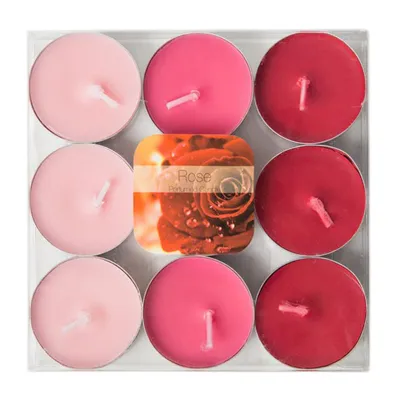
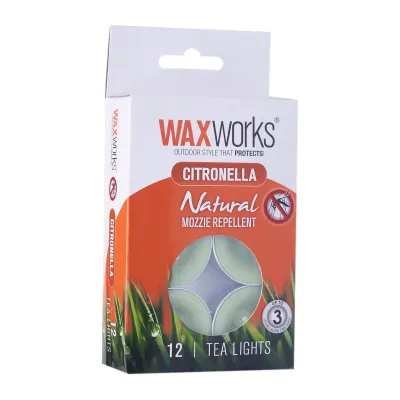
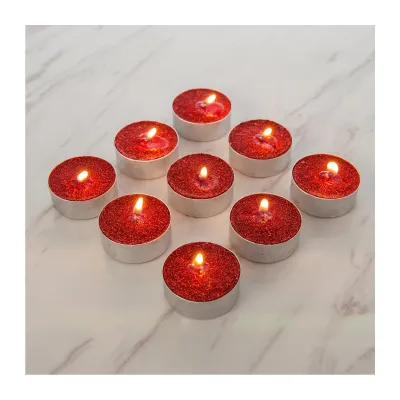
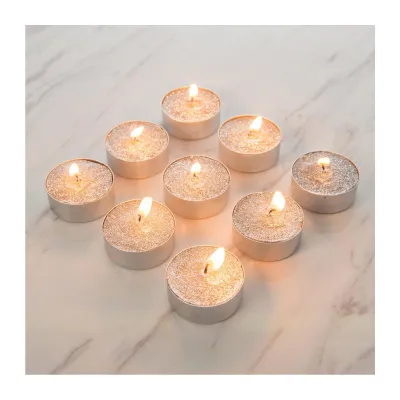
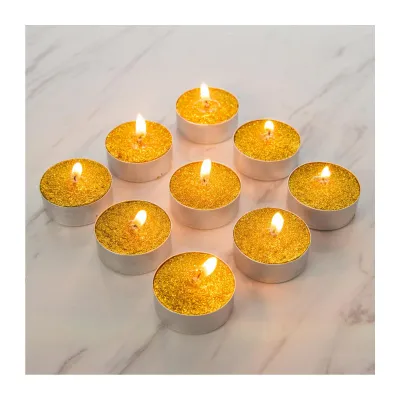
Prices are valid at publication and may change. Please refer to the product page for the latest price.
Small-format candles like tea lights face unique physical constraints. A standard tea light has a diameter of approximately 38 mm, creating a relatively small surface area for the liquid wax pool. Because the volume of melted wax is small and the flame sits close to the surface, the heat output is significantly lower than that of a large multi-wick jar candle. Consequently, the rate of fragrance evaporation is naturally limited, meaning a single tea light is designed for localized scenting rather than filling an entire open-concept home.
Environmental factors in Singaporean homes also play a major role in how scent travels. In air-conditioned rooms, the cooler, drier air and structured mechanical airflow can suppress the initial rise of the fragrance, but they can also help distribute it evenly once a stable air current is established. Conversely, in naturally ventilated spaces with open windows, high humidity and rapid air exchange can quickly disperse the fragrance molecules before they have a chance to build up, making the scent throw feel much weaker.
Key Comparison Dimensions for Scented Tea Light Brands
When comparing different candle brands, the wax composition is the most critical factor influencing scent throw. Paraffin wax is highly popular among mass-market brands because it has a low melting point and a crystalline structure that releases fragrance molecules easily, resulting in a sharp, immediate hot throw. However, many premium and boutique brands in Singapore favor soy wax, coconut wax, or beeswax blends. Soy wax burns slower and cooler, which can lead to a gentler, more gradual scent release, while coconut wax has an exceptionally low melting point that allows for an excellent, rapid hot throw.

Fragrance load—the percentage of fragrance oil mixed into the wax—is another vital dimension. Standard tea lights typically feature a fragrance load of 6% to 8%, while premium brands may push this to 10% or 12%. While brands rarely print the exact percentage on the packaging, you can look for terms like “highly concentrated” or check the ingredient list. It is also important to distinguish between essential oils and synthetic fragrance oils; while essential oils offer natural appeal, they can degrade under direct flame heat, whereas synthetic fragrance oils are chemically engineered to withstand high temperatures, often yielding a more robust hot throw.
Wick design directly affects how quickly the wax melts and releases its scent. Most tea lights use thin cotton wicks, which should be properly centered to ensure an even melt pool. A wick that is too small will cause “tunneling,” leaving unmelted wax around the edges and reducing scent throw, while a wick that is too large will produce a high, flickering flame and excess soot. Some specialty brands offer wood wicks in tea lights, which can create a wider, shallower melt pool quickly, boosting the immediate hot throw at the expense of a slightly shorter overall burn time.
There is a direct trade-off between total burn time and peak scent intensity. A tea light designed to burn for a long duration (such as 5 to 6 hours) often utilizes a harder wax blend or a smaller wick, which limits the size of the melt pool and results in a milder, more sustained scent throw. Conversely, a candle formulated for maximum scent intensity may burn through its wax in just 3 to 4 hours because it uses a softer wax and a larger wick to maximize the active evaporation surface.
Comparing Scent Families Across Popular Candle Brands
Different fragrance categories, or scent families, exhibit distinct physical behaviors when heated. Fresh and citrus scents (such as lemongrass, bergamot, and eucalyptus) consist of highly volatile, lightweight molecules. These notes disperse rapidly into the air, providing an immediate and sharp scent throw that is excellent for quick odor neutralization, though they tend to fade faster. If you are looking for a quick burst of freshness to clear the air in a kitchen or entryway, citrus-based tea lights are highly effective.
Floral and woody scent families offer a more balanced, lingering performance. Floral notes like jasmine, lavender, and rose have medium volatility, allowing them to build a steady, pleasant presence in medium-sized rooms without becoming overwhelming. Woody and earthy scents, such as sandalwood, cedarwood, and patchouli, consist of heavy, low-volatility molecules. While these scents take longer to establish a noticeable hot throw, they have excellent staying power, often lingering in the room long after the candle has been extinguished.
When shopping for tea lights, use a quick checklist to verify fragrance quality rather than relying solely on marketing claims. Check the product label for allergen declarations (such as linalool, limonene, or geraniol), which indicate the presence of genuine fragrance compounds. Avoid brands that list generic “perfume” without any safety or ingredient transparency, as these low-grade formulations are more likely to produce a chemical, synthetic smell that can cause headaches rather than a pleasant aromatherapy experience.
Scent layering is a highly effective way to use tea lights in Singaporean homes. Because a single tea light has a localized throw, you can pair it with a flame-free reed diffuser or a room spray of a complementary scent family. For example, a woody reed diffuser can provide a constant, subtle background note in your living room, while a citrus or floral tea light can be lit to add a warm, active layer of fragrance when you have guests over or during a evening relaxation routine.
Matching Scent Intensity to Your Room and Activity
To get the most out of your scented tea lights, you must match the fragrance intensity to the specific room and activity. In dining areas, heavy gourmand scents like vanilla, caramel, or chocolate should be avoided, as they can clash with the aromas of your food and disrupt the dining experience. Instead, opt for subtle herbal notes like rosemary, thyme, or light citrus, or stick to unscented tea lights if you are serving a highly aromatic meal.
For small, enclosed spaces like bathrooms, study rooms, or compact bedrooms, a high-intensity scent throw can quickly become overpowering and cause olfactory fatigue. In these areas, choose gentle, soothing fragrances with a lower scent intensity, such as lavender, chamomile, or soft white tea. These scents provide a calming backdrop without crowding the limited air volume of a smaller room.
In larger, open-plan living areas or entryways, a single tea light will likely struggle to make an impact. To scale up the fragrance safely, you can burn multiple tea lights simultaneously, but you must follow strict safety guidelines. Space the candles at least 10 cm apart on a stable, heat-resistant surface; placing them too close together can cause the heat to pool, potentially igniting the entire surface of the wax in a dangerous flash fire. Never cluster multiple burning tea lights tightly in a single decorative tray.
Maximizing Fragrance and Ensuring Safe Use
Singapore’s warm and highly humid climate requires careful storage to preserve the quality of your scented tea lights. High humidity can cause “sweating,” where the fragrance oils separate from the wax and form droplets on the surface, leading to a rapid loss of scent throw. To prevent this, store your unused tea lights in a cool, dry, and dark place, preferably inside an airtight container or a zip-lock bag, away from direct sunlight and heat sources.
When burning your candles, managing drafts is essential for both safety and scent performance. Keep burning tea lights away from open windows, ceiling fans, and air-conditioning vents. Strong drafts cause the flame to flicker wildly, which leads to uneven wax melting, rapid consumption of the wick, and excessive soot production. A stable, calm flame ensures a clean, even melt pool, which is crucial for releasing the maximum amount of fragrance.
Always practice safe burning habits to protect your home. Scented tea lights must always be placed inside appropriate, heat-resistant holders made of glass, ceramic, or heavy metal, as the metal or plastic cups they come in can become extremely hot. Place the holders on a flat, non-flammable surface away from curtains, paper, or other combustible materials. Extinguish the candle when there is only 5 mm of wax left at the bottom to prevent the holder from overheating, and never attempt to move a burning candle or handle hot, liquid wax.
Frequently Asked Questions (FAQ)
Do soy wax tea light candles have a weaker scent throw than paraffin?
Soy wax tea lights do not inherently have a weaker scent throw, but they release fragrance differently due to their physical properties. Soy wax has a higher melting point and a denser molecular structure than paraffin, which means it melts more slowly and releases fragrance at a more gradual, subtle rate. While a paraffin candle might offer a sharp, immediate burst of scent, a well-formulated soy candle with a high fragrance load and a properly matched wick can deliver a highly satisfying, long-lasting hot throw that fills a room gently without being overpowering.
Can I use a tea light warmer to improve the scent throw?
Yes, using an electric candle warmer can significantly improve the scent throw of a tea light candle. Warmers use a heating bulb or plate to melt the wax completely from the top down or bottom up without igniting the wick. This consistent, flame-free heat source allows the fragrance oils to evaporate highly efficiently, often resulting in a stronger and cleaner hot throw than burning the candle with an open flame.
When purchasing an electric candle warmer in Singapore, safety must be your primary consideration. Ensure the appliance is compatible with Singapore’s standard voltage of 220-240V and features the appropriate Type G three-pin plug. Look for devices that carry local safety certifications, such as the SAFETY Mark, to ensure they have been tested for electrical safety. Always place the warmer on a flat, heat-resistant surface, never leave it running unattended, and follow the manufacturer’s instructions regarding maximum operating times to prevent overheating.

Community discussion
Share your experience or ask a question. Comments are reviewed before publication.