
Choosing the right scented tea light candle involves matching specific fragrance families with the emotional atmosphere you want to create. Because of their compact size, these small candles offer a subtle, controlled release of aroma, making them ideal for zoned aromatherapy in specific rooms. To curate the perfect sensory experience, you must understand how different scent profiles interact with your mind and how to evaluate candle quality to ensure a clean, safe, and long-lasting burn.
Creating a personal sanctuary in modern living spaces requires intentional choices, especially when selecting home fragrances. Scented tea lights provide an accessible way to experiment with different aromas without committing to a large, expensive jar candle. By selecting high-quality options and using them safely, you can transform your environment to support relaxation, focus, or romance.
Understanding Fragrance Families and Moods
The human sense of smell is directly linked to the limbic system, the ancient part of the brain responsible for processing emotions, memories, and instinctual behaviors. This direct pathway explains why a single whiff of a specific aroma can instantly alter your mood, lower your heart rate, or sharpen your focus. When we inhale fragrance molecules, they bind to olfactory receptors, sending immediate signals to the amygdala and hippocampus.
Products mentioned in this guide
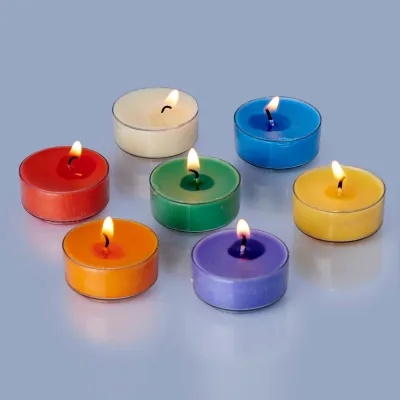
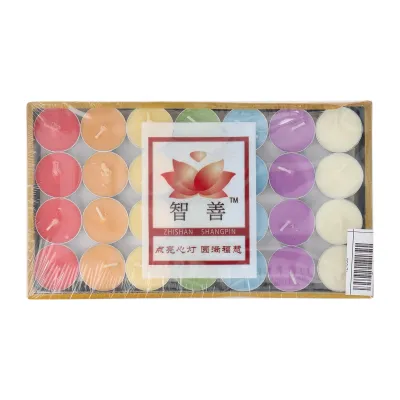
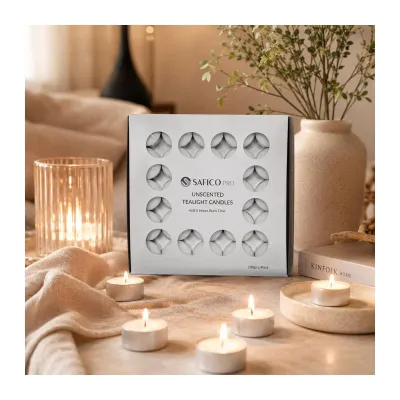
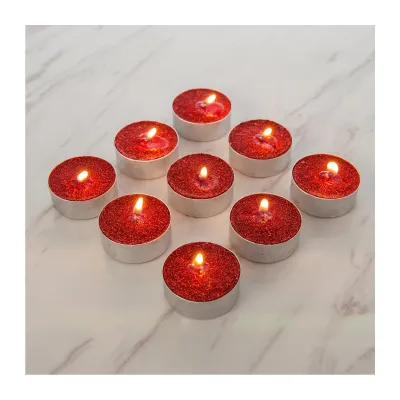
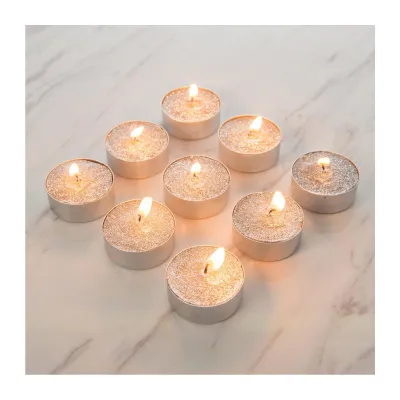
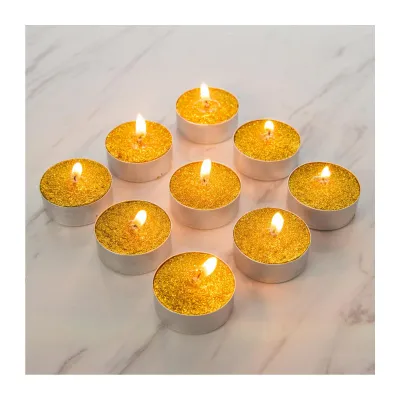
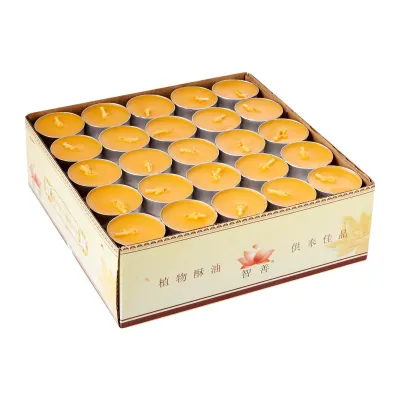
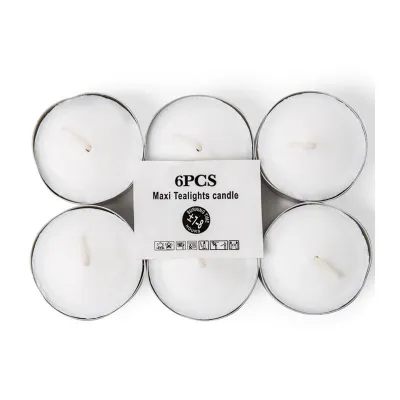
Prices are valid at publication and may change. Please refer to the product page for the latest price.
To navigate this sensory landscape, perfumers use the fragrance wheel, which categorizes scents into primary families: floral, woody, citrus, oriental/spicy, and fresh. Each family carries distinct psychological associations. For instance, bright citrus notes often stimulate cognitive function and reduce feelings of lethargy, while deep woody notes tend to ground and calm the nervous system.
However, olfactory experiences are highly subjective. Personal history and scent memories mean a fragrance that brings peace to one person might trigger alertness in another. For example, a lavender scent might remind one person of a relaxing spa, while another might associate it with a clinical environment.
By organizing your selection around desired emotional outcomes rather than random scents, you can turn your home into a functional sanctuary. This guide categorizes tea light candles by the moods they support, helping you choose the right fragrance family for your specific needs.
What to Look for in Quality Scented Tea Light Candles
Wax Composition The foundation of any high-quality tea light is its wax. Traditional paraffin wax is a petroleum byproduct known for its exceptional “scent throw”—the ability to disperse fragrance quickly and widely. However, it can produce more soot if not formulated properly. Soy wax and soy blends, made from hydrogenated soybean oil, burn at a lower temperature, resulting in a slower, longer-lasting burn and a cleaner appearance. Beeswax is a premium, natural alternative that emits a very subtle, sweet honey aroma and burns exceptionally long, though it is often more expensive and harder to scent heavily. When shopping, always read the manufacturer’s label to understand the exact wax blend used, as this directly impacts how clean the candle burns in your home.

Wick Quality A candle is only as good as its wick. High-quality tea lights typically feature wicks made of braided cotton or paper cores. These materials promote a steady, even draw of melted wax to the flame. It is crucial to verify that the wicks are completely lead-free, as metal-core wicks can release harmful toxins into the air. Additionally, the wick must be sized perfectly for the small diameter of a tea light cup. A wick that is too thin will cause “tunneling,” leaving unburned wax along the sides, while a wick that is too thick will produce a large, flickering flame that burns through the wax too quickly and generates excessive soot.
Fragrance Load and Throw Evaluating a tea light involves assessing both its “cold throw”—how the candle smells when unlit—and its “hot throw”—the strength and dispersion of the scent while burning. Premium candle makers carefully balance the fragrance load, which is the percentage of fragrance oil mixed into the wax. If the fragrance load is too high, the oil can pool on the surface, causing the flame to sputter or produce heavy black smoke. If it is too low, the scent will be barely noticeable. Well-crafted tea lights maintain a precise ratio that fills small to medium-sized rooms with a balanced aroma without overwhelming the senses.
Burn Time Expectations Do not let the small size of tea lights deceive you; their burn times can vary significantly based on wax density and formulation. Standard tea lights generally offer a burn time of 3 to 5 hours, making them ideal for single-session use during a bath, dinner party, or evening wind-down routine. Premium or oversized variants, sometimes poured into deeper glass or metal cups, can extend this duration. Always check the manufacturer’s specifications on the packaging to align the burn time with your planned usage.
Cup Material Scented tea lights are poured into three primary types of cups: aluminum, plastic (polycarbonate), and glass. Aluminum cups are the traditional, cost-effective choice; they conduct heat rapidly, helping the wax melt quickly to release the scent. Clear plastic cups offer a more modern aesthetic, allowing the warm glow of the flame to shine through the sides, which is particularly beautiful in decorative holders. Glass cups provide the highest heat resistance and a luxurious look but are less common due to weight and cost. Your choice of cup material should depend on the design of your candle holders and your aesthetic preferences, keeping in mind how heat retention affects the burn.
Relaxing Scents: Fragrance Notes and Brand Directions
Ideal Fragrance Notes for Unwinding
To unwind after a demanding day, look for tea lights featuring soothing botanical and grounding earthy notes. Lavender is the classic choice for relaxation, celebrated for its ability to soothe the nervous system and prepare the mind for sleep. Chamomile offers a soft, apple-like floral sweetness that eases tension, while ylang-ylang adds a rich, exotic floral layer that helps reduce stress.
To ground these delicate florals, seek out base notes of sandalwood and cedarwood, which provide a warm, woody embrace that anchors the senses. Warm vanilla adds a comforting, nostalgic sweetness that promotes a sense of safety and ease.
Avoid sharp, highly acidic citrus or intense spices in the evening, as these stimulate cognitive activity and can disrupt your transition to sleep. Keeping your evening palette soft and earthy helps signal to your brain that it is time to rest.
What to Look for in Relaxation-Focused Brands
When searching for calming tea lights, prioritize brands that position themselves in the aromatherapy, wellness, or spa-grade sectors. These companies are more likely to formulate their candles with natural essential oils rather than purely synthetic fragrance compounds, resulting in a more authentic and therapeutic scent profile.
Examine the product descriptions for terms like “calming,” “sleep support,” “meditation,” or “restorative.” These labels usually indicate that the scent profile has been specifically designed to promote rest.
Always check the ingredient list to ensure the brand uses genuine botanical extracts, avoiding cheap synthetic alternatives that can smell cloying or artificial and fail to deliver the desired relaxing effect.
Energizing Scents: Fragrance Notes and Brand Directions
Ideal Fragrance Notes for Focus and Vitality
When you need to clear mental fog, enhance focus, or create an upbeat atmosphere in your workspace, turn to bright, crisp, and herbaceous scents. Citrus notes—such as sweet orange, grapefruit, and lemon—are highly effective at stimulating the senses and promoting mental alertness.
Herbaceous notes like eucalyptus, peppermint, rosemary, and ginger add a sharp, refreshing quality that cuts through stagnant indoor air. Peppermint and eucalyptus, in particular, provide a cooling sensation that mimics a breath of fresh air.
These vibrant scents are excellent choices for home offices, kitchens, or bathrooms where you want to foster a clean, vibrant energy. They help create a distinct boundary between your workspace and your relaxation areas.
What to Look for in Energizing Candle Brands
Look for modern home goods brands or wellness lines that focus on “clean,” “fresh,” or “active” collections. High-quality citrus extraction is difficult to achieve cheaply; lower-end brands often rely on synthetic compounds that end up smelling like industrial cleaning products.
Premium brands invest in cold-pressed citrus oils and steam-distilled herbal extracts to ensure a realistic, uplifting aroma. This results in a scent that feels natural and refreshing rather than chemical.
Before purchasing, check customer reviews or brand specifications to confirm the tea lights offer a “clean hot throw” that disperses evenly without becoming heavy or headache-inducing in a small, enclosed office space.
Ambiance and Romance: Fragrance Notes and Brand Directions
Ideal Fragrance Notes for Intimate Settings
Creating an intimate, sophisticated, or romantic atmosphere requires rich, complex, and warm scent profiles. Deep florals like rose and jasmine provide a classic, luxurious foundation that feels elegant and inviting.
When paired with warm, exotic base notes like amber, patchouli, and oud (agarwood), these scents gain a mysterious, velvety depth that lingers beautifully in the air. Fruity yet sophisticated notes like fig add a subtle, jammy sweetness, while soft spices like cinnamon and cardamom introduce a cozy, comforting warmth.
However, if you are setting a dining table, exercise caution: strong, complex scents can clash with the aromas of your food and wine, dulling your sense of taste. For the dining table itself, opt for unscented or very lightly scented tea lights, and reserve your rich, atmospheric scented candles for the entryway, living room, or powder room.
What to Look for in Ambiance-Focused Brands
Seek out luxury home fragrance houses, boutique perfumers, or high-end interior design brands that offer their signature scents in tea light formats. These premium brands construct their fragrances like fine perfumes, detailing distinct top, middle, and base notes that unfold gradually over the course of the candle’s burn.
This complexity ensures the scent remains interesting and sophisticated rather than flat and monotonous. It allows the fragrance to evolve, revealing different facets as the candle burns down.
Additionally, look for brands that offer clear polycarbonate or tinted glass cups; these materials allow the flame to illuminate the entire cup, creating a beautiful, glowing visual element that enhances your decorative candle holders.
Safe Usage and Maximizing Burn Quality
Holder Compatibility and Overheating Safety must always come first when burning candles. Before using any candle, first check the applied product’s label and your candle holder’s manufacturer instructions to ensure safe compatibility. If instructions conflict, the items are unidentified, or the intended use is not covered, stop and consult the manufacturer or a qualified professional. Never place tea lights in fully enclosed, narrow, or poorly ventilated holders, as heat can build up rapidly inside. If you are using tea lights in plastic cups, excessive heat retention in an unventilated holder can actually melt the cup, leading to spilled wax and a serious fire hazard.
Drafts and Flickering Because tea lights are small and have shallow wax pools, they are highly sensitive to air movement. In Singapore’s tropical climate, where air conditioning units, ceiling fans, and open windows are common, drafts can easily disrupt the flame. A flickering flame burns the wax unevenly, causing “tunneling” and producing excessive black soot. Place your tea lights away from direct air currents to maintain a steady, clean burn.
Burn Duration and Extinguishing To get the most out of your tea lights, allow the candle to burn until the melted wax pool reaches all the way to the edges of the cup during its first use. This is especially important for tea lights, as their short lifespan means you have limited opportunities to correct tunneling. When it is time to put out the candle, use a dedicated metal candle snuffer rather than blowing it out. Blowing on a small tea light can splatter hot wax onto your surfaces and displace the delicate wick, making it difficult to relight later.
Storage in Warm Climates Singapore’s high humidity and warm ambient temperatures require careful candle storage. Unused scented tea lights should be stored in a cool, dark, and dry place—ideally inside an airtight container or a resealable bag. This protects the wax from softening or warping and prevents the volatile fragrance oils from evaporating, ensuring your candles retain their full aromatic strength for their next use.
Frequently Asked Questions (FAQ)
Can I use scented tea light candles in an oil burner or wax warmer?
Scented tea lights are designed to serve as the heat source placed underneath an oil burner or wax warmer dish, not as the wax to be melted in the dish itself. Placing an entire tea light—especially in its metal or plastic cup—directly onto a warming plate or inside a melting dish is highly dangerous. The cup can overheat, melt, or ignite, creating a severe fire hazard. Always follow the specific instructions provided by your warmer’s manufacturer.
Do scented tea lights produce more soot than unscented ones?
Scented tea lights can produce slightly more soot than unscented ones because the added fragrance oils introduce more organic compounds to the flame. However, soot production is largely determined by wick maintenance and environmental conditions. Keeping your tea lights away from drafts, ensuring the wick is trimmed and centered, and burning them in well-ventilated spaces will minimize soot, regardless of whether the candle is scented or unscented.
How long should I let a tea light burn before blowing it out?
You should let a tea light burn for at least 1 to 2 hours, or until the melted wax pool completely covers the surface from edge to edge. Because a standard tea light only has a total burn time of 3 to 5 hours, failing to achieve a full melt pool on the first burn will cause the candle to tunnel. This wastes valuable wax and prevents the candle from releasing its full fragrance potential during subsequent burns.
Community discussion
Share your experience or ask a question. Comments are reviewed before publication.