
The entrance of a home serves as the primary transition point between the busy outside world and your private sanctuary. Selecting the right sculptures and figurines for this space requires balancing visual scale, material durability, and design harmony. The best pieces for an entrance decoration are those that establish an immediate aesthetic tone, fit the physical constraints of your foyer, and withstand the environmental conditions of a semi-open entryway. By focusing on how a sculpture interacts with light, space, and surrounding decor, you can curate an inviting first impression that seamlessly guides guests into your living space.
Assessing Your Entryway Space and Display Conditions
Before purchasing any decorative object, you must evaluate the physical dimensions and environmental realities of your entryway. Start by measuring the exact footprint of your display area. If you plan to place a sculpture on an entryway console table, measure the table’s depth and height, leaving at least a few inches of clearance on all sides so the piece does not look cramped. For floor-standing sculptures, map out the floor area with painter’s tape to ensure the piece will not obstruct the natural walking path or interfere with the swing of the front door.
Lighting plays a critical role in how a sculpture is perceived. Observe the entryway at different times of the day to determine the balance of natural and artificial light. Direct sunlight can fade certain painted finishes or cause materials like resin to degrade over time, while low-light entryways may require a sculpture with reflective metallic surfaces or integrated accent lighting to remain visible. Consider how shadows fall; a highly textured, three-dimensional piece relies on directional light to reveal its depth and form, whereas a flat silhouette might lose its impact in a dimly lit corner.
Products mentioned in this guide
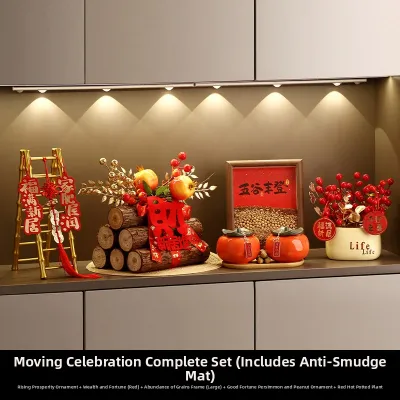
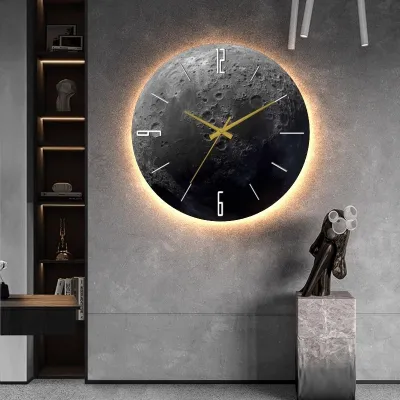
Prices are valid at publication and may change. Please refer to the product page for the latest price.
Finally, assess the environmental conditions of your foyer. In tropical climates or homes with open-concept layouts, entryways are often exposed to high humidity, dust, and fluctuating temperatures. High-traffic zones are also prone to accidental bumps from bags, shoes, and umbrellas. If your entrance is close to an external door or shoe cabinet area, prioritize sturdy, moisture-resistant materials that can handle frequent cleaning and environmental exposure without warping or tarnishing.
Matching Sculpture Styles to Your Interior Architecture
An entrance sculpture should act as a stylistic bridge, connecting the exterior architecture of your home with the interior design of your living spaces. When these elements are aligned, the transition feels intentional and harmonious. For modern, minimalist, or contemporary homes, geometric forms, abstract shapes, and clean lines work exceptionally well. These pieces emphasize negative space and form over intricate detail, complementing the sleek finishes of modern cabinetry and polished flooring.

Conversely, traditional, classical, or transitional homes benefit from representational figurines, detailed busts, or ornate organic sculptures. A classical stone or ceramic bust on a wooden console table establishes a sense of timeless elegance, matching architectural details like crown molding or paneled walls. If your home features an eclectic or mid-century modern aesthetic, look for stylized mid-century metal sculptures or hand-carved wooden figures that introduce texture and character without overwhelming the space.
Choosing between abstract and representational art also influences the visual energy of your foyer. Abstract sculptures invite interpretation and serve as excellent conversation starters, making them ideal for homeowners who want to project a creative, sophisticated atmosphere. Representational pieces, such as botanical shapes or stylized human figures, offer immediate recognition and a sense of familiarity, which can make the entryway feel more grounded and approachable. Whichever style you choose, ensure it reflects the design language of the adjacent rooms so that the foyer does not feel like an isolated showroom.
Selecting Themes and Motifs for a Welcoming Atmosphere
The theme of your entrance decoration sets the emotional tone for everyone who crosses your threshold. Because the entryway is a transitional zone, the motifs you select should evoke feelings of warmth, hospitality, and calm. Nature-inspired themes are universally appealing and highly effective at creating a grounding atmosphere. Sculptures depicting organic forms, such as flowing water, stylized leaves, or gentle animal figures, bring a touch of the outdoors inside, helping to lower stress levels as you return home.
Cultural, symbolic, or heritage-focused figurines can also add deep personal meaning to your entrance. Many homeowners choose symbolic pieces that represent prosperity, protection, or welcome, such as stylized guardian figures, geometric mandalas, or traditional folk art. When selecting these pieces, focus on simplified, elegant interpretations that blend naturally with your overall decor rather than dominating the space.
It is generally wise to avoid overly aggressive, somber, or highly polarizing themes in the entryway. Sculptures with sharp, jagged edges, tense human expressions, or dark, heavy subject matter can inadvertently create an atmosphere of tension or unease. Instead, prioritize soft curves, balanced proportions, and uplifting or neutral motifs. By keeping the thematic elements positive and serene, you ensure that your home immediately feels like a safe, welcoming sanctuary for both residents and guests.
Evaluating Forms, Proportions, and Material Durability
Selecting the right form and material is a balance of aesthetic preference and practical durability. The physical layout of your entryway will largely dictate whether you should opt for a freestanding floor sculpture, a console-sized figurine, or a wall-mounted relief. Floor-standing sculptures require significant visual and physical space to avoid looking like an obstacle, making them best suited for wide foyers or double-height entryways. Console figurines are highly versatile, allowing you to play with height and layering on a tabletop. If floor and table space are limited, wall-mounted sculptural reliefs offer an excellent alternative, adding three-dimensional texture without consuming any footprint.
The material of your sculpture determines not only its appearance but also its longevity and maintenance needs. In entryways where humidity, dust, and sunlight are constant factors, material selection is paramount. Refer to the comparison matrix below to evaluate common decorative materials:
| Material | Weight | Moisture Tolerance | Maintenance Requirements | Best Suited For |
|---|---|---|---|---|
| Resin | Light to Medium | High | Low (Wipe with damp cloth) | High-humidity areas, intricate modern designs |
| Metal (Bronze/Brass) | Heavy | Medium (May tarnish) | Medium (Occasional polishing) | Classical or industrial spaces, high-traffic zones |
| Ceramic / Porcelain | Medium | High | Low (Dusting, fragile if bumped) | Sheltered consoles, minimalist or traditional decor |
| Wood | Light to Heavy | Low (Prone to warping) | Medium (Avoid liquid cleaners, dust regularly) | Warm, organic, or rustic interiors |
Beyond material durability, you must verify the physical stability of any sculpture placed in an entryway. High-traffic zones are prone to vibrations from closing doors, active pets, or rushing family members. Ensure that any tabletop figurine has a wide, heavy base and a low center of gravity to prevent tipping. For taller floor sculptures, look for models that can be weighted at the base or secured discreetly to the wall. If you are displaying a delicate ceramic or glass piece, consider placing it on a recessed shelf or within a protective console tray to minimize the risk of accidental damage.
Planning Placement and Pairing for Your Entrance Display
An entrance sculpture rarely sits in isolation; its visual impact depends heavily on how it is styled and paired with surrounding elements. To create a balanced and professional-looking display, apply fundamental design principles such as the rule of thirds or visual weight balancing. If you are placing a single, dominant sculpture on a console table, position it slightly off-center to create a dynamic, asymmetrical composition. Balance its visual weight on the opposite side of the table with a grouping of smaller items, such as a stack of books or a decorative tray.
Layering is key to making an entryway feel curated rather than staged. Pair your sculpture with complementary textures and heights. For instance, a cold-cast bronze figurine pairs beautifully with the soft, organic texture of a potted plant or a simple ceramic vase. You can also use a shallow decorative tray to anchor smaller figurines, keeping them organized and preventing them from looking scattered.
Lighting is the final element that brings your entrance display to life. Position accent lighting, such as a small table lamp or a directional spotlight, to cast soft shadows that highlight the sculpture’s contours. Ensure that the sightlines from both the front door and the interior hallway are clear. When a guest steps inside, their eyes should naturally travel to the sculpture as a focal point, guiding their gaze smoothly into the rest of your home.
Frequently Asked Questions (FAQ)
How do I clean and maintain entrance sculptures?
Regular maintenance is essential to keep your entrance sculptures looking their best, as entryways naturally accumulate dust and outdoor debris. For routine cleaning, use a dry, lint-free microfiber cloth or a soft-bristled makeup brush to gently remove dust from intricate crevices without scratching the surface. For metal or resin pieces with deep textures, a can of compressed air can safely dislodge dust from hard-to-reach areas. Always check the manufacturer’s care instructions before applying any liquid cleaners, polishes, or water, as harsh chemicals can strip protective sealants or discolor natural wood and stone. If you are dealing with an antique, delicate mixed-media piece, or a valuable artwork with a sensitive patina, avoid DIY cleaning solutions entirely and consult a professional conservator to preserve its value and structural integrity.
What size sculpture is appropriate for a small apartment entryway?
In a compact apartment entryway, maximizing floor space and maintaining visual breathing room are your primary goals. Opt for vertical, elongated sculptures or wall-mounted reliefs that draw the eye upward, creating the illusion of height without consuming valuable floor space. If you have a narrow console table or a floating shelf, select slim, shallow figurines that leave plenty of negative space around them. A good rule of thumb is that the sculpture should occupy no more than one-third of the surface area of the shelf or table. This prevents the entryway from feeling cluttered or cramped. By choosing pieces with clean silhouettes and open, airy forms, you can introduce artistic character while keeping the transition zone feeling light, organized, and spacious.
Community discussion
Share your experience or ask a question. Comments are reviewed before publication.