
Selecting a buddha wooden stand for a multicultural Singapore home requires a thoughtful balance between sacred tradition and contemporary interior design. Whether your living space leans toward a sleek, minimalist condominium aesthetic, a warm and eclectic HDB flat, or a classic colonial-inspired landed property, the base supporting your statue serves as both a physical anchor and a visual bridge. The ideal stand elevates the sacred object, ensuring it receives the respect it commands while harmonizing with your existing furniture, wall colors, and decorative accents. By understanding the interplay of wood species, carving styles, and structural proportions, you can create a serene focal point that honors cultural heritage without disrupting the design flow of your home.
Respecting Cultural Significance and Placement Rules
In many Asian traditions, a Buddha statue is not merely a decorative ornament but a sacred representation of mindfulness, peace, and spiritual awakening. Consequently, the foundation upon which the statue rests carries deep symbolic weight. A dedicated buddha wooden stand is traditionally used to elevate the figure, lifting it above the mundane activities of the household. This elevation is a physical manifestation of respect, ensuring that the statue is positioned thoughtfully within the living environment.
One of the primary rules of placement is maintaining an appropriate height. Ideally, the statue should be positioned so that its base sits at or above eye level when you are seated in the room. This arrangement ensures that anyone in the space looks up toward the figure, which fosters a sense of reverence and calm. Placing a sacred statue directly on the floor is widely considered disrespectful, as it exposes the representation to foot traffic, dust, and low-level household activities. A sturdy wooden stand solves this issue by providing a clear, elevated boundary between the floor and the sacred object.
Products mentioned in this guide
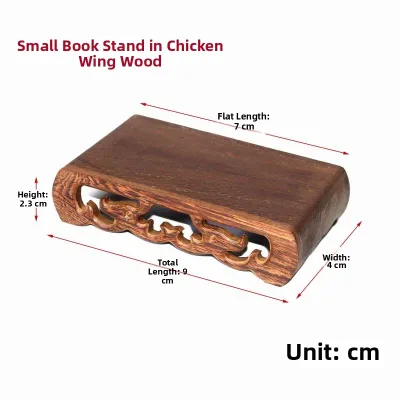
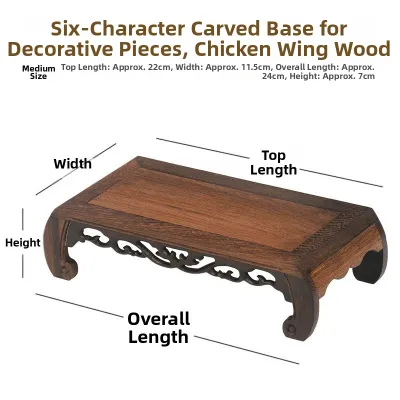

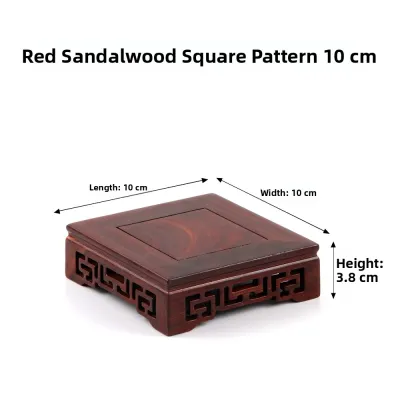
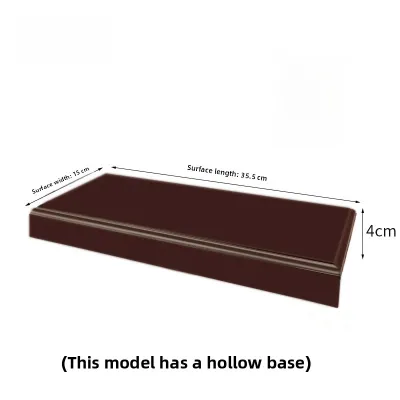
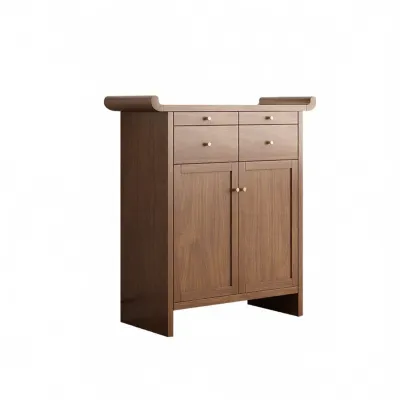
Prices are valid at publication and may change. Please refer to the product page for the latest price.
The location of the stand within your home layout is equally critical. Traditional guidelines advise against placing the statue and its stand in areas associated with hygiene, food preparation, or high-level domestic noise. Bathrooms, kitchens, and utility rooms are unsuitable environments due to both cultural taboos and practical concerns like moisture and grease. Instead, choose a quiet, well-lit corner of your living room, study, or a dedicated altar space where the atmosphere remains peaceful and clean.
Furthermore, the wooden stand must be kept clean and dedicated solely to the statue. It should not double as a general storage shelf, a key drop, or a resting place for everyday household clutter. Surrounding the base with unrelated decorative items, mail, or electronic devices dilutes the spiritual focus of the space. Keeping the stand clear of distractions allows the natural beauty of the wood and the serene presence of the statue to stand out, creating a dedicated zone of tranquility in a busy household.
Matching Wood Styles to Your Home Decor
Singaporean homes showcase a rich tapestry of interior design styles, ranging from heritage-rich Peranakan and colonial themes to ultra-modern, Scandinavian, and Japandi aesthetics. Finding a buddha wooden stand that complements these diverse environments involves analyzing the wood’s color, grain pattern, and overall design complexity. The goal is to create a cohesive look where the stand feels like an organic extension of your home’s architectural character.

For homes featuring traditional, vintage, or colonial-inspired decor, dark and rich woods are highly effective. Species such as teak, rosewood, or dark-stained mahogany offer a grounded, substantial presence that pairs beautifully with antique furniture, warm color palettes, and patterned tiles. These woods often feature deep, intricate grain patterns that add visual weight and historical depth to an altar or display corner. A dark-toned stand acts as a strong visual anchor, particularly for metallic statues made of bronze, brass, or gold leaf, highlighting their luster through high contrast.
Conversely, if your living space embraces modern minimalism, Scandinavian simplicity, or a light-filled Japandi style, a heavy, dark stand might disrupt the visual airiness of the room. In these settings, lighter woods with smooth, matte finishes—such as oak, ash, beech, or light-toned maple—are excellent choices. These materials maintain a sense of spaciousness and simplicity, allowing the natural light of the room to bounce freely. A light wood stand coordinates seamlessly with neutral walls, indoor plants, and clean-lined furniture, ensuring the sacred space feels integrated rather than isolated.
The level of carving on the stand also dictates how well it blends with your decor. Intricate traditional carvings, featuring motifs like lotus petals, clouds, or geometric lattices, bring a sense of classic craftsmanship and cultural authenticity. These detailed designs work exceptionally well in eclectic homes that celebrate diverse cultural artifacts, or in dedicated traditional altars where the carving details mirror classic temple architecture. The texture of carved wood adds a layer of warmth and artistry that can soften a room’s overall look.
For highly contemporary or industrial spaces, however, elaborate carvings might clash with the clean lines of the architecture. In such cases, a plain, geometric block or a multi-tiered stand with sharp, unadorned edges is more appropriate. These minimalist stands rely on the inherent beauty of the wood grain and the precision of their joinery rather than surface ornamentation. A simple, solid block of well-finished wood provides a clean, unobtrusive platform that keeps the viewer’s focus entirely on the statue itself, proving that simplicity can carry immense dignity.
Sizing, Proportions, and Practical Maintenance
Achieving the right visual balance between your Buddha statue and its wooden stand requires careful attention to proportions. A stand that is too small can make the statue look top-heavy and unstable, while an oversized base can overwhelm the figure, diminishing its presence. As a general guideline, the width of the stand should extend at least a few centimeters beyond the widest point of the statue’s base on all sides. This extra margin creates a comfortable visual border, framing the statue elegantly and ensuring it does not appear cramped.
The height of the stand should also be proportional to the statue’s vertical dimensions. For a tall, slender statue, a relatively low, wide pedestal helps ground the composition. For a shorter, seated statue, a taller or multi-tiered stand can provide the necessary elevation to bring the figure to eye level. When planning your layout, consider the overall height of both the stand and the statue combined to ensure the entire assembly fits comfortably within your shelving unit, niche, or tabletop without touching the ceiling or upper shelves.
Beyond aesthetics, physical stability is paramount, especially in active households with children, pets, or frequent visitors. Before purchasing, verify the weight capacity of the wooden stand to ensure it can safely support your statue, particularly if the figure is made of heavy materials like stone, solid bronze, or dense ceramic. The stand must have a low center of gravity and a wide, flat base to prevent any risk of tipping. If you plan to place the stand on a high shelf or a wall-mounted ledge, ensure the supporting structure is securely anchored to the wall studs using appropriate hardware.
Maintaining a wooden stand in Singapore’s tropical climate presents unique challenges due to high ambient humidity and temperature fluctuations. Excess moisture in the air can cause natural wood to warp, swell, or develop mold if left untreated. To protect your investment, look for stands that have been properly seasoned, kiln-dried, and sealed with a high-quality, moisture-resistant finish such as polyurethane, lacquer, or natural wax. These protective coatings create a barrier that slows down moisture absorption, preserving the wood’s structural integrity.
Regular maintenance is simple but essential for longevity. Dust the stand weekly with a soft, dry microfiber cloth to prevent dirt buildup in carved crevices. Avoid using harsh chemical cleaners, abrasive pads, or excessive water, as these can strip the protective finish and damage the wood grain. If the wood begins to look dry or dull over time, apply a small amount of specialized wood conditioner or natural beeswax, buffing it gently along the direction of the grain to restore its natural luster and protective barrier. Keep the stand out of direct, harsh sunlight to prevent uneven fading or cracking.
A Buyer's Checklist for Your Ideal Stand
Shopping for a buddha wooden stand, whether through local decor boutiques or online marketplaces, requires a systematic approach to ensure you receive a high-quality product that fits your specific needs. Because wood is a natural, variable material, paying close attention to product specifications and construction details will help you avoid common purchasing pitfalls. Use the following step-by-step checklist to guide your decision-making process:
- Measure the Footprint: Use a precise measuring tape to record the exact width, depth, and weight of your Buddha statue's base. Compare these measurements against the top surface dimensions of the stand, ensuring there is a comfortable margin of safety on all sides.
- Assess the Joinery: Examine the construction details of the stand. High-quality wooden furniture often utilizes traditional joinery techniques, such as mortise-and-tenon joints, which offer superior durability and strength compared to pieces held together solely by nails or cheap adhesives.
- Verify the Wood Treatment: Read the product description carefully to confirm that the wood has been kiln-dried and treated for tropical climates. This step is crucial for preventing future warping, cracking, or pest infestations once the stand is placed in your home.
- Check the Finish Type: Determine whether the stand has a matte, satin, or high-gloss finish. A matte or satin finish typically highlights the natural texture of the wood grain, while a high-gloss finish offers a more reflective, formal appearance that may require more frequent dusting.
- Review Shipping and Packaging Protections: Solid wood items can be heavy and susceptible to denting or scratching during transit. If ordering online, verify that the seller uses robust packaging, such as thick foam padding and sturdy corner protectors, and check their return policy in case of transit damage.
- Confirm Return Policies: Ensure the retailer offers a clear return or exchange window. This protection is valuable if you find that the wood tone does not match your existing furniture as expected once you place it in your home's unique lighting conditions.
Frequently Asked Questions (FAQ)
Is it appropriate to use a reclaimed or upcycled wood stand?
Using reclaimed or upcycled wood for a buddha wooden stand is entirely appropriate and highly aligned with principles of mindfulness and environmental stewardship, provided a few conditions are met. From a cultural perspective, it is important to consider the wood’s previous history. Wood salvaged from respectful sources, such as old homes, temples, or clean structural beams, carries a beautiful sense of history and continuity. However, avoid wood that was previously used in areas associated with waste, chemicals, or disrespectful activities. From a practical standpoint, inspect reclaimed wood thoroughly for structural integrity, ensuring there are no signs of active wood-boring pests, rot, or deep-seated moisture. Sanding the wood down and applying a fresh, protective sealant will ensure it is clean, safe, and ready to serve as a dignified base for your statue.
Should the wooden stand have a lip or edge to secure the statue?
Whether to choose a stand with a raised lip or a completely flat surface depends on your statue’s design and your household environment. A stand with a slight raised edge or lip offers excellent functional benefits, particularly in active households. The lip acts as a physical barrier that prevents the statue from accidentally sliding off the base during routine dusting, cleaning, or minor household vibrations. This feature is especially useful for lightweight statues made of wood, resin, or hollow ceramic. However, if you choose a stand with a lip, you must ensure that the inner dimensions of the recessed area match your statue’s footprint perfectly. If the statue’s base is slightly too large, it will sit unevenly on top of the lip, compromising its stability. For heavy stone or metal statues that are unlikely to shift, a flat-topped stand is often preferred as it allows for a clean, seamless visual transition.
Community discussion
Share your experience or ask a question. Comments are reviewed before publication.