
Selecting a Ganpati rat figurine—traditionally known as the Mushak or Mooshika—for your home altar requires balancing spiritual significance, material durability, and spatial harmony. As the beloved mount (vahana) of Lord Ganesha, this small but vital figure represents the control over wandering desires and the human intellect. To find a suitable piece for your sacred space, you must evaluate its iconographic details, choose a material that withstands your local climate, and ensure its proportions complement your main Ganesha idol.
Key Design Elements and Iconography
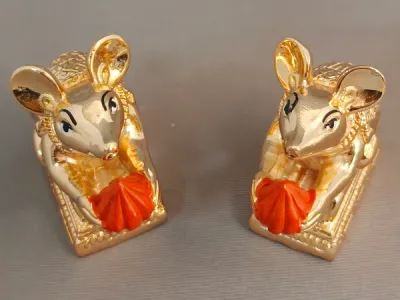
The posture of the Mushak carries deep symbolic meaning. The most common traditional posture depicts the rat sitting attentively on its hind legs, looking up toward Lord Ganesha with its hands folded in prayer (anjali mudra) or holding a sweet modak close to its chest. This posture symbolizes devotion, alertness, and the offering of one’s desires to the divine. Another variation shows the rat in a dynamic, moving stance, ready to carry the deity, which represents swift action and the overcoming of obstacles.
When choosing between realistic and stylized designs, consider the primary purpose of your altar. Highly stylized, artistic, or minimalist figurines often feature smooth, flowing lines and simplified shapes, making them excellent choices for modern home decor or contemporary altars. Conversely, traditional, realistic figurines emphasize intricate details, such as textured fur, expressive eyes, and ornate jewelry, which are highly suited for formal worship and traditional puja setups.
Products mentioned in this guide
Prices are valid at publication and may change. Please refer to the product page for the latest price.
A complete and auspicious Mushak figurine should feature specific iconographic details. Check that the tail is gracefully curved, often pointing upward or wrapped neatly around the base, as a broken or missing tail is considered inauspicious in traditional practices. The ears should be prominent and alert, symbolizing the ability to hear the prayers of devotees and convey them to Lord Ganesha. Additionally, look for accompanying symbols, such as a small bowl of modaks placed in front of the figurine, which enhances the traditional narrative of the mount serving the deity.
Comparing Materials for Altar Use
For daily rituals and formal worship, traditional metals like brass and bronze remain highly favored choices. These metals are durable, heavy, and capable of withstanding daily ritual bathing (abhishekam) with water, milk, honey, or panchamrit. Over time, brass and bronze develop a natural patina that many find aesthetically pleasing, though they can also be polished regularly to maintain a bright, golden luster. Ensure any metal figurine you select is solid rather than hollow if you plan to perform regular liquid offerings, as hollow castings can trap moisture and corrode from the inside.

Resin and polyresin have become popular modern alternatives for dry display and decorative altars. These materials allow for incredibly fine, intricate details and can be painted to mimic the appearance of stone, wood, or metal at an accessible price point. However, resin is lightweight and fragile; it can chip or crack easily if dropped, and it is not suitable for ritual bathing or exposure to high heat from nearby oil lamps (diyas) or incense.
Natural materials such as wood, marble, and stone offer a unique, organic aesthetic but come with specific care limitations, particularly in humid tropical environments. Unsealed wood can warp, crack, or attract mold when exposed to high humidity or accidental moisture from ritual offerings. Marble and soft stones are highly elegant but porous, meaning they can stain permanently if they come into contact with turmeric, kumkum, or oils used during worship. If you choose a natural stone or wooden figurine, ensure it is properly sealed with a protective, non-reactive coating.
Regardless of the material, evaluating the weight and base stability of the figurine is crucial for safe placement. A top-heavy figurine or one with an uneven base can easily tip over, potentially damaging other sacred items on your altar. Heavy metal or solid stone figurines provide excellent stability, ensuring they remain securely in place even if the altar shelf is accidentally bumped.
Sizing and Spatial Harmony on the Altar
Achieving the correct scale relative to your primary Ganesha murti (idol) is essential for maintaining visual and spiritual hierarchy on your altar. The Mushak is the mount and servant of Lord Ganesha, so the figurine should always be smaller and less visually dominant than the main deity. A common guideline is to select a rat figurine that is approximately one-third to one-fourth the height of the Ganesha idol, ensuring it sits comfortably at the deity’s feet without overshadowing the central focus of worship.
Before purchasing, carefully measure the available shelf depth and height clearance within your home mandir or altar setup. Compact apartment altars often have limited space, and adding a new figurine can quickly lead to crowding. Ensure there is sufficient clearance around the figurine so that it does not touch the walls of the mandir or interfere with the placement of essential ritual items.
Balance the visual weight of the rat figurine with other altar accessories, such as diyas, incense holders, bells, and offering bowls. A well-organized altar should have a clear flow, with each item having its designated space. Placing the Mushak slightly to the side or directly in front of the Ganesha idol’s base helps create a harmonious composition, preventing the altar from looking cluttered or disorganized.
Inspecting Craftsmanship and Structural Quality
When inspecting a figurine, pay close attention to the quality of its surface finish. For metal pieces, look for a uniform polish or an evenly applied antique patina, ensuring there are no dark spots, discoloration, or rough patches. For painted resin or wooden figurines, check that the colors are applied neatly within the lines, without smudging, bleeding, or patchy coverage that indicates hasty manufacturing.
Carefully examine the figurine for common casting or molding defects. In mass-produced resin or metal pieces, look along the sides for prominent seam lines, which detract from the figurine’s aesthetic appeal. Check for tiny air bubbles, pits, or rough edges on the surface, as these imperfections can weaken the structure over time and collect dust or moisture, making cleaning difficult.
Assess the structural integrity of delicate, protruding parts such as the whiskers, tail tip, and ears. These areas are highly susceptible to damage during handling, shipping, or cleaning. Ensure that these thin sections are sufficiently thick and well-integrated into the main body of the figurine rather than being fragile, paper-thin extensions that could easily snap off.
Verify that the base of the figurine is completely flat and level. Place the figurine on a smooth, flat surface and gently press on different sides to check for any wobbling. A stable, non-wobbling base is essential not only to prevent the figurine from falling but also to protect the delicate surface of your altar shelf from scratches caused by uneven metal or stone edges.
Purchasing Channels and Pre-Buy Verification
Navigating where to buy your Ganpati rat figurine involves choosing between specialty religious decor stores and general online marketplaces. Specialty stores often source their items from traditional artisans, offering higher-quality materials and authentic designs. Online marketplaces provide convenience and a wider variety of styles, but they require extra vigilance to ensure you are receiving a genuine product rather than a cheap imitation.
Always verify material claims before finalizing your purchase. If a listing claims a figurine is made of solid brass, check the weight specification; a genuine solid brass figurine of moderate size should feel noticeably heavy, whereas a brass-plated plastic or resin piece will be light. If you are purchasing a handmade or artisanal piece online, do not hesitate to ask the seller for unedited photos or a short video of the exact item you will receive to confirm its quality and finish.
Review the seller’s return policies and shipping options carefully, especially when ordering fragile materials like resin, glass, or delicate stone. Ensure the seller uses secure packaging, such as custom-cut foam or thick bubble wrap, to protect the figurine during transit. When budgeting, factor in the cost of shipping and any potential taxes, keeping in mind that high-quality, hand-cast brass figurines typically range from S$30 to S$120 depending on their size and complexity.
Be on the lookout for red flags when browsing online listings. Vague material descriptions, such as “metal-like finish” or “stone-mix,” often disguise low-grade plastics or composite materials. Missing dimensions are another warning sign; always look for precise measurements of height, width, and depth rather than relying solely on close-up product photos, which can make a tiny figurine appear much larger than it actually is.
Basic Care and Maintenance
To preserve the beauty and structural integrity of your Ganpati rat figurine, establish a gentle, routine cleaning schedule. Dust the figurine at least once a week using a soft-bristled makeup brush, a clean paint brush, or a dry microfiber cloth. This prevents dust from accumulating in the intricate crevices of the design, which can be difficult to remove later and may dull the figurine’s finish.
Apply material-specific cleaning methods to avoid damaging the figurine. For brass or bronze pieces, use a specialized metal polish or a traditional mixture of tamarind paste and water to restore shine, ensuring you rinse and dry the piece thoroughly afterward. Avoid using harsh chemical cleaners, abrasive pads, or acidic substances on painted resin, lacquered wood, or polished marble, as these can strip away protective coatings, fade paint, or etch the natural stone.
Practice safe handling whenever you clean or rearrange your altar. Always lift the figurine by its solid base rather than grasping it by delicate parts like the ears, tail, or hands. Place a soft towel on the counter or floor below your cleaning area to cushion the impact in case the figurine accidentally slips from your hands, minimizing the risk of chips, cracks, or breakage.
Frequently Asked Questions (FAQ)
Should the Ganpati rat face a specific direction?
In traditional home altar setups, the Mushak is typically placed facing toward Lord Ganesha, symbolizing its constant readiness to serve the deity and listen to his commands. Some traditions suggest placing the rat so that it faces the entrance of the home or the main prayer area, acting as a guardian and welcoming positive energy. Because placement rules can vary significantly based on regional customs and specific sectarian traditions, it is always highly recommended to consult your family priest or follow your established family lineage guidelines for the exact orientation on your altar.
Is it necessary to place the rat figurine if I already have a Ganesha idol?
Placing a separate rat figurine is not strictly necessary if your primary Ganesha idol already features the Mushak carved or cast into its base. Many traditional Ganesha murtis include a small representation of the rat near the deity’s feet or on the pedestal. However, adding a standalone Mushak figurine is a beautiful way to enhance your altar’s devotional atmosphere and express personal devotion. If your main idol does not depict the mount, or if you have a spacious altar and wish to create a more complete traditional scene, a separate figurine is a wonderful addition, provided you have the space to accommodate it without crowding the altar.
Community discussion
Share your experience or ask a question. Comments are reviewed before publication.