
When a sudden power outage occurs in a Singapore HDB flat, having a reliable emergency light can mean the difference between a calm transition and a hazardous scramble in the dark. The ideal 18650 emergency light for an HDB flat balances compact physical dimensions, sufficient brightness to illuminate narrow corridors, and a robust battery management system with built-in safety protections. Because HDB layouts feature dense concrete walls and specific spatial constraints, selecting a light with the right form factor, mounting capability, and charging interface ensures your household remains safe and functional during unexpected blackouts.
Identifying Your HDB Lighting Needs During Outages
Power outages in HDB flats are typically localized and short-lived, often triggered by a tripped residual current circuit breaker (RCCB) in the home’s distribution board (DB) box or scheduled electrical maintenance. While these blackouts rarely last more than a few hours, they instantly plunge windowless areas—such as household shelters, bathrooms, and central corridors—into complete darkness. Understanding these triggers helps you determine how many lights you need and where they should be positioned to maintain basic visibility.
To prepare effectively, you must identify the primary zones in your flat that require immediate illumination. The living and dining areas serve as the central gathering points where family members can wait out the outage safely. Corridors and transitional spaces require clear pathfinding light to prevent trips and falls, especially in households with elderly residents or young children. Meanwhile, utility areas like the kitchen and bathrooms require targeted lighting to allow safe handling of water taps, gas stoves, or personal hygiene tasks.
Products mentioned in this guide

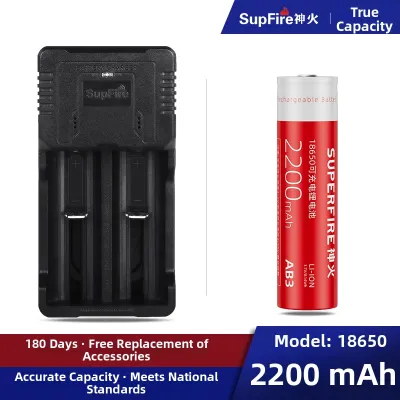
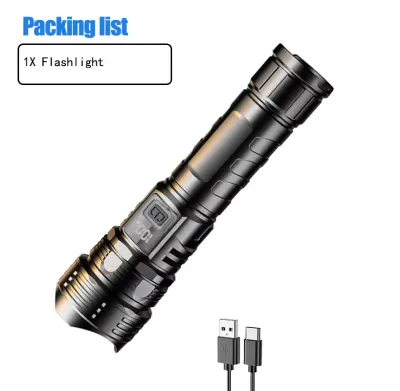
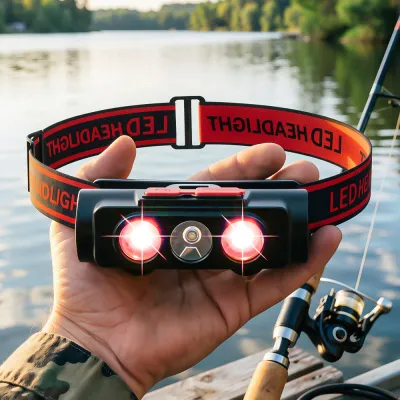
Prices are valid at publication and may change. Please refer to the product page for the latest price.
When planning your emergency setup, differentiate between stationary emergency lighting and portable task lighting. Stationary lights are designed to remain fixed to a wall or ceiling, automatically illuminating the space or providing a broad, hands-free wash of light the moment the power cuts out. Portable task lights, such as handheld torches or detachable lanterns powered by 18650 cells, allow you to move safely between rooms, inspect the DB box, or perform delicate tasks. A balanced HDB emergency plan incorporates both types to cover all scenarios.
Matching Brightness and Form Factor to HDB Rooms
Selecting the right brightness level, measured in lumens, prevents under-illuminating large spaces or blinding yourself in smaller rooms. For open-concept HDB living and dining rooms, look for emergency lights that offer between 300 and 500 lumens to provide adequate ambient coverage across the entire space. In contrast, confined areas such as bathrooms, walk-in wardrobes, or household shelters only require 100 to 200 lumens to achieve comfortable visibility without creating harsh, bouncing glare off tiled or painted surfaces.

The physical form factor of the light must also align with your flat’s layout and typical ceiling heights, which generally range from 2.6 to 2.8 meters. Wall-mounted emergency lights with wide-angle lenses or dual adjustable lamp heads are excellent for high placement in living rooms, as they cast light downward over a wide area. Foldable or hanging lanterns are highly versatile for dining tables or kitchen countertops, while slim, handheld wand-style lights fit easily into shallow drawer spaces or narrow corridor niches.
Color temperature is another critical factor that influences comfort and usability during an extended outage. While cool white light (6000K to 6500K) provides high contrast and is excellent for task-oriented activities like reading instructions or checking electrical panels, it can feel harsh and clinical over several hours. Warm white (2700K to 3000K) or neutral white (4000K) light is often preferred for general living areas because it reduces eye strain and creates a calmer, more comfortable atmosphere for family members waiting for the power to return.
Evaluating 18650 Battery Runtime and Charging
The heart of these emergency lights is the 18650 lithium-ion battery, a standard cell size known for its high energy density and reliability. When evaluating these devices, check the battery capacity label, which is measured in milliampere-hours (mAh). A higher capacity cell, such as a 2600mAh or 3400mAh battery, theoretically provides longer runtimes, but the actual duration depends heavily on the light’s power draw and brightness setting. To estimate runtime, verify the manufacturer’s specifications for different brightness modes; a standard 18650 light should ideally run for at least 3 to 5 hours on a medium setting.
You must also choose between built-in battery designs and user-replaceable 18650 cells. Emergency lights with built-in batteries offer a sealed, plug-and-play solution but must be discarded or professionally serviced once the battery degrades over several years of standby charging. Devices with user-replaceable battery compartments allow you to swap out degraded cells easily or keep spare, pre-charged 18650 batteries on hand for prolonged emergencies, though they require you to handle and store the individual cells safely.
Modern emergency lights should feature standard charging interfaces, with USB-C being the preferred choice for compatibility with existing phone chargers and power banks. It is vital to verify that the device includes built-in protection circuits to prevent overcharging, over-discharging, and short circuits, as emergency lights often remain plugged into the wall indefinitely. When purchasing, check for recognized electrical safety certifications on the charging adapter and the device itself to ensure they meet local safety standards and prevent fire hazards.
Safe Placement and Mounting in HDB Flats
Proper placement of your emergency lights maximizes their effectiveness while keeping your living spaces tidy and safe. Mount stationary emergency lights above eye level, typically between 1.8 and 2.1 meters high, to ensure the light spreads downward and outward across the room without shining directly into your eyes. Position them near key transition points, such as right outside the bathroom door, next to the DB box, or along the main corridor leading to the bedrooms.
Mounting methods must be chosen carefully to avoid damaging standard HDB wall finishes, which often consist of painted plaster or concrete. For lightweight emergency lights, high-quality double-sided adhesive strips can secure the device without drilling, provided you verify the weight limits and clean the wall surface thoroughly before application. For heavier, dual-lamp emergency fixtures, screw-mounting into the wall using wall plugs is highly recommended; always use a stud finder or consult your home’s layout plan to avoid drilling into hidden electrical conduits or water pipes.
Safety boundaries must be strictly observed when positioning these devices, particularly regarding moisture and heat. Avoid mounting standard emergency lights in high-humidity zones like the immediate shower area of a bathroom or directly above a kitchen stove, as steam and grease can penetrate the housing and cause electrical short circuits. If you must place a light in a damp area, ensure it has a verified ingress protection (IP) rating of at least IPX4, and always isolate the power supply before performing any installation or maintenance work.
Frequently Asked Questions (FAQ)
Can I use standard 18650 batteries from other devices in my emergency light?
You should only use standard 18650 batteries if they match the exact specifications required by your emergency light, including chemistry, voltage, and physical dimensions (such as button-top versus flat-top designs). Many consumer electronics use unprotected 18650 cells, whereas emergency lights often require protected cells that feature an integrated circuit board to prevent overcharging and over-discharging. Never use damaged, dented, or salvaged cells from old laptop battery packs, as mismatched or degraded lithium-ion batteries pose a severe risk of thermal runaway and fire.
How often should I test my emergency light to ensure it works during a blackout?
It is best practice to test your emergency lights at least once every three months to ensure the battery holds a charge and the switching mechanism functions correctly. To test, disconnect the device from its charging source and let it run on battery power for about ten to fifteen minutes, observing if the light output remains stable or dims rapidly. Additionally, perform a full discharge and recharge cycle once a year to help maintain battery health and calibrate any low-battery indicators or status lights on the device.
Are motion-sensor emergency lights practical for HDB corridors and bathrooms?
Motion-sensor emergency lights are highly practical for narrow HDB corridors and bathrooms, as they provide hands-free illumination the moment you step into the space. These devices typically utilize passive infrared (PIR) sensors, which detect changes in heat and movement to trigger the light. However, keep in mind that in complete darkness, you may need to get closer to the sensor’s field of view to trigger it, so ensure the light is mounted in an unobstructed position where it can easily detect entry into the room.
Community discussion
Share your experience or ask a question. Comments are reviewed before publication.