
Creating a serene and sacred space for daily worship on a home Buddhist altar in Singapore requires a thoughtful balance between spiritual devotion and practical home management. In the typical compact layout of modern apartments, such as HDB flats, the choice of altar lighting directly impacts both the indoor air quality and the physical safety of your living space. Selecting the right butter lamps and scented candles involves evaluating material purity, burn characteristics, and safety features to ensure your daily offerings remain a source of peace rather than a household hazard. By focusing on clean-burning ingredients and appropriate scent profiles, you can maintain a respectful altar that harmonizes beautifully with your home environment.
Core Selection Criteria for Altar Butter Lamps and Candles
When establishing baseline quality standards for daily worship lighting, the purity of the wax or oil is your primary consideration. Traditional butter lamps are highly revered for their symbolic purity, but low-grade options often contain paraffin or unrefined fats that release heavy black soot and volatile organic compounds into your home. To minimize indoor air pollution, look for products made from 100% pure vegetable oil, premium beeswax, or high-grade soy wax. These natural bases burn significantly cleaner, preserving the cleanliness of your altar walls and protecting the respiratory health of your household.
The construction of the wick plays an equally critical role in maintaining a stable, flicker-free flame. A high-quality wick, typically made of tightly braided cotton or paper fibers, supports steady combustion without requiring constant trimming or adjustment. Avoid wicks with metal cores, such as lead or zinc, which can emit harmful metallic particles when burned. A well-designed wick ensures that the flame remains calm and consistent, which is essential for maintaining a meditative atmosphere during your daily prayers.
Products mentioned in this guide
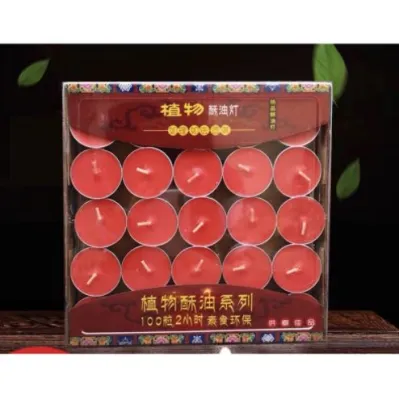
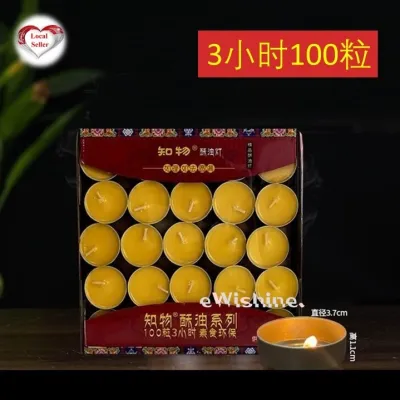
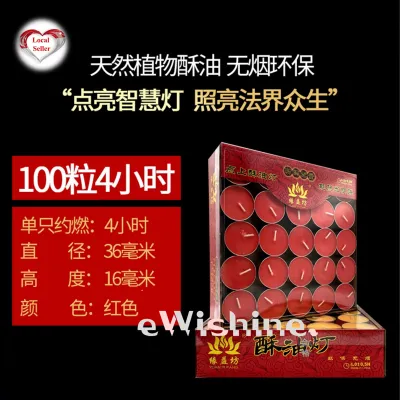
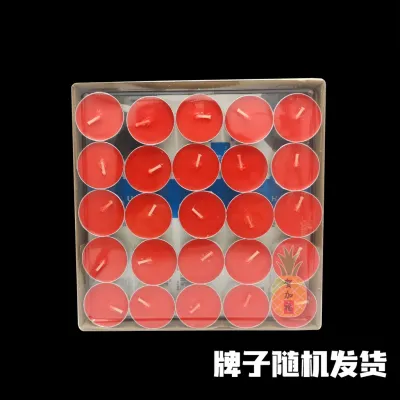
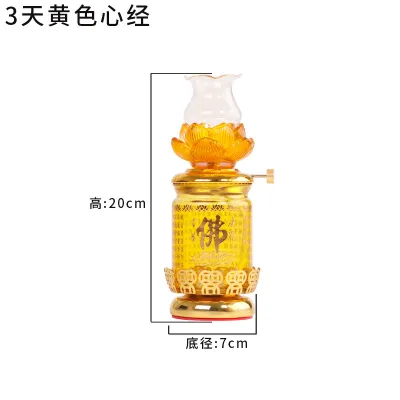
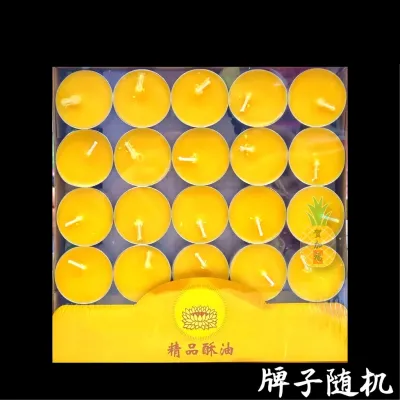
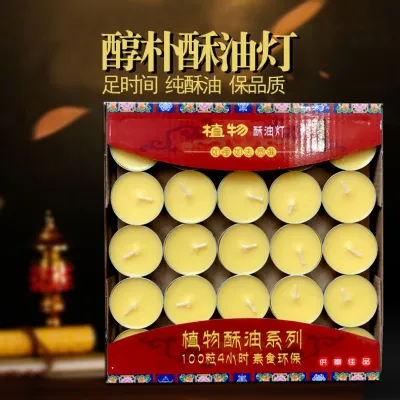
Prices are valid at publication and may change. Please refer to the product page for the latest price.
Burn time consistency and complete combustion are key indicators of a well-manufactured candle or lamp. Inferior products often suffer from tunneling, where the flame burns down the center of the wax, leaving a thick outer ring wasted and creating a deep well that eventually drowns the wick. A high-quality butter lamp or candle is formulated to melt evenly across the entire surface, ensuring that the product burns completely to the bottom without leaving excessive residue or wasting precious materials.
In Singapore’s warm tropical climate, the melting point of the wax is a crucial factor that is often overlooked. Standard waxes with very low melting points can soften, deform, or even leak from their containers when stored or displayed in rooms without active air conditioning. When selecting candles or solid butter lamps, verify that the wax formulation is designed to withstand warm indoor temperatures. This prevents premature melting, structural collapse, or oil separation, ensuring that your offerings remain pristine and structurally sound even on the warmest afternoons.
Choosing Appropriate Scent Profiles for Worship
Selecting the right fragrance for your home altar is a delicate process that should respect traditional Buddhist practices while ensuring the comfort of everyone in your household. Traditional scents like sandalwood and agarwood have been used for centuries to purify the air and prepare the mind for meditation. Floral notes such as lotus and jasmine are also highly appropriate, offering a light, uplifting aroma that complements the sacred nature of the space. These classic scents help establish a focused, tranquil environment that naturally aids in mindfulness and contemplation.

It is generally wise to avoid overly sweet, heavy, or intensely synthetic fragrances on a home altar. While modern aromatherapy offers a vast array of gourmand or highly perfumed options, these complex scents can easily cause olfactory fatigue or headaches when burned daily in enclosed spaces. A sacred offering should feel clean and unobtrusive, rather than overwhelming the senses or competing with the natural ventilation of your living area.
Before introducing any scented candle or lamp to your altar, consider the specific sensitivities of your household members, including children, elderly relatives, and pets. Many common pets, particularly cats and dogs, have highly sensitive respiratory systems and can experience distress or toxicity from certain concentrated scents. Ensure that the scent throw—the strength of the fragrance as it disperses through the room—is moderate and that your altar room has adequate ventilation to allow fresh air to circulate continuously.
When evaluating product labels, learn to distinguish between naturally derived essential oil blends and synthetic fragrance oils. High-quality candles often utilize pure essential oils extracted from plants, which offer a more subtle and authentic aromatic experience. Synthetic fragrance oils are not inherently unsafe, but they require careful scrutiny to ensure they are formulated specifically for clean burning and do not release harsh chemical byproducts when exposed to an open flame.
Fire Safety and Placement for Indoor Altars
Integrating open-flame lighting into modern, compact urban living spaces demands a rigorous approach to fire safety. When positioning your butter lamps or candles on the altar, maintain a safe clearance distance of at least one meter from any combustible materials, including curtains, window treatments, paper offerings, and wooden decorative panels. Because many home altars are built into recessed wall niches or positioned beneath low wooden shelves, always ensure there is ample vertical clearance to prevent rising heat from scorching or igniting the surfaces above.
The choice of holders and accessories is your primary defense against accidental spills and heat damage. Always place your butter lamps and candles in stable, non-combustible holders made of heavy brass, ceramic, or thick tempered glass. To protect the delicate wood or lacquer finish of your altar table, place a wide, heat-resistant drip tray or stone tile beneath the holders. This tray will catch any stray wax drips, contain accidental overflows, and prevent the intense heat from the base of the lamp from transferring directly to the furniture.
Airflow management is another critical factor in preventing flare-ups and uneven burning. In Singapore, where ceiling fans, standing fans, and air conditioning units are frequently in use, drafts can easily cause a candle flame to flicker violently, bend sideways, or flare up unexpectedly. Position your altar away from the direct path of air currents, or use protective glass chimneys around your butter lamps to shield the flame. This not only ensures a safer, more controlled burn but also prevents hot wax from being blown onto surrounding surfaces.
Finally, establish a strict and consistent routine for managing your altar flames. Never leave an open flame unattended, even for a few minutes; if you must leave the room or go to sleep, extinguish the lamps using a proper candle snuffer rather than blowing them out, which can scatter hot wax and create unnecessary smoke. As a fundamental safety precaution for any home utilizing open flames, keep a certified domestic fire extinguisher or a fire blanket easily accessible near the altar area, and ensure that all family members know how to use them in an emergency.
How to Verify Brand Reliability and Sourcing Channels
In the absence of a single, universally recognized brand ranking for altar lighting, consumers must rely on practical verification methods to identify high-quality, trustworthy products. Start by carefully reading the ingredient lists on product packaging or manufacturer websites. Reliable brands are transparent about their formulations, clearly stating the specific types of wax used—such as soy, beeswax, or palm wax—and the origin of their fragrances. Avoid products that use vague terms like “organic wax blend” or “natural perfume” without further clarification, as these often mask cheap paraffin bases or synthetic additives.
Look for relevant safety testing marks or compliance labels on the packaging, which indicate that the product has undergone standardized testing for clean burning and structural integrity. While religious supply items do not always carry standard consumer electronics certifications, reputable manufacturers often seek independent laboratory testing to verify that their candles are free from heavy metals, phthalates, and excessive soot production. Checking for these indicators of quality control can give you greater peace of mind regarding the safety of daily use.
When deciding where to purchase your altar supplies, compare the advantages of specialized religious supply shops with general home decor or aromatherapy brands. Traditional religious shops often offer authentic butter lamps and oils formulated specifically for Buddhist rituals, but they may not always provide detailed ingredient disclosures. Conversely, premium home decor and aromatherapy brands typically offer highly transparent ingredient lists and rigorous safety standards, though you will need to carefully select from their product lines to find scents and formats that align with traditional altar etiquette.
Navigating online marketplaces requires a cautious and systematic approach to avoid low-quality, unbranded bulk items that may pose safety risks. Filter your searches for verified sellers, official brand stores, or highly rated local distributors who specialize in altar supplies. Read detailed user reviews specifically looking for feedback regarding soot production, wick stability, and scent accuracy, rather than relying solely on overall star ratings. If a product listing lacks clear specifications regarding wax type, dimensions, or safety instructions, it is best to pass it by in favor of a transparent, well-documented alternative.
Frequently Asked Questions (FAQ)
Can I use standard decorative scented candles on a Buddhist altar?
Yes, you can use high-quality decorative scented candles on a Buddhist altar, provided you select appropriate scent profiles and clean-burning materials. Many premium decorative candles are made from pure soy or beeswax and feature calming, natural fragrances like sandalwood or jasmine, making them excellent alternatives to traditional altar candles. However, you should avoid decorative candles with overly sweet, fruity, or complex perfume blends that do not align with the serene atmosphere of worship. Additionally, ensure that the candle’s container is stable, heat-resistant, and fits safely within your altar’s layout without creating a tipping hazard.
How should I store unused butter lamps and candles in a humid climate?
To preserve the quality and performance of your unused butter lamps and candles in Singapore’s humid, tropical climate, proper storage is essential. Store your supplies in a cool, dry cupboard away from direct sunlight, which can cause natural waxes like soy and beeswax to soften, discolor, or lose their fragrance. To protect them from high humidity and dust accumulation, place the candles or butter lamps inside airtight plastic containers or resealable silicone bags. If you are storing solid butter lamps, keeping them in a temperature-controlled room or a cool pantry prevents the oils from separating or sweating, ensuring they burn beautifully when placed on your altar.
Community discussion
Share your experience or ask a question. Comments are reviewed before publication.