
Selecting the right cove lighting for a Singapore HDB flat with a standard 2.6-meter ceiling height requires shifting your focus from sheer brightness to physical proportions and optical control. In a compact space with limited vertical clearance, choosing a brand is not about finding the highest light output, but about identifying manufacturers that offer ultra-slim profiles, low-lumen options, and high-density LED configurations. The ideal cove light brand for a low ceiling must provide highly customizable, low-profile fixtures that integrate seamlessly into shallow false ceilings without compressing the room or creating harsh, localized glare.
To achieve a soft, even glow rather than a series of distracting hot spots, you must evaluate brands based on their technical specifications, driver reliability, and physical dimensions. Because a 2.6-meter ceiling leaves very little room for error, standard off-the-shelf LED strips often fail to deliver the desired aesthetic. Instead, you need to look for brands that specialize in architectural-grade, slim-profile linear lights or high-density LED strips paired with high-quality diffusers. This guide provides a comprehensive framework to help you navigate these technical requirements, evaluate local brand offerings, and ensure your installation complies with Singapore’s housing and electrical standards.
Understanding the 2.6m Ceiling Constraint for Cove Lighting
A standard HDB ceiling height of 2.6 meters imposes strict physical and optical limits on any interior lighting design. When you install a false ceiling or a L-box structure to house cove lights, you inevitably lower a portion of the ceiling, which can make the room feel cramped if the proportions are incorrect. Bulky or deep light fixtures require larger, deeper coves, which drop the ceiling level even further and visually compress the living space. To maintain an airy, spacious feel, the cove structure must be as shallow and unobtrusive as possible, which in turn demands exceptionally slim lighting fixtures.
Products mentioned in this guide
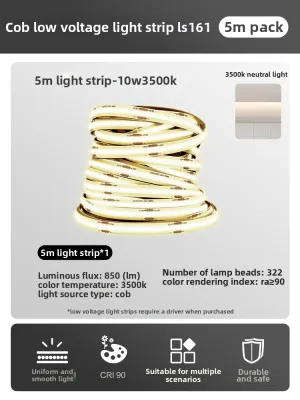
![[SG seller] Premium COB LED Light Strip 5M 12V Cove light | Goldberg Home](https://img.lazcdn.com/g/p/5ff63324e2c6835fa2ed4000e285da60.png_400x400q80.png_.webp)
![[Bundle Deal] Philips LED T5 Batten for Cove Light/ Cabinet Lighting/ Study table light](https://img.lazcdn.com/g/p/0dbafdf8b9dd3fd5db0c369b09aca4c5.jpg_400x400q80.jpg_.webp)
Prices are valid at publication and may change. Please refer to the product page for the latest price.
The short distance between the cove recess and the ceiling surface also dramatically affects how light behaves. In high-ceiling properties, light has ample space to spread and disperse, creating a soft, uniform wash across the plaster. In a 2.6-meter HDB flat, however, the light source sits only a few centimeters from the ceiling surface. This close proximity means that wide-angle or unshielded LEDs will project intense, concentrated patches of light—known as hotspots—directly above the fixture, leaving the rest of the ceiling in shadow. To prevent this uneven, patchy effect, the chosen lighting brand must offer precise beam angles or high-density LED arrangements that encourage immediate light blending.
Heat dissipation is another critical factor that is frequently overlooked in low-ceiling installations. Shallow cove recesses naturally restrict airflow, creating micro-environments where heat can quickly build up around the light fixtures. Excessive heat is the primary enemy of LED longevity and driver stability, often leading to premature dimming, color shifting, or complete component failure. When selecting a brand, you must look for products engineered with efficient thermal management, such as aluminum profiles that act as heat sinks, to ensure the fixtures can operate safely within confined, shallow spaces.
Key Specifications to Check Before Choosing a Brand
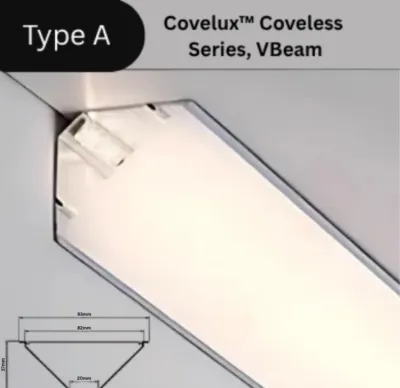
Before committing to any specific lighting brand, you must carefully analyze the physical and electrical specifications of their product lines to ensure compatibility with a 2.6-meter ceiling. The first dimension to verify is the overall height and width of the light fixture, including any mounting brackets or aluminum profiles. For a low-ceiling HDB flat, the ideal fixture height should not exceed 15 to 20 millimeters. This ultra-slim profile allows you to minimize the depth of the false ceiling drop, preserving as much vertical living space as possible while still leaving sufficient clearance for the light to escape and wash the ceiling.

Light output, measured in lumens per meter, must be carefully calibrated to avoid overwhelming a compact room. High-power LED strips designed for commercial spaces or double-volume ceilings will produce an uncomfortable, blinding glare when reflected off a low 2.6-meter ceiling. For residential HDB applications, look for brands that offer low-to-medium output options, typically ranging between 400 and 800 lumens per meter. This range provides a gentle, ambient glow that enhances the room’s atmosphere without causing visual fatigue or competing with your primary task lighting.
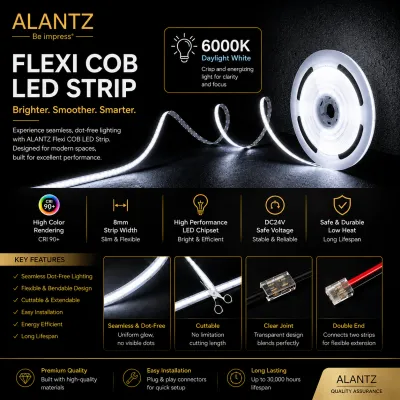
The quality of the diffuser is another non-negotiable specification when the ceiling is close to the light source. Cheap, clear plastic covers or bare LED strips will project individual, pixelated dots of light onto your ceiling, ruining the seamless wash effect. To eliminate these visible reflections, prioritize brands that supply high-density frosted or opal polycarbonate diffusers. These specialized covers scatter the light evenly as it exits the profile, blending the individual LED chips into a single, continuous line of light even when the fixture is mounted close to the reflecting surface.
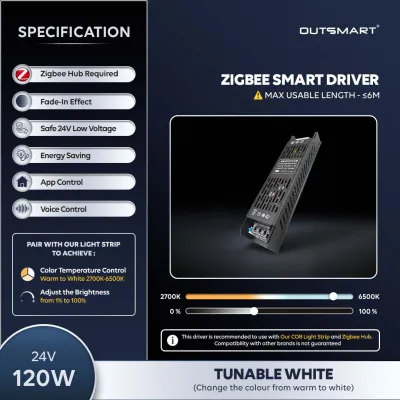
Finally, you must verify the electrical specifications, starting with compatibility with Singapore’s standard 230V, 50Hz power supply. The LED driver, which converts the mains AC voltage to the low-voltage DC required by the LEDs, is the most critical component of the system. Ensure the brand utilizes high-quality, flicker-free drivers, as low-grade drivers can produce rapid, invisible strobing that causes headaches and eye strain. Additionally, check whether the driver is constant-voltage or constant-current, matching it precisely to the requirements of the LED strip to prevent premature burnout.
How to Evaluate and Shortlist Reliable Lighting Brands
Navigating the crowded lighting market requires a structured evaluation framework rather than relying on generic marketing claims or unverified online recommendations. The absolute first step in shortlisting brands is verifying safety certifications. In Singapore, any electrical driver or power supply used for residential lighting must carry the Enterprise Singapore Safety Mark. This certification ensures the component has undergone rigorous testing for electrical safety, insulation, and fire resistance under local operating conditions. Avoid any brand, regardless of price, that cannot provide clear documentation of this safety mark for its drivers.
A brand’s product range depth is another strong indicator of its suitability for low-ceiling projects. Reliable manufacturers do not offer a one-size-fits-all solution; instead, they provide dedicated architectural or slim-profile series specifically designed for tight recesses. Look for brands that offer a complete ecosystem of matching components, including ultra-thin aluminum channels, various diffuser densities, and flexible corner connectors. This level of product specialization ensures that you can configure a system that fits the exact physical constraints of your HDB flat’s layout.
After-sales support and warranty terms are crucial for built-in installations like cove lighting, where replacing a failed component can be disruptive and costly. Evaluate the brand’s local presence and the specific terms of their warranty, looking for at least a two-year coverage period on both the LED strips and the drivers. Furthermore, check the long-term availability of replacement parts. Because LED technology evolves rapidly, choosing an established brand with a consistent product catalog ensures that if a driver fails in five years, you can easily source a compatible replacement without having to tear out and replace the entire lighting system.
While online research is valuable, physical showroom verification remains an essential step before making a final purchase. Visiting a local lighting showroom allows you to observe the actual light output, color consistency, and build quality of the fixtures in person. Pay close attention to how the light blends at the joints of the linear profiles and whether the color temperature remains consistent across different batches. Observing these details in a controlled environment prevents unpleasant surprises once the lights are permanently installed in your home.
Installation Boundaries and HDB Compliance
Installing cove lighting in an HDB flat involves structural modifications and electrical work that must comply with local housing regulations and safety standards. When planning a false ceiling or L-box to house your cove lights, you must adhere to HDB guidelines regarding structural integrity and clearance heights. HDB regulations require that any false ceiling installation must maintain a minimum clear headroom, typically ensuring the finished ceiling height does not drop below a safe, comfortable level. Additionally, you must never anchor false ceiling supports into structural beams, columns, or areas containing concealed utility pipes.
Electrical safety is paramount, and all wiring work must be executed in accordance with Singapore Standard SS 638. Any new electrical points, modifications to existing circuits, or installation of high-capacity drivers must be performed by a Licensed Electrical Worker (LEW). A licensed professional ensures that the electrical load is safely distributed, proper grounding is established, and all connections are housed in approved, fire-retardant junction boxes. Attempting to DIY complex electrical wiring or hiring unlicensed contractors compromises your home’s safety and can void your home insurance.
Fire safety must also be integrated into the design of the cove structure itself. The materials used to construct the cove recess, such as plasterboard or calcium silicate board, should be non-combustible or fire-retardant. Because the cove recess is a confined space that traps warm air, the backing material must be able to withstand continuous exposure to moderate temperatures without degrading or posing a fire hazard. Ensuring that the LED profiles are mounted on metal brackets or aluminum channels further helps to isolate the heat from the wooden or plasterboard framing of the false ceiling.
Knowing when to halt your planning and consult a professional is key to a successful installation. If your HDB flat has complex architectural features, such as low-hanging structural beams, or if you plan to integrate the cove lighting with smart home automation systems, you should consult a qualified interior designer, a lighting specialist, or a licensed contractor. These professionals can design custom details, such as angled coves or specialized ventilation slots, to overcome physical limitations while ensuring full compliance with all structural and safety regulations.
Frequently Asked Questions (FAQ)
Can I install cove lights without a false ceiling?
Yes, you can achieve a cove lighting effect without constructing a traditional plasterboard false ceiling by utilizing surface-mounted wall profiles or specialized cornices. These prefabricated profiles are mounted directly to the upper portion of the wall, just below the ceiling line, creating a slim ledge that houses the LED strip and directs the light upward. This approach is highly beneficial for 2.6-meter ceilings as it preserves the maximum central ceiling height of the room. However, you must ensure the wall surface is perfectly flat and smooth, as any imperfections will be highlighted by the upward-shining light. Additionally, concrete ceilings cannot be easily hacked to conceal wiring, so you must plan for neat, surface-mounted conduits or wire casings to route power to the fixtures.
What is the ideal color temperature for a 2.6m ceiling?
For a standard 2.6-meter HDB ceiling, a color temperature between 2700K and 4000K is generally recommended, depending on the primary function of the space. Warm white light (2700K to 3000K) creates a cozy, inviting atmosphere that is ideal for living rooms and bedrooms, helping to soften the visual boundaries of a compact room. Cool white light (4000K), also known as neutral white, provides a cleaner, more modern aesthetic that mimics natural daylight, making the space feel brighter and visually larger. If your budget allows, consider brands that offer tunable white options, which allow you to adjust the color temperature from warm to cool throughout the day, matching your body’s natural circadian rhythm and changing the room’s spatial perception on demand.
Do I need a dimmer switch for cove lighting?
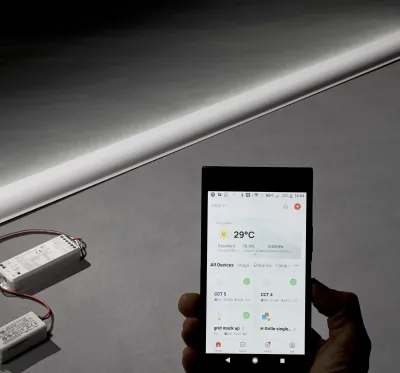
While not strictly mandatory, installing a dimmer switch is highly recommended for cove lighting in low-ceiling spaces. Because a 2.6-meter ceiling places the light source closer to your field of vision, the ability to adjust the brightness level significantly enhances visual comfort. Dimming allows you to transition the cove lighting from a functional ambient light source during the evening to a soft, low-glare accent light for watching television or relaxing late at night. When planning for dimming, you must verify that the LED driver and the dimmer switch are fully compatible—such as using phase-cut, 0-10V, or DALI dimming protocols—to prevent annoying flickering, buzzing, or uneven dimming ranges.
Community discussion
Share your experience or ask a question. Comments are reviewed before publication.