
Integrating a crystal light into a Japandi-style home might initially seem like a design contradiction. Japandi style—a harmonious fusion of Japanese minimalism and Scandinavian warmth—presents a clean, organic aesthetic that relies heavily on natural materials, muted tones, and understated functional beauty. On the other hand, traditional crystal lighting often evokes images of grand, ornate European chandeliers dripping with highly polished prisms. However, when selected with a keen eye for form, texture, and material balance, a crystal pendant light can serve as a stunning, sophisticated accent in a Singaporean home. The key lies in choosing fixtures that prioritize geometric simplicity, textured glass finishes, and mixed-material construction, allowing the crystal to diffuse light softly without overwhelming the serene atmosphere of your living space.
Understanding the Japandi Aesthetic for Lighting
To successfully incorporate a crystal light into a Japandi interior, it is essential to understand how this design philosophy approaches illumination. Japandi spaces thrive on ‘hygge’—the Scandinavian concept of coziness—combined with ‘wabi-sabi’—the Japanese appreciation for natural imperfection and simplicity. Lighting in these homes is never harsh, clinical, or purely decorative. Instead, it is designed to create a warm, inviting sanctuary from the bustling urban environment of Singapore.
Traditional crystal chandeliers are designed to make a dramatic statement, using highly faceted glass to scatter sharp, bright points of light across a room. In contrast, Japandi lighting focuses on clean lines, organic textures, and diffused illumination. A crystal fixture suitable for this aesthetic must step back from the spotlight. Rather than acting as a dominant focal point, the crystal should function as a subtle, tactile element that interacts gently with both natural daylight and warm evening light. By selecting fixtures that emphasize soft refractions and natural integration, you can enjoy the elegant texture of crystal while maintaining the calm, uncluttered essence of minimalist design.
Products mentioned in this guide
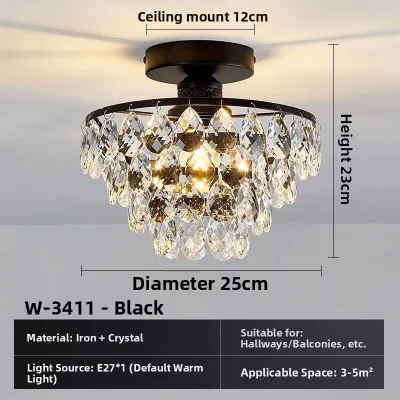
Prices are valid at publication and may change. Please refer to the product page for the latest price.
Key Design Features to Look For
When shopping for a crystal light that complements a Japandi home, look for specific physical characteristics that soften the traditional opulence of the material. The goal is to find a balance where the crystal feels grounded, organic, and structurally simple.

First, prioritize geometric and streamlined silhouettes. Look for clean, uncomplicated forms such as perfect spheres, slender cylinders, or minimalist linear bars. These structured shapes align beautifully with the straight lines of Scandinavian furniture and the architectural simplicity of Japanese interiors. A single, perfectly formed crystal sphere or a neat row of cylindrical pendants creates visual interest without introducing chaotic patterns or unnecessary clutter.
Second, seek out fixtures that integrate natural materials alongside the crystal elements. Pendant lights that feature light oak, walnut, or matte metal accents—such as brushed brass or matte black iron—help bridge the gap between luxury and nature. The warmth of a wooden canopy or the grounding effect of a matte metal frame balances the translucent, airy quality of the crystal, making the fixture feel right at home alongside linen sofas, indoor plants, and wooden dining tables.
Finally, pay close attention to the finish of the crystal itself. Instead of high-lead, sharply faceted crystals that produce rainbow-like refractions, opt for subtle cuts, ribbed textures, or frosted glass finishes. Hand-blown textured crystal or frosted surfaces mimic natural elements like ice, water, or morning mist. These finishes gently diffuse the light, casting a soft, atmospheric glow across your living space rather than creating harsh, distracting glare on your walls.
Technical Specifications and Installation Checks
Before purchasing any crystal light, it is crucial to verify that the fixture is compatible with the electrical standards and spatial constraints of your home in Singapore. Taking the time to check these technical specifications beforehand ensures a safe, seamless, and visually balanced installation.
Start by verifying the electrical compatibility of the fixture. In Singapore, the standard residential electricity supply operates at 230V and 50Hz. Ensure that the pendant light you select is rated for this voltage. Additionally, check the bulb base interface. Standard bases such as E27, E14, or GU10 are highly recommended, as compatible LED bulbs in various color temperatures are widely available locally. Always check the manufacturer’s maximum wattage limit for the fixture to prevent overheating, especially if you plan to use high-output bulbs.
Next, assess the spatial proportions of your room. Standard HDB flats in Singapore typically have ceiling heights ranging from 2.6 to 2.8 meters, while some condominiums and landed properties may offer higher clearances. A pendant light that is too large or hangs too low can make a room feel cramped and disrupt the clean sightlines essential to Japandi design. Measure the fixture’s diameter and calculate the adjustable drop length. For high-traffic walkways, maintain a minimum clearance of 2.1 meters from the floor to the bottom of the light. If you are installing the pendant over a dining table, aim for a clearance of 75cm to 90cm between the tabletop and the bottom of the fixture to ensure optimal illumination without obstructing views.
Achieving the perfect Japandi ambiance also depends heavily on color temperature and dimmability. Opt for warm white light, ideally between 2700K and 3000K, to create a cozy, relaxing environment. Avoid cool white or daylight bulbs, which can make the crystal look clinical and cold. Ensure that both the fixture and the bulbs you choose are compatible with dimming switches, allowing you to adjust the light levels to suit different times of day and moods.
Safety must always be your top priority during installation. Because crystal fixtures can be significantly heavier than standard plastic or aluminum lights, you must verify that your ceiling structure can safely support the suspended load. This is particularly important if you are mounting the light onto a plasterboard false ceiling, which may require additional structural reinforcement behind the board. For any fixed wiring work, installation at height, or structural checks, always isolate the power at your main distribution board and engage a licensed electrical worker or a qualified professional to complete the job safely.
Building Your Shortlist: Room-by-Room Application
To successfully integrate crystal pendant lights into your home, it helps to plan their application room by room, matching the design of the fixture to the functional needs of each space.
In the dining area, the lighting should focus on creating a warm, communal atmosphere while providing adequate task lighting for meals. A linear crystal pendant light featuring a wooden frame or a series of three small, clustered cylindrical pendants works beautifully over a rectangular dining table. This arrangement provides focused downward light onto the table surface while the textured crystal elements cast a soft, glare-free ambient glow across the faces of your guests, enhancing the dining experience.
For the living room, you can introduce a slightly larger statement piece, provided its design remains disciplined and minimalist. A single, spherical pendant with a ribbed or frosted crystal finish positioned centrally over the coffee table can serve as an elegant focal point. Because the living room is a space for relaxation, keeping the light source diffused prevents eye strain and maintains the calm, uncluttered feel of a Japandi living space. Ensure the fixture is hung high enough to keep sightlines clear between the seating area and any media consoles.
In bedrooms and reading nooks, the lighting should prioritize intimacy and rest. Scale down the size of your fixtures and opt for smaller, delicate crystal pendants. Hanging a single, low-wattage crystal pendant with a soft, frosted finish on either side of the bed—in place of traditional bedside table lamps—frees up surface space and adds a touch of refined elegance. The gentle, diffused light helps signal to your body that it is time to wind down, perfectly aligning with the mindful, restorative philosophy of Japandi design.
Evaluating Quality and Maintenance Requirements
Investing in a crystal light requires careful evaluation of its build quality and a clear understanding of its long-term maintenance needs to ensure it remains a beautiful feature in your home for years to come.
When evaluating potential fixtures, inspect the physical quality of the crystal components. High-quality crystal should feel heavy and substantial in your hand, and it should be free of visible air bubbles, cloudy patches, or surface scratches. Examine the mounting hardware and the suspension cables carefully. The brackets should be robust and made of high-quality metal to safely support the weight of the fixture over time. Avoid fixtures with flimsy plastic connectors or thin, unreinforced wires.
Maintenance is another key consideration, especially given Singapore’s warm, humid climate, which can cause airborne dust to settle and cling to glass surfaces more readily. To keep your crystal light looking its best, establish a regular, gentle cleaning routine. Always turn off the power at the wall switch and allow the bulbs to cool completely before touching the fixture. Use a dry, static-free microfiber cloth to gently wipe away dust from the crystal and any mixed-material components, such as wood or matte metal. Avoid using harsh chemical glass cleaners or abrasive sprays directly on the fixture, as these can strip away protective coatings, discolor wooden elements, or cause metal accents to corrode. For deeper cleaning, a slightly dampened microfiber cloth with a highly diluted, mild soap solution is usually sufficient, followed immediately by a dry cloth to prevent water spots.
Finally, recognize the limits of DIY maintenance. If you ever notice flickering lights, buzzing sounds, or loose mounting brackets, do not attempt to repair the internal wiring yourself. Always consult a qualified professional or a licensed electrician to handle electrical repairs or to perform structural checks on your ceiling support systems.
Frequently Asked Questions (FAQ)
Can crystal lights work in small apartments with low ceilings?
Yes, crystal lights can work beautifully in smaller apartments, such as standard HDB flats, provided you adjust the scale and mounting style. Instead of choosing large, multi-tiered pendant lights that hang low into the room, opt for smaller-scale fixtures with adjustable cords that allow you to shorten the drop length. Keeping the fixture close to the ceiling—or choosing a semi-flush crystal mount with a minimalist design—prevents the light from overcrowding the space visually or physically. Selecting lighter, single-bulb crystal pendants with simple geometric shapes also helps maintain an open, airy feel in compact rooms.
How do I clean crystal pendant lights without leaving streaks?
To clean your crystal pendant light without leaving unsightly streaks, always start by turning off the power and letting the bulbs cool down completely. Use a clean, lint-free microfiber cloth to gently wipe down each crystal element. If the crystal has accumulated a layer of grime, lightly dampen the cloth with a mixture of warm water and a tiny drop of mild dish soap. Avoid spraying any liquid directly onto the fixture. Wipe the crystal gently, then immediately follow up with a second, dry microfiber cloth to buff the surface and remove any moisture. This dry-buffing step is the key to preventing streaks and water spots while protecting any adjacent wood or metal finishes.

Community discussion
Share your experience or ask a question. Comments are reviewed before publication.