
Integrating Malaysian coins into multicultural home displays offers a sophisticated way to blend historical artistry with modern interior design. The best Malaysian coins for decorative purposes are those that showcase distinct cultural motifs—such as the iconic Wau Bulan (moon kite), traditional games like the Congkak, and national symbols like the Bunga Raya (hibiscus)—while offering strong visual contrast through their metallic finishes. Whether you choose the warm, golden hues of Nordic gold commemorative issues or the classic silver and copper-nickel tones of standard circulation series, these pieces serve as tactile storytellers when framed, mounted, or arranged in curated shadow boxes. By selecting coins that represent different eras and cultural narratives, you can create a visually engaging display that celebrates the rich, diverse heritage of the region.
Evaluating Coins for Cultural and Visual Appeal
To create an effective decorative display, you must first evaluate how the physical characteristics of the coins interact with your home’s interior design. The metallic finish of a coin plays a crucial role in establishing the visual tone of the display. Silver-colored copper-nickel coins provide a cool, contemporary aesthetic that pairs exceptionally well with minimalist, industrial, or modern Scandinavian decor. Conversely, golden brass or Nordic gold coins offer a warm, inviting glow that complements traditional, rustic, or eclectic spaces. If you prefer a more dynamic look, bi-metallic coins—which feature contrasting inner and outer rings of different metals—draw the eye and add a layer of modern sophistication to your arrangement.
The presence of patina is another key aesthetic consideration. Over time, coins naturally develop oxidation layers that darken the recessed areas of their designs, highlighting the raised relief and adding historical character. For vintage or rustic themes, coins with a rich, natural patina are highly desirable as they convey a sense of age and authenticity. For modern or high-end luxury interiors, you may prefer uncirculated or proof coins that retain their original mint luster, reflecting light cleanly and creating a polished, gallery-like appearance.
Products mentioned in this guide
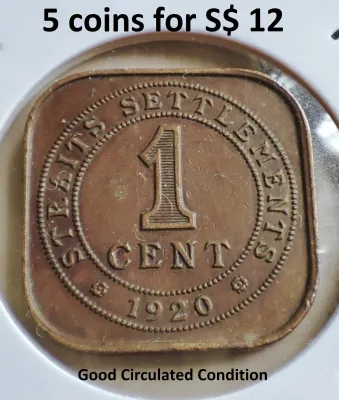
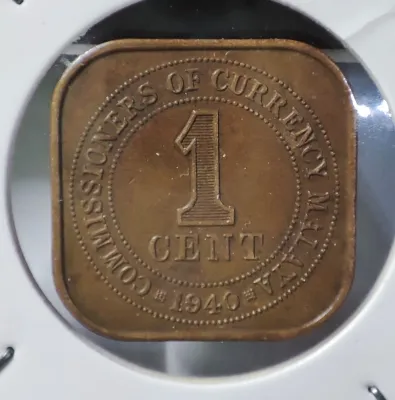
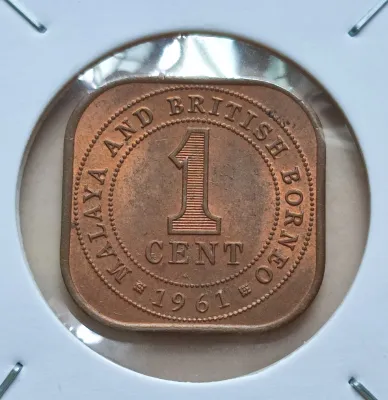
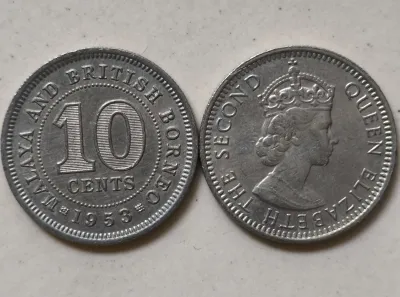
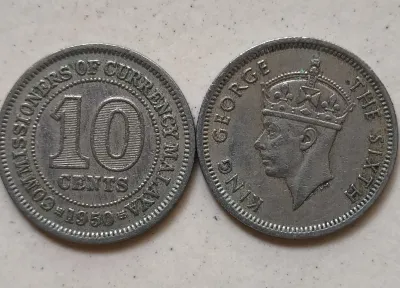
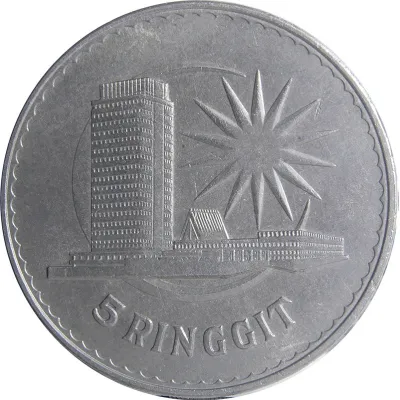
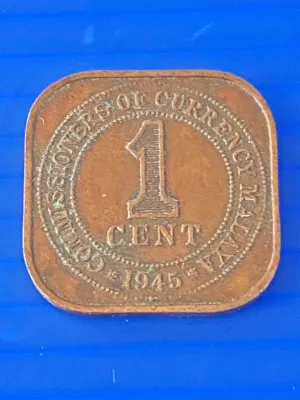
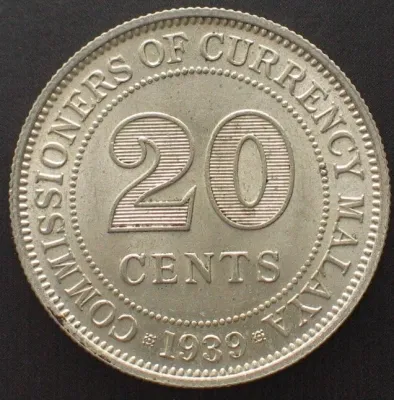
Prices are valid at publication and may change. Please refer to the product page for the latest price.
Scale and proportion are critical when transitioning coins from pocket currency to wall or shelf decor. Because individual coins are relatively small, typically ranging from 15mm to 30mm in diameter, a single coin displayed in isolation can easily get lost in a room. To overcome this, consider grouping coins in geometric patterns, such as a symmetrical grid or a chronological timeline, within a single large frame. Alternatively, you can pair a central, larger commemorative coin with smaller standard issues to create a balanced focal point. The depth of the display medium, whether a shallow floating frame or a deep shadow box, should match the scale of your shelving or wall space to ensure the installation feels intentional and proportional.
Finally, balance the historical and cultural significance of the coins with the overall room layout. A display featuring coins with intricate traditional motifs should be placed where viewers can appreciate the details up close, such as in an entryway, a study, or along a hallway gallery wall. Ensure the framing materials and background matting harmonize with your existing furniture and hardware; for instance, matching a brass coin frame with brass light fixtures or cabinet pulls creates a cohesive design narrative throughout the space.
Recognizing Malaysian Cultural Motifs on Currency
Malaysian currency is renowned for its rich depiction of the nation’s diverse cultural tapestry, making it an excellent source of meaningful decorative elements. By understanding the symbols minted on different coin series, you can curate a display that tells a specific cultural story. The Second Series of Malaysian sen coins, minted from 1989 to 2011, is particularly celebrated for its focus on traditional items and pastimes. For example, the 50-sen coin prominently features the Wau Bulan, a traditional intricately designed moon kite from Kelantan that symbolizes soaring aspirations and master craftsmanship. Including this coin in your display introduces a sense of movement and traditional artistry.

Other denominations in the Second Series offer equally compelling narratives. The 20-sen coin depicts the Tepak Sirih, a traditional metal container used for presenting betel leaves, which represents hospitality, respect, and formal customs in Malay culture. The 10-sen coin showcases the Congkak, a popular traditional mancala game board that symbolizes community, strategy, and shared leisure. The 5-sen coin features the Gasing, a traditional spinning top that highlights rural heritage and physical skill. Displaying these coins together creates a nostalgic tribute to traditional Malaysian games and social customs, making them excellent conversation starters in a living room or family space.
The Third Series, introduced in 2012 under the theme “Distinctively Malaysia,” shifts the design focus toward the country’s unique flora, fauna, and traditional fabric patterns. The 50-sen coin in this series features the pea-flower motif (bunga kacang) alongside a security fiber pattern inspired by traditional weaving. The 20-sen coin displays the fragrant Jasmine flower (bunga melur) paired with a traditional fabric motif, while the 10-sen coin highlights the flora of the Orang Asli (indigenous tribes) and a traditional basketry weave pattern. These designs offer a more abstract, delicate aesthetic that suits modern, nature-inspired, or organic interior styles.
For those seeking maximum visual impact, commemorative issues and special proof sets offer unparalleled design complexity. Often minted in larger sizes and precious metals like silver or gold, these coins commemorate significant national milestones, wildlife conservation efforts, or cultural festivals. The high-relief minting and contrasting frosted details against mirror-like backgrounds make commemorative coins stand out dramatically under display lighting, allowing you to highlight specific historical moments or artistic achievements within your multicultural decor theme.
Displaying and Preserving Coins in Home Environments
Proper display and preservation are essential to ensure your Malaysian coins remain beautiful and do not suffer from environmental degradation over time. When selecting mounting hardware, always prioritize archival-quality materials. Standard plastics and adhesives often contain polyvinyl chloride (PVC) or acidic compounds that release harmful gases as they age. This can lead to PVC degradation, which leaves a green, sticky, and highly corrosive residue on the coin’s surface, permanently ruining its appearance. Instead, opt for PVC-free coin capsules, acid-free mounting mats, and archival-safe double-sided tape or mechanical corner mounts that secure the coins without direct chemical contact.
Environmental control is a critical factor, particularly in tropical climates like Singapore’s, where high relative humidity can rapidly accelerate oxidation, tarnish, and copper corrosion (often referred to as bronze disease). To protect your display, use airtight shadow boxes or sealed frames. You can discreetly place a small, rechargeable silica gel packet or a specialized desiccant strip behind the mounting board to absorb excess moisture within the frame. Avoid hanging your coin displays in areas prone to high humidity or temperature fluctuations, such as bathrooms, kitchens, or directly opposite air conditioning vents, as condensation can form inside the glass and damage both the coins and the backing fabric.
Safe handling practices must be observed whenever you assemble or adjust your display. Always handle coins by their edges rather than touching the flat surfaces, as the natural oils, acids, and salts on your skin can leave permanent fingerprints that are incredibly difficult to remove, especially on proof or uncirculated finishes. Wearing clean, lint-free cotton gloves during the mounting process is the most effective way to prevent accidental surface contamination. Additionally, keep the display out of direct sunlight to prevent localized heat buildup and to protect any colored mounting fabrics or paper backings from fading.
If you plan to enhance your display with dedicated accent lighting, such as LED strip lights or micro-spotlights mounted inside a display cabinet, always verify the voltage, interface, and wattage limits of the lighting fixtures to prevent overheating. For any installations that require fixed wiring or integration into your home’s main electrical system, ensure you isolate the power source before starting the work. Consulting a qualified professional is highly recommended to guarantee that the installation complies with local electrical safety certifications and standards, keeping your home both beautiful and safe.
Sourcing Authentic Coins and Verifying Condition
Acquiring genuine Malaysian coins for your decor requires a careful approach to sourcing and verification. To ensure authenticity, purchase your coins from reputable channels such as established numismatic dealers, specialized auction houses, or verified online marketplaces with strong buyer protection policies. Avoid unverified sellers who make unsubstantiated claims about rare mint errors or precious metal content, as counterfeiting of both historical and modern commemorative coins is a persistent issue in the collector market.
When inspecting potential acquisitions, look closely for signs of alteration, artificial toning, or counterfeit replication. Counterfeit coins often exhibit soft, mushy details in the lettering and imagery, a soapy or unusually greasy texture, or incorrect weights and diameters compared to official mint specifications. Artificial toning, which is sometimes applied to make a coin look older or more visually striking, often presents as unnaturally bright, rainbow-like colors that do not align with the natural, gradual oxidation patterns of genuine silver or copper-nickel alloys. If you are purchasing high-value commemorative coins, look for specimens that come with official certificates of authenticity or are graded by recognized third-party grading services.
It is also important to understand the distinction between numismatic premium and purely decorative value when setting your budget. A coin’s numismatic value is driven by its rarity, historical significance, and precise physical grade, whereas its decorative value is determined by its size, visual appeal, and how well it fits your design theme. For home decor purposes, you do not need to spend significant amounts on top-grade, flawless specimens. Coins with minor surface wear or light circulation marks are often highly affordable—frequently costing between S$5 and S$20 for common older issues—and their slight wear can actually add a desirable vintage charm to your display. By focusing on visual appeal rather than perfect numismatic grading, you can curate a stunning and authentic display without unnecessary expense.
Frequently Asked Questions (FAQ)
Can I clean Malaysian coins before displaying them?
Cleaning coins is generally discouraged because abrasive cleaning methods can permanently destroy the coin’s original mint luster and leave microscopic scratches on the surface, severely reducing both its aesthetic appeal and any potential numismatic value. Instead of using chemical polishes or metal cleaners, maintain your display pieces by gently dusting the exterior of the frame or cabinet with a soft microfiber cloth or a clean, dry camel-hair brush. If a coin has accumulated heavy dirt or grime before mounting, you can soak it briefly in warm distilled water mixed with a few drops of mild, neutral dish soap, rinse it thoroughly with distilled water, and pat it dry with a soft towel without rubbing. For valuable, rare, or severely corroded coins showing signs of active chemical damage, consult a professional conservator rather than attempting DIY restoration.
Are commemorative Malaysian coins better for decor than circulation coins?
Whether commemorative coins are better than standard circulation coins depends on your specific design goals and budget. Commemorative Malaysian coins are often larger, feature highly intricate designs, and are minted in limited quantities with premium finishes like proof or satin, making them excellent standalone focal pieces for high-end displays. However, standard circulation coins are much more accessible, cost-effective, and offer a wonderful opportunity to create layered, multi-coin arrangements that showcase historical progression or a variety of cultural motifs. For a truly dynamic and visually rich display, consider mixing both types; use a larger, highly detailed commemorative coin as the central anchor of your shadow box, and surround it with a curated selection of smaller, standard circulation coins to add depth, context, and balance to the overall composition.
Community discussion
Share your experience or ask a question. Comments are reviewed before publication.