
Selecting a Merlion coin as a cultural artifact for your home or office requires balancing material durability, appropriate scale, and a finish that complements your interior design. The Merlion, representing Singapore’s heritage and maritime history, serves as a meaningful focal point when displayed thoughtfully. To transition these pieces from simple keepsakes into sophisticated decorative elements, you must evaluate their physical dimensions, weight, relief depth, and protective coatings to ensure they harmonize with your space.
By focusing on the structural quality and aesthetic compatibility of the coin, you can create an intentional display that honors the symbol’s cultural significance. Whether you are placing a single statement piece on an executive desk or curating a collection within a glass display cabinet, understanding the nuances of metal finishes, mounting options, and environmental preservation is key to maintaining the coin’s visual appeal over time.
Understanding Merlion Coins as Cultural Artifacts
When incorporating Merlion coins into your interior decor, it is important to distinguish between mass-produced promotional items and crafted cultural artifacts intended for permanent display. Mass-produced novelty coins often utilize lightweight zinc alloys with thin, highly reflective plating that can degrade quickly when exposed to ambient moisture. In contrast, decor-grade cultural artifacts feature heavier base metals, deeper relief engraving, and protective lacquers designed to withstand long-term display while maintaining their luster.
Products mentioned in this guide
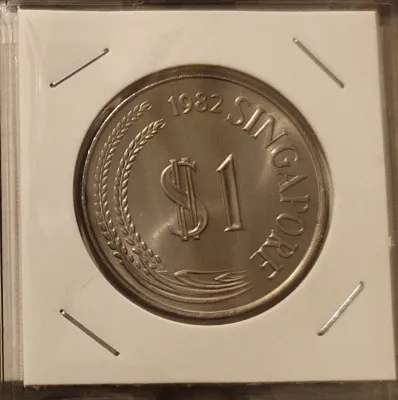
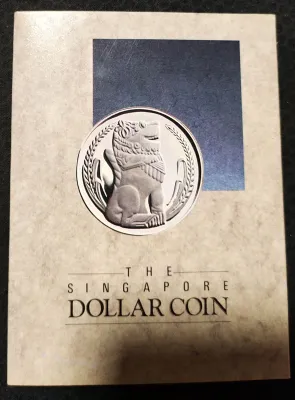
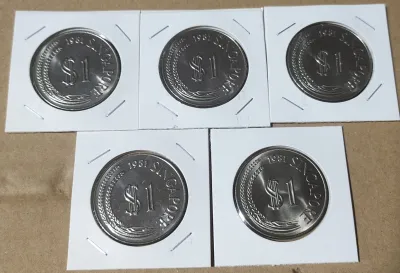
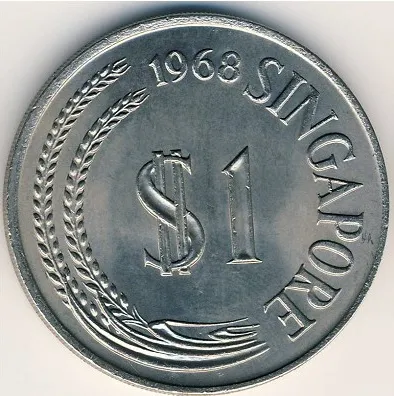
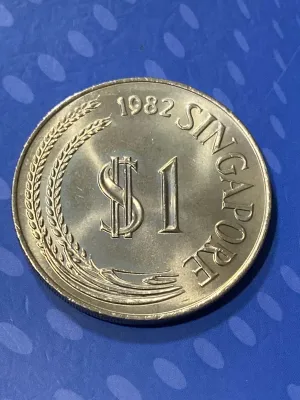
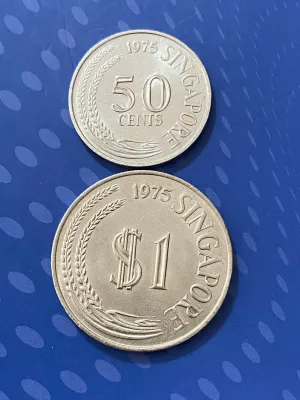
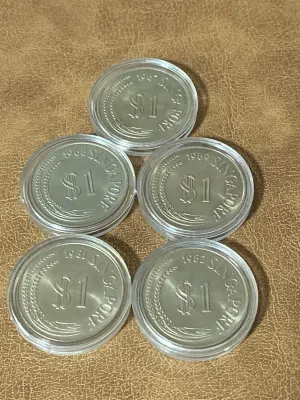
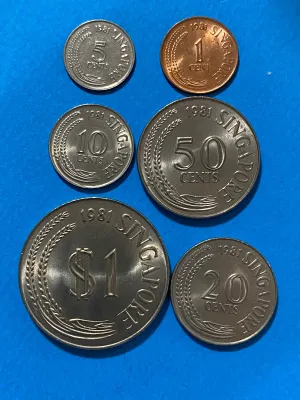
Prices are valid at publication and may change. Please refer to the product page for the latest price.
Common design motifs on these coins typically include the classic Merlion figure—the mythical creature with a lion’s head and a fish’s body—often depicted rising from stylized waves that symbolize Singapore’s historic start as a fishing village. High-quality display coins frequently incorporate secondary symbolic elements, such as the Vanda Miss Joaquim orchid, geometric patterns inspired by local architecture, or clean, modern borders. These elements add layers of visual interest, making the coin a compelling conversation piece rather than a simple souvenir.
When reviewing product descriptions, look for indications of meticulous craftsmanship, such as reeded or smooth edges that are free of casting seams. The structural integrity of the coin is defined by its thickness and the precision of its strike. A well-crafted coin will exhibit crisp lines in the lion’s mane and distinct definition in the fish scales, ensuring that the design remains legible and visually striking even when viewed from a distance under standard room lighting.
Key Evaluation Criteria for Display Selection
Before purchasing a Merlion coin for display, carefully review the manufacturer’s technical specifications to understand its physical presence. Pay close attention to the listed dimensions, weight, and material composition labels. A coin’s weight is a reliable indicator of its material quality; heavier metals like solid brass, bronze, or copper-nickel alloys offer a premium feel and greater stability when placed on a stand compared to lightweight aluminum or plastic-core alternatives.

Evaluating the quality of the engraving and relief depth is crucial for predicting how the coin will look under different lighting conditions. High-relief coins feature designs that project significantly from the flat background, creating natural shadows and highlights that emphasize the intricate details of the Merlion. When shopping online, examine high-resolution product images from multiple angles to verify that the surface consistency is uniform, without pitting, scratches, or uneven plating.
Additionally, check the product packaging or manufacturer details for information regarding protective coatings and finish treatments. Many display-grade coins are treated with an anti-tarnish lacquer or a clear acrylic sealant to protect the metal from oxidation. Understanding these specifications helps you determine the appropriate handling procedures, such as whether the coin requires cotton gloves for setup or if it can be safely handled with bare hands during occasional cleaning.
Size, Scale, and Spatial Proportion
Selecting the right physical dimensions for your Merlion coin depends heavily on the specific shelf, desk, or cabinet space you have allocated for it. To ensure the coin maintains visual balance, measure the height, width, and depth of the display area before making a selection. A small coin, such as one measuring 30mm to 40mm in diameter, can easily get lost on a spacious executive desk or a wide bookshelf, whereas a larger medallion measuring 80mm to 100mm or more can overwhelm a delicate side table.
The visual impact of the coin is also influenced by its thickness and how it interacts with surrounding objects and lighting. Thicker coins, ranging from 3mm to 5mm, project a sense of permanence and weight, casting distinct shadows along their edges when illuminated by overhead spotlights. This thickness helps anchor the piece visually, making it stand out even when placed alongside larger decorative items like books, photo frames, or small sculptures.
If the coin is designed to stand upright without a separate mount—such as certain thick-cut commemorative medallions with flat bottom edges—it is essential to verify its base footprint and center of gravity. A coin with an unstable center of gravity can easily tip over, potentially damaging the coin itself or scratching the furniture below. For standard round coins, ensure that the display stand you choose provides a wide enough base to support the coin’s weight securely.
Material Finishes and Visual Aesthetics
The surface finish of a Merlion coin plays a major role in how it integrates with your existing interior design theme. Polished finishes, such as bright gold or silver plating, offer high reflectivity and a clean, contemporary look that draws immediate attention. However, these reflective surfaces are highly prone to showing fingerprints, dust, and smudges, requiring more frequent maintenance and careful handling to preserve their mirror-like quality.
For a more subtle and low-maintenance aesthetic, consider matte, satin, or brushed finishes. These surfaces diffuse light softly rather than reflecting it directly, making the engraved details highly readable under various lighting conditions. Antique finishes, such as antique bronze, copper, or brass, feature darkened recesses that highlight the fine lines of the engraving, lending a classic, historic feel that works beautifully in traditional or transitional spaces.
Before finalizing your choice, verify the material safety and handling instructions provided by the manufacturer, particularly for coins featuring painted accents, colored resins, or chemically treated dual-tone surfaces. Some specialized finishes may be sensitive to environmental factors or specific cleaning agents. Ensuring that the finish is compatible with your room’s ambient light and humidity levels will prevent premature fading, peeling, or discoloration.
Matching Coin Styles to Specific Environments
To achieve a cohesive look, match the style of the Merlion coin to the existing decor of the room. In minimalist or modern spaces, a single, high-quality satin-finish coin displayed on a simple, transparent acrylic stand creates a clean, sophisticated focal point. This approach respects the clean lines of modern design while introducing a subtle touch of cultural heritage without cluttering the visual field.
For traditional, rustic, or colonial-inspired interiors, antique bronze or copper Merlion coins are excellent choices. These warm, dark metal tones complement rich wood furniture, leather accents, and classic library shelves. When styling these spaces, you can group the coin with other cultural artifacts, vintage books, or small potted plants like ferns or orchids to create a curated, layered vignette that tells a story of travel and heritage.
Regardless of the decor style, the key to successful integration is avoiding visual clutter. Ensure that the display coin has sufficient negative space around it so that it does not compete with other decorative items. Maintaining clear sightlines around the coin allows its craftsmanship to be fully appreciated, turning a small object into a significant design statement within the room.
Home Living Spaces and Entryways
In residential settings, cultural decor serves as a warm welcome for guests and a reflection of personal identity. Entryways and foyers are ideal locations for displaying a Merlion coin, as they establish a sense of place immediately upon entering the home. Placing a medium-sized coin on a console table under a warm foyer light creates an inviting, elegant atmosphere that sparks conversation.
In living rooms, glass display cabinets or built-in shelving units offer a protected environment that showcases the coin while keeping it safe from dust and accidental contact. If you are integrating the coin into a family photo display or a collection of travel mementos, position it alongside frames of varying heights. A coin measuring 50mm to 70mm in diameter typically balances well with standard 4×6 or 5×7 inch photo frames, adding a unique metallic texture to the arrangement.
Safety is a primary consideration when displaying heavy metal objects in homes with children or active pets. Avoid placing coins on low coffee tables, unstable side tables, or open shelves that can be easily bumped. Secure the coin within a lockable glass cabinet, or use a heavy, stable display stand placed on a high shelf well out of reach to prevent accidental falls that could cause injury or damage to your flooring.
Professional Offices and Workspaces
In professional environments, the goal is to introduce cultural richness while maintaining a polished, business-appropriate atmosphere. For executive desks, meeting rooms, or reception areas, select Merlion coins with subdued, elegant finishes such as satin silver, matte gold, or antique bronze. These non-reflective finishes minimize visual distractions and glare from overhead office lights or computer screens during the workday.
Scale and placement should reflect the professional context of the space. A 50mm coin on a low-profile wooden stand sits comfortably on an executive desk next to a pen holder or desk clock, conveying a subtle sense of local pride and professionalism. For larger spaces, such as conference room credenzas or reception bookshelves, a larger medallion (80mm to 100mm) placed prominently on a sturdy stand serves as an elegant decorative anchor.
To protect valuable office furniture, always ensure that the display stand features a soft, non-damaging backing on its base. Stands equipped with felt, velvet, or rubber pads prevent scratches on polished wood, glass, or lacquer desk surfaces when the coin is moved or adjusted. This attention to detail preserves both the decorative artifact and the professional furniture it rests upon.
Display Stands, Mounting, and Placement Strategies
Safely exhibiting a Merlion coin requires selecting the right display hardware to match the coin’s weight, thickness, and aesthetic style. Acrylic stands are highly popular for modern spaces because their transparency creates a floating effect, keeping the focus entirely on the coin’s design. Wooden stands, crafted from mahogany, walnut, or oak, add warmth and stability, making them ideal for traditional or executive settings. Metal stands offer a sleek, industrial look and provide excellent support for exceptionally heavy or oversized medallions.
Before purchasing a stand, verify its compatibility with your coin’s specific dimensions. Measure the thickness of the coin and compare it to the slot width of the stand. A slot that is too wide will cause the coin to lean at an awkward angle or slip out, while a slot that is too narrow will prevent the coin from sitting securely. For heavy or high-value coins, look for stands that feature adjustable grip mechanisms, deep grooves, or non-slip silicone pads to ensure maximum stability.
For a more permanent or formal presentation, wall-mounting or framing the coin in a custom shadow box is an excellent option. When framing, ensure you follow the manufacturer’s instructions and use appropriate mounting hardware designed for your specific wall type. For concrete or masonry walls common in Singapore, use plastic wall plugs and sturdy screws; for drywall, use toggle bolts or hollow-wall anchors. If you are mounting a heavy frame or a complex multi-coin display, consult a qualified professional installer to ensure the suspended load is securely anchored and poses no safety risk.
Care, Maintenance, and Preservation Guidelines
To keep your display Merlion coin in pristine condition, establish a regular, gentle cleaning routine using safe, non-abrasive materials. Dust the coin once or twice a month using a dry, ultra-soft microfiber cloth or a clean, soft-bristled makeup brush. This removes loose particles and prevents dust buildup without scratching the delicate metal plating or wearing down the protective lacquer coating.
Never use harsh chemical cleaners, commercial metal polishes, silver dips, or abrasive household detergents on your display coins unless explicitly approved by the manufacturer’s care instructions. These substances can strip away protective clear coats, dissolve painted details, and cause irreversible chemical reactions that discolor the metal. Avoid washing the coin with water, as moisture can become trapped in the fine crevices of the engraving, leading to localized corrosion or unsightly water spots.
Environmental factors play a significant role in the preservation of decorative metals, especially in tropical climates characterized by high humidity. To prevent oxidation and tarnish, display your coin in a climate-controlled indoor environment, ideally in a room with regular air conditioning or dehumidification. Keep the coin out of direct sunlight, as prolonged UV exposure can fade colored resins, degrade protective lacquers, and cause uneven heating of the metal. If you notice signs of severe tarnish, peeling lacquer, or green corrosion (verdigris), stop all DIY cleaning efforts immediately and consult a professional conservationist for restoration advice.
Frequently Asked Questions (FAQ)
Can I display Merlion coins outdoors or in semi-outdoor spaces?
It is highly recommended to display decorative Merlion coins exclusively indoors within a climate-controlled environment. Semi-outdoor spaces, such as balconies, patios, or open-air corridors, expose the coin to high humidity, temperature fluctuations, and salt-laden air, which can rapidly accelerate metal oxidation and ruin the finish. Unless the manufacturer explicitly states that the coin is rated for outdoor use and constructed from specialized weather-resistant materials, assume it is designed solely for indoor display to prevent irreversible environmental damage.
How do I clean a Merlion coin that has developed tarnish or spots?
First, distinguish between loose surface dust and actual chemical tarnish or coating failure. If the coin has developed dark spots, discoloration, or a dull film, this usually indicates that the protective lacquer has worn away and the underlying metal is oxidizing. Do not attempt to scrub the coin with abrasive materials or apply DIY chemical mixtures like vinegar, baking soda, or lemon juice, as these can cause irreversible damage to the plating. If gentle dusting with a microfiber cloth does not resolve the issue, or if you observe peeling, flaking, or green corrosion, stop cleaning immediately. Contact the manufacturer or a qualified metal conservation professional to evaluate the piece and recommend a safe restoration method.
Community discussion
Share your experience or ask a question. Comments are reviewed before publication.