
Creating a harmonious Japandi interior requires a delicate balance between Japanese minimalism and Scandinavian warmth. Lighting plays a pivotal role in this design philosophy, serving as both a functional necessity and a key visual anchor. When selecting fixtures, homeowners often turn to trusted brands to find options that blend clean aesthetics with reliable performance. Integrating versatile options like philips ceiling lights and pendant fixtures allows you to achieve the soft, diffused glow essential to this style while maintaining a clean, uncluttered ceiling line.
Finding the right pendant light involves looking beyond simple illumination. The ideal fixture must complement the natural textures, muted color palettes, and organic forms that define Japandi spaces. By focusing on material finishes, light diffusion, and smart adaptability, you can select Philips fixtures that elevate your home’s atmosphere. This guide outlines the essential design criteria, product features, and installation steps to help you choose the perfect lighting setup for your space.
Defining Japandi Lighting Requirements
The Japandi aesthetic is a thoughtful fusion of two distinct yet complementary design traditions. From Japanese design, it inherits an appreciation for wabi-sabi, which celebrates natural imperfections, simplicity, and understated elegance. From Scandinavian design, it adopts hygge, which emphasizes warmth, comfort, and cozy functionality. Together, these influences demand a lighting scheme that feels organic, intentional, and entirely free of unnecessary ornamentation.
Products mentioned in this guide
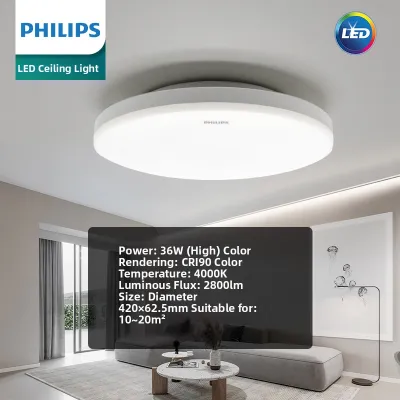
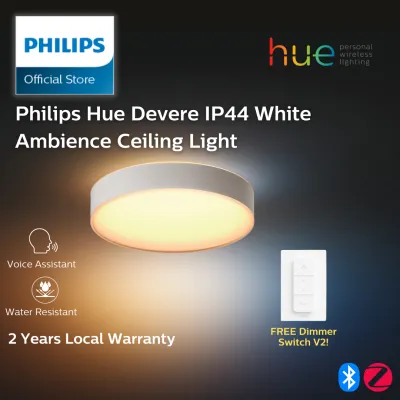
![[3 Year Warranty] Philips LED Ceiling light 17W 20W CL200](https://img.lazcdn.com/g/p/a7513e4a2b3c8a590df1beecd4b3709e.png_400x400q80.png_.webp)
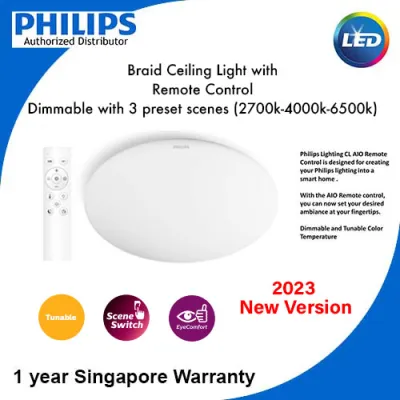
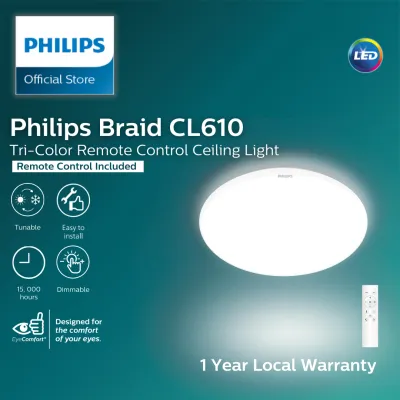
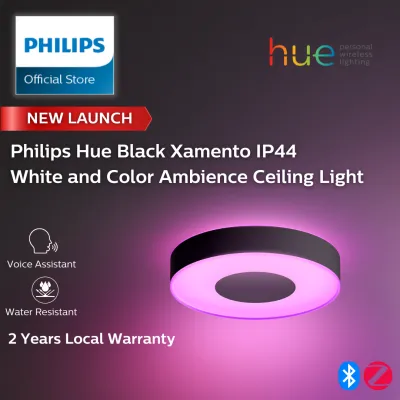
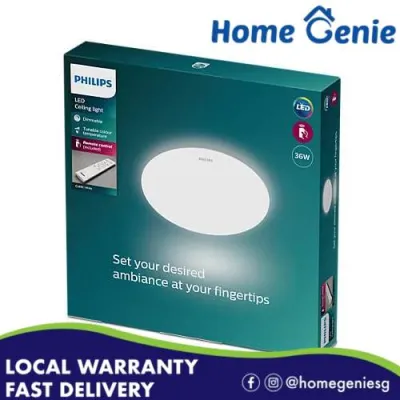
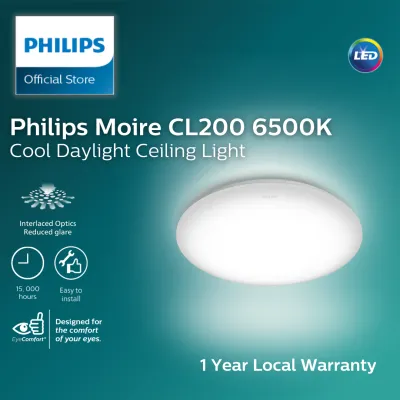
Prices are valid at publication and may change. Please refer to the product page for the latest price.
To achieve this balance, your lighting fixtures must feature minimalist silhouettes that do not overwhelm the room. Heavy, ornate chandeliers or highly polished, reflective surfaces can disrupt the serene atmosphere of a Japandi home. Instead, look for clean geometric shapes, soft curves, and low-profile designs that blend seamlessly into the architectural background. The goal is to create a sense of quiet sophistication where the fixture feels like a natural extension of the space.
Material selection is equally critical when establishing a Japandi baseline. Matte finishes, textured ceramics, woven fabrics, and frosted glass are highly preferred over high-gloss metals or bright plastics. These materials interact with light in a soft, organic way, absorbing harsh reflections and contributing to a tactile, grounded environment. When browsing lighting options, prioritize fixtures that mimic or incorporate these natural textures to reinforce the organic connection.
Finally, the quality of the light itself must be warm and diffused. Harsh, direct glare from exposed bulbs runs counter to the relaxing, meditative mood of Japandi interiors. Effective lighting should mimic the gentle glow of paper lanterns or filtered sunlight passing through a screen. Utilizing shades that fully enclose or deeply recess the light source helps scatter the illumination evenly, casting soft shadows and creating a soothing, welcoming ambiance throughout the living space.
Key Features to Look for in Philips Pendants
When translating these design principles into actionable product specifications, several key features deserve close attention. First, examine the shade materials of the pendant lights. Look for options featuring matte white, sandblasted, or frosted glass, as well as fabric-like textures or matte-painted metals in neutral tones like charcoal, beige, or soft grey. These finishes prevent specular glare and ensure that the fixture looks elegant even when switched off.

Light quality is another crucial specification to verify before making a purchase. For a true Japandi atmosphere, prioritize fixtures that support or feature integrated LEDs with a warm white color temperature, typically between 2700K and 3000K. Additionally, check the color rendering index of the light source. A high index ensures that the natural wood grains, linen textiles, and earthy clay tones in your decor appear rich, accurate, and visually appealing under artificial light.
The physical form factor of the pendant should align with minimalist principles. Low-profile dome shapes, simple cylinders, and organic, pebble-like contours work exceptionally well. If you are incorporating philips ceiling lights alongside your pendants to create a layered lighting scheme, ensure that both types of fixtures share a cohesive design language. For instance, pairing a slim, flush-mount ceiling disc with a matching matte-finished pendant maintains visual harmony across the ceiling plane.
Consider also the visual weight of the fixture. In smaller rooms or spaces with standard ceiling heights, a bulky or dark pendant can make the ceiling feel lower and the room more cramped. Opt for airy, open-frame designs with delicate cords, or choose light-colored, translucent shades that allow some light to pass through the body of the fixture. This keeps the visual field open and preserves the airy, spacious feel that is central to Scandinavian-inspired layouts.
Evaluating Philips Collections for Compatibility
Navigating the extensive range of Philips lighting products requires a systematic approach to ensure compatibility with your design goals. Start by carefully reviewing official product descriptions and technical specifications on the manufacturer’s website or authorized retail platforms. Look for design cues such as minimalist design, diffused light effect, or matte finish. Avoid collections that emphasize industrial, ultra-modern, or highly decorative traditional styles, as these can clash with the quiet simplicity of Japandi decor.
Smart lighting capabilities offer a significant advantage when tailoring your environment. Many modern Philips fixtures feature integrated smart technology or compatibility with smart ecosystems. This allows you to dynamically adjust both the brightness and the color temperature of your lights throughout the day. You can program the system to deliver a brighter, cooler light during morning hours for focus, and transition to a dim, ultra-warm amber glow in the evening to promote relaxation.
Before finalizing your selection, cross-reference the physical dimensions of the pendant with your room’s scale. A fixture that looks perfectly proportioned in a spacious showroom may feel overwhelming in a compact dining area or bedroom. Measure the diameter and height of the pendant shade, and use painter’s tape or a cardboard mockup in your space to visualize its actual footprint. This step is particularly important for maintaining the balanced, uncluttered proportions characteristic of Japandi design.
Additionally, verify the adjustability of the suspension cord or cable. Many Philips pendant lights come with adjustable cords that allow you to customize the hanging height during installation. This flexibility is essential for adapting the fixture to your specific ceiling height and furniture layout, ensuring that the light hangs at the perfect level to provide both functional illumination and aesthetic balance.
Installation and Spatial Planning for Pendant Lights
Proper installation and spatial planning are vital to ensure your selected pendant lights function beautifully and safely. When positioning a pendant over a dining table, kitchen island, or coffee table, calculating the correct hanging height is the first step. The bottom of the fixture should generally sit high enough to keep sightlines clear across the seating area while remaining low enough to create an intimate, focused pool of light.
Ceiling load capacity is another critical safety factor to verify, especially when installing heavier glass or metal pendants. Check the manufacturer’s specifications for the exact weight of the fixture and ensure your ceiling structure can support it. For suspended pendants, the mounting bracket must be securely anchored to a ceiling joist or a suitable concrete anchor. Never rely solely on plasterboard or drywall to support the weight of a hanging light fixture.
Electrical safety boundaries must be strictly observed during the installation process. While replacing a simple light bulb is a straightforward task, installing new fixed wiring, mounting heavy fixtures at height, or modifying electrical circuits requires careful consideration. In Singapore, any electrical wiring work must comply with local safety standards. It is highly recommended to hire a licensed electrical worker or a qualified professional electrician to handle the installation, ensuring that the wiring is safe, grounded, and compliant with local regulations.
Before any installation work begins, always isolate the power supply at the main distribution board or consumer unit. Verify that the power is completely off using a reliable voltage tester before touching any wires. Following the manufacturer’s provided installation instructions step-by-step is essential for maintaining the product warranty and ensuring the long-term safety and reliability of your new lighting system.
Frequently Asked Questions (FAQ)
Can I use smart bulbs in standard Philips pendants to achieve Japandi lighting?
Yes, you can easily integrate smart bulbs into standard Philips pendant fixtures, provided the socket types match. When choosing a pendant, check the specifications to see if it uses a standard screw base, such as an E27 or E14 socket. Using a smart bulb allows you to customize the color temperature and brightness to match the warm, soothing tones of a Japandi aesthetic. However, if the pendant shade is open or highly translucent, opt for a smart bulb with a frosted or aesthetic finish to prevent the internal electronics from disrupting the clean visual lines of the fixture.
How low should a pendant light hang over a Japandi dining table?
To maintain visual balance and functional comfort, a pendant light should typically hang between 75 and 90 centimeters above the surface of your dining table. This clearance ensures that the light source does not block your view of guests sitting across from you, while still providing focused, glare-free illumination on the tabletop. If your home has exceptionally high ceilings, you may need to adjust this height slightly upward to keep the fixture in proportion with the rest of the room, ensuring the overall composition remains balanced and harmonious.
Community discussion
Share your experience or ask a question. Comments are reviewed before publication.