
When preparing an emergency kit for a Housing & Development Board (HDB) flat, selecting a reliable mini torch requires understanding key technical specifications rather than relying on brand names alone. The primary purpose of an emergency torch is to provide dependable illumination during unexpected power outages, building maintenance issues, or localized emergencies. In Singapore’s humid tropical climate, emergency preparedness requires a torch that can sit unused for months yet function instantly when needed.
To find a truly dependable brand, homeowners must look past generic online listings and evaluate torches based on standardized performance ratings, robust material construction, and safe power management. HDB flats, ranging from compact units to larger multi-generational layouts, have specific configurations with internal household shelters, long corridors, and concrete walls that block ambient external light during a blackout. A reliable mini torch must be compact enough to store in accessible locations, simple enough for all household members to operate, and bright enough to illuminate dark hallways safely.
Core Standards for Evaluating Mini Torch Reliability
To evaluate a torch’s suitability for indoor navigation, you must first look at its light output, measured in lumens. While high-powered tactical torches boasting thousands of lumens are popular, they are often impractical and even counterproductive inside the white-walled, confined spaces of a typical HDB flat. Excessive brightness can cause severe glare when reflected off light-colored concrete walls, polished tiles, or mirrors, temporarily blinding you and other household members.
Products mentioned in this guide
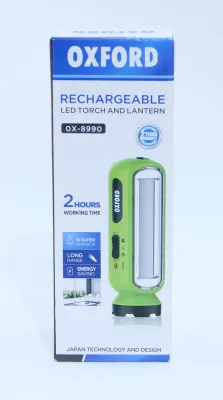
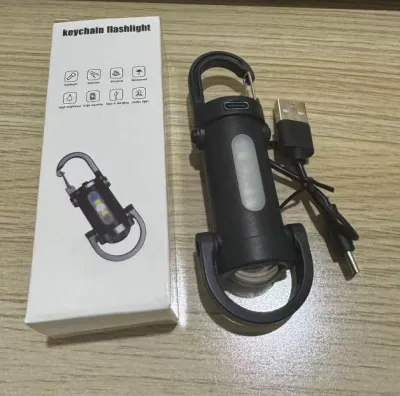
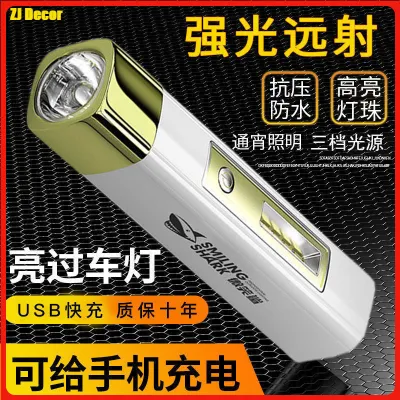
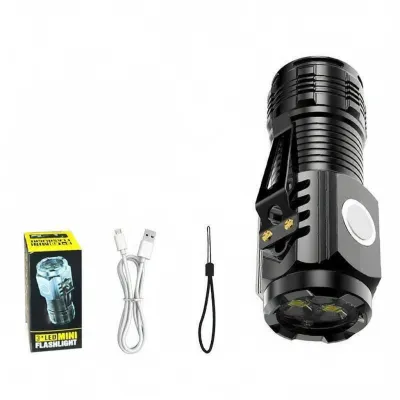
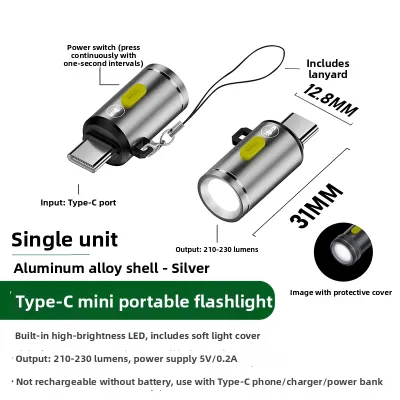
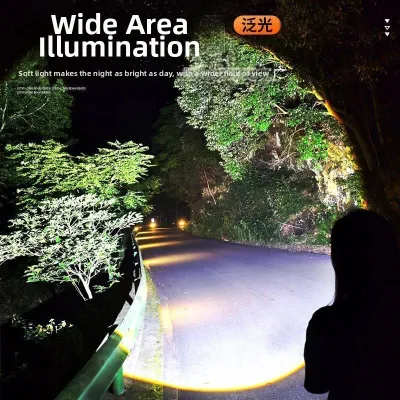
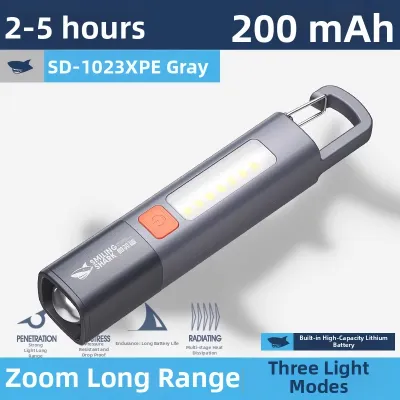
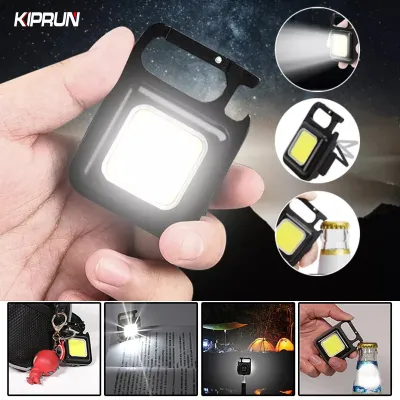
Prices are valid at publication and may change. Please refer to the product page for the latest price.
For safe indoor navigation, a torch with a low mode of 10 to 30 lumens is ideal for close-up tasks, while a medium mode of 100 to 300 lumens is perfectly adequate for illuminating long corridors or stairwells. Beam distance is another specification to consider, though it is less critical for indoor use than beam pattern. A torch with a wide, flood-style beam is far more useful for navigating a dark flat than a narrow, long-distance spotlight, as a flood beam illuminates your entire peripheral vision to help you spot obstacles easily.
The physical durability of the torch is determined by its build materials and structural design. Cheap plastic torches are highly susceptible to cracking or shattering if dropped onto hard terrazzo, ceramic, or vinyl flooring common in Singapore homes. Look for mini torches constructed from high-grade materials such as Type III hard-anodized aircraft-grade aluminum or high-impact polycarbonate, which offer excellent structural integrity and scratch resistance.
Impact resistance is a standardized measurement indicating the height from which a torch can be dropped onto a hard surface without losing functionality. A reliable emergency torch should have a verified impact resistance rating of at least 1 to 1.5 meters, ensuring it survives accidental drops during a tense situation. Additionally, Singapore’s high relative humidity levels can slowly penetrate poorly sealed torches, leading to the corrosion of internal electrical contacts and driver circuits.
To protect against moisture and dust, check the Ingress Protection (IP) rating of the torch. A minimum rating of IPX4 indicates resistance to water splashes from any direction, which is sufficient for general indoor use. However, an IP67 or IP68 rating offers superior protection, ensuring the torch is completely dust-tight and can withstand temporary immersion in water, preventing humid air from degrading the internal electronics over time.
Choosing the Right Power Source for Emergency Storage
The choice of power source is one of the most critical decisions when assembling an emergency lighting kit, as it directly impacts how long the torch can be stored before the battery fails. Different battery chemistries behave differently over time, especially in warm, humid environments. Rechargeable lithium-ion batteries, such as the common 18650, 14500, or built-in lithium-polymer cells, offer high energy density and consistent voltage output.

While lithium-ion batteries are highly cost-effective for torches that are used frequently, they have a notable self-discharge rate, slowly losing their stored energy even when the torch is turned off. A fully charged lithium-ion torch stored in an emergency kit may lose a significant portion of its charge over twelve to eighteen months, potentially leaving you with a dead light when you need it most. Standard alkaline batteries, such as AA or AAA cells, are widely available and inexpensive, but they carry distinct risks.
Alkaline batteries are highly prone to leaking corrosive potassium hydroxide over long periods of storage, particularly in warm climates. This corrosive leakage can permanently ruin the internal contacts and electronics of your mini torch, rendering it useless. If you choose a torch that utilizes alkaline batteries, you must commit to removing the batteries during storage or replacing them at least once a year to prevent leakage damage.
For dedicated emergency storage, lithium single-use batteries, such as CR123A or lithium AA/AAA cells, are widely considered the gold standard. These batteries have an exceptional shelf life of up to ten to fifteen years and are highly resistant to extreme temperatures and chemical leakage. When selecting a mini torch brand, review the manufacturer’s specifications regarding battery compatibility and replacement.
Some torches feature built-in, non-replaceable batteries, which means the entire unit must be discarded once the battery eventually degrades and can no longer hold a charge. Torches that accept standard, removable batteries offer much greater flexibility and longevity. In an extended emergency, being able to swap out a depleted battery for a fresh spare is far more practical than waiting hours for a built-in battery to recharge via a USB port.
Additionally, pay attention to the torch’s standby current, also known as parasitic drain. Many modern torches with electronic side switches slowly draw a tiny amount of power to monitor the button, which can drain a battery over several months. Choosing a torch with a physical tail-cap switch or a mechanical lockout feature, such as slightly unscrewing the tail-cap during storage, prevents this issue.
Practical Features for Navigating HDB Flats in the Dark
An emergency torch must be practical and easy to use for every member of the household, from young children to elderly grandparents. Complex user interfaces or heavy, cumbersome designs can create unnecessary difficulties during a stressful power outage. Compact sizing and a lightweight profile are essential characteristics of a good mini torch, allowing it to be easily carried in a pocket or kept on a bedside table.
During a household emergency, you will often need both hands free to locate first-aid supplies, assist family members, or operate utility valves. Look for mini torches that offer hands-free usability features, such as a magnetic tail-cap. In a typical HDB flat, a magnetic base allows you to securely attach the torch to steel door frames, refrigerator doors, or metal shelving, instantly converting the torch into an overhead area light.
A sturdy pocket clip is another valuable feature, allowing you to clip the torch to the brim of a cap or a shirt pocket to illuminate your path while keeping your hands completely free. Lanyards are also useful for securing the torch to your wrist, preventing accidental drops in the dark. Adjustable brightness levels are crucial for managing battery consumption and adapting to different indoor environments.
A single-mode torch that only operates at maximum brightness will drain its battery rapidly, often within an hour, and generate significant heat. A reliable mini torch should offer at least three distinct brightness levels. A low mode of less than five lumens, often called a moonlight or firefly mode, is incredibly useful for reading documents, navigating small rooms, or preserving night vision.
Running the torch on its lowest setting dramatically extends battery life, allowing a single charge or battery to last for dozens or even hundreds of hours. This extended runtime is vital if you experience a prolonged power disruption that lasts overnight. Furthermore, ensure the user interface allows you to access these modes easily without getting confused by complicated button-pressing sequences.
Verifying Brand Claims and Electrical Safety
With thousands of lighting products available on various online marketplaces, distinguishing between high-quality, safe torches and cheap, potentially hazardous imitations is critical for home safety. Verifying manufacturer claims and checking for electrical safety certifications should be a key part of your purchasing decision. When buying a rechargeable mini torch that comes with a wall adapter, verify that the charging accessory carries the Enterprise Singapore Safety Mark.
This mark ensures the electrical component has been tested and certified safe for use with Singapore’s 230V mains power supply, reducing the risk of electrical fires or short circuits. For the torch itself, look for recognized international compliance symbols on the packaging or product body, such as CE, RoHS, and FCC marks. These certifications indicate that the manufacturer has adhered to strict safety and environmental standards.
Be highly skeptical of extreme performance claims made by unbranded or unusually cheap products sold online. Claims of tens of thousands of lumens from a pocket-sized torch are physically impossible, as such high outputs generate immense heat that would quickly destroy the LED and battery without a massive heatsink. Reputable brands will always publish detailed, realistic specifications that comply with the ANSI/PLATO FL 1 standard.
This standardized testing framework ensures that measurements for light output, runtime, beam distance, and water resistance are accurate, consistent, and verified under controlled conditions. Review the official user manual or manufacturer’s website to check the runtime graph of the torch. A reliable brand will clearly show how the light output behaves over time, including any automatic step-downs in brightness designed to prevent overheating.
Unbranded or poorly documented torches often cut corners on safety features, particularly in their battery and charging circuitry. High-quality lithium-ion torches incorporate built-in protection circuits that guard against overcharging, over-discharging, short circuits, and overheating. Using cheap torches without these essential safety protections poses a genuine fire hazard, especially during charging.
Building Your HDB Emergency Lighting Checklist
Creating a comprehensive emergency lighting plan for your HDB flat involves more than just buying a single torch and tossing it into a drawer. A structured approach ensures that every family member has immediate access to reliable light when a sudden blackout occurs. To determine how many torches your household requires, consider both the number of family members and the layout of your flat.
A good rule of thumb is to provide at least one personal mini torch for every adolescent and adult in the home, ensuring individual mobility during an emergency. Additionally, you should place stationary light sources, such as compact lanterns or area lights, in communal spaces like the living room, kitchen, and windowless bathrooms. For a typical 4-room HDB flat housing four family members, a setup of four personal mini torches and two communal area lights is highly effective.
Strategic placement of these light sources is critical for quick access in pitch darkness. Storing all your emergency gear in a single, deep storage cabinet or household shelter can make it incredibly difficult to locate when the lights suddenly go out. Instead, distribute the torches in highly predictable, easily accessible locations throughout the flat, such as bedside table drawers, near the main electrical distribution board (DB box), or on a hook near the front door.
To make the torches even easier to find in the dark, consider attaching photoluminescent (glow-in-the-dark) tape or lanyards to the body of each torch. This simple addition allows the devices to emit a faint glow, guiding you directly to them when a blackout occurs. An emergency lighting kit is only reliable if it is properly maintained through a routine schedule.
Establish a routine maintenance schedule, such as checking your torches twice a year—perhaps during seasonal cleaning or on specific dates like New Year’s Day and National Day. During these semi-annual checks, turn on each torch and cycle through all the brightness modes to verify that the switch, driver circuit, and LED are functioning correctly. Inspect the battery compartment for any signs of corrosion, white powdery residue, or battery swelling.
If your torches use rechargeable lithium-ion batteries, top up their charge to ensure they are at full capacity. If you use standard alkaline batteries, replace them with fresh ones annually, regardless of whether they have been used, to prevent corrosive leaks from ruining your torches. Keeping a log of these checks ensures your household remains prepared for any unexpected power disruptions.
Frequently Asked Questions (FAQ)
Can I leave rechargeable mini torches plugged in continuously?
Many modern rechargeable mini torches are equipped with advanced battery management systems that include overcharge protection. These systems automatically stop the flow of electrical current once the internal lithium-ion battery reaches full capacity, preventing overcharging. However, leaving any rechargeable device permanently connected to a wall charger is generally not recommended unless the manufacturer’s manual explicitly states it is safe for continuous float charging.
Prolonged exposure to high voltage and the heat generated by continuous charging can accelerate the degradation of the battery cells over time. For maximum safety and to prolong the overall lifespan of the battery, unplug the torch once the charging indicator shows it is fully charged. Store the torch in a cool, dry place away from direct sunlight, and top up the charge every few months to compensate for natural self-discharge.
How often should I test the mini torches in my emergency kit?
It is highly recommended to perform a comprehensive functional check of all the mini torches in your emergency kit at least once every six months. Regular testing ensures that the devices remain in perfect working order and are ready for immediate deployment during an unexpected power outage. During your semi-annual inspection, turn on each torch and cycle through all available brightness levels to ensure the electronic switch and driver circuit are operating smoothly.
Open the battery compartment to check for any signs of physical damage, rust, or corrosive battery leakage. If your torches utilize rechargeable batteries, take this opportunity to recharge them to full capacity to offset any natural self-discharge that has occurred during storage. If you use standard alkaline batteries, consider replacing them with fresh cells annually to eliminate the risk of chemical leakage.
Community discussion
Share your experience or ask a question. Comments are reviewed before publication.