
Selecting the right sculptures and figurines for a professional office requires balancing aesthetic appeal with corporate decorum. The ideal office decoration enhances the workspace’s atmosphere, projecting competence and credibility to clients while fostering a focused environment for employees. By focusing on neutral themes, refined materials, and appropriate scaling, you can integrate decorative art seamlessly into your professional environment without creating visual clutter or unwanted distractions.
Establishing Criteria for Professional Office Decor
Every decorative piece introduced into a workspace contributes to the overall brand identity and corporate culture. Visual weight plays a critical role in this dynamic; overly complex, intricate, or chaotic designs can make a room feel disorganized and busy. Selecting pieces with clean silhouettes and balanced proportions helps maintain a sense of order and calm.
Thematic neutrality is equally essential when choosing office decoration. While highly personal, whimsical, or casual subjects might suit a residential living room, they can undermine the professional tone of a corporate office. Opting for themes that avoid controversial, overly intimate, or highly specific personal hobbies ensures the space remains welcoming and appropriate for a diverse range of clients and visitors.
Products mentioned in this guide
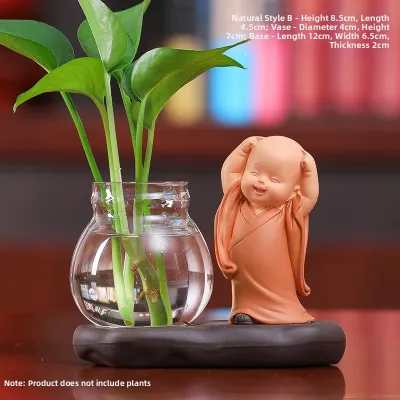
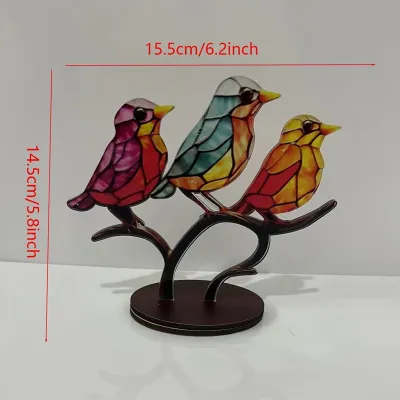
Prices are valid at publication and may change. Please refer to the product page for the latest price.
Furthermore, any selected sculpture must align with the existing interior architecture and design language of the office. A sleek, minimalist tech headquarters benefits from different artistic forms than a traditional law firm with dark wood paneling. Evaluating the dominant colors, materials, and lines of your current furniture allows you to choose decor that feels like an intentional extension of the architecture rather than an afterthought.
Styles and Themes That Project a Corporate Image
Abstract and geometric sculptures are highly effective choices for modern corporate environments. These forms suggest structure, forward-thinking, and analytical precision without forcing a specific narrative on the viewer. A well-placed geometric piece can serve as an intriguing focal point on a conference table or reception desk, offering visual interest while remaining entirely professional.

Stylized, nature-inspired motifs offer another excellent avenue for office decoration, introducing a calming and organic element to sterile workspaces. Simplified representations of waves, wind patterns, or botanical structures can soften the sharp angles of office furniture. These designs evoke a sense of growth, resilience, and balance, which can contribute to a more relaxed yet productive working atmosphere.
When considering representational art, minimalist figurines with clean, sweeping lines are generally preferable to hyper-realistic sculptures. Highly detailed or literal depictions of figures can sometimes feel too dramatic or distracting in a business setting. Choosing simplified, elegant silhouettes allows the viewer to appreciate the form and material quality without being pulled away from their professional focus.
Choosing Materials and Finishes for a Polished Look
The materials used in your office sculptures directly influence the perceived quality and prestige of the workspace. Metals such as bronze, brass, or brushed steel, along with natural stone or high-quality stone composites, convey durability, permanence, and a grounded presence. These materials carry an inherent weight and texture that plastic or low-grade resin alternatives cannot replicate, instantly elevating the room’s aesthetic.
Surface finishes also require careful consideration under typical office lighting conditions. Bright, overhead fluorescent tubes or large windows can create harsh, distracting glare on highly polished or mirrored surfaces. Selecting matte, satin, or subtly textured finishes helps diffuse light softly, ensuring the sculpture remains pleasant to look at from any angle throughout the day.
Before finalizing a purchase, it is important to check the manufacturer’s specifications for material stability, weight limits, and environmental tolerances. Heavy stone or metal sculptures require sturdy shelving or desks that can safely support their weight without bowing. Additionally, verifying that the materials are resistant to fading from direct sunlight is crucial if the pieces will be placed near large windows.
Sizing and Positioning Decor for Functional Workspaces
Properly scaling and positioning your office decoration ensures that art enhances the workspace rather than disrupting daily operations. Large, statement-making sculptures are best reserved for spacious areas such as reception lobbies or executive suites, where they can be appreciated from a distance. In contrast, smaller figurines are better suited for open shelving, side tables, or desk corners where space is limited.
Maintaining clear pathways and avoiding physical obstructions is a primary safety and functional consideration in high-traffic areas. Sculptures placed on walkways, low credenzas, or near doorways must not impede movement or create tripping hazards. Ensuring that all decorative items are securely positioned away from desk edges prevents accidental bumps and damage during busy workdays.
Finally, balance the visual proportion of the decor against the surrounding furniture and lighting fixtures. A tiny figurine can look lost on a massive boardroom table, while an oversized sculpture can overwhelm a modest workstation. By matching the scale of the art to the scale of the furniture, you create a harmonious composition that feels balanced, professional, and integrated.
Frequently Asked Questions (FAQ)
How do I clean and maintain office sculptures without damaging them?
Routine maintenance is key to keeping office decoration looking its best. For most materials, using a soft, dry microfiber cloth for regular dusting is the safest baseline practice. This prevents the buildup of dust and grime without scratching delicate surfaces or stripping away protective finishes.
Before applying any liquid cleaners, polishes, or chemical solvents, always verify the manufacturer’s care labels and instructions. Different materials, such as patinated bronze, unsealed marble, or delicate wood, have highly specific chemical sensitivities. If you are dealing with antique, highly valuable, or complex mixed-media pieces, it is best to stop and consult a qualified professional conservator to avoid irreversible damage.
Can I mix different sculpture styles in a single professional office?
Mixing different sculpture styles is entirely possible if you maintain a unifying element to tie the collection together. Utilizing a consistent color palette, a single material family, or a shared metallic finish helps create visual cohesion across different rooms. This prevents the office from feeling like a disjointed gallery and instead presents a curated, intentional design.
To keep the workspace professional, limit the number of focal pieces in any single area to prevent visual clutter and distraction. Grouping smaller, varied figurines on consistent display heights or structured shelving units can help organize the collection logically. This structured approach allows different artistic expressions to coexist harmoniously while maintaining a clean, orderly corporate environment.
Community discussion
Share your experience or ask a question. Comments are reviewed before publication.