
Selecting the right Singapore coins for cultural display involves looking beyond their face value to appreciate their artistic, historical, and material qualities. While everyday pocket change carries functional utility, dedicated commemorative coins, proof sets, and uncirculated issues are specifically designed to capture the nation’s rich heritage, diverse multicultural identity, and architectural milestones. Transforming these numismatic pieces into elegant home decor requires an understanding of how different minting standards, thematic designs, and metal finishes interact with your living space. By curating a thoughtful collection, you can introduce a sophisticated, storytelling element to your interior styling while preserving a tangible piece of local history.
To build a successful display, you must first understand what makes a coin suitable for exhibition rather than transaction. The journey from a simple metal disc to a treasured home artifact involves careful selection, aesthetic coordination, and a commitment to preservation. Whether you are looking to showcase a single striking centerpiece or a thematic series that reflects your personal heritage, this guide provides the practical steps needed to select, verify, and protect Singapore’s finest numismatic treasures within your home.
Distinguishing Everyday Currency from Display-Grade Coins
Building a meaningful coin display begins with understanding the clear distinction between everyday circulation currency and display-grade collectible pieces. Coins in active circulation are minted in massive quantities, designed primarily for durability and high-speed production. Because they pass through countless hands, cash registers, and vending machines, they quickly accumulate scratches, dents, and a dull, oily patina. These imperfections mar the fine details of the engraving, making standard pocket change less than ideal for a polished, sophisticated home display.
Products mentioned in this guide
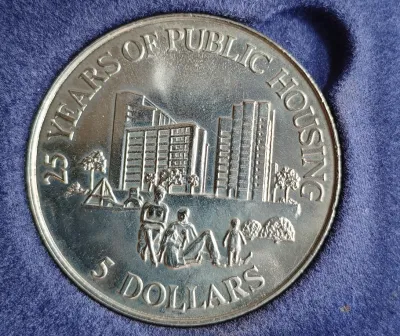
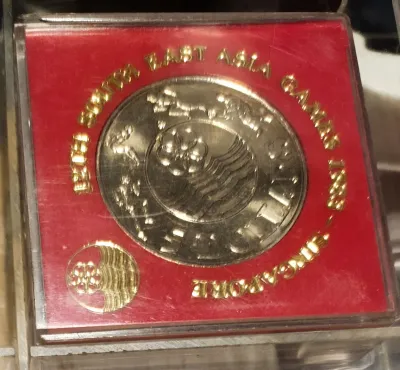
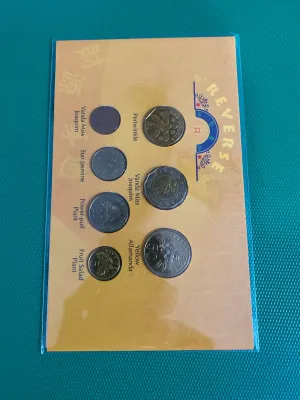
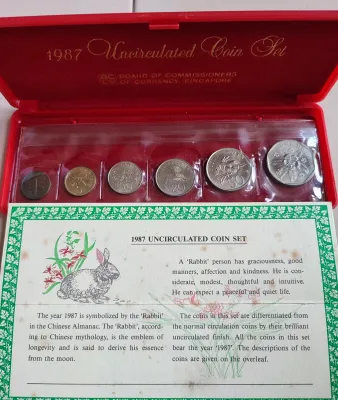
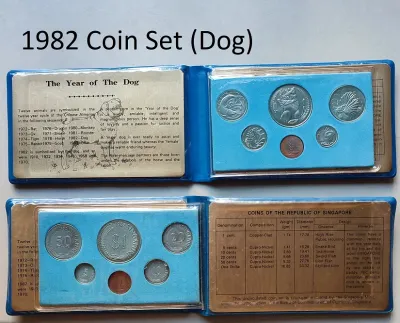
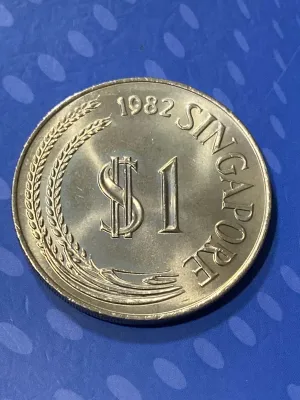
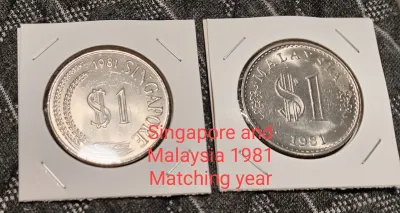
Prices are valid at publication and may change. Please refer to the product page for the latest price.
In contrast, display-grade coins are produced with an emphasis on artistic definition and visual impact. Minting authorities, such as the Monetary Authority of Singapore in partnership with the Singapore Mint, produce specialized editions specifically for collectors and cultural preservation. These include Brilliant Uncirculated (BU) coins and proof editions. Brilliant Uncirculated coins are struck using polished dies on high-quality blanks, preserving a clean, unblemished surface with a bright, uniform luster. They are handled with care throughout the manufacturing process and packaged immediately to prevent any physical wear.
Proof coins represent the absolute pinnacle of the minting craft and are highly prized for cultural displays. These pieces are struck multiple times using specially prepared, hand-polished dies on burnished metal planchets. This meticulous process creates a striking visual contrast: the flat background fields of the coin achieve a mirror-like, highly reflective finish, while the raised design elements feature a soft, frosted texture. This dramatic interplay of light and shadow makes proof coins exceptionally beautiful when showcased under controlled residential lighting.
Official minting authorities issue these specialized pieces in limited mintages, often to commemorate specific historical events, cultural traditions, or national achievements. Because they are packaged in protective capsules and accompanied by official documentation, they are intended from the outset to serve as historical records and cultural artifacts. Transitioning these pieces into your home decor allows you to preserve and celebrate these artistic narratives in a highly visible, personal way.
Choosing Cultural Themes for Your Home Display
Selecting the right themes for your coin collection is a deeply personal process that should also harmonize with your home’s existing interior design. Rather than acquiring random pieces, focusing on cohesive thematic categories allows you to tell a structured visual story. A well-curated display acts as an artistic focal point, drawing the eye and inviting conversation about the history and culture represented within the frame.

When planning your display, consider how different coin designs and metal tones complement your room’s color palette and furniture style. For instance, traditional or heritage-inspired interiors featuring dark wood, classic shelving, and warm lighting pair beautifully with the rich, deep tones of gold-plated or antique-finished coins. Conversely, modern minimalist spaces with clean lines, neutral walls, and cool lighting are elevated by the sleek, bright white luster of fine silver coins or the contemporary look of bi-metallic issues. Eclectic spaces offer the freedom to mix various shapes, sizes, and selective color applications to create a vibrant, dynamic gallery wall.
National Milestones and Heritage Architecture
Coins that feature historical landmarks and civic milestones are excellent choices for creating a display centered on heritage and national identity. These designs often depict iconic structures that define the local skyline, such as the historic Raffles Hotel, the majestic Victoria Theatre, or the colonial-era bridges spanning the Singapore River. Other issues celebrate key civic anniversaries, foundational achievements, or the opening of major national infrastructure.
These architectural and historical engravings bring a sense of structure, dignity, and timelessness to an interior space. The highly detailed, linear engravings of buildings and bridges catch low-angle spotlighting beautifully, emphasizing the depth of the relief work. Displaying these pieces in a study, home office, or formal living room adds an intellectual and historical dimension to the decor, celebrating the physical and cultural evolution of the city-state.
Cultural Festivals, Flora, and Zodiac Series
For a more vibrant, organic, and culturally resonant display, coins celebrating local festivals, native flora, and lunar zodiacs offer incredible visual variety. Singapore’s multicultural tapestry is frequently celebrated through beautifully designed coins commemorating major cultural festivals. Additionally, the long-running Lunar Zodiac series features stylized animal motifs that change annually, often incorporating unique shapes, such as octagonal borders or floral-edged planchets.
Flora and fauna themes, particularly those showcasing the national flower, the Vanda Miss Joaquim orchid, or native bird species, introduce a softer, natural aesthetic to your home. These coins often feature selective color-application technology, bringing vivid pinks, purples, and greens directly onto the metal surface. These colorful and thematic pieces are highly versatile; you can display them as year-round cultural accents in light, airy, or Scandinavian-inspired spaces, or rotate them seasonally to align with annual festive celebrations.
Evaluating Metals and Finishes for Visual Impact
The metal composition and surface finish of a coin dictate how it interacts with light, how easily it can be viewed, and the level of maintenance it will require over time. Understanding these characteristics is essential for choosing the right display environment and lighting setup. Different finishes offer distinct aesthetic qualities, and matching them to your room’s ambient light is key to a successful exhibition.
Proof finishes, with their mirror-like backgrounds and frosted details, offer the highest contrast and a luxury aesthetic. However, because the fields are highly reflective, they are susceptible to glare. If placed directly under harsh, overhead spotlights, the design can become difficult to see due to intense reflections. To maximize the visual impact of a proof coin, display it under soft, diffused ambient light, or position dedicated LED display lights at an angle to highlight the frosted relief without reflecting light directly back into the viewer’s eyes.
Brilliant Uncirculated finishes provide a more uniform, satin-like luster. This finish scatters light softly across the coin’s surface, making the details highly readable from various viewing angles and under diverse lighting conditions. BU coins are highly practical for open-room displays, such as on a console table or a floating shelf, where light levels change throughout the day.
Antique finishes are chemically treated to create a darkened, aged appearance, with the high-relief areas polished back to a lighter metal tone. This finish is outstanding for historical or high-relief artistic coins, as it completely eliminates glare, resists showing minor handling marks, and gives the piece a timeless, classic look that complements rustic, industrial, or traditional decor.
| Metal Type | Visual Appearance | Lighting Interaction | Maintenance & Sensitivity |
|---|---|---|---|
| Fine Silver | Bright, highly reflective white luster | Excellent contrast; prone to glare under direct light | High sensitivity to sulfur; requires airtight encapsulation to prevent black tarnish |
| Gold / Gold Plating | Warm, rich yellow glow; luxurious appeal | Reflects warm light beautifully; highly visible | Low chemical reactivity; soft metal that scratches easily under physical contact |
| Cupronickel / Brass | Cool silver-grey or warm golden-bronze | Moderate, soft reflection; highly readable | Moderate sensitivity to humidity; can develop a dull patina if exposed to open air |
When selecting coins, always check the manufacturer’s official specifications regarding metal purity and protective coatings. Fine silver and gold are highly prized for their intrinsic beauty and detail retention, but they are softer and more sensitive to environmental factors than base metals. Knowing the exact metal composition helps you plan the appropriate protective measures for your display.
Verifying Authenticity and Condition Before Purchase
Acquiring display-grade coins requires careful verification to ensure you are purchasing authentic, high-quality pieces that will maintain their aesthetic and collectible value. The secondary market and online marketplaces can contain altered, improperly cleaned, or counterfeit pieces. Protecting your collection starts with knowing what details to verify before making a purchase.
First, always prioritize coins that come with their original mint packaging and documentation. Official commemorative issues from authorized distributors typically include a custom-fitted, airtight acrylic capsule, a high-quality presentation box, and a numbered Certificate of Authenticity. The certificate is a crucial document that details the coin’s exact specifications, including its metal purity, weight, diameter, and maximum mintage limit. Matching the serial number on the certificate with the official mint records provides peace of mind regarding the coin’s provenance.
Second, inspect the coin’s surface closely for signs of improper cleaning or alteration. A common issue with older or secondary-market coins is that well-meaning owners may have polished them with abrasive cloths or harsh chemical cleaners to remove tarnish. This destructive process strips away the coin’s original mint luster, leaving behind microscopic scratches known as hairlines. A cleaned coin will have an unnatural, flat, mirror-like shine that lacks the sharp, crisp details of an untouched piece, severely diminishing both its visual appeal and its historical value.
Finally, familiarize yourself with the official specifications of the coin you wish to acquire. Consult official mint publications, authorized dealer catalogs, or product labels to verify the correct weight, diameter, edge reeding, and design details. If purchasing in person, use a magnifying loupe to inspect the fine details of the engraving; counterfeit coins often exhibit soft, mushy details, uneven lettering, or incorrect metal colors. When buying online, stick to reputable, authorized dealers or established numismatic platforms with clear return policies and authenticity guarantees.
Showcasing and Protecting Coins in Your Home
Once you have selected and verified your cultural coin artifacts, the final step is to display them in a way that highlights their beauty while protecting them from environmental damage. Singapore’s tropical climate presents unique challenges for coin preservation. High relative humidity and ambient warmth accelerate chemical reactions, which can lead to rapid tarnishing, unsightly toning, or the development of damaging corrosion on silver and base metal coins.
To safeguard your collection, never display loose coins directly on open shelves or in contact with acidic materials. Always keep your coins sealed inside high-quality, airtight acrylic capsules. Ensure these capsules are made from archival-safe, PVC-free materials. Standard PVC (polyvinyl chloride) plastics off-gas acidic compounds over time, which react with the coin’s metal to create a sticky, green residue that permanently corrodes the surface. Opt for inert plastics such as polymethyl methacrylate or polyethylene.
When choosing a display setup, select specialized coin display cases, shadow boxes, or acrylic stands designed specifically for collectibles. These display solutions should be positioned away from direct sunlight. Ultraviolet rays can quickly fade the fabric lining of presentation boxes, dry out and crack wooden frames, and elevate the temperature inside coin capsules, accelerating chemical oxidation. Position your display on interior walls, away from windows and air conditioning vents that blow cold air directly onto the case, as rapid temperature fluctuations can cause condensation to form inside the display.
Managing humidity is critical for long-term preservation. If you are using a closed glass display cabinet or a shadow box, place a few rechargeable silica gel packs inside the enclosure to absorb excess moisture from the air. For highly valuable or sensitive collections, displaying them in a room that is regularly air-conditioned or utilizing a dedicated electronic dry cabinet—similar to those used for camera equipment—provides the ultimate level of protection against humidity-induced tarnish.
Establish a strict handling routine to prevent accidental damage. Never touch a display-grade coin with bare hands. The natural oils, sweat, and acids present on human skin leave invisible residues that react with the metal, eventually forming permanent, dark fingerprints that cannot be removed without damaging the coin’s finish. Always wear clean, lint-free cotton or nitrile gloves when handling your coins, and hold them strictly by their outer edges.
If a coin capsule accumulates dust, clean the exterior of the capsule with a soft, dry microfiber cloth. Never attempt to open the capsule to clean, polish, or chemically dip the coin inside. If you notice that a coin has developed severe tarnish, spotting, or corrosion, do not attempt any DIY cleaning methods, as these will permanently scratch the delicate surface. Stop immediately and consult a professional numismatic conservator who has the specialized tools and expertise to safely stabilize and preserve the artifact.
Frequently Asked Questions (FAQ)
Can I display regular circulation Singapore coins as cultural artifacts?
Yes, regular circulation coins can be used effectively in casual, creative, or DIY home decor projects, but they offer a very different aesthetic than dedicated display-grade pieces. Circulation coins carry the physical marks of their history, including scratches, minor dents, and a dull patina from being handled. While this worn appearance can add a rustic, nostalgic charm to a casual shadow box, a coffee table display, or a historical timeline frame, it lacks the brilliant visual clarity required for a formal, high-end exhibition. For displays where the primary goal is to highlight fine engraving, pristine metal finishes, and intricate design details, it is highly recommended to use uncirculated or proof commemorative coins that have been kept in protective capsules since their minting.
How should I clean a tarnished collectible coin before displaying it?
As a general rule, you should never attempt to clean a tarnished collectible coin yourself. Abrasive cleaning cloths, commercial metal polishes, and chemical coin dips are highly destructive; they strip away the microscopic surface layers of the metal, permanently destroying the coin’s original mint luster and leaving behind a dull, washed-out appearance or fine scratches. In the world of coin collecting, a natural patina or gentle toning is often valued as a sign of age and authenticity. If a coin has loose surface dust, you can gently blow it away using a manual air bulb or dust it lightly with a clean, dry, ultra-soft makeup brush. If a valuable coin suffers from severe corrosion or unsightly residue, halt all cleaning attempts and seek the advice of a professional numismatic conservator.
Community discussion
Share your experience or ask a question. Comments are reviewed before publication.