
Finding the perfect Sunshine LED pendant light to complement a Japandi aesthetic requires balancing the clean, functional lines of Scandinavian design with the rustic, organic warmth of traditional Japanese interiors. While Sunshine offers a diverse range of energy-efficient LED fixtures, not every model fits this highly curated style. Homeowners must look beyond basic illumination to evaluate how a fixture’s form, material finish, and light quality interact with a minimalist space. By focusing on key design markers—such as matte textures, warm color temperatures, and adjustable drop lengths—you can select a fixture that enhances your home’s serene atmosphere. Because specific product availability fluctuates across retail channels, the key to success lies in knowing how to evaluate Sunshine’s product specifications, dimensions, and materials against these design principles.
Defining Japandi Characteristics for Pendant Lights
To choose the right lighting, you must first understand the core visual and functional criteria of the Japandi aesthetic. This design movement is a harmonious fusion of Japanese “wabi-sabi”—the appreciation of imperfection and natural beauty—and Scandinavian “hygge,” which emphasizes cozy comfort and contentment. When applied to pendant lights, this hybrid style demands fixtures that serve as quiet, elegant focal points rather than loud, distracting statements.
Minimalist silhouettes form the foundation of Japandi lighting. You should look for clean lines and simple geometric shapes, such as soft domes, perfect spheres, or flat, low-profile discs. Avoid fixtures with ornate detailing, intricate crystal embellishments, or heavy visual weight that can clutter the ceiling plane. The goal is to maintain an airy, open feel throughout the room, allowing the light fixture to blend seamlessly into the surrounding architecture when turned off.
Products mentioned in this guide
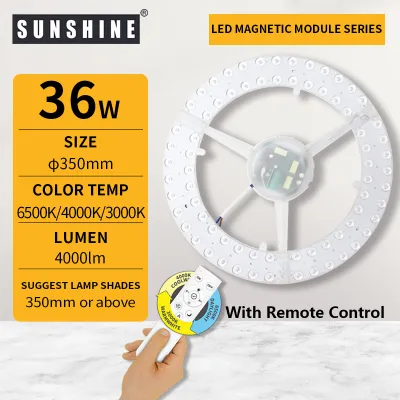
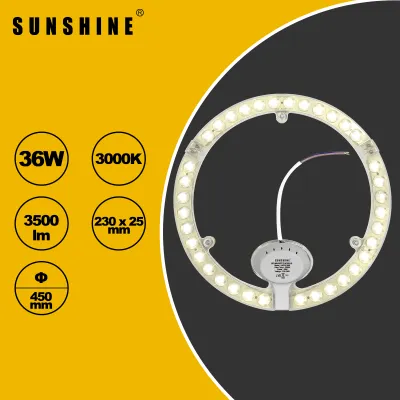
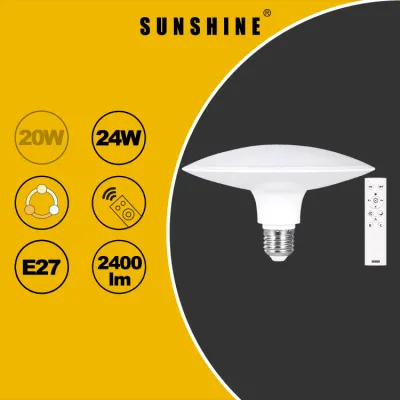
Prices are valid at publication and may change. Please refer to the product page for the latest price.
Natural textures and matte finishes are equally critical. Japandi spaces rely heavily on organic materials to introduce warmth and tactile interest. When evaluating pendant lights, prioritize finishes like wood-look accents, paper-like diffusers, or muted matte metals in shades of soft white, charcoal, or brushed brass. High-gloss plastics, polished chrome, and overly industrial raw metals should be avoided, as their reflective surfaces can feel cold and clinical, disrupting the calm, grounded atmosphere of the room.
Finally, the quality of the light itself must be warm and diffused. Japandi interiors reject harsh, direct glare and exposed light sources. Instead, the ideal fixture utilizes integrated diffusers or shaded designs that scatter light gently across the space. This creates a soft, ambient glow that mimics natural daylight filtering through paper screens, casting gentle shadows and fostering a relaxing environment suitable for unwinding at the end of the day.
Evaluating Sunshine LED Specifications for Japandi Spaces
When browsing the Sunshine LED product range, you must carefully interpret packaging labels and technical specification sheets to ensure a model aligns with your design goals. Because you cannot always test the light quality in a retail environment, relying on standardized technical specifications is the most reliable way to predict how a fixture will perform in your home.

Your first step is to check the color temperature indicator on the packaging. Color temperature is measured in Kelvin (K), and for a cozy Japandi atmosphere, you should target the warm white range, typically between 2700K and 3000K. This range emits a soft, golden glow that enhances natural wood tones and neutral color palettes. Avoid cool white options of 5000K or higher, which are better suited for utility spaces, and use neutral white (4000K) only if the pendant is intended strictly for high-focus task areas like a kitchen prep counter.
Next, verify the material and finish descriptions listed in the product specifications. Look for terms such as “powder-coated matte,” “sandblasted finish,” or “synthetic wood accents.” If you are purchasing online or cannot view a physical display model, these descriptions provide essential clues about how the fixture will interact with ambient light. A matte finish absorbs light, contributing to a soft, understated look, whereas a glossy finish reflects light sharply, which can create distracting hot spots on the fixture’s surface.
Lumen output and diffuser types must also be assessed in tandem. Lumens measure the total amount of visible light emitted by a source. For a dining or living area pendant, a high lumen output is unnecessary and can cause visual discomfort if the light source is direct. Look for Sunshine LED models that feature built-in opal, frosted, or fabric diffusers. These components scatter the light rays, reducing glare and ensuring that the illumination remains comfortable for your eyes, even when sitting directly beneath the fixture.
Dimmability is another highly desirable feature for Japandi spaces, as it allows you to adjust the light levels to match different times of day and moods. Check the product specifications to confirm if the Sunshine LED model is dimmable. If it is, verify whether it requires a specific type of wall dimmer switch, such as a trailing-edge dimmer, or if it is compatible with smart home dimming systems. Ensuring compatibility beforehand prevents issues like flickering or buzzing once the light is installed.
Lastly, do not overlook basic electrical specifications and safety certifications. Verify that the fixture’s voltage rating matches your local electrical supply, which is typically 220V to 240V. Check the wattage limits to ensure your home’s wiring can safely support the fixture, and look for recognized local electrical safety marks on the packaging. These certifications guarantee that the product has undergone rigorous testing for electrical safety, insulation, and fire resistance.
Sizing and Proportions for Singapore Apartment Ceilings
Selecting a pendant light is not just an aesthetic decision; it is also a spatial one. In Singapore, where standard HDB flats and condominium apartments typically feature ceiling heights between 2.6 and 2.8 meters, physical dimensions and drop lengths must be calculated carefully. A fixture that is too large or hangs too low can make a room feel cramped, while one that is too small will fail to anchor the space.
To maintain spatial harmony, you must measure your ceiling height and calculate the optimal drop length before making a purchase. If you are hanging a pendant light over a dining table or a kitchen island, a general rule of thumb is to position the bottom of the fixture 75 to 90 centimeters above the tabletop. This height ensures the light source is low enough to create an intimate dining atmosphere without obstructing your view of guests sitting across from you. For open walkways or living areas, the bottom of the fixture must clear the floor by at least 2.1 meters to ensure safe passage for taller individuals.
The diameter of the fixture should also be proportional to the furniture beneath it. For a dining table, choose a pendant light with a diameter that is approximately one-third to one-half the width of the table. For example, if your dining table is 90 centimeters wide, a pendant light with a diameter of 30 to 45 centimeters will look balanced. Using a fixture that exceeds these proportions can overwhelm the dining area, while a tiny fixture will look disconnected from the furniture.
Given the compact vertical space in many local homes, cord adjustability is a critical feature to verify. Many Sunshine LED pendant lights come with adjustable suspension cables, allowing you to customize the drop length during installation. Always check the product specifications to confirm the minimum and maximum hanging heights. Avoid fixtures with rigid, non-adjustable metal downrods unless you have verified that the fixed length matches your ceiling height and furniture proportions precisely.
Building Your Conditional Shortlist
Because lighting inventory changes frequently, creating a structured framework is the most effective way to compare available Sunshine LED models against your Japandi design criteria. By establishing a systematic evaluation process, you can quickly filter out unsuitable options and focus on the fixtures that will truly enhance your home.
Begin by creating a simple comparison matrix for the models you find in-store or on online marketplaces. Your matrix should track four primary columns: finish texture, color temperature, physical dimensions, and dimmability. By listing these specifications side-by-side, you can easily identify which models meet all your aesthetic and functional requirements. For instance, a model with a beautiful matte finish but a fixed, non-dimmable cool-white light source should be flagged for further consideration or ruled out.
You should also establish immediate dealbreakers to streamline your search. Any fixture that features a fixed, non-replaceable cool-white LED module without dimming capabilities should be eliminated immediately, as it cannot produce the warm, cozy light essential for Japandi design. Similarly, avoid models with non-adjustable suspension cords or those constructed from cheap, highly reflective plastics that attempt to mimic natural materials but fail under close inspection.
Before finalizing your purchase, take the time to verify the warranty terms and return policies offered by the retailer or manufacturer. A reliable warranty provides peace of mind, especially for fixtures with integrated LED modules that cannot be easily replaced like standard light bulbs. Additionally, inquire about the availability of replacement parts, such as compatible LED drivers or replacement diffusers, to ensure your investment remains functional for years to come.
Installation and Electrical Safety Boundaries
Once you have selected the perfect Sunshine LED pendant light, proper installation is crucial to ensure both aesthetic success and physical safety. Hanging a pendant light involves working with electrical wiring and suspended loads, both of which require strict adherence to safety protocols.
Before mounting your new fixture, you must inspect the existing ceiling junction box. Ensure that the box is securely anchored to the concrete ceiling slab or structural framing, rather than just the plasterboard of a false ceiling. Pendant lights exert continuous downward tension, and an improperly secured junction box can lead to structural failure over time. If you are installing a heavier fixture, verify that the junction box is rated to support the specific weight of the light.
Electrical safety must be your top priority during the installation process. Always isolate the power supply by turning off the main circuit breaker at your home’s distribution board before touching any wires. Do not rely solely on the wall switch to cut the power. Use a reliable, non-contact voltage tester to confirm that the wires at the ceiling junction box are completely dead before proceeding with the installation.
While basic fixture replacements can sometimes be performed by confident DIY enthusiasts, you must recognize your limits and know when to call a professional. If your installation requires running new electrical cables, installing a new junction box, modifying a false ceiling, or if you encounter missing ground wires, stop immediately. In Singapore, you should always engage a licensed electrical worker (LEW) to handle these complex tasks. A professional installation ensures compliance with local electrical codes, protects your home warranty, and guarantees the safety of your household.
Frequently Asked Questions (FAQ)
Can I change the color temperature of a fixed LED pendant light?
If your Sunshine LED pendant light features an integrated LED module, the color temperature is set during manufacturing and cannot be changed by simply swapping a bulb. However, some modern integrated fixtures come with a built-in color-tuning switch (often labeled CCT) located on the driver or inside the canopy, allowing you to select between warm white, cool white, and daylight during installation. If the fixture uses a standard screw-in socket, such as an E27 base, you can easily customize the color temperature at any time by purchasing and installing a compatible LED bulb with your preferred Kelvin rating.
How do I clean matte or textured finishes without damaging them?
Matte and textured finishes require gentle care to preserve their non-reflective qualities. For routine maintenance, use a dry, clean microfiber cloth or a soft-bristled dusting brush to remove surface dust without scratching. If the fixture has fingerprints or light smudges, wipe it gently with a slightly damp microfiber cloth using water only. Avoid using harsh chemical cleaners, abrasive scrubbing pads, or glass cleaners, as these substances can strip the matte protective coating, leaving permanent shiny patches or discoloration on the surface of your light fixture.

Community discussion
Share your experience or ask a question. Comments are reviewed before publication.