
Selecting the ideal clay urli bowl for a multicultural home in Singapore involves finding a balance between heritage craftsmanship and contemporary interior design. These traditional vessels, historically used for cooking or ceremonial purposes, have evolved into versatile decorative accents that fit beautifully into diverse spaces, from modern minimalist apartments to eclectic, heritage-rich homes. To choose the right piece, you must evaluate how the raw texture of clay interacts with your existing decor, determine the correct proportions for your display surfaces, and understand the maintenance required to keep water arrangements fresh in a tropical climate.
Defining the Aesthetic Role of Urli Bowls in Your Home
Historically, the urli is a traditional clay or metal vessel originating from southern India, where it was primarily used for cooking large meals or preparing Ayurvedic medicines before transitioning into a ceremonial welcoming piece filled with water and flowers at temple entrances. In contemporary Singaporean homes, this classic object has been reimagined as a bridge between diverse cultural aesthetics. Whether placed in a modern condominium foyer or a heritage-inspired HDB flat, the clay urli serves as a grounding element that introduces organic warmth to modern interiors.
Clay, as a primary material, carries a distinct visual weight and tactile quality that synthetic materials cannot replicate. Its earthy, porous texture provides an immediate connection to nature, softening the sharp lines, glass surfaces, and metallic finishes often found in urban apartments. This grounding effect is particularly valuable in creating a serene, balanced atmosphere, helping to slow down the visual pace of a room.
Products mentioned in this guide


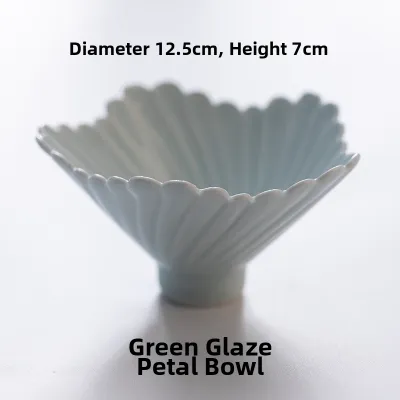
Prices are valid at publication and may change. Please refer to the product page for the latest price.
Furthermore, the inclusion of water and floating elements within the bowl taps into universal design philosophies. Across various cultures, still or gently moving water symbolizes tranquility, clarity, and the flow of positive energy, aligning closely with both Vastu Shastra and Feng Shui principles. By displaying floating blossoms, green leaves, or flickering tea lights, you create a dynamic, living centerpiece that celebrates natural beauty and fosters a welcoming, peaceful ambiance for residents and guests alike.
Choosing the Right Size and Proportions for Your Space
Selecting the correct dimensions for your clay urli bowl is essential to maintain visual harmony and ensure the vessel does not overwhelm or get lost in its surroundings. Before purchasing, measure the exact surface area of your intended display spot, whether it is an entryway console, a dining table, or a dedicated floor corner. A bowl that is too large can restrict movement and clutter a tabletop, while a piece that is too small may fail to make the desired visual impact.

For elevated surfaces like sideboards, coffee tables, or console tables, a diameter of 20 to 30 centimeters is generally ideal. This size allows for a beautiful arrangement of flowers and water without dominating the surface, leaving ample room for other decorative items or functional space. If you plan to place the urli on the floor—such as beside a main entrance, at the base of a staircase, or in a sheltered balcony corner—look for larger diameters ranging from 40 to 60 centimeters. These larger vessels have the physical presence needed to anchor a floor-level display.
Depth is another critical factor that influences both the visual weight of the bowl and its practical utility. A shallow bowl, with a depth of 5 to 8 centimeters, is perfect for displaying delicate flower petals and small tea lights, requiring less water and keeping the arrangement light and airy. Deeper bowls, measuring 10 centimeters or more, offer greater water capacity, which helps maintain water clarity for longer periods and allows for larger, whole blossoms like lotus flowers or thick-stemmed orchids. However, keep in mind that a deeper clay bowl filled with water becomes significantly heavier, requiring a highly stable, load-bearing surface.
Matching Design Variations to Your Interior Style
The finish and design of a clay urli bowl dictate how seamlessly it integrates with your home’s existing interior style. Unglazed terracotta bowls offer a raw, matte texture with warm, earthy tones ranging from pale ochre to deep brick red. This rustic aesthetic is highly suited for bohemian, tropical, or rustic decor themes, where natural imperfections and organic textures are celebrated. The unglazed surface develops a natural patina over time, adding character and a sense of history to your space.
Conversely, glazed or painted clay urli bowls provide a more polished, contemporary look that can complement modern, transitional, or eclectic interiors. Glazed finishes can feature vibrant jewel tones, subtle pastels, or metallic accents like gold and bronze leafing. A glazed interior not only adds a beautiful reflective quality when filled with water but also acts as a functional barrier, preventing water from seeping through the porous clay. Painted designs often incorporate intricate hand-painted motifs, allowing you to introduce specific accent colors that coordinate with your living room textiles, rugs, or wall art.
When choosing between traditional hand-carved motifs and minimalist shapes, consider the architectural lines of your room. Urli bowls featuring traditional carved borders, floral patterns, or scalloped edges bring a sense of classic craftsmanship and cultural depth, making them excellent focal points in homes that embrace heritage decor. For highly modern or minimalist spaces, a sleek, unadorned bowl with clean, geometric lines and a smooth finish will provide a subtle nod to tradition without disrupting the clean, uncluttered aesthetic of the room.
Inspecting Craftsmanship and Material Quality Before Buying
Because clay is a natural, fragile material, conducting a thorough quality inspection before finalizing your purchase is vital to ensure long-term durability. Begin by examining the overall structural symmetry of the bowl. Rotate the vessel and look at it from eye level to check that the rim is perfectly level and the walls are of uniform thickness. Uneven walls can create structural weak points, making the bowl more susceptible to cracking under the weight of water or during handling.
Next, inspect the surface closely for any hairline cracks, tiny fissures, or deep pitting. While minor surface texture variations are normal in handmade pottery, actual cracks can expand over time, especially when the clay absorbs water and undergoes temperature changes in air-conditioned rooms. Gently tap the side of the bowl with your knuckle; a high-quality, well-fired clay vessel should produce a clear, resonant ring, whereas a dull, flat thud can indicate internal structural flaws or hidden cracks.
Waterproofing is another essential consideration for porous clay. If you select an unglazed terracotta bowl, verify whether it has been pre-treated with a clear, non-toxic waterproof sealant on the inside. Unsealed clay will naturally absorb water, leading to external dampness, condensation, and potential damage to wooden or veneered furniture underneath. Finally, check the base of the bowl. It must be perfectly flat and stable to prevent tipping. Ensure the bottom surface is smooth or sand it gently yourself, and consider applying small felt or silicone pads to the base to protect your delicate tabletops from scratches.
Styling Water and Floating Arrangements for Maximum Impact
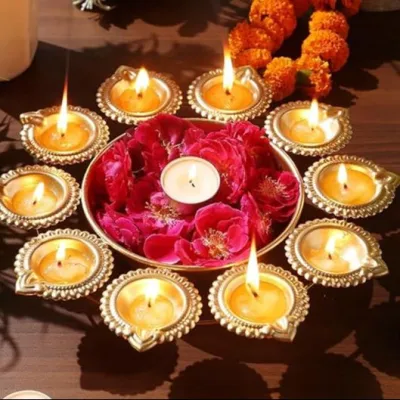
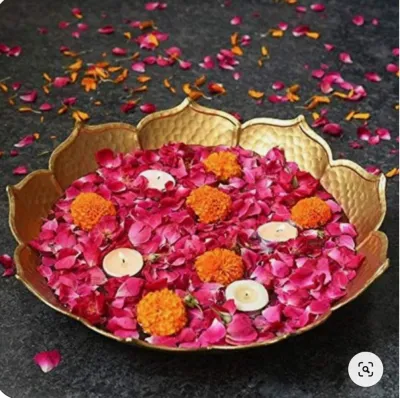
Styling your clay urli bowl is where you can truly express your personal aesthetic and adapt the vessel to different occasions. For a classic, vibrant look during festive celebrations like Deepavali or Lunar New Year, fill the bowl with bright, contrasting blossoms. Marigold petals, jasmine buds, and red rose petals arranged in concentric circular patterns create a stunning visual mosaic. Adding a few floating wax candles or traditional clay diyas in the center elevates the arrangement, casting a warm, flickering glow that reflects beautifully off the water’s surface.
For everyday styling in a minimalist or contemporary home, a more restrained approach often works best. Instead of packing the surface with petals, float a single, perfect blossom—such as a white frangipani, a pink lotus, or a local orchid—alongside a couple of green leaves. This clean, spacious arrangement emphasizes the natural beauty of the individual flower and allows the texture of the clay and the stillness of the water to take center stage, promoting a sense of calm and mindfulness.
Maintaining water clarity is crucial when displaying an urli indoors, particularly in Singapore’s warm climate where stagnant water can quickly become a breeding ground for mosquitoes or develop unpleasant odors. Always use clean, filtered water to fill your bowl. To prevent stagnation, change the water every one to two days, especially if you are using fresh flowers that release organic matter. If the bowl is kept in an air-conditioned room, the water will evaporate more quickly, so check the level daily and top it up as needed to keep your floating elements buoyant.
Final Purchase Checks and Long-Term Care Routine
When purchasing a clay urli bowl, especially from online marketplaces or specialty boutique retailers, pay close attention to the seller’s packaging standards and return policies. Clay is highly fragile, and transit can be harsh on unreinforced ceramic items. Ensure the seller uses robust protective packaging, such as thick bubble wrap, molded foam, or double-boxing, and check that they offer a clear return or replacement policy in the event of transit damage.
Long-term care is straightforward but requires consistency to preserve the beauty of the clay. When cleaning your bowl, avoid harsh chemical detergents, bleach, or abrasive scrubbing pads, which can strip away painted finishes, damage glazes, or seep into porous unglazed clay. Instead, use a soft sponge or microfiber cloth with warm water and a tiny amount of mild, pH-neutral soap. Rinse thoroughly and allow the bowl to dry completely in a well-ventilated, shaded area before refilling it or putting it into storage.
To prevent the growth of mold or mildew, never leave water sitting in an unglazed clay bowl for extended periods without drying. If you plan to leave your home empty for a vacation, or if you simply want to take a break from displaying water, empty the bowl, clean it gently, and let it air-dry completely. Store the dry vessel in a cool, dry place away from direct sunlight, wrapped in a soft cloth or bubble wrap to protect it from accidental chips and dust.
Frequently Asked Questions (FAQ)
Can unglazed clay urli bowls be used outdoors in Singapore's climate?
Unglazed clay urli bowls can be used outdoors, but they require specific care due to Singapore’s high humidity, intense sunlight, and heavy rainfall. Raw terracotta is highly porous and will absorb rainwater, which can lead to rapid algae growth, mold, and structural weakening over time. To protect the bowl, apply a high-quality, breathable outdoor terracotta sealer to both the interior and exterior surfaces. Additionally, place the bowl in a sheltered outdoor area, such as a covered patio, balcony, or veranda, to shield it from direct downpours and prolonged, intense afternoon sun, which can cause the clay to dry out too quickly and crack.
How do I prevent water stains or mineral buildup on the clay surface?
Water stains and white mineral deposits, known as efflorescence, occur when dissolved minerals in tap water seep through porous clay and crystallize on the surface as the water evaporates. To minimize this, use distilled or filtered water instead of hard tap water to fill your urli bowl. If you notice white powdery buildup or water rings forming, do not use harsh chemical descalers. Instead, create a gentle cleaning solution using equal parts warm water and white vinegar. Gently wipe the affected areas with a soft cloth dipped in the solution, rinse thoroughly with clean water, and dry the bowl completely with a soft towel to restore its natural finish.
Community discussion
Share your experience or ask a question. Comments are reviewed before publication.