
Selecting the right wooden photo frames for your walls involves balancing aesthetic appeal with structural practicality. In Singapore’s unique living environments, where high humidity and concrete walls are standard, choosing a frame is not just about finding an attractive design. A successful wall display requires selecting materials that resist moisture, choosing hardware compatible with your specific wall type, and identifying brands that offer transparent product specifications.
When shopping for wooden frames, the ideal choice depends on matching the frame’s physical characteristics to your home’s environmental conditions. By focusing on material construction, protective finishes, and secure mounting systems, you can ensure your cherished memories and art pieces remain safely displayed for years. This guide provides the practical criteria needed to evaluate wooden frame options and plan a secure, visually balanced wall display.
Evaluating Wood Materials and Finishes for Singapore's Climate
The tropical climate of Singapore presents distinct challenges for wooden home decor. High relative humidity can cause wood to absorb moisture, leading to warping, joint separation, and mold growth. Understanding the differences between solid wood and engineered wood is the first step in selecting a frame that will maintain its shape and beauty over time.
Products mentioned in this guide
![[SG Stock] Wooden Picture Frame Wooden Photo Frame- Wall Art Poster Painting Hanging Stand Table Decor A3 A4 4R 5R](https://img.lazcdn.com/g/p/dbe873a1b973510e498244e54cebad2f.jpg_400x400q80.jpg_.webp)


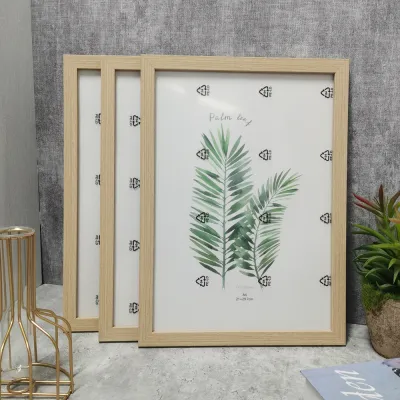
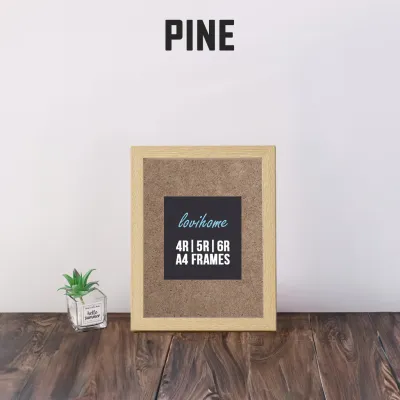

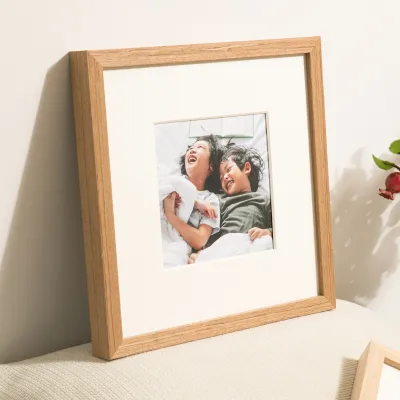
Prices are valid at publication and may change. Please refer to the product page for the latest price.
Solid wood frames are highly prized for their natural grain patterns, weight, and classic appeal. Hardwoods such as oak, ash, and teak are naturally dense and durable, making them excellent choices for premium framing. Teak, in particular, contains natural oils that offer inherent moisture resistance. Softwoods like pine are lighter and more affordable but are more porous and susceptible to moisture absorption if not properly sealed. Rubberwood, a medium-density hardwood common in Southeast Asia, is another stable option, provided it has been properly kiln-dried and treated to prevent insect infestation and fungal growth. Kiln-drying is a critical process that reduces the wood’s internal moisture content to a stable level, minimizing the risk of warping when the frame is exposed to local humidity.
The texture of the wood also plays a role in maintenance. Open-grain woods, such as oak and ash, have prominent pores that give the frame a tactile, rustic feel. However, these open pores can trap dust and moisture if the wood is not properly sealed with a grain filler before finishing. Closed-grain woods, like maple or cherry, have a much smoother surface that is easier to seal completely, making them slightly more resistant to surface mold accumulation and easier to wipe clean.
Engineered wood, such as Medium-Density Fibreboard (MDF) or plywood, is a popular and practical alternative for wall frames. MDF is made by compressing wood fibers with adhesive resins under high pressure, resulting in a stable material that does not warp or twist with temperature and humidity fluctuations. High-quality MDF frames are often wrapped in a decorative wood veneer or finished with a smooth lacquer, providing the look of solid wood at a lower weight and cost. However, if moisture penetrates the protective outer layer of MDF, the core can swell and degrade, making high-quality edge sealing essential.
To protect both solid and engineered wood from the humid air, a robust protective finish is crucial. Look for frames that have been sealed with polyurethane, lacquer, or a moisture-resistant varnish. These finishes create an impermeable barrier that prevents water vapor from penetrating the wood fibers. Unfinished or lightly waxed raw wood frames should generally be avoided in non-air-conditioned spaces, as they remain highly vulnerable to mold spores and moisture-induced warping.
When evaluating a frame’s physical quality, inspect the construction details closely. Check the corner joints to ensure they are tightly joined with no visible gaps; high-quality frames use V-nails and strong wood glue to reinforce the mitered corners. The backing board should also be moisture-resistant, such as treated MDF or sealed backing paper, rather than raw, corrugated cardboard which easily absorbs moisture and can transfer dampness to your artwork.
Wall Mounting and Weight Limits for HDBs and Condos
Installing frames securely in Singapore homes requires an understanding of local wall construction. Most Housing & Development Board (HDB) flats and condominium units feature structural walls made of precast concrete or reinforced concrete. Internal partition walls, however, are often constructed from drywall or gypsum board. Each wall type demands a completely different approach to mounting and hardware.

Concrete walls offer exceptional load-bearing capacity but require mechanical drilling for secure installation. To hang a wooden frame on a concrete wall, you must use a rotary hammer drill with a masonry drill bit to create a hole, insert a plastic wall plug (anchor), and then drive in a metal screw. This method provides a highly secure hold that can easily support heavy, large-format solid wood frames. It is the safest option for preventing valuable frames from falling due to adhesive failure.
Drywall and partition walls are much softer and cannot support heavy loads without specialized anchors. Standard nails or simple screws will quickly pull out of gypsum board under tension. For lightweight wooden frames, self-drilling drywall anchors or plastic toggle plugs are sufficient. For heavier solid wood frames, heavy-duty metal toggle bolts that expand behind the drywall panel are necessary to distribute the weight safely. Alternatively, locating the timber or metal studs behind the drywall using a stud finder allows you to screw directly into the wall’s structural frame for maximum support.
Before drilling any holes into your walls, safety must be your primary concern. HDB and condo walls often house concealed electrical conduits and water pipes. Drilling into a live wire or a water line can cause severe damage and safety hazards. Using a multi-detector tool to scan the wall for hidden metal, wood studs, and live electrical wiring before you begin drilling is a crucial safety step. Always ensure the power to the immediate area is isolated if you are drilling close to light switches or power outlets.
Weight limits vary dramatically depending on the mounting method and the environment. While adhesive hanging strips are popular for their damage-free promise, their holding power is significantly reduced by humidity and textured wall paint. In Singapore’s climate, the adhesive bond can weaken over time, leading to sudden failures. If you choose to use adhesive strips, they should only be applied to lightweight, small engineered wood frames, and the total weight must remain well below the manufacturer’s specified limit. For any substantial solid wood frame, mechanical fasteners are always recommended.
Before purchasing a frame, examine its built-in hanging hardware. Reliable frames feature heavy-duty D-rings, sturdy hanging wire, or metal sawtooth hangers that are securely screwed directly into the wooden moulding. Avoid frames that rely on flimsy metal tabs pressed into the backing board, as these can bend or pull out under the weight of the frame over time.
How to Evaluate Frame Brands and Product Quality
Finding a reliable wooden frame brand in the local market requires looking past marketing buzzwords and focusing on verifiable product specifications. Because you cannot always test a frame’s durability before buying, relying on transparent product details and customer policies is the best way to ensure a smart purchase.
A reputable frame brand will provide detailed specifications for every product. This includes the exact type of wood used (such as solid oak or veneered MDF), the precise dimensions of the frame moulding (width and depth), and the type of glazing provided. Glazing is a critical component; brands should specify whether they use traditional glass or lightweight acrylic (plexiglass). Acrylic is highly recommended for larger wall displays because it reduces the overall weight of the frame and is shatterproof, making it safer for busy households.
It is also important to distinguish between genuine wood frames and synthetic alternatives like polystyrene (plastic) frames designed to look like wood. Polystyrene frames are highly moisture-resistant and inexpensive, making them common in budget retail stores. However, they lack the structural rigidity of real wood. For larger wall displays, plastic frames can bow under the weight of the glass, and they cannot be repaired or refinished if they get scratched or chipped. Investing in genuine wood frames ensures a level of structural integrity and timeless quality that synthetic materials cannot replicate.
Customer service and return policies are strong indicators of a brand’s confidence in its product quality. Look for brands that offer clear return windows for items damaged during transit or those that exhibit manufacturing defects, such as misaligned corners or scratched glazing. A brand that provides a warranty against warping or joint separation demonstrates a commitment to material quality and proper wood seasoning.
When shopping on online marketplaces or visiting local home decor retailers, pay close attention to verified buyer reviews. Search specifically for feedback regarding packaging quality, as wooden frames with glass glazing are highly fragile and require robust protective packaging to arrive undamaged. Reviews that mention the long-term integrity of the corner joints or how well the frame has held up over several months in a local home provide invaluable real-world insights.
Additionally, consider the sourcing practices of the brand. Brands that highlight sustainably sourced timber or certified wood materials often adhere to higher manufacturing standards overall. While custom framing shops offer the highest level of personalization and material control, established ready-made frame brands can offer excellent value if they maintain transparency regarding their materials and construction methods.
Planning Sizes, Layouts, and Visual Impact on the Wall
The visual success of your wall display depends on how well the frames harmonize with your space and the artwork they hold. Planning the dimensions, layout, and matting beforehand prevents unnecessary drilling and ensures a cohesive aesthetic.
The width and depth of the frame moulding dictate its visual weight on the wall. A thick, deep-set wooden frame creates a bold, dramatic border that draws the eye inward, making it ideal for large statement pieces or minimalist art. Conversely, a thin, shallow wooden frame offers a clean, contemporary look that allows the photograph or artwork to remain the primary focus. When choosing moulding thickness, consider the scale of the room; very thick frames can overwhelm small spaces, while thin frames may get lost on large, expansive walls.
Color coordination is another essential aspect of planning your display. The wood tone of your frames should complement the existing color palette and furniture in your room. Warm wood tones, such as teak, cherry, or mahogany, add warmth and pair well with traditional or mid-century modern decor. Cool or light wood tones, like ash, birch, or light oak, work beautifully in Scandinavian or minimalist spaces. If your room already features dominant wood elements, such as parquet flooring or large wooden cabinets, try to select frame tones that either match closely or provide a deliberate, pleasing contrast rather than clashing slightly.
Creating a gallery wall requires careful planning of spacing and alignment. A general rule of thumb is to maintain a consistent gap of 5cm to 8cm between frames to create a sense of order and cohesion. You can plan your layout by cutting out paper templates of your frames and taping them to the wall using painter’s tape. This allows you to adjust the arrangement, test different heights, and visualize the final composition before making any permanent holes in your walls. For single statement frames, the center of the artwork should ideally hang at eye level, which is approximately 145cm from the floor.
Matting, or the cardboard border surrounding the photo inside the frame, plays a crucial role in both aesthetics and preservation. A wide mat board elevates the presentation of a photograph, giving it a professional, gallery-like appearance. Practically, the mat board creates a small air space between the artwork and the glazing, preventing the print from sticking to the glass or acrylic over time. When planning your display, remember that adding a mat board increases the overall size of the frame required; for example, a 10×12 inch print with a 2-inch mat will require a 14×16 inch frame.
Frequently Asked Questions (FAQ)
How do I clean and maintain wooden frames to prevent mold?
To clean wooden frames safely, use a dry or slightly damp microfiber cloth to gently wipe away dust and surface grime. Avoid using harsh chemical cleaners, aerosol sprays, or excessive water, as these can strip the protective varnish, damage the wood grain, and seep behind the glazing. To prevent mold growth, ensure the room is well-ventilated and avoid hanging wooden frames in damp areas, such as directly outside bathrooms or in poorly ventilated corners. If you use air conditioning, try to avoid placing frames directly in the path of cold air streams where condensation can form on the glass.
Can I use adhesive strips for heavy solid wood frames?
No, adhesive strips are generally not recommended for heavy solid wood frames. While high-quality adhesive strips can support moderate weights under ideal conditions, Singapore’s high humidity can degrade the adhesive bond over time, leading to sudden and damaging falls. Heavy solid wood frames require mechanical fasteners, such as screws and wall plugs driven into concrete or specialized anchors in drywall, to ensure long-term safety. Always check the weight specifications provided by both the frame manufacturer and the hanging hardware brand before installation.
Community discussion
Share your experience or ask a question. Comments are reviewed before publication.