
Selecting the right sensor LED light for your home in Singapore requires balancing convenience, energy efficiency, and local electrical standards. Whether you want to illuminate a dark hallway automatically at night, add hands-free lighting to a walk-in wardrobe, or secure a covered balcony, these fixtures offer a modern, automated solution. To find the ideal setup, you must evaluate the underlying sensor technology, verify compatibility with Singapore’s electrical grid, and understand the installation requirements of your specific space. Focusing on these technical details ensures your lighting is both safe and reliable over the long term.
Understanding Sensor Technologies for Indoor Spaces
To choose the right sensor LED light, you must first understand the two primary detection technologies used in residential fixtures: Passive Infrared (PIR) and microwave sensors. PIR sensors operate by detecting changes in heat signatures within their field of view. When a person or a pet moves across the sensor’s path, the sudden shift in infrared radiation triggers the light. Because PIR sensors rely on direct thermal line-of-sight, they cannot detect motion through solid objects, walls, or glass doors. This makes them highly effective for targeted areas like staircases, walk-in wardrobes, and entryways where you only want the light to activate when someone is physically present.
Microwave sensors emit low-power electromagnetic waves and analyze the reflected waves that bounce back to the receiver. If a moving object disrupts this wave pattern, the sensor activates the light. Unlike PIR, microwave signals can penetrate thin walls, glass, plastic, and wooden doors. While this makes microwave sensors incredibly sensitive and capable of covering complex room layouts, it also increases the risk of false triggers. For instance, a microwave sensor installed in a small hallway might detect movement from a family member in an adjacent bedroom or even a neighbor walking past an external corridor window, leading to unnecessary energy consumption.
Products mentioned in this guide
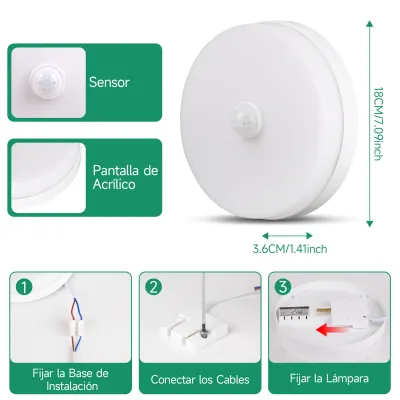
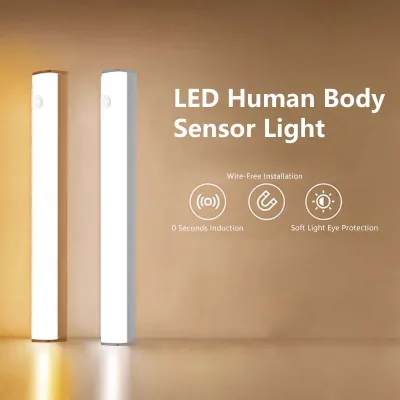
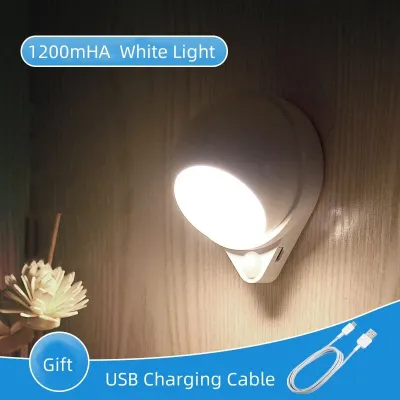
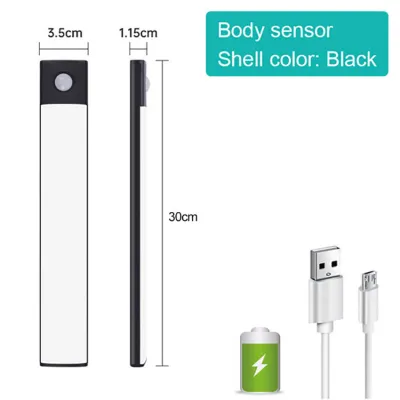
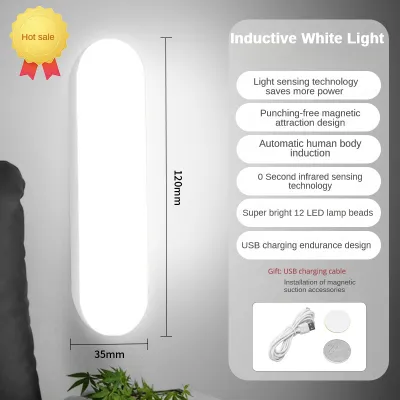
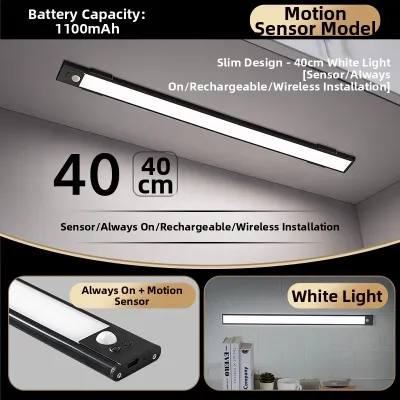
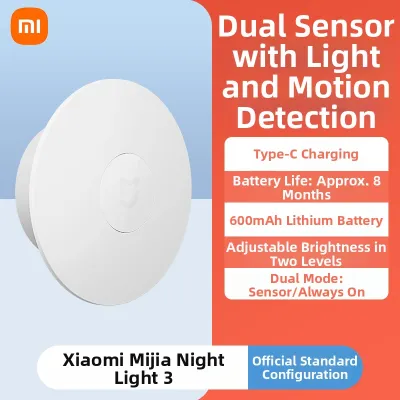
Prices are valid at publication and may change. Please refer to the product page for the latest price.
When planning your layout, you must evaluate the detection range, field of view angle, and adjustable delay times of the fixture. For long, narrow spaces like hallways, a sensor with a narrow, directional beam and a long detection range is ideal. For staircases, a wide field of view angle is necessary to capture movement from both the top and bottom landings, ensuring the steps are illuminated before you set foot on them. Walk-in closets and pantries benefit from short delay times—typically 30 seconds to one minute—so the light turns off promptly after you exit, maximizing energy savings.
Managing sensor sensitivity is crucial to preventing unwanted activations in Singapore’s typical high-density housing environments. Ceiling fans, oscillating standing fans, and rapid air currents from air conditioning units can cause rapid temperature fluctuations that fool PIR sensors into thinking a person is moving. To mitigate this, look for fixtures that feature adjustable sensitivity dials or dip switches. If your sensor lacks physical adjustment controls, you can manually restrict its field of view by applying small pieces of opaque adhesive tape over specific sections of the sensor lens, effectively blocking detection from the direction of your ceiling fan or air conditioning vents.
Essential Specifications to Verify for Singapore Homes
Before purchasing any sensor LED light, you must verify its electrical compatibility with Singapore’s standard residential power supply, which operates at 230V AC at 50Hz. If you are buying fixtures online from international sellers, always check the product specifications to ensure they are rated for this voltage; using a 110V fixture without a step-down transformer will cause immediate electrical failure and poses a severe fire hazard. Additionally, check the bulb base type if you are using a fixture with replaceable lamps. Common spotlight bases include GU10, which connects directly to the 230V mains supply via a twist-and-lock mechanism, and MR16, which typically operates on a low-voltage 12V system and requires a compatible electronic transformer.

If you plan to install sensor lights in moisture-prone areas of your home, verifying the Ingress Protection (IP) rating is a critical safety step. Bathrooms, kitchens, and covered outdoor balconies are subject to high humidity, steam, and occasional water splashes. For standard bathroom zones outside the immediate shower area, an IP44 rating is generally sufficient as it protects against solid objects larger than 1mm and splashes of water from any direction. For covered balconies exposed to wind-driven rain or areas directly above a shower stall, look for a minimum of IP65, which indicates complete protection against dust ingress and low-pressure water jets. Dry areas like living rooms, bedrooms, and hallways can safely use standard IP20-rated fixtures.
Selecting the appropriate color temperature and beam angle is essential for achieving the desired spatial effect and functionality. Color temperature is measured in Kelvins (K) and is a matter of conditional preference rather than universal performance. Warm white (2700K to 3000K) emits a soft, yellowish glow that is highly suited for creating a relaxing atmosphere in bedrooms, living rooms, and low-traffic hallways. Cool white (4000K) provides a neutral, crisp light that enhances focus, making it ideal for kitchens, study areas, and walk-in wardrobes where accurate color rendering is helpful. Daylight (6000K to 6500K) offers a bright, blue-toned light that maximizes contrast, which is excellent for utility rooms, household shelters, and outdoor security zones.
Beam angles dictate how the light is distributed across your space. A narrow beam angle of 15 to 24 degrees concentrates the light into a tight, focused spot, which is perfect for highlighting artwork, architectural features, or specific task areas like a kitchen countertop. A wider beam angle of 36 to 60 degrees disperses the light over a broader area, making it more suitable for general ambient illumination in hallways or staircases. When selecting your fixtures, also pay close attention to dimmability constraints. The vast majority of sensor-integrated LED lights are completely incompatible with standard wall-mounted dimmer switches. Attempting to connect a sensor light to a dimming circuit can damage the internal motion-sensing microchips, cause rapid flickering, or lead to premature driver failure.
Installation Environments and Electrical Safety
Understanding the boundary between safe DIY installation and tasks that require a licensed professional is vital for your safety and the structural integrity of your home. If you are using battery-operated, plug-in, or track-mounted sensor lights, these are generally safe for DIY setups. Battery-powered puck lights or magnetic sensor strips can be easily mounted under kitchen cabinets or inside wardrobes using double-sided adhesive tape. Track-mounted spotlights can often be clicked into an existing, professionally installed track system without exposing you to live electrical wiring.
However, hardwired installations—such as recessed ceiling spotlights, surface-mounted ceiling fixtures, or wall-mounted sconces—require direct connection to your home’s electrical wiring. Before attempting any hardwired installation, you must practice strict power isolation. Go to your home’s main distribution board (DB box) and switch off the circuit breaker dedicated to the lighting circuit you are working on. Do not rely solely on the wall switch to cut the power, as some older homes may have switched neutral wires, leaving the fixture live even when the switch is off. Always use a reliable, non-contact voltage tester at the ceiling wires to confirm there is absolutely no electrical current flowing before you begin handling the connections.
There are strict stop-conditions where you must halt any DIY efforts and hire a licensed electrical worker (LEW) in Singapore. If your project requires routing new electrical cables behind concrete walls, installing entirely new circuits from the DB box, or working on high ceilings that exceed standard step-ladder heights (typically above 3 meters), professional intervention is mandatory. Furthermore, any electrical work within wet zones—such as installing recessed spotlights directly over a bathtub or shower stall—must be executed by a qualified professional to ensure compliance with local safety standards and to prevent lethal shock hazards.
Proper heat dissipation is another critical safety factor that is often overlooked during installation. Although LEDs are highly efficient, they still generate significant heat at their base and driver components. If you are installing recessed sensor downlights into a false ceiling, you must ensure there is adequate clearance around the fixture for air to circulate. Enclosing an integrated LED unit in a tight space packed with thermal insulation can trap heat, causing the electronic components to degrade rapidly or even ignite. Always check the manufacturer’s label to verify if the fixture is IC-rated (Insulation Contact), which means it is certified to be in direct contact with ceiling insulation. If it is not IC-rated, you must maintain the minimum clearance distances specified in the installation manual or install a fire-rated downlight cover to keep insulation away from the hot fixture.
Maintenance, Troubleshooting, and Lifespan Care
To keep your sensor LED light operating at peak efficiency, regular maintenance is required. Over time, Singapore’s humid climate can cause dust, airborne grease, and fine particulate matter to settle on the plastic lens of the motion sensor and the glass cover of the LED. This buildup can scatter infrared signals or block microwave waves, leading to sluggish response times or a complete failure to detect motion. To clean the fixture, gently wipe the sensor lens and housing with a dry, non-abrasive microfiber cloth. Never use harsh chemical solvents, glass cleaners, or abrasive scrubbing pads, as these can scratch or cloud the delicate plastic lens, permanently reducing its detection range and sensitivity.
When troubleshooting operational issues, observing the specific symptoms will help you diagnose the root cause. If your sensor light is constantly flickering, it is often a sign of an incompatible dimmer switch, a fluctuating voltage supply, or a failing internal LED driver. If the light turns on but fails to power off after the set delay time, check if the sensor’s “lux” setting is set too high, causing it to trigger even in bright daylight, or look for nearby environmental factors like a moving curtain, a pet, or a warm air conditioning vent that might be continuously triggering the PIR sensor. If the light exhibits delayed activation—only turning on when you are directly underneath it—the sensor may be positioned parallel to your walking path. PIR sensors are most sensitive when a person crosses across their detection zones rather than walking directly toward them, so adjusting the angle of the sensor head can often resolve this issue.
It is also important to understand the structural differences in lifespan management between integrated LED fixtures and modular systems. Integrated sensor LED spotlights have the light-emitting diodes, the driver, and the motion sensor permanently sealed within a single housing. While these fixtures often offer a sleek, compact design and excellent dust protection, a failure in any single component—such as a burnt-out capacitor in the driver or a degraded sensor chip—means the entire fixture must be discarded and replaced. In contrast, modular systems utilize standard fixtures (like a GU10 track head) paired with a separate, plug-in motion sensor module or a smart sensor bulb. If the bulb or the sensor fails in a modular setup, you only need to replace that specific, inexpensive component, making it a far more sustainable and cost-effective choice for long-term home maintenance.
Frequently Asked Questions (FAQ)
Can I use a standard dimmer switch with sensor LED spot lights?
No, you cannot use a standard wall-mounted dimmer switch with standard sensor LED spot lights. The vast majority of motion-sensor lights contain sensitive internal control circuits that require a constant, stable 230V power supply to operate the sensor module. When you use a standard phase-cut dimmer, it reduces the voltage or chops the electrical waveform, which starves the sensor circuit of power. This typically results in rapid flickering, a severe reduction in motion detection range, or complete failure of the internal microchips. If you require dimming functionality, you must look for specialized fixtures explicitly labeled as dimmable and compatible with sensor controls, or opt for a smart lighting system where dimming is handled digitally via an app rather than a physical wall dimmer.
Why does my sensor light turn on by itself when no one is around?
A sensor light turning on by itself is usually caused by environmental factors rather than a defect in the fixture. If your light uses a Passive Infrared (PIR) sensor, it is highly sensitive to sudden changes in heat. Common culprits in Singapore homes include warm air currents blowing from air conditioning vents, heat rising from large household appliances like refrigerators, or even direct sunlight shifting across a polished floor. Additionally, moving objects like curtains blowing in the breeze or small household pets can easily trigger the sensor. To resolve this, try reducing the sensor’s sensitivity setting using the physical dial on the unit, or use small pieces of electrical tape to mask off the sides of the sensor lens, blocking it from detecting movement from vents or doorways.
Are battery-operated sensor spot lights bright enough for main room lighting?
No, battery-operated sensor spot lights are generally not bright enough to serve as the primary light source for an entire room. To conserve battery life, these wireless fixtures are designed with low-wattage LEDs that typically produce between 50 to 150 lumens, which is far below the 800 to 1,500 lumens required to illuminate a standard living room or bedroom. Battery-powered units are best utilized as supplementary accent lighting, safety path lights, or task lights in small, enclosed spaces. They are highly effective when installed inside dark wardrobes, under kitchen cabinets, along dark staircases for night-time safety, or inside household shelters where running permanent electrical wiring is difficult or impractical. For main room lighting, a hardwired 230V sensor LED system is always recommended to ensure consistent, high-output illumination.
Community discussion
Share your experience or ask a question. Comments are reviewed before publication.