
When you are trying to fall asleep in a quiet bedroom, the rhythmic, persistent sound of a ticking clock can quickly become an agonizing distraction. If you are searching for a bedside table clock that is completely silent, the short answer is that only digital clock mechanisms are truly, 100% silent. Because they rely entirely on solid-state electronics with no moving parts, they produce zero mechanical noise.
However, if you prefer the classic aesthetic of an analog clock face with moving hands, your best option is a continuous sweep quartz movement. While these are often marketed as “silent,” they actually produce a microscopic, near-audible whirring sound from their rapidly spinning gears. Understanding the subtle differences between these mechanisms—and how your bedroom environment affects their acoustics—is key to securing a peaceful night’s sleep.
How Different Clock Mechanisms Generate Sound
To find the right clock, it helps to understand how different movements generate noise. The ticking sound that keeps you awake is a direct byproduct of how a clock’s internal motor translates electrical or mechanical energy into visual time.
Products mentioned in this guide
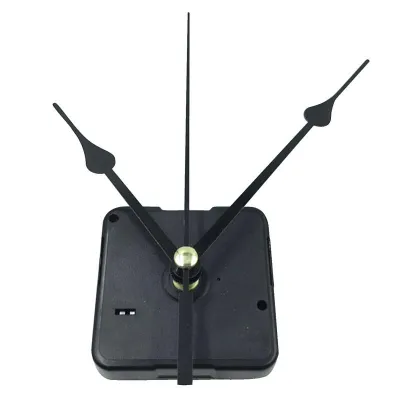
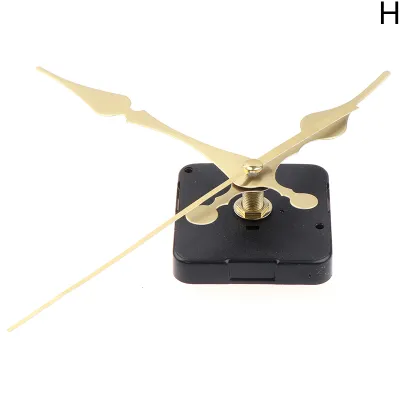


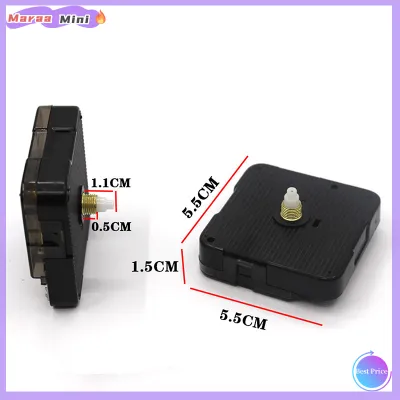

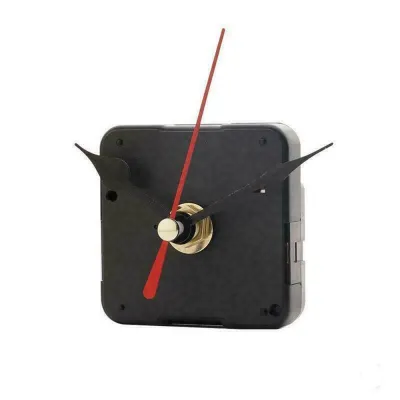
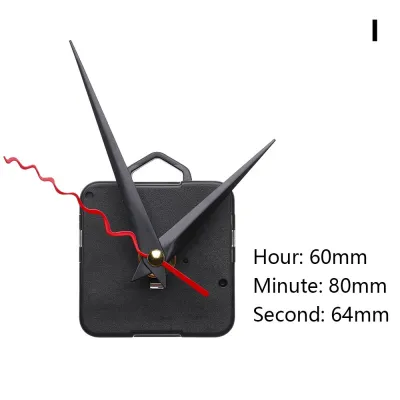
Prices are valid at publication and may change. Please refer to the product page for the latest price.
Standard Quartz (Step Movement)
The vast majority of affordable analog clocks use a standard quartz step movement. In this system, a tiny stepper motor sends an electrical pulse exactly once per second. This pulse forces the gears to jump, moving the second hand forward by one distinct tick. This sudden mechanical movement releases a burst of kinetic energy that vibrates through the clock’s gears and outer casing, producing the sharp, rhythmic “tick-tock” sound that is notoriously disruptive to sleep cycles.
Continuous Sweep Quartz
A continuous sweep quartz movement operates differently. Instead of sending one large electrical pulse every second, the internal motor sends a rapid succession of tiny pulses—often 8 to 16 times per second. This high-frequency operation moves the second hand in tiny, micro-steps, making it look as though it is gliding smoothly around the dial. While this eliminates the sharp, percussive “tick” of a step movement, the motor and gears are still physically spinning, which produces a continuous, incredibly faint mechanical hum.
Mechanical Movements
Mechanical clocks, whether powered by a winding spring or an automatic rotor, rely on a physical escapement mechanism to regulate time. The pallet fork striking the escape wheel produces a rapid, continuous beating sound—often ticking several times per second. Because mechanical movements are highly complex and lack the dampening potential of modern quartz, they are generally unsuitable for bedside tables if you require absolute silence.
Digital Mechanisms
Digital clocks use liquid crystal displays (LCD) or light-emitting diodes (LED) to show the time. Because there are no gears, motors, or hands, there is no mechanical movement to generate sound. They are the only option that is physically incapable of making ticking noises. However, poorly manufactured digital clocks can sometimes suffer from electronic coil whine—a high-pitched hum caused by electromagnetic vibrations in the internal transformer—or produce loud relay clicks when an alarm is triggered.
Which Movements Are Truly Silent for the Bedroom?
When browsing for a bedside clock, navigating manufacturer claims can be confusing. Many brands label their products as “silent” or “non-ticking,” but these terms are often used loosely.

Decoding "Silent" Labels
In the clock industry, “silent” is almost always a marketing synonym for a continuous sweep quartz movement. It means the clock does not make a distinct, audible tick. However, because a sweep movement still relies on physical gears, it is not acoustically dead. If you hold a “silent” analog clock directly to your ear, you will hear a rapid, soft whirring sound.
The Subjectivity of Nighttime Silence
In Singapore, many residential bedrooms in high-rise HDB flats or condominiums are highly insulated from street noise, especially when windows are closed and air conditioning is running. During the day, ambient household sounds easily mask the faint hum of a sweep quartz clock. At night, however, when the ambient noise floor drops significantly, a light sleeper may find that even a faint motor hum or gear friction becomes surprisingly audible from a bedside table. If you are highly sensitive to noise, this microscopic hum can still prevent you from drifting off.
Digital vs. Analog Trade-offs
For absolute silence, digital is the clear winner, but it introduces a different set of bedroom challenges. While a digital clock won’t make a sound, its display can emit a bright glow that disrupts your body’s melatonin production. If you choose a digital clock, look for models with adjustable brightness, auto-dimming features, or a passive LCD screen that only lights up when you press a button. Additionally, for plug-in digital clocks, ensure the device carries recognized safety certifications—such as the Enterprise Singapore Safety Mark—to guarantee the internal transformer is safely insulated and free from high-pitched electronic coil whine.
Movements to Avoid
If your primary goal is a completely quiet bedroom, you should strictly avoid standard step quartz movements and any form of traditional mechanical clock. Even high-end mechanical table clocks with exquisite craftsmanship will produce a rapid, rhythmic ticking that is highly audible on a quiet night.
Environmental Factors That Amplify Bedside Clock Noise
Sometimes, a clock that seems perfectly silent in a store or a living room suddenly sounds loud once placed next to your bed. This is often due to external factors that amplify the clock’s internal vibrations.
Surface Resonance
A bedside table can act as a sounding board. When a lightweight clock with a spinning sweep motor is placed directly on a hard, flat surface—such as a hollow wooden nightstand, a glass-topped table, or a metal shelf—the micro-vibrations from the motor transfer directly into the furniture. The large surface area of the table then vibrates, acting like a speaker cabinet and amplifying the faint internal hum into a much louder, lower-frequency buzz.
Casing and Build Quality
The materials used to build the clock play a massive role in acoustic damping. Cheap, lightweight plastic housings do very little to block sound; in fact, they often rattle or act as miniature echo chambers that amplify the motor’s noise. Conversely, clocks built with heavier, denser materials—such as solid wood, thick ceramic, heavy-gauge metal, or dense glass—absorb and muffle internal mechanical vibrations much more effectively, keeping the sound trapped inside the casing.
Battery Voltage Drops
As a battery loses its charge, its voltage drops. For quartz movements, a lower voltage means the stepper motor has to work harder to turn the gears. This struggle can cause the gears to slip or operate unevenly, which often results in a louder, more erratic ticking sound or a distinct mechanical strain before the clock finally stalls. In Singapore’s warm, humid climate, batteries can also degrade or leak more quickly if left in a low-power state. To prevent this, always use fresh, high-quality alkaline batteries and replace them promptly when the clock begins to lose time.
Practical Steps to Test and Reduce Clock Noise at Home
If you want to ensure your bedside clock remains completely quiet, you can use several practical, low-risk strategies to test and optimize its acoustic performance.
The Nighttime Ear Test
Never rely on a daytime test in a retail store to judge a clock’s noise level. The ambient noise in a shopping mall will easily drown out even a loud ticking clock. Instead, test the clock at home during the quietest hours of the night. Place the clock on your bedside table, lie down in your normal sleeping position, and listen carefully. This is the only way to accurately evaluate whether the clock’s acoustic profile matches your personal noise tolerance.
Vibration Isolation
To prevent your bedside table from amplifying your clock’s motor, you need to decouple the clock from the surface. You can easily do this by placing a soft, vibration-dampening material under the clock’s base. Excellent options include:
- A small, soft silicone coaster or mat
- Self-adhesive felt pads stuck to the bottom of the clock
- A folded microfiber cloth or a thick cork coaster
This simple, reversible step absorbs the micro-vibrations before they can reach your furniture, instantly quietening a sweep quartz clock.
Review Verification
When shopping on e-commerce platforms, don’t just look at the overall star rating. Use the search function within the user reviews to look for specific keywords such as “silent,” “ticking,” “hum,” “bedroom,” or “sleep.” Real-world buyers are quick to point out if a clock marketed as “silent” actually produces an annoying whirring sound at night.
Frequently Asked Questions (FAQ)
Can a ticking clock cause sleep disruption?
Yes. Rhythmic, repetitive sounds like a ticking clock trigger the brain’s natural orienting reflex, which keeps your mind alert and prevents you from transitioning into deep, restorative sleep. This is particularly true for light sleepers or those living in quiet residential neighborhoods where there is little ambient background noise to mask the sound.
Do silent sweep quartz clocks consume more battery?
Yes, continuous sweep quartz movements generally consume more battery power than standard step movements. While a step movement only draws a pulse of power once per second, a sweep movement requires a constant, high-frequency flow of electricity to keep the motor spinning smoothly. As a result, you may need to replace the battery slightly more often to maintain accurate timekeeping and quiet operation.
Community discussion
Share your experience or ask a question. Comments are reviewed before publication.