
Selecting a suitable material for a Chinese cushion cover requires balancing visual elegance, tactile comfort, and long-term maintenance. Because these decorative accents serve as focal points in both traditional and contemporary homes, your choice of fabric directly influences the room’s atmosphere and the cushion’s longevity. Silk, cotton, and brocade each offer distinct physical properties that cater to different household needs, environmental conditions, and aesthetic preferences.
Understanding the Core Characteristics of Each Material
Silk is a natural protein fiber harvested from silkworm cocoons, celebrated for its luxurious texture and soft, organic luster. The triangular, prism-like structure of silk fibers allows them to refract incoming light at different angles, producing a multi-directional sheen that synthetic alternatives struggle to replicate. Tactilely, silk is exceptionally smooth, lightweight, and possesses an elegant, fluid drape that conforms naturally to the shape of the cushion insert.
Cotton is a plant-based cellulose fiber known for its matte finish, reliable strength, and structural flexibility. Unlike silk, cotton does not refract light, offering a grounded, understated visual presence that blends seamlessly into casual settings. It can be woven into various weights and textures, from crisp canvas to soft twill, providing a highly versatile canvas for printed or embroidered Chinese motifs.
Products mentioned in this guide
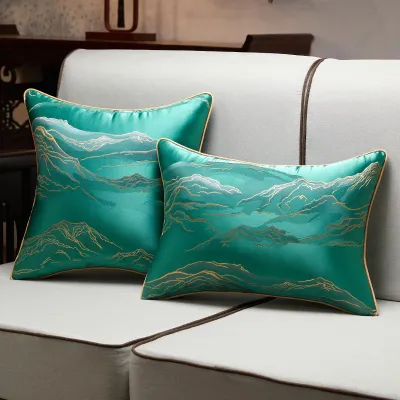
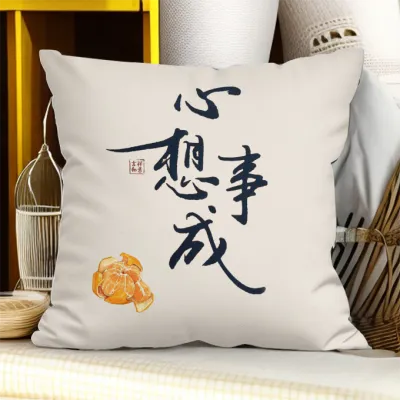
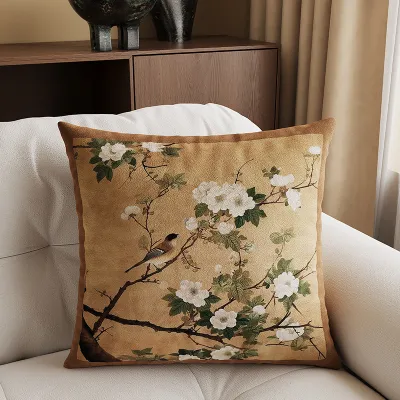
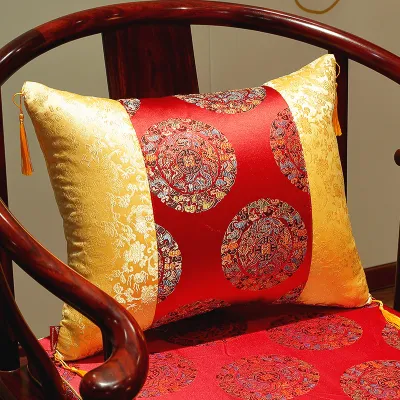
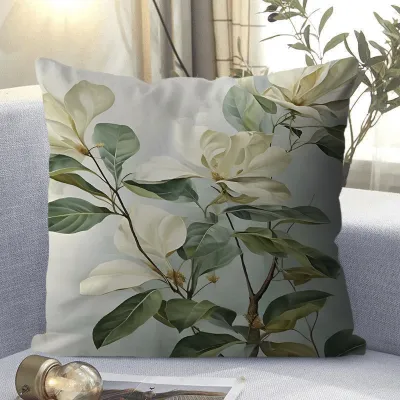
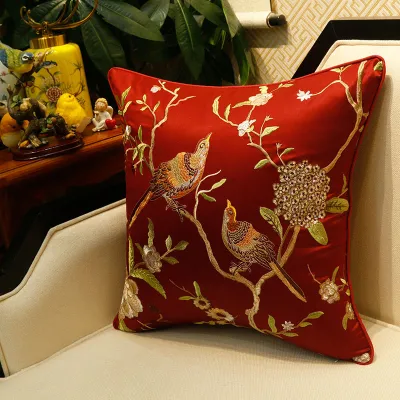
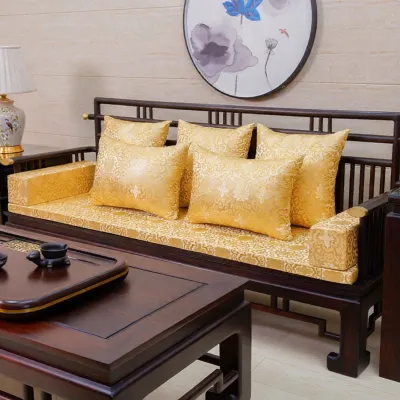
Prices are valid at publication and may change. Please refer to the product page for the latest price.
Brocade is a heavy, decorative fabric characterized by its raised, intricate patterns woven directly into the warp using a jacquard loom. Traditionally featuring supplementary weft threads made of silk, rayon, or metallic yarns, brocade has a distinct, three-dimensional texture and a stiff, substantial weight. The fabric does not drape or conform easily; instead, it holds a rigid, structured shape that gives cushions a formal, stately appearance.
Comparing Durability and Daily Wear Resistance
Evaluating the long-term durability of these fabrics involves looking at how their fibers handle friction, tension, and environmental exposure. Silk, while possessing high tensile strength, has relatively low resistance to surface abrasion. The delicate, fine threads can easily snag on jewelry, zippers, or rough skin, making pure silk covers vulnerable to surface pilling and thread pulls over time.

Cotton stands out as a highly resilient option for daily use. Its durable cellulose fibers withstand repetitive friction, making it highly resistant to pilling and tearing. While cotton can wear down and thin after years of heavy use and frequent washing, it remains one of the most robust materials for high-traffic seating areas.
Brocade offers a complex durability profile. The base fabric is typically dense and highly durable, but the raised decorative patterns are created using floats—long, exposed threads on the surface of the fabric. These floats are highly susceptible to snagging, particularly in households with pets or young children. A single caught claw or toy can pull the intricate weaving out of alignment, compromising the entire design.
Sunlight exposure is another critical factor for durability. Silk is highly sensitive to ultraviolet (UV) radiation; prolonged exposure to direct sunlight weakens the protein fibers, causing them to become brittle and yellow, while also fading the dyes. Cotton and brocade also experience fading over time, but they retain their structural integrity much better under UV exposure. If your cushions will sit near large windows, checking manufacturer claims regarding UV resistance or choosing light-resistant blends is highly recommended.
Evaluating Comfort, Breathability, and Tactile Feel
In tropical environments like Singapore, where high humidity and warm temperatures are constant, the breathability and moisture-wicking properties of home textiles directly impact daily comfort. Cotton is highly breathable and naturally absorbent, allowing air to circulate freely through the fibers. This makes cotton cushion covers feel cool and dry against the skin, even in naturally ventilated rooms without active air conditioning.
Silk possesses natural temperature-regulating properties, offering an initial cool-to-the-touch sensation that is highly pleasant. However, because silk is a dense protein fiber, its performance in high humidity depends heavily on the room’s climate control. In an air-conditioned space, silk remains exceptionally comfortable and smooth; in a humid, non-air-conditioned room, it can occasionally feel slightly sticky if moisture accumulates on the surface.
Brocade, due to its dense weave and heavy weight, is the least breathable of the three materials. The tight intersection of warp and weft threads, often combined with synthetic backing materials to stabilize the embroidery, restricts airflow significantly. Consequently, brocade cushions can feel warm and stiff when leaned against for extended periods. They are well-suited as decorative backrests or accent pieces in climate-controlled environments rather than primary lounging cushions.
Care, Cleaning, and Maintenance Requirements
Maintaining the pristine appearance of Chinese-style cushion covers requires adhering strictly to the care instructions dictated by their fiber content. Pure silk covers generally require professional dry cleaning or highly delicate hand washing in cold water using a pH-neutral, silk-safe detergent. Harsh agitation, wringing, or standard laundry detergents will strip the natural oils from silk, destroying its characteristic sheen and weakening the fibers.
Cotton covers offer the most straightforward maintenance routine. Most cotton fabrics can be safely machine-washed on a gentle cycle with mild detergent. However, because natural cotton is prone to shrinkage, it is wise to wash them in cool water and air-dry them flat. Ironing cotton is simple, as the material can withstand high heat and steam, allowing you to easily press out the stubborn wrinkles that naturally form after washing.
Brocade covers almost always require professional dry cleaning. The mixture of different fiber types—often a blend of silk, rayon, polyester, and metallic threads—means that water washing can cause uneven shrinkage, warping the raised patterns and ruining the cushion’s flat structure. If ironing is necessary, it must be done on the reverse side of the cover using a low-temperature setting and a protective pressing cloth to prevent melting synthetic threads or crushing the delicate raised embroidery.
Long-term storage in humid climates requires careful preparation to prevent mold, mildew, and fabric pests like silverfish or moths. Before storing cushion covers, ensure they are completely dry and clean, as residual body oils or moisture invite pests and fungal growth. Store them in breathable cotton storage bags rather than airtight plastic containers, which can trap ambient moisture, and place silica gel packs inside the storage area to manage humidity levels.
Matching Materials to Your Interior Design and Usage Scenarios
Integrating Chinese-style cushion covers into your home involves matching the fabric’s visual weight and texture to the room’s function and design theme. Formal spaces, such as a dedicated reception room or a formal dining area, benefit immensely from the stately presence of brocade. The rich textures and metallic highlights of brocade complement traditional dark wood furniture, such as rosewood or elm, adding a sense of historical depth and luxury.
For modern, minimalist, or Neo-Chinese (Xin Zhong Shi) interiors, silk and high-quality cotton are highly effective. Neo-Chinese design emphasizes clean lines, natural materials, and a serene, uncluttered aesthetic. Silk cushion covers in muted, solid tones or featuring subtle, minimalist embroidery provide a sophisticated touch of luxury without overwhelming the space. Cotton covers, with their matte finish and soft textures, work beautifully in casual living rooms, cozy reading nooks, or bedrooms where comfort and a relaxed atmosphere are the primary goals.
To simplify your selection, consider this conditional decision framework:
- Choose Silk if you are decorating a low-traffic formal space, prioritize a luxurious sheen and smooth tactile feel, and are comfortable with delicate maintenance routines.
- Choose Cotton if the cushions will be used daily by family and guests, require frequent washing, and need to provide maximum breathability in warm, humid conditions.
- Choose Brocade if you want to make a bold design statement, prefer highly structured cushions that hold their shape, and wish to highlight traditional, intricate Chinese patterns in a formal setting.
What to Check Before Buying Chinese-Style Cushion Covers
Before finalizing your purchase of a Chinese cushion cover, a few practical checks will ensure the product fits your existing home setup and meets quality standards. First, verify the exact dimensions of your cushion inserts. To achieve a plump, high-end look, it is a common design practice to pair a cushion cover with an insert that is slightly larger—for example, using a 50×50 cm insert inside a 45×45 cm cover. If you prefer a softer, flatter cushion, match the cover and insert dimensions exactly.
Next, inspect the closure mechanisms carefully. High-quality cushion covers typically feature hidden zippers that are sewn flat along the bottom seam, preventing the zipper pull from scratching your furniture or catching on clothing. For a highly traditional look, some covers utilize fabric frog buttons (Pankou). While visually striking, ensure these buttons are securely stitched and that the loops are easy to fasten without putting excessive strain on the surrounding fabric.
Finally, always read the product tag or manufacturer specifications to confirm the exact fiber composition. Many modern silk or brocade covers are actually woven from synthetic polyester or rayon blends. While these synthetic blends may lack the prestigious pedigree of pure natural silk, they often offer significantly higher durability, better resistance to fading, and easier care requirements, making them a highly practical choice for busy households.
Frequently Asked Questions (FAQ)
Can I mix different materials like silk and cotton in the same room?
Yes, mixing different fabric textures is an excellent way to add visual depth and interest to a room. To maintain a cohesive look when blending silk, cotton, and brocade, keep a unified color palette or focus on a single design motif across the different cushions. For example, you can pair a highly detailed brocade cushion as a central statement piece with simpler, solid-colored silk or cotton cushions on either side to balance the visual weight.
How do I prevent brocade cushion covers from fraying at the seams?
Brocade is prone to fraying at the seams due to its loose, decorative weave. Before purchasing, turn the cover inside out to inspect the internal seams; high-quality covers will feature overlocked (serged) edges or French seams that completely enclose the raw fabric edges. To minimize stress on the seams during daily use, avoid overstuffing the cover with an excessively large insert, and handle the cover gently when inserting or removing the cushion pad.
Community discussion
Share your experience or ask a question. Comments are reviewed before publication.