
Choosing the perfect wedding cushion requires balancing immediate visual appeal with long-term durability and environmental practicality. Whether used as a ceremonial ring bearer pillow, a decorative accent for the couple’s seating, or a functional support during a traditional tea ceremony, this small accessory plays a highly visible role in your special day. The fabric you select determines not only how the cushion looks in photographs but also how well it holds up under handling, transport, and varying environmental conditions.
Three primary materials dominate the wedding decor landscape: natural silk, synthetic or blended satin, and plush velvet. Each material offers a distinct tactile experience and aesthetic footprint, ranging from the understated luxury of natural fibers to the high-shine versatility of synthetic weaves and the deep, opulent texture of pile fabrics. Navigating the choice between them involves weighing their visual elegance against practical factors such as snag resistance, climate suitability, and ease of maintenance.
To make an informed decision, couples must consider the specific demands of their venue, the overall stylistic theme of the wedding, and the physical tasks the cushion will perform. A material that thrives in a chilled, indoor ballroom may falter during a humid outdoor solemnisation, while a fabric suited for decorative seating might be too fragile for a ring bearer’s active duties. Understanding the unique properties of silk, satin, and velvet ensures your cushion remains a pristine keepsake long after the celebration ends.
Products mentioned in this guide
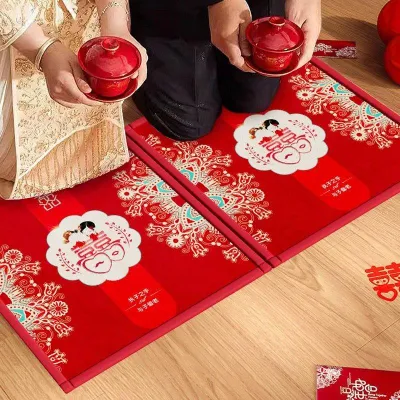
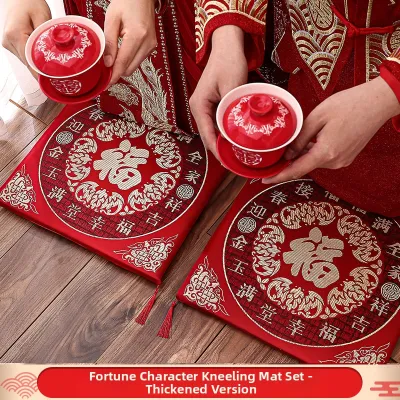
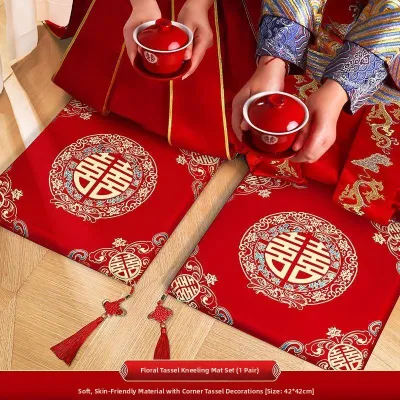
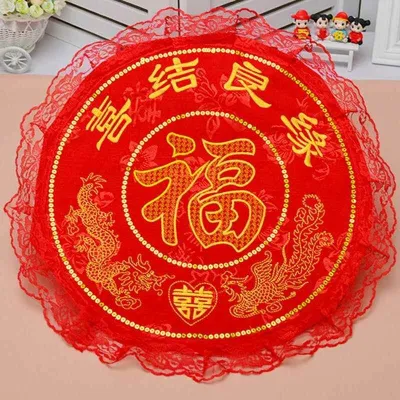
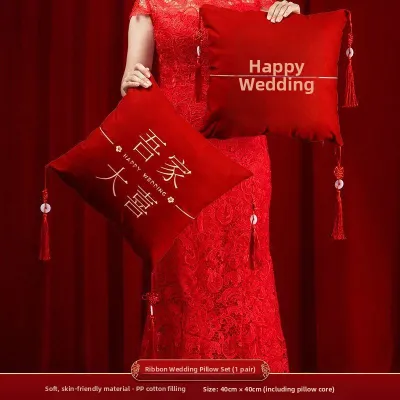
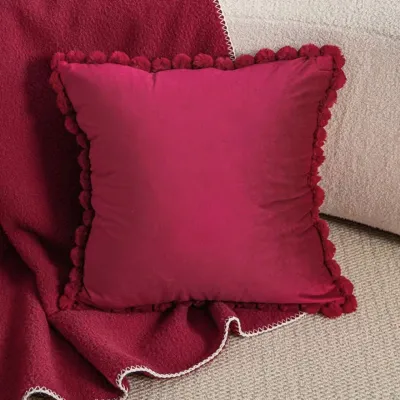
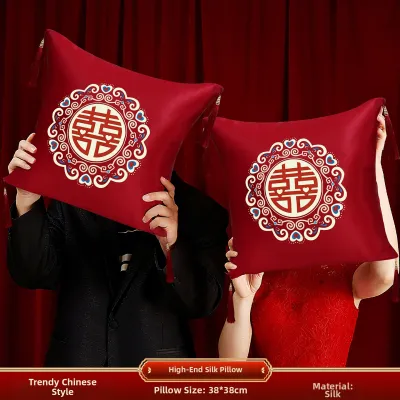
Prices are valid at publication and may change. Please refer to the product page for the latest price.
Silk: Luxurious Elegance with Delicate Care
Pure silk is widely regarded as the pinnacle of luxury in wedding textiles, prized for its natural origins and unmatched prestige. Derived from the protein filaments of silkworm cocoons, silk possesses a subtle, organic luster that diffuses light gently rather than reflecting it harshly. This creates an elegant, soft-focus appearance that looks exceptionally sophisticated in close-up photography. The fabric has an incredibly soft hand feel and a fluid drape, making it a classic choice for traditional, high-end, or formal wedding themes.
However, the natural beauty of silk comes with a high degree of fragility that requires careful consideration before the wedding day. Silk fibers are highly susceptible to snagging, which presents a significant risk if the cushion is used to carry rings secured by metal prongs, wire ties, or sharp jewelry elements. A single pulled thread can ruin the smooth surface of a silk pillow permanently. Additionally, silk is vulnerable to water spotting; even a stray drop of condensation from a bridal bouquet or a splash of water can leave a visible ring on the fabric that is difficult to remove without professional intervention.
From a climate perspective, silk is highly breathable, which makes it comfortable to touch, but it reacts poorly to high humidity and perspiration. In warm environments, moisture from hands can cause the natural dyes to bleed or leave permanent yellow stains on light-colored silk. The material is also sensitive to ultraviolet (UV) degradation, meaning prolonged exposure to direct sunlight during an outdoor afternoon ceremony can weaken the fibers and cause delicate pastel or ivory tones to fade or discolor.
Maintaining a silk wedding cushion requires strict adherence to professional care standards. It is highly recommended to check the manufacturer’s care label immediately upon purchase, as most pure silk items must be dry-cleaned exclusively. To preserve its pristine condition during the wedding, the cushion should be handled only with clean, dry hands and kept far away from damp floral arrangements, makeup stations, and direct sunlight until the exact moment it is needed in the ceremony.
Satin: Brilliant Shine and Practical Versatility
Satin is not a raw fiber but rather a specific weaving technique characterized by long, floating warp threads that create a highly reflective, glossy surface on one side and a matte finish on the reverse. Modern wedding cushions made of satin are typically woven from synthetic fibers such as polyester, nylon, or acetate. This synthetic construction allows satin to replicate the smooth, fluid appearance of silk while offering significantly greater durability and a highly accessible price point, making it a popular choice for contemporary weddings.

In terms of aesthetics, satin provides a brilliant, high-contrast shine that catches both natural and artificial light dramatically. This makes it stand out beautifully in wide-venue photography and grand ballroom settings. However, because of its high reflectivity, lower-quality synthetic satins can sometimes appear overly shiny or synthetic under harsh flash photography. It is important to select a high-quality, dense satin weave—such as duchesse satin—to ensure a heavy, premium drape and a more refined, sophisticated luster.
Historically, synthetic satin is far more resilient than pure silk, offering excellent resistance to wrinkles, moisture, and minor snags. If a ring bearer pillow made of polyester satin accidentally brushes against a rough surface, the tightly woven synthetic fibers are much less likely to pull or tear. Furthermore, synthetic satin does not suffer from water spotting to the same degree as silk, making it a highly practical option for events where unexpected spills, damp fingers, or outdoor humidity are potential factors.
Caring for a synthetic satin cushion is generally straightforward and low-maintenance. Many polyester satin covers can be spot-cleaned with mild detergent or even machine-washed on a delicate cycle, though you must always verify the manufacturer’s care instructions first to avoid damaging any attached embellishments, ribbons, or embroidery. This ease of cleaning makes satin an excellent choice if the cushion is intended to be used as a functional seating accent or passed around among multiple guests during the celebration.
Velvet: Rich Texture and Lasting Durability
Velvet is a heavy, woven tufted fabric in which the cut threads are evenly distributed in a short, dense pile, giving it its signature plush feel and matte visual depth. Velvet can be woven from natural silk, cotton, or synthetic fibers like polyester and rayon. It offers a distinct, opulent aesthetic that contrasts sharply with the smooth, reflective surfaces of silk and satin. Because it absorbs light rather than reflecting it, velvet displays incredibly deep, saturated colors, making it a magnificent choice for jewel-toned color schemes, vintage themes, and evening receptions.
One of velvet’s greatest practical advantages is its structural resilience. It is highly resistant to wrinkling and does not show crease lines easily, allowing it to look neat and structured throughout a long event. The dense pile is also highly effective at hiding minor dust particles or small, dry stains. However, velvet has unique limitations: its textured surface acts as a magnet for lint, pet hair, and airborne dust. Additionally, if the pile is subjected to heavy, prolonged pressure—such as a guest sitting on a decorative chair cushion for several hours—it can experience “crushing,” where the fibers flatten out and create a temporary or permanent change in the fabric’s sheen.
Because of its thickness and weight, velvet has high thermal retention properties. It holds heat easily, which can make it feel uncomfortably warm to the touch in outdoor tropical settings. However, this same characteristic makes it exceptionally well-suited for air-conditioned indoor venues, where the heavy, plush texture adds a sense of warmth, comfort, and physical grounding to the seating arrangements or ceremonial altars.
To care for a velvet wedding cushion, avoid using direct moisture or heavy liquid cleaners, which can flatten the delicate pile permanently. Instead, use a soft-bristled upholstery brush to gently sweep the fabric in the direction of the nap to remove lint and restore its uniform texture. For deeper cleaning, spot-clean strictly with specialized dry-solvent upholstery cleaners after testing a small, hidden area, or consult a professional dry cleaner to ensure the pile is not compromised.
Matching the Material to Your Wedding Setting
Selecting the ideal material requires evaluating how each fabric aligns with your physical venue, local climate, aesthetic theme, and the functional role the cushion will play during the event. In Singapore’s tropical climate, the contrast between outdoor environments and indoor air-conditioned spaces is a primary factor in fabric performance.
Venue and Climate performance
For outdoor garden solemnisations or beach ceremonies, the high humidity and potential for sudden warmth make synthetic satin the most reliable choice. It resists moisture, handles ambient humidity without staining, and maintains its smooth appearance. Pure silk is highly risky outdoors due to its extreme vulnerability to sweat, humidity, and water spots, while velvet’s heavy weight and heat retention make it physically impractical for warm outdoor settings. Conversely, for indoor ceremonies held in fully air-conditioned hotel ballrooms or chapel settings, all three materials perform beautifully, allowing you to select purely based on style and budget.
Theme Alignment and Aesthetics
Your choice of fabric should complement the visual language of your wedding theme:
- Classic and Traditional: Silk is the premier choice for formal, high-end, or heritage-focused weddings, including traditional tea ceremonies where heritage and natural luxury are highly valued.
- Modern and Clean: Satin's sharp, brilliant shine and crisp edges align perfectly with minimalist, contemporary, or high-glamour wedding designs.
- Vintage and Opulent: Velvet's deep texture, heavy weight, and rich color absorption are ideal for bohemian, rustic, vintage, or moody evening themes.
Functional Use of the Cushion
If the cushion is a ring bearer pillow, it will be handled by children or bridal party members and will hold sharp metal rings. In this scenario, synthetic satin or a sturdy velvet is preferred over silk due to their superior snag resistance and structural stability. If the cushion is for decorative seating or bridal chair accents, velvet and heavy synthetic satin offer the necessary durability to withstand being sat on or leaned against repeatedly, whereas delicate silk would quickly show signs of wear, friction damage, and structural strain.
| Visual Finish | Snag Risk | Humidity Resistance | Ideal Venue Type | |
|---|---|---|---|---|
| Silk | Subtle, organic luster; elegant drape | High (fragile fibers) | Low (prone to water spots) | Air-conditioned indoor venues |
| Satin | High-gloss, reflective shine; smooth surface | Low to Medium | High (resists moisture stains) | Outdoor gardens, beaches, or indoor halls |
| Velvet | Matte, deep color absorption; plush pile | Low (dense structure) | Medium (retains heat) | Climate-controlled indoor ballrooms |
Care, Cleaning, and Storage Guidelines
Proper preparation and post-event care ensure your wedding cushion remains a flawless part of your ceremony and a cherished keepsake for years to come. Always prioritize the manufacturer’s care label before attempting any cleaning or pressing.
Pre-Wedding Preparation
To safely remove wrinkles and creases before the ceremony, use the appropriate heat and moisture levels for each specific fabric:
- For Silk: Use a garment steamer held at least 15 centimeters away from the fabric, or use a dry iron on the lowest silk setting with a clean, white pressing cloth placed between the iron and the cushion to prevent scorching.
- For Satin: Iron on a low-heat synthetic setting, always using a pressing cloth on the reverse side of the fabric to avoid creating shiny iron marks on the face of the satin.
- For Velvet: Never apply a hot iron directly to the face of velvet, as this will permanently crush the pile. Instead, use a handheld steamer from a safe distance on the reverse side, or hang the cushion in a steamy bathroom to let the fibers relax naturally, then gently brush the pile with a soft brush.
Day-of Handling and Protection
During the wedding day, assign a designated bridesmaid, groomsman, or coordinator to oversee the cushion’s safety. Keep the cushion stored in its protective packaging until shortly before the ceremony begins. Ensure it is placed far away from makeup stations where loose powders or liquid foundations could spill, and keep it clear of freshly watered floral arrangements to prevent moisture transfer. When handling the cushion, ensure hands are clean, dry, and free of heavy hand creams or oils.
Post-Wedding Long-Term Storage
To preserve the cushion as a family heirloom, avoid storing it in plastic bags or airtight synthetic containers, which can trap ambient moisture and lead to mold, mildew, or yellowing—a common issue in humid climates. Instead, wrap the clean, dry cushion gently in acid-free tissue paper to protect any embroidery or delicate fibers. Place the wrapped cushion inside a highly breathable cotton storage bag and store it in a cool, dark, and dry closet away from direct sunlight, fluctuating temperatures, and pests.
Frequently Asked Questions (FAQ)
Can I use a silk wedding cushion for an outdoor ceremony in a tropical climate?
While you can use a silk wedding cushion outdoors, it is generally not recommended for tropical climates with high humidity. Silk is highly sensitive to moisture; ambient humidity can cause the fibers to limp, and unexpected rain or even condensation from bridal bouquets can leave permanent water spots on the fabric. Additionally, perspiration from the hands of the ring bearer or couple can easily stain delicate silk. For outdoor tropical settings, high-quality synthetic satin or treated polyester blends are much safer alternatives, as they offer a similar elegant sheen while resisting moisture, humidity, and staining.
How do I safely remove wrinkles from a velvet wedding cushion without ruining the texture?
To safely remove wrinkles from a velvet wedding cushion, you must avoid placing a hot iron directly onto the plush side of the fabric, as the direct heat and weight will permanently crush the vertical pile fibers. Instead, use a garment steamer from a distance of 10 to 15 centimeters, directing the steam at the back of the fabric or lightly over the pile without touching it. Alternatively, hang the cushion in a closed bathroom after a hot shower to let the steam naturally relax the creases. Once the fabric is warm and slightly damp from the steam, use a soft-bristled velvet brush to gently comb the pile in its natural direction to restore its uniform, luxurious texture.
Community discussion
Share your experience or ask a question. Comments are reviewed before publication.