
Singapore old coin sets serve as striking, tactile bridges to the nation’s rich multicultural heritage, making them highly compelling decorative elements for modern homes. Rather than viewing these numismatic pieces solely through the lens of financial investment, many homeowners curate them as visual storytellers. When integrated thoughtfully into interior design, these historical series reflect the evolution of Singapore’s identity, offering a sophisticated focal point that complements diverse decor styles from classic colonial to contemporary minimalist.
Selecting the right coin set for home display requires a shift in perspective from traditional collecting. While a numismatist might focus entirely on rarity and microscopic grading details, a home decorator prioritizes visual harmony, thematic resonance, and presentation quality. By understanding the design narratives behind Singapore’s historical coin series and learning how to display and preserve them safely, you can transform these small metal canvases into captivating conversation pieces that enrich your living space.
Understanding the Cultural and Visual Themes of Singapore Coin Series
To choose a coin set that complements your home, it is helpful to understand the distinct design eras of Singapore’s currency. The first series, widely known as the Orchid Series and introduced in 1967, features various orchid species on the reverse sides. Orchids represent resilience, natural beauty, and the blooming aspirations of a young nation. Visually, these coins possess a clean, mid-century aesthetic with bold, uncluttered lines. They pair exceptionally well with minimalist, Scandinavian, or retro-themed interiors, where their simple elegance can be appreciated without overwhelming the surrounding decor.
Products mentioned in this guide
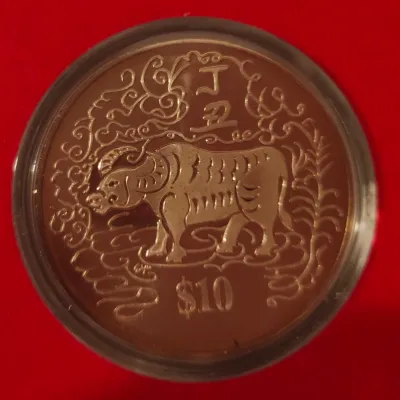
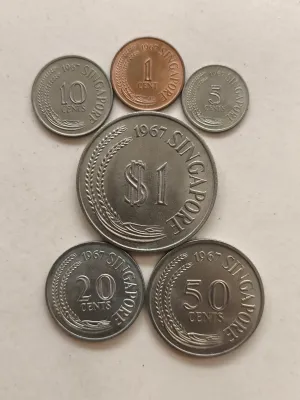
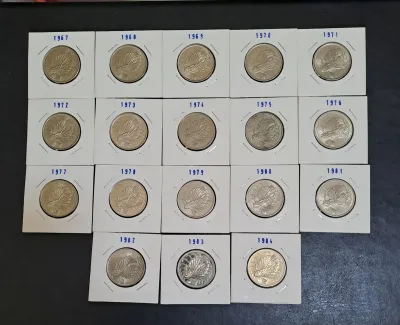
Prices are valid at publication and may change. Please refer to the product page for the latest price.
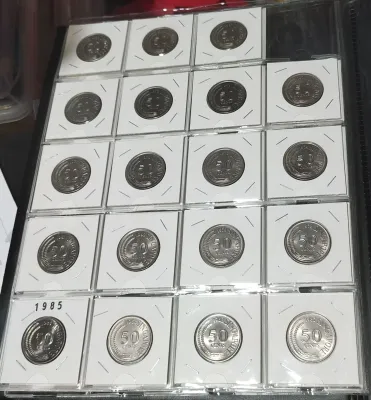
The second series, known as the Floral Series and introduced in 1985, shifted the focus to local flora, showcasing plants like the Vanda Miss Joaquim, hibiscus, and jasmine. These coins feature intricate, delicate botanical illustrations that offer a softer, more organic visual texture. If your home incorporates traditional Peranakan elements, warm wooden furniture, or botanical-themed art, the Floral Series provides a harmonious connection. The detailed engravings of leaves and petals catch the light beautifully, adding a touch of natural warmth to a display cabinet.
For homes with a modern, industrial, or maritime-inspired design, commemorative coin sets featuring Singapore’s early harbor scenes, historical ships, or iconic landmarks are highly suitable. These designs celebrate the nation’s history as a global trading port and its rapid architectural evolution. The structured, geometric lines of ships and buildings offer a more architectural and structured aesthetic, making them excellent additions to home offices, libraries, or contemporary living rooms.
The metal composition and finish of the coins also play a critical role in their decorative impact. Proof coins, which are struck using specially polished dies, feature mirror-like backgrounds and frosted, highly detailed raised designs. These sets are exceptionally reflective and look spectacular under focused display lighting. In contrast, uncirculated or naturally circulated coins made of cupro-nickel, bronze, or silver develop a natural patina over time. This gentle oxidation, often resulting in a soft golden, blue, or rainbow-like toning on silver coins, lends an authentic antique character that enhances rustic, colonial, or eclectic interior styles.
Evaluation Criteria for Selecting a Display-Ready Set
When evaluating a Singapore old coin set for home display, visual appeal should be your primary guide. While professional grading scales are vital for investors, a display-ready set simply needs to look clean, balanced, and free of distracting blemishes. Look for coins that exhibit uniform toning rather than spotty, irregular discoloration. Avoid sets with heavy scratches, deep dents, or signs of active corrosion, such as green powdery spots on copper or bronze coins, which can worsen over time and ruin the display.

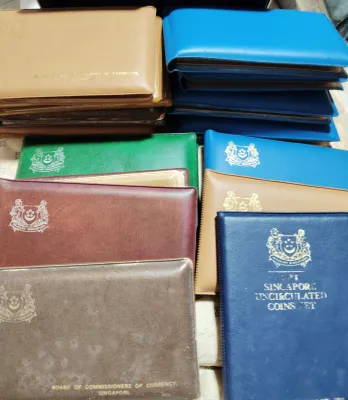
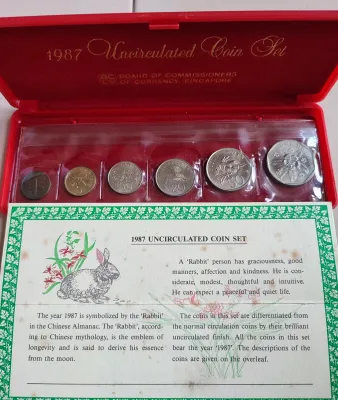
The presentation packaging is often just as important as the coins themselves when it comes to home decor. Many commemorative and proof sets were originally issued in elegant presentation boxes made of polished wood, leatherette, or hard plastic, lined with velvet or satin inserts. A well-preserved original box allows you to display the set open, creating an instant, museum-quality exhibit on a shelf or mantelpiece. The contrast between the gleaming metal of the coins and the rich texture of blue, red, or green velvet inserts adds a layer of luxury and depth to your decor.
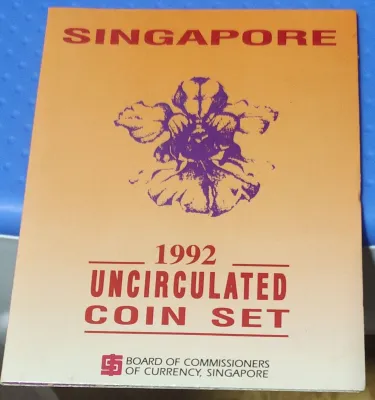
In addition to the physical box, original certificates of authenticity and historical booklets add significant narrative value to your display. These documents often feature beautiful typography, official seals, and detailed descriptions of the coin designs. Framing a certificate of authenticity alongside the coin set not only verifies its origin but also provides guests with interesting historical context, turning a simple decorative object into an educational display.
Because the market for historical coins includes replicas and altered pieces, verification is a crucial step before making a purchase. It is highly recommended to acquire coin sets from established, reputable numismatic dealers or professional auction houses rather than unverified online marketplace listings. Reputable dealers can verify the authenticity of the coins and the integrity of their original packaging. If you are considering a high-value or rare set, look for coins that have been authenticated and encapsulated by recognized third-party grading services, which provides peace of mind regarding their historical authenticity.
Creative and Safe Display Integration in Your Home
Integrating a coin display into your home requires a balance between aesthetic presentation and environmental protection. Custom shadow boxes are an excellent choice for displaying coin sets. A shadow box provides enough depth to accommodate the coins, their protective capsules, and even their original presentation boxes. You can mount the coins against an acid-free mat board in a color that contrasts with the metal—such as a deep charcoal or navy blue for silver coins, or a soft cream for bronze and gold-plated coins—to make the designs stand out.
Lighting is a powerful tool to enhance the visual impact of your coin display. Since coins are small and detailed, they benefit from dedicated, low-heat LED spotlights or micro-track lighting. Position the light source at an angle rather than directly overhead to highlight the raised relief and textures of the engravings. Avoid using high-heat halogen or incandescent bulbs, as the heat they generate can warp plastic capsules, degrade velvet linings, and accelerate chemical reactions on the metal surfaces. Ensure the light fixtures carry appropriate safety certifications for home installation.
Singapore’s tropical climate, characterized by high relative humidity and warm temperatures, poses a constant threat to metal artifacts. High humidity can cause rapid tarnishing of silver and can trigger destructive chemical reactions in copper and bronze. To protect your coin sets, display cases should be kept away from direct sunlight, which can cause extreme temperature fluctuations inside the frame and fade the presentation boxes. Placing small, rechargeable silica gel canisters or desiccant packets inside a sealed display case helps maintain a stable, dry microclimate that preserves the coins’ finish.
Consider the placement of your display within the broader context of your home’s layout. A dedicated cultural corner, a quiet study room, or a formal living room bookshelf are ideal locations. These spaces typically experience more stable environmental conditions than kitchens or bathrooms, where steam and grease can quickly damage delicate items. Placing the coin display alongside other cultural artifacts, such as vintage maps, traditional pottery, or historical books, helps create a cohesive, curated narrative that celebrates multicultural heritage.
Preservation Rules and Maintenance for Displayed Coins
Maintaining the pristine appearance of your displayed coin sets requires strict adherence to safe handling and preservation practices. The most fundamental rule of coin handling is to never touch the surfaces with bare hands. Human skin naturally carries oils, sweat, and mild acids that can transfer to the metal. Over time, these invisible deposits react with the coin, leaving permanent, dark fingerprints that are incredibly difficult to remove without damaging the coin’s surface. Always wear clean, lint-free cotton gloves or medical-grade nitrile gloves whenever you need to handle the coins or adjust their display position.
It is critical to understand that you should never attempt to clean, polish, or chemically treat historical coins. Many homeowners make the mistake of using commercial metal polishes, silver dips, or abrasive cloths to make old coins look shiny and new. These chemical treatments strip away the original mint luster and microscopic surface details, permanently ruining both the historical integrity and the visual depth of the coin. A naturally aged patina is a highly valued characteristic that tells the story of the coin’s journey through time; cleaning it away reduces the piece to a flat, lifeless metal disc.
If your coin set is housed in its original protective acrylic capsules, leave them sealed. These capsules are designed to provide an airtight barrier against dust, moisture, and airborne pollutants. Removing the coins from their capsules to display them bare exposes them to the humid air and increases the risk of accidental drops or scratches. If you wish to display both sides of a coin, consider purchasing a double-sided glass frame or a specialized display stand that allows the encapsulated coin to be viewed from both the front and back.
Regular maintenance should focus on the display environment rather than the coins themselves. Periodically inspect your display cases or shadow boxes for signs of seal degradation, dust accumulation, or moisture ingress. Check the color of your silica gel indicators to determine if they need to be reactivated or replaced. When cleaning the display area, use a dry microfiber cloth to gently dust the exterior of the frame or cabinet. Avoid spraying liquid glass cleaners directly onto the display case, as the liquid can seep through the seams and introduce unwanted moisture to the interior environment.
Frequently Asked Questions (FAQ)
Is it safe to clean tarnished Singapore coins before putting them on display?
No, it is not safe to clean tarnished coins. Attempting to clean historical coins with chemical polishes, baking soda, or abrasive cloths will permanently damage their surfaces. These methods strip away the original mint luster and erase the fine details of the engravings, significantly reducing both their historical value and visual appeal. Natural tarnishing, or patina, is a normal process that adds character and proves the coin’s age. If a coin has severe, active corrosion—such as green, powdery spots known as bronze disease—you should seek the advice of a professional numismatic conservator rather than attempting to treat it yourself.
What should I look for to ensure a coin set is authentic when buying for display?
To ensure authenticity, look for coin sets that come in their original, official packaging issued by the Board of Commissioners of Currency Singapore (or the Monetary Authority of Singapore for later issues), complete with matching certificates of authenticity. The serial numbers on the certificates should correspond to the set’s documentation. Because high-quality counterfeits exist, visual inspection alone is often insufficient for absolute verification. The safest approach is to purchase exclusively from established, reputable numismatic dealers who offer lifetime authenticity guarantees, or to choose sets that have been certified and encapsulated by recognized third-party grading services.
Community discussion
Share your experience or ask a question. Comments are reviewed before publication.