
Selecting the right lighting for a Housing & Development Board (HDB) flat requires careful consideration of vertical space. With a standard ceiling height of 2.6 metres, bulky hanging fixtures or deep recessed cans can make rooms feel cramped and visually cluttered. An LED ceiling light with a magnetic mounting system offers a streamlined, modern solution that preserves precious headroom while delivering efficient illumination. These fixtures attach to a low-profile base plate, allowing the light housing to sit almost completely flush against the ceiling surface.
To find the most suitable magnetic LED ceiling light for a 2.6m ceiling, homeowners should focus on ultra-thin profiles, wide-angle diffusion lenses, and secure mounting mechanisms. Because the light source sits closer to eye level than it would in higher-ceilinged properties, managing glare and ensuring even light distribution are critical. By understanding how to size these fixtures, plan their brightness, and verify their installation requirements, you can create a bright, airy atmosphere that enhances the spatial feel of your HDB flat.
Why Magnetic Mounts Suit 2.6m Ceilings
In a standard HDB flat, every centimetre of vertical clearance matters. Traditional ceiling lights often feature thick mounting brackets, decorative collars, or suspended designs that drop several centimetres below the ceiling. This vertical drop can make a 2.6m ceiling feel significantly lower, creating a cramped environment, especially in smaller bedrooms or narrow corridors. An LED ceiling light with a magnetic mounting system addresses this issue by minimizing the physical distance between the ceiling slab and the light-emitting surface. The ultra-thin profile of these fixtures reduces visual bulk, drawing the eye upward and creating the illusion of a more expansive space.
Products mentioned in this guide
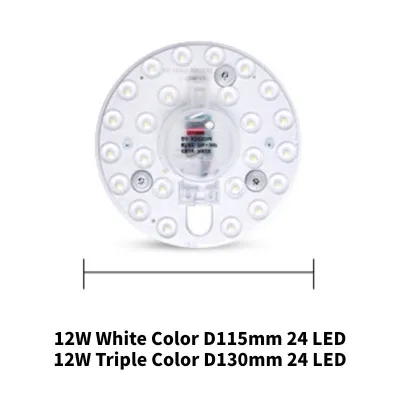
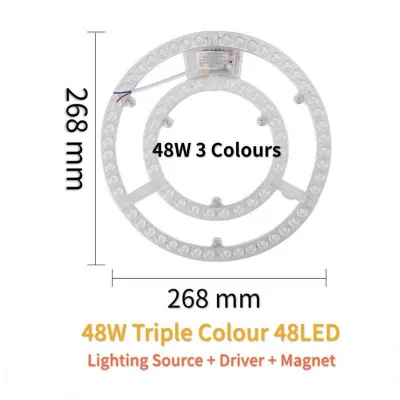
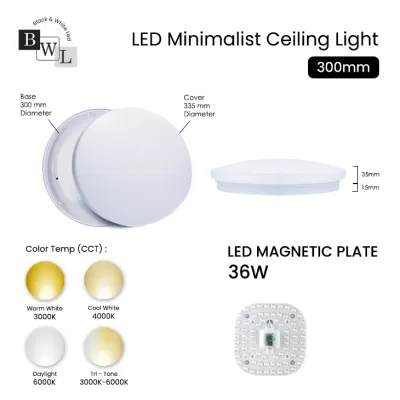
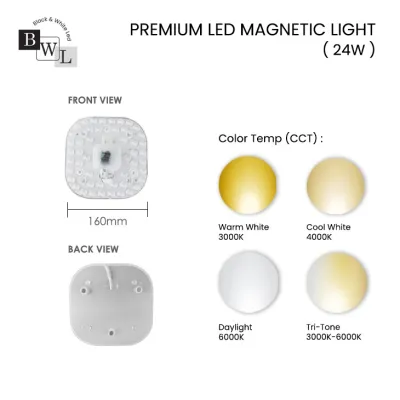
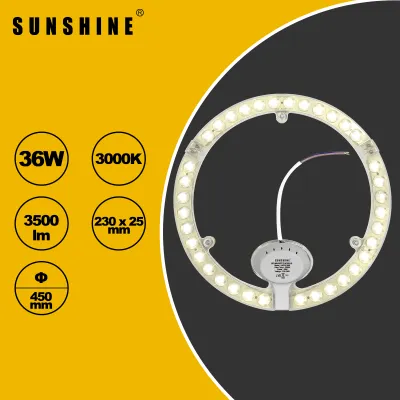
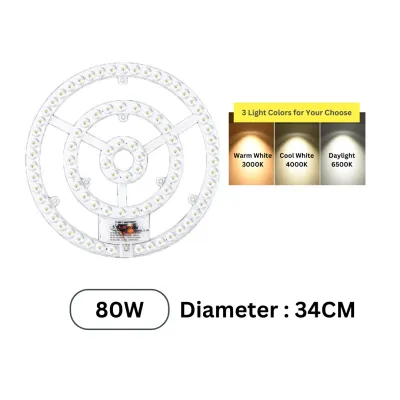
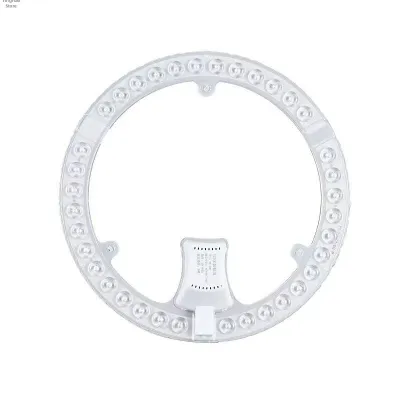
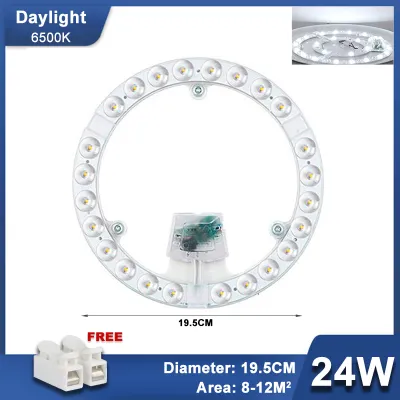
Prices are valid at publication and may change. Please refer to the product page for the latest price.
When exploring these options, it is important to distinguish between two primary types of magnetic systems: fully magnetic surface-mounted fixtures and magnetic track lighting systems. Surface-mounted magnetic lights utilize a slim metal base plate that is screwed directly into the ceiling. The LED light engine, housed in a lightweight chassis, then snaps onto this plate using high-strength permanent magnets. This design allows for an incredibly flush finish, often protruding less than five centimetres from the ceiling. In contrast, magnetic track systems feature a recessed or surface-mounted track channel into which various light modules—such as linear lights, spotlights, or accent globes—can be inserted and repositioned. While track systems offer high flexibility, surface-mounted magnetic panels are generally preferred for general ambient lighting in HDB flats due to their wider, more uniform light distribution.
Regardless of the system chosen, understanding the weight limitations of magnetic attachments is vital for safety. Permanent magnets, such as neodymium magnets, provide exceptional holding force relative to their size, but they are not designed to support heavy, ornate fixtures. Most magnetic LED ceiling lights are constructed from lightweight materials like aluminum and polycarbonate to ensure the magnetic bond remains secure over time. If a fixture exceeds the manufacturer’s specified weight limit, or if the mounting surface is uneven, mechanical fasteners must be used alongside or instead of the magnetic attachment. Always verify the maximum load capacity of the magnetic base plate and ensure the light housing matches these specifications perfectly to prevent accidental detachment.
Sizing and Brightness Planning for HDB Rooms
Achieving visual balance in an HDB flat requires matching the physical dimensions of the magnetic LED ceiling light to the square footage of the room. A fixture that is too small will look lost on a wide ceiling, while an oversized light can overwhelm the space and make the 2.6m ceiling feel lower than it is. For smaller spaces like utility rooms, bathrooms, or narrow hallways, compact circular or square fixtures with a diameter of 20 to 30 centimetres are highly effective. Medium-sized rooms, such as standard HDB bedrooms, typically benefit from fixtures measuring 40 to 50 centimetres in diameter. For spacious living rooms or open-plan dining areas, larger panels or a configuration of multiple coordinated magnetic fixtures can be used to define different functional zones without cluttering the ceiling plane.

Brightness planning is equally critical and should be tailored to the specific function of each room rather than relying on a one-size-fits-all approach. Because 2.6m ceilings position the light source closer to the living zone, over-specifying brightness can lead to discomfort, while under-specifying can cause eye strain. For task-oriented areas like study corners, home offices, or kitchen prep zones, a higher light output is necessary to facilitate focus and detail work. In contrast, bedrooms and living areas require softer, more relaxing ambient lighting. Instead of choosing a single high-wattage fixture, consider installing dimmable magnetic LED systems or utilizing multiple lower-wattage fixtures spread across the ceiling to distribute light more evenly.
Color temperature plays a major role in how spacious and comfortable an HDB room feels, though actual preferences remain highly subjective. The three primary color temperatures available are warm white (typically 2700K to 3000K), cool white (4000K), and daylight (6000K to 6500K). Warm white creates a cozy, intimate atmosphere that is ideal for bedrooms and living rooms during the evening. Cool white offers a neutral, clean light that mimics natural daylight, making it excellent for kitchens, bathrooms, and study areas where clarity is important. Daylight provides a bright, bluish-white light that is highly energizing but can feel clinical if used excessively in low-ceilinged spaces. Many modern magnetic LED ceiling lights feature tri-color switching or smart tuning, allowing you to adjust the color temperature to match the time of day and your specific activities.
Managing Glare and Light Distribution
With a ceiling height of 2.6 metres, the physical distance between your eyes and the light source is relatively short. This proximity significantly increases the risk of direct glare, which occurs when light shines directly into your field of vision, causing discomfort and visual fatigue. To mitigate this, it is essential to select magnetic LED ceiling lights designed with advanced optical diffusers. High-quality polycarbonate or acrylic diffusers scatter the light emitted by the individual LED chips, transforming harsh, concentrated points of light into a soft, uniform glow. Indirect lighting designs, which bounce light off the ceiling surface before reflecting it down into the room, are also highly effective at eliminating glare, though they may require slightly more power to achieve the same perceived brightness.
When comparing fixture designs, homeowners often choose between edge-lit and direct-lit LED panels. Edge-lit panels place the LED chips along the inner frame of the fixture, directing the light sideways into a light guide plate that distributes it evenly across the diffuser. This design results in an incredibly thin profile and a highly uniform, glare-free light surface, making it an exceptional choice for low HDB ceilings. Direct-lit panels, on the other hand, position the LEDs directly behind the diffuser, pointing downward. While direct-lit panels are often more energy-efficient, they require a slightly deeper housing to allow the light to spread before hitting the diffuser, which can increase the fixture’s visual profile and create subtle hot spots if the diffuser is of lower quality.
Beam angles also dictate how effectively light is distributed across a compact space. A narrow beam angle concentrates light in a tight cone, creating dramatic pools of light and dark corners—an effect that can make a small HDB room feel even smaller. For general ambient lighting, look for magnetic LED fixtures with a wide beam angle, ideally 120 degrees or more. This ensures that light washes over the walls and reaches the corners of the room, eliminating shadows and creating a bright, open feel. Wall washing, or directing light toward the vertical surfaces of a room, tricks the eye into perceiving the space as wider and taller than it actually is, making wide-angle magnetic fixtures a valuable design tool for 2.6m ceilings.
Installation Prerequisites and Safety Boundaries
Before purchasing or installing a magnetic LED ceiling light, you must evaluate the structural and electrical conditions of your HDB flat. The mounting method depends heavily on whether you are attaching the fixture directly to the original concrete ceiling slab or to a suspended false ceiling. Original HDB concrete ceilings are incredibly solid and require masonry drill bits and plastic or metal wall plugs to secure the magnetic base plate. It is crucial to drill to the correct depth and use screws that can fully support the weight of the base plate and the light fixture. If you are mounting the light onto a suspended false ceiling, such as gypsum board, standard wall plugs will not suffice. False ceilings have limited load-bearing capacity, and attempting to mount a heavy magnetic base plate directly to the plasterboard can lead to structural failure. Instead, the base plate must be anchored directly to the concrete slab above using threaded rods, or secured to the internal metal framing of the false ceiling.
Electrical safety is paramount when working with fixed wiring. Before attempting any installation, maintenance, or adjustment of a ceiling light, you must isolate the power supply at the main distribution board by switching off the corresponding circuit breaker. Never rely solely on the wall switch to turn off the power, as wiring configurations can sometimes leave live currents running to the fixture. Once the power is isolated, use a reliable voltage tester to confirm that the wires are completely dead before touching them. Inspect the existing wiring for any signs of degradation, such as brittle insulation, exposed copper, or loose connections, which must be addressed before connecting the new fixture.
While replacing a simple light fixture can often be a straightforward task, there are clear boundaries where DIY installation must stop. If your HDB flat features complex wiring configurations, such as two-way switching loops, smart home automation modules, or outdated wiring systems, you should consult a qualified, licensed electrician. Working at height on a ladder also introduces physical risks, especially when handling tools and aligning magnetic components overhead. If you are uncomfortable with electrical work, unsure of your ceiling’s load-bearing capacity, or installing fixtures in damp areas like bathrooms where moisture protection (IP rating) is critical, hiring a professional ensures compliance with local electrical safety standards and guarantees a secure, long-lasting installation.
Pre-Purchase Verification Checklist
To ensure a smooth installation and optimal performance, compile a pre-purchase verification checklist before finalizing your magnetic LED ceiling light selection. First, verify compatibility with your existing electrical setup and control preferences. If you plan to use a physical wall dimmer or integrate the light into a smart home ecosystem, confirm that the LED driver supplied with the magnetic fixture explicitly supports these protocols. Non-dimmable LED drivers connected to dimmer switches will flicker, buzz, or fail prematurely. If you prefer smart control, check whether the fixture requires a dedicated hub or can connect directly to your home Wi-Fi or Bluetooth network.
Next, measure the physical dimensions of the proposed installation site. Check the footprint of the magnetic base plate against the available unobstructed ceiling space, taking into account any nearby ceiling fans, air conditioning units, or decorative cornices. Ensure there is sufficient clearance around the fixture to allow you to easily snap the light housing onto the magnetic base and remove it for cleaning or maintenance without hitting adjacent objects.
Finally, review the manufacturer’s specifications, warranty terms, and local safety certifications. In Singapore, electrical appliances and light fittings should carry the appropriate safety compliance markings, such as the Safety Mark, to ensure they have been tested and approved for safe domestic use. Avoid purchasing unbranded or uncertified fixtures from unregulated online marketplaces, as these products may feature substandard drivers that pose fire or electrical shock hazards. Look for manufacturers that offer a clear warranty period and have a reliable local return policy, giving you peace of mind that you can easily obtain replacement parts or support if a component fails.
Frequently Asked Questions (FAQ)
Can magnetic ceiling lights be installed on false ceilings?
Yes, magnetic ceiling lights can be installed on false ceilings, but they require careful structural planning. Standard gypsum or calcium silicate boards used in HDB false ceilings are lightweight and brittle, meaning they cannot safely support the concentrated weight of a magnetic base plate and light fixture over time. To prevent the ceiling from sagging or cracking, the mounting screws must be anchored into the underlying metal support runners of the false ceiling frame. Alternatively, for heavier fixtures, installer-grade toggle bolts or threaded rods should be extended through the false ceiling to anchor directly into the concrete structural slab above. Always verify the weight of the entire fixture assembly against the load-bearing capacity of your specific ceiling structure before proceeding.
How do I clean a magnetic LED ceiling light without damaging it?
Cleaning a magnetic LED ceiling light is highly straightforward due to the detachable nature of the magnetic mount, but safety must always come first. Begin by turning off the wall switch and isolating the power at the main distribution board to eliminate any risk of electrical shock. Carefully pull the light housing away from the magnetic base plate, ensuring you have a firm grip on the fixture to prevent it from dropping. Place the fixture on a stable surface and use a dry, clean microfiber cloth to gently wipe away dust and debris from the diffuser and outer casing. Avoid using wet cloths, harsh chemical solvents, or abrasive cleaning agents, as moisture can penetrate the housing and damage the internal LED chips or driver, while chemicals can degrade the plastic diffuser. Once clean, align the fixture with the magnetic base plate and gently let the magnets pull it back into its secure position, verifying a firm hold before releasing.

Community discussion
Share your experience or ask a question. Comments are reviewed before publication.