
Selecting the right hanging lights deco for a standard 2.6-metre Housing & Development Board (HDB) ceiling requires a careful balance between aesthetic appeal and practical safety. Because HDB flats typically feature a uniform ceiling height of 2.6 metres, installing suspended fixtures demands precise measurements to prevent the space from feeling cramped or creating physical hazards. By understanding how to calculate the ideal drop length and fixture diameter, you can introduce elegant vertical design elements without compromising on head clearance or visual comfort.
Understanding Head Clearance and the 2.6m Baseline
When planning your lighting layout, the primary constraint is maintaining a safe and comfortable clearance zone for walking. Standard residential design guidelines generally recommend a minimum clearance of 2.1 metres from the floor to the bottom of any hanging fixture in open walkways. This ensures that tall family members and guests can move freely through the room without the risk of bumping into the light.
With a 2.6-metre ceiling baseline, this 2.1-metre clearance rule leaves you with a maximum total drop length of 50 centimetres for any fixture placed in a high-traffic path. This 50-centimetre limit must include the ceiling canopy, the suspension cord or chain, and the actual height of the light fixture itself. Consequently, large, multi-tiered chandeliers or exceptionally long pendant lights are generally unsuitable for central, open-floor installations in standard HDB flats.
Products mentioned in this guide
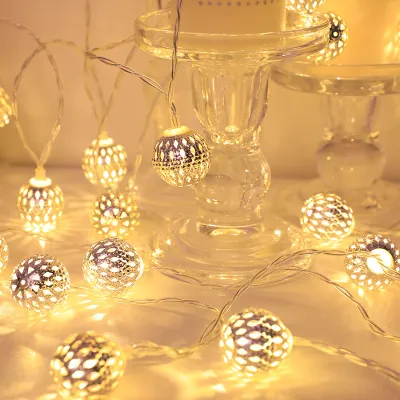
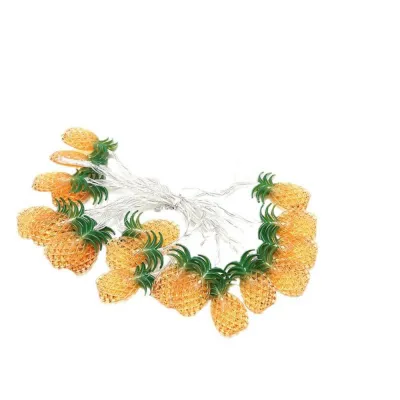
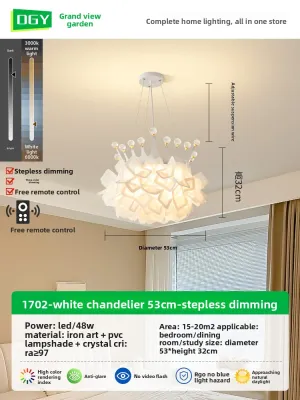
Prices are valid at publication and may change. Please refer to the product page for the latest price.
However, these strict clearance limits change significantly when you position hanging lights directly over furniture. When a fixture is anchored over a dining table, kitchen island, or bedside table, the risk of collision is virtually eliminated because people do not walk through these areas. In these dedicated zones, you can safely lower the fixture to create a more intimate atmosphere and focus the light exactly where it is needed.
Proportional Sizing for Hanging Lights Deco
Achieving a balanced look with your hanging lights deco involves matching the physical dimensions of the fixture to the scale of the room and the furniture beneath it. A common design method to determine the ideal diameter of a central light is to add the length and width of the room in metres, then multiply the sum by a scaling factor to find a proportional diameter in centimetres. For example, in a compact room measuring 3 metres by 4 metres, a fixture with a diameter of approximately 50 to 60 centimetres often provides an appropriate visual anchor without overwhelming the space.

Beyond physical measurements, you must also evaluate the visual weight of the fixture. Solid, opaque shades made of heavy metal, ceramic, or dark timber tend to dominate a room visually, making a 2.6-metre ceiling feel lower than it actually is. In contrast, open-frame designs, clear glass globes, or woven rattan pendants allow light and sightlines to pass through, creating an airy, spacious feel that is highly beneficial in compact HDB layouts.
If you want to cover a larger area without using a single, bulky fixture, clustering multiple small pendants is an excellent alternative. Hanging two or three smaller lights in a linear arrangement or a staggered cluster distributes the visual weight across a wider plane. This approach provides sufficient illumination and design impact while keeping the individual drop lengths shorter and more manageable for a standard ceiling height.
Room-by-Room Drop Length Strategies
In the dining area, the distance between the tabletop and the bottom of the hanging light is the key metric to watch. For a standard dining table height of approximately 75 centimetres, the bottom of your pendant light should ideally sit between 75 and 90 centimetres above the table surface. On a 2.6-metre ceiling, this translates to a total drop length of roughly 95 to 110 centimetres from the ceiling to the bottom of the fixture, which beautifully frames the dining zone.
For kitchen counters and breakfast bars, hanging lights must balance functional task lighting with clear sightlines across the kitchen. The bottom of the pendants should hang approximately 75 to 85 centimetres above the countertop, or roughly 1.5 to 1.6 metres from the floor. This height ensures that the light source remains above eye level for most standing adults, preventing direct bulb glare while keeping your view across the kitchen completely unobstructed.
In living spaces and bedrooms, hanging lights should be adapted to the specific furniture layout to avoid interference. If you are placing a pendant over a coffee table, ensure the drop length leaves enough clearance so you do not knock the fixture when leaning over. For bedside installations, hanging a pendant low over a nightstand—roughly 40 to 50 centimetres above the tabletop—creates a cozy, modern reading light that frees up valuable surface space.
In high-traffic transition zones like hallways, foyers, and entryways, maximizing overhead clearance is the absolute priority. Because these areas experience constant movement and are often narrow, you should avoid long hanging cords entirely. Opt for flush or semi-flush mounts, or restrict any hanging lights to a very short drop of no more than 30 centimetres to guarantee a completely safe, open passage.
Pre-Installation Checks and Electrical Boundaries
Before purchasing or mounting any hanging lights deco, you must perform several physical and electrical verifications to ensure a safe installation. First, verify the weight rating of your ceiling junction box and ensure the concrete ceiling structure can support the suspended load. HDB ceilings require appropriate masonry wall plugs and heavy-duty brackets to secure the mounting plate, especially if your chosen fixture features heavy glass or metal components.
Next, inspect the existing wiring and the specifications of the fixture itself. Ensure the light is compatible with Singapore’s standard 220V-240V electrical system and carries appropriate safety certifications, such as the local Safety Mark. You should also check the base or interface type (such as E27 or GU10), the maximum wattage limit, and whether the fixture supports your preferred dimming method if you plan to install a dimmer switch.
For any fixed wiring work, installation in damp areas like bathrooms, or when working at heights, safety must be your primary concern. Always isolate the power supply at the main distribution board before touching any electrical components. If the installation requires modifying your home’s permanent wiring, extending a junction box, or handling complex suspended loads, stop immediately and hire a licensed electrical worker to complete the job safely and in compliance with local regulations.
Common Sizing and Placement Mistakes
One of the most frequent errors in HDB lighting design is hanging fixtures too low in open pathways, which creates an immediate physical hazard for taller occupants. Conversely, hanging a pendant too high over a dining table or kitchen island can make the fixture look disconnected from the furniture below, while also exposing the bare bulb and causing uncomfortable glare.
Another common mistake is mismatching the visual scale of the light fixture with the furniture directly beneath it. Placing a tiny, single pendant over a large six-seater dining table looks disproportionate and fails to provide adequate light distribution. On the other hand, installing an oversized, heavy dome light over a delicate glass table can make the entire dining nook feel top-heavy and cramped.
Finally, homeowners often overlook how bulb glare behaves when a fixture is hung close to eye level. If you choose an open-shade or clear-glass pendant, the exposed bulb can cause significant eye strain during daily activities. To avoid this, select fixtures with frosted diffusers, or use low-wattage, warm-toned LED bulbs that provide soft, indirect illumination rather than harsh, direct light.
Frequently Asked Questions (FAQ)
Can I use hanging lights in rooms with ceilings lower than 2.6m?
Yes, you can still use hanging lights in rooms with ceilings lower than 2.6 metres, but you must select your fixtures with extreme care. In these restricted spaces, traditional long pendants are impractical for walkways, so you should focus on semi-flush mounts or very shallow pendants with a maximum drop of 20 to 30 centimetres. Alternatively, reserve hanging lights exclusively for positions directly over fixed furniture, such as bedside tables or dining tables, where the lower clearance will not interfere with foot traffic.
How do I safely shorten a pendant light cord that is too long?
To shorten a pendant light cord safely, you should use the manufacturer-approved adjustment mechanisms built into the ceiling canopy, which often involve a cord grip or collar that allows you to feed the excess cord up into the housing. Never loop, knot, or tie the cord externally, as this can damage the internal insulation and create a fire hazard. If the cord must be cut and rewired to fit a very short drop, always isolate the power first, follow the product’s installation instructions carefully, or consult a qualified electrician to ensure the connections remain safe and secure.
When should I choose a flush mount instead of a hanging light?
You should choose a flush mount instead of a hanging light in high-traffic zones, narrow hallways, and utility areas where vertical space is limited and safety is the main priority. Flush mounts sit directly against the ceiling, eliminating any risk of accidental contact while providing broad, even light distribution across the entire room. If your room requires general ambient lighting without a specific focal point, or if the ceiling height is interrupted by structural beams, a flush mount is a much more practical and visually clean solution than a hanging pendant.
Community discussion
Share your experience or ask a question. Comments are reviewed before publication.