
To choose the right essential oil diffuser to act as an effective room freshener in your HDB flat or condominium, you must match the device’s water tank capacity and mist output to the physical volume and airflow of your space. A diffuser that is too small will fail to disperse a noticeable scent across a spacious living room, while an oversized unit running at maximum output in a compact bedroom can quickly lead to an overpowering aroma and excessive humidity. By evaluating your room’s square footage, understanding how ventilation affects scent dispersion, and selecting a tank size that aligns with your daily routine, you can maintain a balanced, pleasant atmosphere throughout your home.
Understanding Room Size and Diffuser Coverage
Before purchasing a room freshener setup, calculate the floor area of the target room. In Singapore, residential spaces are measured in square meters. A standard HDB common bedroom measures between 8 and 10 square meters, while a master bedroom ranges from 12 to 15 square meters. Living and dining areas in open-concept condo layouts can exceed 25 to 35 square meters. Knowing these dimensions prevents you from buying a device designed for a small study and expecting it to scent an entire communal living zone.
Ceiling height also determines the total volume of air your diffuser needs to treat. While standard HDB ceilings sit at around 2.6 meters, some modern condominiums feature loft designs exceeding 3 meters. A higher ceiling increases the air volume, meaning you will require a slightly higher mist output to achieve the same scent intensity.
Products mentioned in this guide
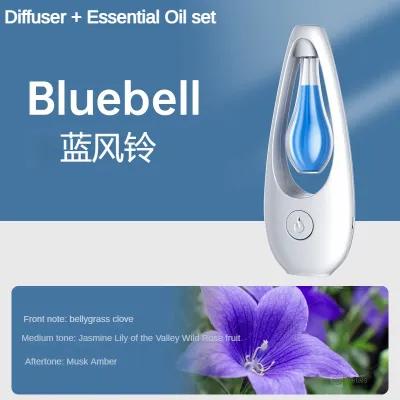
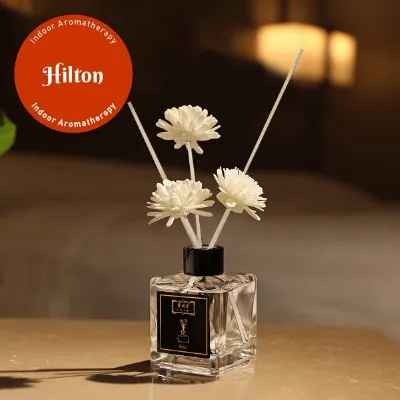
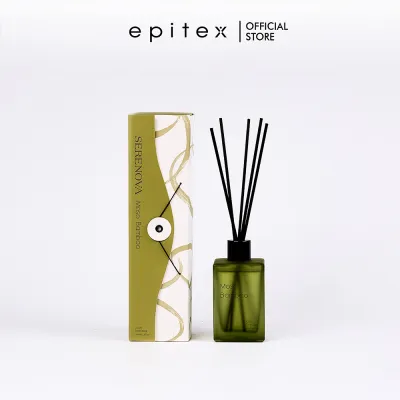
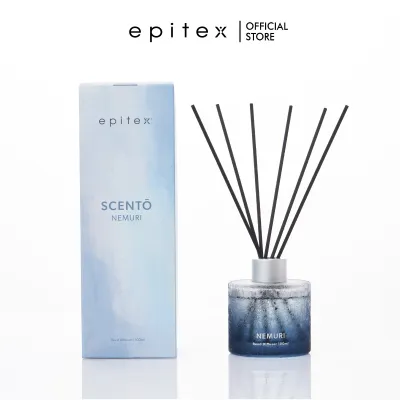
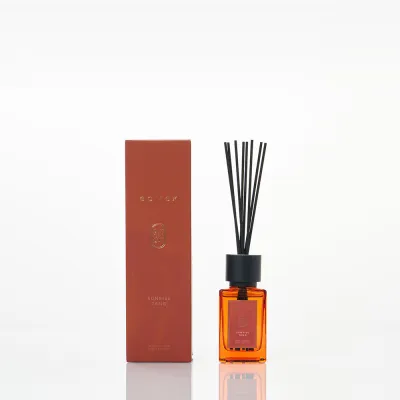
Prices are valid at publication and may change. Please refer to the product page for the latest price.
Airflow patterns within your home alter how a scent travels. If you run an air conditioner, the cooling process dehumidifies the air while circulating it rapidly. This active circulation can help distribute the mist quickly, but the dry air may also cause the scent to dissipate faster. Conversely, using a ceiling fan on a high setting can push the mist toward open windows, venting the fragrance outside before it has a chance to settle.
Enclosed private rooms retain scents much longer because the air remains relatively contained. In contrast, open-concept living areas experience constant air exchange. These highly ventilated communal spaces require a more strategic approach to diffuser placement and output settings to ensure the fragrance does not simply vanish into adjacent rooms.
Matching Tank Capacity to Your Usage Routine
The water tank capacity of an ultrasonic diffuser, measured in milliliters (ml), dictates how long the device can operate before requiring a refill. Generally, a larger water reservoir translates to a longer continuous run time. However, choosing the largest available tank is not always the best strategy for every room.

For compact HDB bedrooms, a diffuser with a capacity of 100 ml to 200 ml is highly appropriate. These smaller units typically provide between three to six hours of continuous mist. This duration is ideal for freshening up a room before sleep without leaving standing water in the tank for days, which can encourage bacterial growth.
In contrast, spacious condo living rooms benefit from larger capacities, such as 300 ml to 500 ml. A larger tank allows the device to run throughout the day without constant manual refills. This is particularly convenient if you want the diffuser to act as a continuous room freshener while you host guests or relax during the weekend.
Many modern diffusers feature built-in timers and interval settings, such as alternating between 30 seconds of misting and 30 seconds of rest. Utilizing these settings is an excellent way to extend the runtime of a smaller-capacity unit. It also helps prevent olfactory fatigue, a common phenomenon where your senses become desensitized to a constant scent.
When selecting a tank size, consider your daily habits. If you prefer a quick burst of fragrance while winding down, a small, easily cleaned unit is highly practical. If you prefer a low, steady background scent that persists from morning until night, investing in a larger unit with robust interval controls will better suit your lifestyle.
Evaluating Mist Output for Effective Freshening
While tank capacity determines how long a diffuser can run, the mist output rate—usually measured in milliliters of water consumed per hour (ml/h)—determines the intensity of the scent and the moisture added to the air. Balancing this output is crucial for maintaining a comfortable indoor environment, especially given Singapore’s naturally warm and humid climate.
High mist output settings, often exceeding 30 ml/h, are designed to project fragrance across larger spatial volumes. In a spacious living room, a high output ensures that the micro-droplets of water and essential oil travel far enough to cover the entire seating area. However, using this same high setting in a small, enclosed bedroom can quickly lead to an overwhelming concentration of scent that may cause headaches or throat irritation.
Furthermore, excessive mist output in a confined space can lead to localized humidity accumulation. Because Singapore’s relative humidity is already naturally high, adding too much moisture to an unventilated room can create a damp environment. Over time, this excess moisture can settle on cold surfaces, potentially encouraging mold growth on walls, curtains, or bedding. Adjusting the device to a low mist setting (around 10 to 15 ml/h) in smaller rooms helps mitigate this risk.
When shopping for a room freshener, always review the manufacturer’s product specification label for the rated mist output and recommended coverage area. Treat these figures as baseline references rather than absolute guarantees. In a real-world HDB or condo with active ventilation, open doors, and furniture obstructions, the effective coverage area may be slightly less than stated, requiring you to adjust the placement or run time accordingly.
Placement and Safety Considerations for HDB and Condo Spaces
Proper placement of your diffuser is essential not only for maximizing scent distribution but also for protecting your home and ensuring electrical safety. Because these devices rely on water and electricity, they must be positioned with care.
Always place your diffuser on a flat, stable, and water-resistant surface. Avoid placing the unit directly on solid wood furniture, wood veneers, or delicate paper-wrapped surfaces. Over time, the falling mist can condense on the surface, leading to water rings, warping, or peeling finishes. If you must place it on wood, use a wide, non-porous coaster or tray to catch any stray droplets.
Keep the device away from direct sunlight, which can heat the water tank prematurely and degrade the chemical integrity of your essential oils. Additionally, ensure the mist path is clear of electronic appliances, power strips, and wall outlets. Directing a stream of moist air toward televisions, game consoles, or computers can cause moisture ingress, potentially damaging sensitive circuitry.
Electrical safety is a paramount consideration in Singaporean households. Before plugging in your diffuser, verify that the power adapter matches the local voltage standard of 230V and 50Hz. Look for recognized safety certifications, such as the Safety Mark, on the power supply unit to ensure it has been tested for electrical safety. Manage the power cord carefully, keeping it out of high-traffic walkways where children or pets could trip over it and pull the operating device off a table.
Finally, be mindful of high-humidity zones within your home. Placing a diffuser directly adjacent to a steaming bathroom or a busy kitchen stove can compound existing moisture issues. Instead, position the device in a well-ventilated area where air currents can naturally carry the scent throughout the room, allowing the mist to evaporate completely before it can settle on nearby walls or ceilings.
Frequently Asked Questions (FAQ)
Can I use one large diffuser for the entire HDB living and dining area?
Using a single, high-capacity diffuser to cover an entire open-concept HDB living and dining area is possible, but it comes with distinct trade-offs. Because physical obstructions like pillars, L-shaped layouts, and household furniture block the natural flow of air, a single scent source may result in an uneven fragrance distribution. The area immediately surrounding the diffuser may become heavily scented and damp, while the far corner of the dining space receives almost no fragrance. To achieve a more balanced and subtle room freshener effect throughout a large or irregularly shaped communal area, using two smaller diffusers placed at opposite ends of the space is often much more effective than relying on one large unit.
Will a high mist output diffuser damage my condo furniture or walls?
Yes, a high mist output diffuser can potentially damage nearby condo furniture, wallpaper, or painted walls if it is positioned incorrectly. When a diffuser operates on a high setting, the heavy mist can settle on surrounding surfaces before it has a chance to fully evaporate into the air. Over time, this persistent moisture can cause wallpaper adhesive to peel, paint to bubble, and wooden furniture to warp or develop unsightly water stains. To prevent this damage, always maintain a safe clearance of at least 30 to 50 centimeters between the diffuser and any walls or delicate home decor. Additionally, make it a habit to regularly wipe down nearby surfaces to remove any residual moisture or essential oil buildup.
Community discussion
Share your experience or ask a question. Comments are reviewed before publication.