
In Singapore’s fast-paced urban environment, home decor trends have shifted toward a balance of practical durability and refined aesthetics. With the majority of residents living in high-density housing like Housing & Development Board (HDB) flats and modern condominiums, optimizing limited surface space is a key design priority. Among the most versatile and increasingly popular decor accents are small plastic vases. Once dismissed as cheap or purely utilitarian, modern plastic vases have undergone a design renaissance. Today, they offer sophisticated finishes, complex geometries, and robust structural integrity that rival traditional ceramic, glass, or stone vessels—all while remaining shatterproof, lightweight, and highly affordable.
Selecting the right style of a small plastic vase involves understanding how different designs interact with your existing interior theme, lighting, and spatial constraints. Whether you are decorating a compact study desk, a narrow entryway console, or a bedside table, a well-chosen plastic vase can elevate your space without the constant worry of accidental breakage. By exploring the most popular styles trending in Singapore homes, you can make an informed purchase that perfectly complements your personal aesthetic.
Key Factors for Choosing Small Plastic Vases
Before selecting a specific style or color, it is essential to understand the functional and spatial factors that determine how well a small plastic vase will perform in your home. Because Singaporean apartments often feature multi-functional rooms and compact furniture layouts, a thoughtful approach to scale, material quality, and environmental resilience will ensure your decor remains both beautiful and practical over time.
Products mentioned in this guide
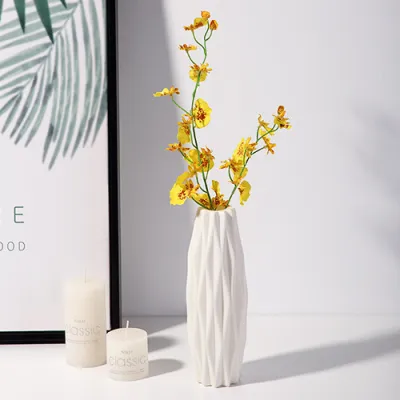
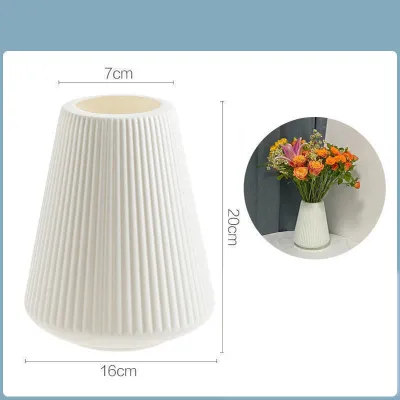
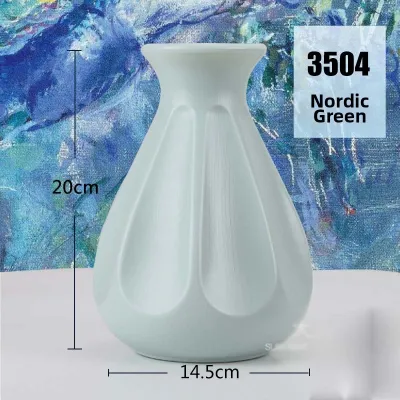
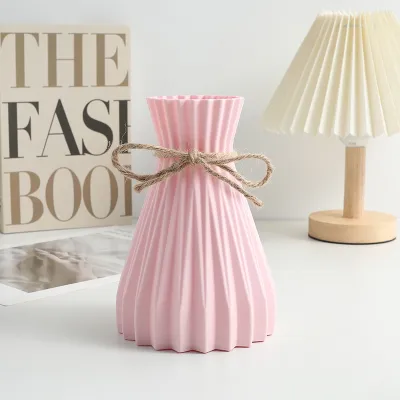
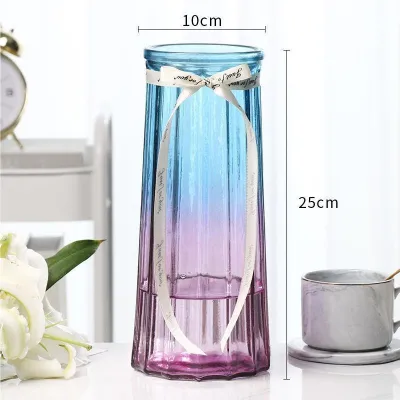
Prices are valid at publication and may change. Please refer to the product page for the latest price.
Scale and Proportion in Compact Spaces
When dealing with limited square footage, the scale of your decor accessories is critical. A vase that is too large can quickly overwhelm a compact surface, making the entire room feel cluttered, while a vase that is too small may get lost among other household items.
- HDB Study Desks: Typically measuring between 100cm and 120cm in width, a study desk requires a compact accent that does not interfere with laptops, books, or writing space. A small plastic vase standing between 12cm and 18cm tall is ideal, providing a refreshing touch of greenery without encroaching on your workspace.
- Condo Entryway Consoles: Often designed with narrow depths of 25cm to 30cm to preserve walkway space, console tables benefit from slim, low-profile vases. Choosing a small vase with a narrow or oval footprint ensures it sits securely on the ledge without hanging over the edge.
- Bedside Tables: Nightstands are high-traffic zones where we place phones, water glasses, and books in the dark. A lightweight, shatterproof plastic vase is the perfect choice here, as accidental bumps in the middle of the night will not result in dangerous broken glass or ceramic shards.
Evaluating Plastic Quality and Surface Finishes
Not all plastic vases are created equal. The visual appeal of a modern plastic vase depends heavily on the type of polymer used and the quality of its surface finish. Understanding these differences helps you avoid cheap-looking options and select pieces that offer a premium, high-end look.
- Matte and Chalky Finishes: These surfaces excel at scattering light reflections, completely eliminating the shiny, synthetic glare often associated with cheap plastics. High-quality matte finishes closely mimic the organic, tactile look of unglazed ceramic, biscuit porcelain, or fine stoneware.
- Glossy and Semi-Gloss Finishes: While high-gloss plastics can sometimes look inexpensive, a well-executed semi-gloss or polished acrylic finish can replicate the sleek, reflective quality of colored glass or lacquered ceramic. These are highly effective in ultra-modern or minimalist settings where clean reflections are desired.
- Textured and Composite Plastics: Some premium plastic vases incorporate natural materials, such as stone powder or wood fibers, into the polymer mix. This composite construction gives the vase a realistic, earthy texture and a heavier, more substantial feel that makes it virtually indistinguishable from real stone or clay.
- Wall Thickness: Always check the structural rigidity of the vase. Thin-walled plastic vases are highly flexible, prone to warping, and look cheap. Look for thick-walled designs (typically 3mm or thicker) that provide excellent structural stability, clean edges, and a satisfying weight.
Environmental Factors in Singapore Homes
Singapore’s tropical climate, characterized by high humidity and intense, year-round ultraviolet (UV) radiation, presents unique challenges for plastic home decor. Understanding how these factors affect different materials will help you preserve the life and appearance of your vases.
- UV Resistance: Direct sunlight streaming through large balcony windows or west-facing glass panels can rapidly degrade standard plastics. UV radiation breaks down polymer chains, causing white plastics to yellow, vibrant colors to fade, and the material itself to become brittle and prone to cracking. When shopping for vases placed near windows, look for products specified as UV-stabilized or made from highly UV-resistant polymers like acrylic (PMMA) or high-grade polycarbonate.
- Humidity and Moisture: While high humidity does not degrade most household plastics, it can encourage the growth of dust-binding film on smooth surfaces. Opaque, high-quality plastics are completely unaffected by moisture, making them far superior to poorly sealed ceramic or metal vases that may sweat, rust, or damage delicate wooden furniture underneath.
Popular Small Plastic Vase Styles for Singapore Homes
The evolution of plastic manufacturing has unlocked incredible design possibilities. Advanced injection molding, rotational molding, and high-precision finishing techniques allow designers to create plastic vases with intricate details, seamless joints, and sophisticated silhouettes. Today, small plastic vases are available in a wide array of styles tailored to match the diverse interior design themes popular across Singapore.

Minimalist and Scandinavian Designs
Minimalist and Scandinavian (often blended into the popular “Japandi” style) interiors focus on simplicity, natural light, and functional beauty. Small plastic vases designed under this aesthetic prioritize clean lines, soft organic curves, and a completely understated presence.
These vases typically feature ultra-matte finishes and a palette of muted, neutral tones such as chalky white, warm beige, soft sand, sage green, and dusty rose. Their shapes are often simple cylinders, gentle spheres, or subtle teardrops that do not compete for attention but rather bring a sense of calm and balance to a room.
- Best Placements: These designs are perfect for minimalist living room shelves, HDB study desks, bathroom vanity counters, and kitchen window sills where clean, uncluttered visual lines are highly valued.
- Limitations to Watch For: Because minimalist designs rely on absolute simplicity, any manufacturing defect is immediately noticeable. Thin plastic walls or visible mold parting lines—the faint ridges where the two halves of the production mold meet—can instantly ruin the high-end illusion. When purchasing, inspect the sides of the vase to ensure the seams are either completely polished away or strategically hidden along a natural edge.
Modern and Geometric Shapes
For homeowners who prefer a bolder, more contemporary look, modern geometric plastic vases serve as striking architectural accents. These designs leverage the unique flexibility of molded plastic to achieve complex, sharp-angled forms that would be difficult or highly expensive to produce in traditional ceramic or glass.
Geometric vases often feature faceted surfaces, origami-inspired folds, asymmetrical silhouettes, and sharp, clean corners. They are frequently finished in semi-gloss or satin textures and come in a mix of sophisticated dark tones—such as charcoal grey, forest green, and navy blue—as well as vibrant, contrasting accent colors that make them stand out as independent sculptural pieces.
- Best Placements: These eye-catching shapes are ideal for modern condominium entryway consoles, creative office workspaces, floating display shelves, and coffee tables where they can serve as subtle conversation starters.
- Limitations to Watch For: Geometric designs have a strong visual personality, making them difficult to integrate into highly traditional, rustic, or heavily ornate interior styles. They require a deliberate, uncluttered styling approach; surrounding them with too many competing decorative items can make the space look chaotic rather than curated.
Vintage and Classic Silhouettes
Vintage and classic home decor themes emphasize warmth, history, and timeless elegance. To cater to this aesthetic, manufacturers have adapted traditional, historical vase shapes into lightweight, durable, and highly accessible plastic formats.
These vases replicate classic silhouettes such as Greek urns, Roman amphoras, fluted-neck bottles, and traditional ribbed ginger jars. To enhance the vintage illusion, they often feature faux-ceramic, faux-stone, or distressed plaster textures that give them an aged, handcrafted appearance.
- Best Placements: These classic shapes look beautiful as dining table centerpieces, on bedside nightstands, or nestled inside cozy reading nooks, where they add a layer of traditional charm and comfort.
- Limitations to Watch For: Up close, faux-stone or faux-ceramic finishes on plastic can sometimes look artificial if the texturing is too uniform or poorly printed. To maintain the illusion of authentic stoneware, place these vases slightly further from direct eye level—such as on a high shelf or a sideboard—and mix them with natural decorative elements like wooden trays, books, and real dried botanicals.
Textured and Ribbed Finishes
Textured and ribbed plastic vases have surged in popularity due to their highly tactile surfaces, which naturally disrupt the flat, synthetic appearance of basic plastic. These designs focus on how light and shadow interact with the vase’s surface, creating depth and visual interest.
Common textures include vertical fluting, tight ribbed patterns, woven basket-weave designs, and simulated hammered-metal finishes. These textures not only look premium but also provide a slip-resistant grip when handling the vase.
- Best Placements: Textured vases are exceptionally practical for high-traffic flat surfaces where dust, water spots, or fingerprints are common, such as kitchen islands, dining tables, and entryway benches. The intricate surface patterns excel at hiding minor smudges and dust.
- Limitations to Watch For: The primary drawback of deeply textured or ribbed surfaces is that they can trap dust, pet hair, and moisture in their crevices over time. Unlike smooth vases that can be wiped clean in a single pass, textured plastic vases require more detailed maintenance, such as occasional dusting with a soft-bristled brush or washing under running water.
Style Comparison: Matching Vases to Your Room and Flowers
To help you quickly identify the best small plastic vase style for your specific home environment, the comparison table below outlines the ideal finishes, placements, and floral pairings for each design category.
| Vase Style | Best Finish / Texture | Ideal Room Placement | Best Floral Pairing |
|---|---|---|---|
| Minimalist & Scandinavian | Matte, chalky pastel, or soft neutral tones | Study desks, bedside tables, bathroom vanities | Single eucalyptus branches, dried cotton stems, or a lone monstera leaf |
| Modern & Geometric | Faceted matte, semi-gloss bold colors | Entryway consoles, floating shelves, creative workspaces | Architectural stems, dried pampas grass, or bare structural twigs |
| Vintage & Classic | Faux-stone, textured terracotta, fluted matte | Dining tables, sideboards, cozy reading nooks | Small bouquets of dried lavender, baby's breath, or faux roses |
| Textured & Ribbed | Vertical ribbed, pleated, or hammered finishes | Kitchen islands, high-traffic counters, coffee tables | Fresh herbs, small mixed wildflower bouquets, or faux eucalyptus |
When pairing flowers with your small plastic vase, matching the botanical style to the vase’s aesthetic is key to creating a cohesive look. For instance, a highly structured, geometric vase works best with a single, dramatic stem that mirrors its architectural lines, whereas a vintage-style urn naturally suits a softer, more relaxed arrangement of dried wildflowers.
Styling Hacks and Maintenance for Plastic Vases
While high-quality small plastic vases look excellent on their own, applying a few professional styling techniques can elevate their appearance, making them look indistinguishable from premium ceramic or glassware. Additionally, proper care and maintenance will ensure your plastic decor remains in pristine condition for years.
Professional Styling Hacks
Because plastic is naturally lightweight, it lacks the physical presence and stability of heavy stoneware. You can easily overcome these characteristics using simple styling tricks:
- Add Weight for Stability: Lightweight plastic vases can easily tip over, especially when holding top-heavy floral arrangements or when placed in drafty areas near fans and air conditioners. To prevent this, fill the bottom third of the vase with clean river pebbles, coarse sand, or decorative glass beads. This lowers the center of gravity, providing excellent stability and giving the vase a satisfying, heavy feel when handled.
- The Rule of Threes (Grouping): A single small vase can sometimes look isolated or lost on a large surface. To create a visually engaging display, group vases in odd numbers—ideally three. Choose vases of varying heights but keep them within a cohesive color palette or material family. For example, pair a tall, medium, and short matte beige vase together to create a balanced, professional-looking vignette.
- Mix with Natural Textures: To soften the synthetic nature of plastic, always pair your vases with natural materials. Place your plastic vase on a solid wood tray, next to a stack of linen-bound books, or alongside small potted indoor plants. This contrast of materials helps the plastic blend seamlessly into a warm, organic home environment.
Cleaning and Maintenance Guidelines
To keep your plastic vases looking clean, vibrant, and free of unsightly blemishes, follow these gentle maintenance practices:
- Use Gentle Cleaning Agents: Always clean your plastic vases using mild dishwashing liquid and lukewarm water. Avoid using harsh chemical cleaners, bleach, window sprays, or solvents like acetone, as these chemicals can chemically react with the polymer, causing it to cloud, discolor, or melt.
- Avoid Abrasive Sponges: Plastic surfaces scratch much more easily than glass or ceramic. Never use steel wool, scouring pads, or the rough side of a kitchen sponge to clean your vases. Instead, use a soft microfiber cloth or a gentle sponge to wipe away dust and water marks.
- Cleaning Deep Textures: For ribbed or highly textured vases that have accumulated dust in their grooves, use a soft-bristled toothbrush or a clean makeup brush dipped in soapy water to gently dislodge dirt without scratching the surface.
Safety and Long-Term Care
To preserve the structural integrity and color of your plastic vases, keep these safety and placement tips in mind:
- Keep Away from Heat Sources: Do not place plastic vases near high-heat appliances, such as kitchen stoves, ovens, or directly next to hot electronic equipment like desktop computer exhausts or television consoles. Prolonged exposure to heat can warp the plastic shape.
- Avoid Direct Tropical Sun: While high-quality plastics are durable, placing them in areas that receive intense, direct afternoon sunlight can accelerate color fading and material degradation. Position your vases in well-ventilated areas that receive bright, indirect or filtered light to keep them looking brand new.
Frequently Asked Questions (FAQ)
Can plastic vases hold real flowers and water safely?
Yes, most high-quality plastic vases are perfectly capable of holding water and fresh flowers. However, because decorative plastic vases are often manufactured using multi-part injection molds, there is always a small risk of micro-gaps or slow leaks along the bottom seams.
To protect your valuable wooden furniture, consoles, or study desks from potential water damage, it is highly recommended to test the vase first. Fill it with water and let it sit in your kitchen sink for 24 hours to verify it is completely watertight. Alternatively, you can place a small glass test tube, a slim glass jar, or a plastic liner inside the decorative plastic vase to hold the water and stems safely.
How do I make a plastic vase look more expensive?
Making a plastic vase look premium comes down to selecting the right finish and styling it thoughtfully. First, always prioritize ultra-matte, chalky, or heavily textured finishes over high-gloss options, as matte surfaces scatter light and mimic high-end ceramic or plaster. Stick to muted, earthy, or monochromatic color palettes—such as sand, charcoal, terracotta, or sage—which naturally look more sophisticated than bright, saturated primary colors.
Second, pair the vase with high-quality botanical elements. Avoid cheap, shiny plastic artificial flowers, which will immediately highlight the synthetic nature of the vase. Instead, opt for highly realistic faux botanicals, preserved eucalyptus, dried pampas grass, or natural dried branches. Finally, use the weighting hack by adding sand or pebbles to the base, giving the vase a realistic, premium weight when touched or moved.
Community discussion
Share your experience or ask a question. Comments are reviewed before publication.