
Creating a cohesive smart gallery wall is an excellent way to blend modern technology with classic home decor. Unlike a single digital frame sitting on a side table, a multi-frame gallery wall demands a high level of visual uniformity and centralized control to look intentional rather than cluttered. When multiple screens hang side by side, any slight variation in bezel thickness, screen glare, or color temperature becomes immediately noticeable. To achieve a seamless look, you must prioritize bezel consistency, display calibration, and multi-device ecosystem support over the standalone features of any single frame. Before committing to specific brands, understanding how these elements interact will help you design a digital gallery that looks like a curated art collection.
Key Criteria for a Cohesive Multi-Frame Setup
To build a successful multi-frame gallery wall, you must look beyond individual product specifications and evaluate how different units perform as a collective group. The first physical element to examine is bezel uniformity. If you plan to mix different frame sizes—such as pairing a large central landscape frame with smaller portrait frames—you need to verify that the brand maintains consistent bezel thickness, material texture, and color across its entire product line. A slight shift in the shade of white or a variation in the grain of a wood-style bezel can disrupt the visual harmony of your arrangement.
Display panel matching is equally critical for maintaining the illusion of physical art. Digital screens use various panel technologies, backlighting systems, and surface treatments. When arranging multiple frames, ensure they feature matching screen finishes, preferably matte or anti-glare coatings. A glossy screen hanging next to a matte screen will reflect room lighting differently, instantly breaking the cohesive gallery effect. Additionally, look for frames that allow precise manual adjustment of color temperature and brightness. This calibration ensures that a white background or a specific piece of art displays with the same warmth and intensity across every screen on your wall.
Products mentioned in this guide
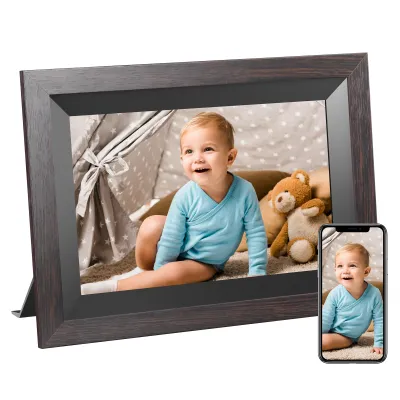

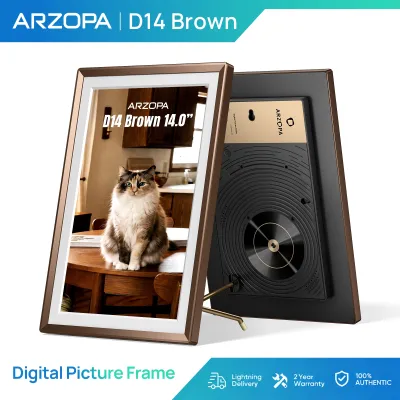
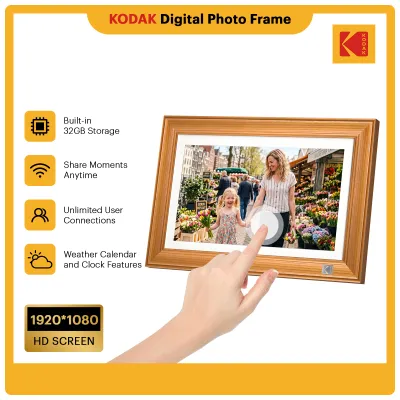

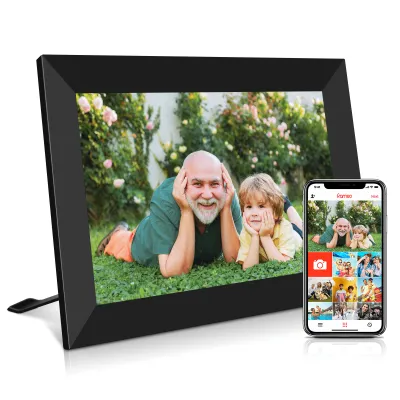
Prices are valid at publication and may change. Please refer to the product page for the latest price.
Finally, pay close attention to the mounting mechanisms provided by the manufacturer. Standard digital frames often have bulky backs to accommodate internal hardware, which can cause them to protrude significantly from the wall. For a true gallery aesthetic, look for brands that offer flush-mount or recessed hardware. These specialized mounts allow the frames to sit flat against the drywall, minimizing side gaps and preventing awkward shadow lines. Before purchasing, check the manufacturer’s installation specifications to confirm whether the mounting brackets require specific wall anchors or if they are compatible with your existing wall structure.
Evaluating App Ecosystems for Gallery Management
The software powering your smart frames is just as important as their physical design. Managing a gallery wall of three, five, or more screens can quickly become a chore if you have to update each frame individually. A robust app ecosystem should offer multi-frame grouping features. This allows you to link multiple devices within a single account, organizing them into a unified zone. With grouping, you can change the art style across the entire wall with a single tap, or synchronize playlists so that the images transition simultaneously, maintaining a balanced visual rhythm.

Cloud storage capacity and upload limits are another vital consideration. High-resolution art files and family photographs require substantial storage space. When evaluating a brand’s ecosystem, check how they handle image hosting. Some platforms limit the total storage capacity on their free tiers or restrict the upload speed for high-resolution files. If you plan to display large, uncompressed images to preserve detail on high-definition screens, you must verify whether the brand’s cloud service can handle these files without automatic compression, which can degrade image quality.
Subscription models are common in the smart frame industry, and they heavily impact the long-term cost of a multi-frame setup. Many brands restrict advanced gallery management tools, multi-device syncing, and access to curated art libraries behind a recurring monthly or annual fee. When calculating your budget, factor in these subscription costs, keeping in mind that some platforms charge per device rather than per account. If you prefer to avoid ongoing fees, look for brands that support robust offline modes, local network streaming, or direct USB uploads, though these methods may require more manual effort to keep your gallery updated.
Because proprietary smart frame ecosystems rarely communicate with competing brands, committing to a single brand is generally necessary for a unified gallery wall. Mixing brands usually means juggling multiple mobile apps, managing separate cloud accounts, and dealing with mismatched transition timings. To ensure a seamless user experience where all screens update in harmony, select a single brand that offers a diverse range of sizes and styles supported by a single, mature software platform.
Matching Bezel Styles to Your Wall Aesthetic
The physical frame surrounding the digital screen bridges the gap between technology and interior design. When selecting finishes, consider the existing decor of your room. Woodgrain finishes, such as oak or walnut, bring warmth and a traditional feel to living spaces, making them ideal for classic or rustic interiors. Metallic finishes, like brushed aluminum or matte black, complement modern, minimalist, or industrial aesthetics. Matte plastic profiles can also work well, provided they have a high-quality finish that does not look overly reflective or cheap under ambient light.
To offer greater flexibility, several manufacturers design frames with interchangeable bezels. These are typically snap-on or magnetic overlays that attach directly to the base frame. This feature is incredibly valuable for a gallery wall, as it allows you to change the look of your display without purchasing entirely new electronic units. For instance, you can switch from a light wood theme in the summer to a dark metallic theme in the winter. When researching brands, check the availability and pricing of these accessory bezels, ensuring they are easy to align and do not block the frame’s light sensors or motion detectors.
Frame depth and the resulting shadows also play a significant role in how the gallery wall sits in your space. Thicker frames project a heavier visual weight and cast deeper shadows on the wall, which can look striking but may overwhelm a small room. Thinner, low-profile frames offer a cleaner, more integrated look. When planning your layout, map out the physical depth of each frame size you intend to use. Ensuring that all frames have a consistent depth—or arranging them so that depth variations look intentional—will help maintain a balanced and professional-looking installation.
Pre-Purchase Checklist for Smart Gallery Walls
Before purchasing multiple smart frames, you must address several technical and environmental requirements to ensure a smooth installation and reliable operation. First, assess your home network bandwidth. A single smart frame downloading high-resolution art updates uses minimal data, but five or six frames operating simultaneously can strain an older Wi-Fi router. Ensure your local network can handle multiple concurrent connections, especially during scheduled system updates or when streaming high-definition content. If your gallery wall is far from your main router, consider installing a mesh Wi-Fi node nearby to maintain a stable connection.
Power and cable management represent the most significant logistical challenge of a multi-frame setup. Unlike traditional art, smart frames require a continuous power source. Hanging multiple frames with dangling power cords can quickly ruin the clean aesthetic of a gallery wall. You must plan how to conceal these cables safely. Options include using paintable external cord covers that blend into the wall or routing the cables through the wall cavity. If you choose in-wall routing, ensure you comply with local electrical safety standards in Singapore. Standard power cables supplied with smart frames are often not rated for in-wall use; you must consult a qualified electrician to install recessed electrical outlets behind each frame location or use approved low-voltage extension kits.
Finally, consider screen longevity and energy consumption. Running multiple digital displays for several hours a day can impact your electricity bill and, over time, increase the risk of screen burn-in—especially if you display static images for extended periods. Review the manufacturer’s guidelines regarding continuous display times and look for frames that feature built-in auto-sleep schedules, motion sensors, or ambient light sensors. These features allow the frames to automatically power down when the room is empty or dark, preserving the lifespan of the display panels and reducing energy waste.
Frequently Asked Questions (FAQ)
Can I mix different smart frame brands on the same gallery wall?
While it is technically possible to mix different smart frame brands on a single wall, it is generally not recommended if you want a cohesive look. Different brands use distinct screen technologies, resulting in noticeable variations in color tint, contrast, and brightness that are difficult to calibrate manually. Additionally, managing a mixed setup requires using multiple mobile apps and maintaining separate cloud subscriptions, making it cumbersome to update your art or synchronize transitions. If you must mix brands, consider separating them by a significant physical distance or placing them on opposite walls to minimize the visual contrast.
Do smart frames require a subscription to display a cohesive gallery?
A subscription is not strictly necessary to display a cohesive gallery, but it depends on how you plan to source your art. Most smart frames allow you to upload your own high-resolution photos or public-domain artwork for free using local storage, USB drives, or basic cloud accounts. However, if you want access to curated, museum-quality art libraries or advanced multi-device synchronization features, many brands require a premium subscription. If you prefer to avoid recurring fees, verify that your chosen brand supports robust offline playback and manual playlist management across multiple devices without locking these features behind a paywall.
Community discussion
Share your experience or ask a question. Comments are reviewed before publication.