
To prepare your Housing & Development Board (HDB) flat for an unexpected power outage, selecting the right emergency lighting is a practical necessity. Smiling Shark offers a wide range of portable torch lights, from ultra-compact pocket models to larger multi-functional searchlights. Choosing the best model for your household involves matching the torch’s beam pattern, battery capacity, and physical design to the specific layout of your flat. By evaluating these specifications against your floor plan, you can ensure that every family member has reliable, immediate illumination when the grid goes dark.
Understanding HDB Power Outage Needs
HDB flats in Singapore are designed with dense, multi-room layouts where natural light may not reach interior spaces like hallways, bathrooms, and household shelters during a nighttime blackout. When a power trip occurs, navigating these enclosed areas safely requires immediate, dependable illumination. Assessing the physical layout of your flat is the first step in determining your emergency lighting needs. A typical three-room, four-room, or five-room flat has distinct zones that require different lighting approaches to prevent trips and falls.
The duration of a typical localized power outage in Singapore is generally short, often resolved within a few hours. However, your emergency preparedness plan should account for a buffer period of at least four to six hours of continuous light. This means any torch light you select must have a battery runtime that comfortably exceeds this window on a medium or low brightness setting. Relying on a smartphone flashlight is rarely sufficient, as it drains the phone’s battery, which is critical for communication during an emergency.
Products mentioned in this guide
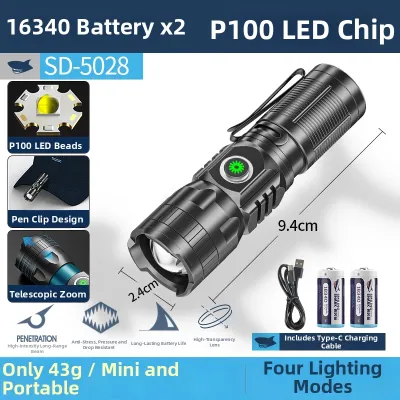
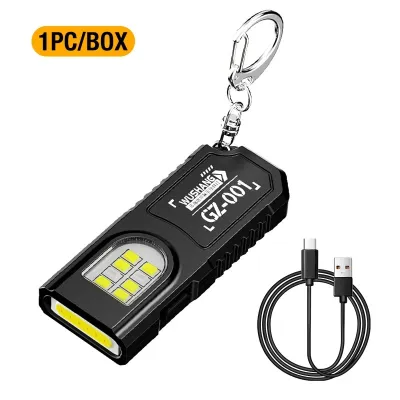
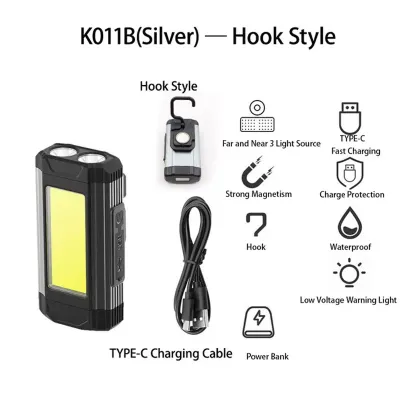
Prices are valid at publication and may change. Please refer to the product page for the latest price.
High-traffic areas such as the living room, kitchen, and the path leading to the main distribution board (DB box) require immediate access to light. Storing torches in a central, consistent location—such as a drawer near the entryway or mounted on a hook near the DB box—ensures that you do not have to grope around in total darkness to find your light source. Hands-free lighting options, such as torches with magnetic bases or lanyards, are particularly useful here, as they can be hung or attached to metal surfaces to keep your hands free for tasks like checking the circuit breakers.
Key Features to Evaluate in Smiling Shark Models
When browsing Smiling Shark torch lights on online marketplaces, you will encounter various specifications that directly impact their performance during a household emergency. The first technical aspect to evaluate is the beam pattern, which is typically categorized as a spot beam or a flood beam. A spot beam projects a narrow, intense light over a long distance, which is useful for searching or outdoor signaling. For indoor HDB use, however, a wide flood beam is generally more practical, as it disperses light evenly across a room, allowing you to see obstacles in your peripheral vision.

Battery capacity and charging methods are equally critical. Many modern Smiling Shark models utilize rechargeable lithium-ion batteries, often charged via a standard USB or USB-C interface. When reviewing product descriptions, check the manufacturer’s stated milliampere-hour (mAh) capacity. A higher mAh rating generally indicates a longer potential runtime, though this also depends on the brightness level you select. Models that offer USB-C rechargeability are highly convenient, as they allow you to use the same cables and adapters as your modern smartphones, reducing clutter in your emergency drawer.
Secondary functions can significantly enhance the utility of an emergency torch. Some larger models feature a power bank output function, allowing you to draw power from the torch’s battery to charge a mobile phone in a pinch. Adjustable brightness levels, such as high, medium, and low modes, are essential for conserving battery life when maximum brightness is not required. Additionally, look for models with an SOS or strobe mode, which can be useful for signaling for assistance, and side-mounted COB (Chip-on-Board) lights that allow the torch to function as a stationary lantern.
Matching Torch Specifications to Your Flat Layout
An effective emergency lighting strategy does not rely on a single torch; instead, it matches different types of lights to specific areas of your HDB flat. For small, confined spaces like bedrooms, bathrooms, and household shelters, compact and lower-lumen units are highly suitable. A pocket-sized torch with a moderate light output is easy to store in a bedside drawer and provides more than enough illumination to navigate a small room without causing harsh glare or eye strain.
In contrast, larger communal areas such as the living room and dining area benefit from higher-output models or torches with integrated lantern features. A torch that can stand vertically on its tail cap and project light upward to bounce off the ceiling can illuminate an entire room with soft, indirect light. This setup creates a more comfortable environment for your family while waiting for the power to be restored, making it easier to monitor children or assist elderly family members.
Consider a practical distribution plan for a typical four-room HDB flat. The DB box, usually located near the entrance or kitchen, should have a small, dedicated torch with a magnetic tail cap attached directly to the metal casing or stored in an adjacent cabinet. This allows the person resetting the circuit breaker to have immediate, hands-free light directed at the switches. The kitchen, where sharp objects and cooking appliances are located, requires a bright, reliable light source to ensure safe shutdown of appliances; a torch with a wide flood beam or a COB side light is ideal here.
A multi-unit placement strategy ensures that no one is left in the dark. When selecting these devices, pay close attention to ergonomics and ease of use. For households with elderly residents or young children, choose models with simple, tactile push-button controls rather than complex multi-click interfaces, ensuring that anyone can operate the light instantly under stress.
Safety, Maintenance, and Storage Best Practices
To guarantee that your emergency torches are ready when a blackout occurs, establishing a routine maintenance schedule is essential. Rechargeable lithium-ion batteries naturally lose charge over time, even when the device is turned off. It is wise to set a recurring calendar reminder every three to six months to check the battery levels of all emergency lights and top them up. This prevents deep discharge degradation, which can permanently reduce the battery’s capacity and overall lifespan. If you use models that accept dry-cell batteries as a backup option, never store the torch with these batteries installed for long periods, as they are prone to leaking and corroding the terminals.
Singapore’s humid, tropical climate can affect electronic devices stored in closed, unventilated spaces. Avoid storing torches in damp cabinets under sinks or in direct sunlight near windows. A cool, dry drawer in the living room or hallway is ideal. Safe charging practices are also critical to preventing electrical hazards. Always follow the manufacturer’s instructions regarding charging times and compatible power adapters. Avoid leaving rechargeable torches plugged in indefinitely, and never charge them on flammable surfaces like beds or sofas. Ensure the charging environment is dry and well-ventilated, keeping the devices away from direct sunlight, kitchen stoves, or other heat sources that could cause the battery to overheat.
Before purchasing any torch light from an online marketplace, verify that the product or its charging components comply with local electrical safety guidelines. Look for recognized safety marks on the packaging or product listing, especially if the torch includes a direct wall plug adapter. Inspect your torches periodically for physical damage; if you notice a swollen casing, a cracked lens, or a battery that becomes unusually hot during use or charging, stop using the device immediately and dispose of it safely at an e-waste recycling point.
Frequently Asked Questions (FAQ)
Can I use a Smiling Shark torch light as a daily reading lamp?
While some Smiling Shark models feature adjustable brightness and side COB lights that can serve as temporary task lighting, they are generally not ideal as permanent daily reading lamps. High-intensity torches often produce a focused beam that can create harsh glare and cause eye strain over extended periods. Additionally, high-output LED torches can generate significant heat during prolonged use, and continuous operation will rapidly drain the battery, reducing its availability for actual emergencies. For daily reading, a dedicated desk lamp with proper optical diffusion and a stable power source is recommended.
How often should I recharge the emergency torch light?
For standby emergency torches, you should recharge the battery every three to six months, even if the device has not been used. Lithium-ion batteries experience gradual self-discharge over time. Regular maintenance charging keeps the battery chemistry active and ensures the torch has maximum capacity when a power outage occurs. Always refer to the manufacturer’s specific guidelines for recommended charging intervals, and observe any built-in LED charging indicators to avoid overcharging the device.
Community discussion
Share your experience or ask a question. Comments are reviewed before publication.