
The Hungry Ghost Festival, observed during the seventh month of the lunar calendar, is a time of deep spiritual significance and ancestral remembrance in Singapore. Central to these observances is the practice of smoke puja, a sacred ritual where fragrant incense, herbs, and powders are burned to create smoke offerings. These offerings serve as a bridge between the physical and spiritual realms, conveying prayers, showing respect to ancestors, and pacifying wandering spirits.
However, performing these rituals safely and respectfully requires a clear understanding of your environment. Because worship occurs across diverse settings—from enclosed high-rise apartments to semi-sheltered void decks and fully open outdoor spaces—selecting the right type of smoke offering is essential.
To make an informed choice, worshippers must balance traditional ritual requirements with modern living conditions. Choosing the wrong type of smoke puja product can lead to indoor air quality issues, municipal compliance infractions, or fire hazards. This guide breaks down how to select the ideal incense, powders, and burners for three distinct worship scenarios, ensuring your Seventh Month rituals remain safe and fulfilling.
Products mentioned in this guide
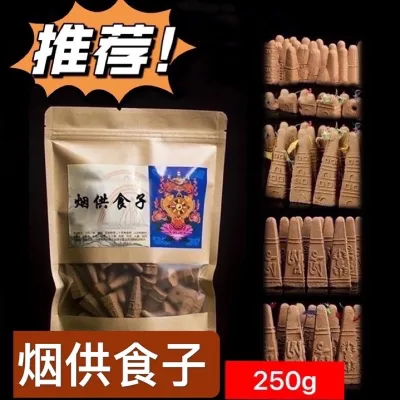


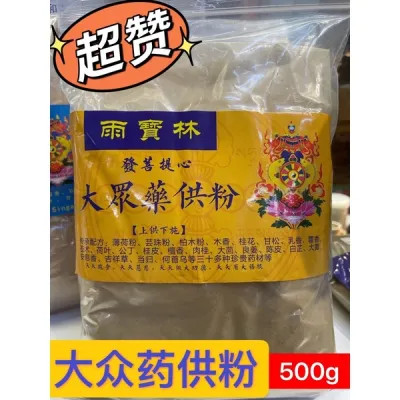
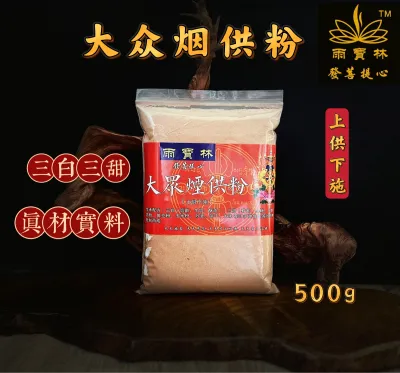
Prices are valid at publication and may change. Please refer to the product page for the latest price.
Understanding Smoke Puja Requirements for the Hungry Ghost Festival
The practice of smoke puja, or Sang Sol in some traditions, relies on the transformation of physical materials into fragrant smoke. In local Chinese and Buddhist traditions, this smoke is believed to carry blessings, purify the environment, and provide sustenance to spirits. The physical characteristics of the offering—such as its composition, density, and fragrance profile—directly influence how it behaves when ignited. Consequently, what works perfectly in a spacious temple courtyard can cause immediate distress when burned inside a modern residential flat.
When selecting smoke puja products, you must evaluate three primary decision dimensions: smoke volume output, burn duration, and environmental safety constraints. Smoke volume output refers to the density of smoke generated. Burn duration dictates how long the incense or powder continues to smolder, ranging from ten minutes for small coils to several hours for large joss sticks. Environmental safety constraints involve the physical limitations of the burning site, including wind exposure, proximity to flammable structures, and residential smoke detectors.
The physical location of your altar is the single most important factor in this decision. An enclosed home altar requires strict containment and minimal emissions to protect indoor air quality. A semi-outdoor space, such as an HDB void deck, demands wind-resistant products that comply with local estate regulations. A fully open outdoor altar allows for traditional, high-volume smoke offerings but requires robust structural stability and active fire monitoring. Matching your products to these environments ensures you honor tradition while maintaining safety and community harmony.
Home Altars: Choosing Low-Smoke and Indoor-Safe Offerings
Worshipping at a home altar inside a Singapore Housing & Development Board (HDB) flat or private condominium requires a thoughtful approach to indoor air quality and fire safety. Enclosed residential spaces have limited air volume, meaning that standard or high-smoke incense can quickly saturate the air. This not only triggers sensitive residential smoke detectors but can also cause respiratory discomfort for family members, especially children, the elderly, or those with asthma. Over time, excessive indoor smoke leaves a stubborn layer of soot on ceilings and walls.

For home altars, the core need is a clean, controlled burn with minimal smoke output and a gentle fragrance. Worshippers should prioritize certified low-smoke or micro-smoke incense sticks. These products burn with minimal binders, producing up to 90% less visible smoke than traditional joss sticks. Fine smoke puja powders can also be used indoors, provided they are burned in small, controlled quantities, such as a single small spoonful on a heat-resistant plate. Small incense coils with a burn time of 2 to 4 hours are another excellent option, offering a slow, steady release of fragrance.
To contain ash and limit ambient smoke, always pair your indoor offerings with an appropriate burner. Covered or enclosed burners—such as horizontal incense boxes lined with fireproof felt, or ceramic lotus burners with ventilated lids—are highly recommended. These designs allow the fragrance to escape while trapping the ash inside. If you choose to use electronic incense burners as a completely smoke-free alternative, always verify the voltage compatibility (220-240V for Singapore), check for the local Safety Mark certification, and ensure the wattage limits match your outlets.
Position the altar in a well-ventilated area, preferably near an open window or under an exhaust fan, to ensure fresh air exchange. Never place burning incense directly under air conditioning vents, as the draft can cause uneven burning or blow ash out of the holder. Ensure all smoke offerings are placed on a stable, level, heat-resistant surface, far away from flammable home decor, curtains, or paper offerings. Always check the manufacturer’s care instructions for your altar table’s material to prevent heat damage.
Void Decks: Selecting Wind-Resistant and Compliant Offerings
The HDB void deck is a unique, semi-outdoor communal space where Singapore residents gather for neighborhood events, social interactions, and religious observances. During the Hungry Ghost Festival, town councils set up designated burning areas and provide red or silver metal communal burning bins to accommodate residents’ prayers. Worshipping in these shared spaces requires a balance between traditional smoke volume and strict compliance with local town council guidelines, environmental public health regulations, and fire safety protocols.
The primary challenge at a void deck is wind. Because these spaces are open at the ground level, cross-breezes can easily blow lightweight ash, spark embers, or tip over unstable burners. Standard-thickness incense sticks and slightly thicker, wind-resistant joss sticks (typically 8mm to 12mm in diameter) are highly suitable here, as they burn steadily without being easily extinguished. For those who prefer smoke puja powders, these should only be burned within deep, heavy, wind-resistant metal containers rather than open flat plates.
When setting up your void deck worship station, always utilize the communal burning bins provided by your town council. If you are using a personal burner, ensure it is placed on a personal fireproof mat to protect the floor from heat damage and soot stains. To secure your incense against the wind, use heavy burner bases made of cast iron, thick ceramic, or stone, and fill them with clean sand or specialized incense ash to hold the sticks firmly upright.
Respecting the shared community space is crucial. After completing your prayers, always ensure that all incense sticks, candles, and paper offerings are fully extinguished before leaving. Do not leave loose ash or food offerings on the ground, as this can attract pests. Bring a small brush and dustpan to clean up any spilled ash around your burning area, and dispose of cooled waste in the designated trash bins.
Outdoor Altars: Using Traditional High-Smoke Offerings Safely
Fully outdoor altars—such as those set up on temporary stages, roadside pavements, or temple courtyards—provide the most open environment for Hungry Ghost Festival observances. Free from the spatial confines of HDB flats and the immediate communal restrictions of void decks, outdoor altars allow for the full expression of traditional smoke puja rituals. In these open-air settings, high smoke volume is often actively desired, as the dense, rising smoke is traditionally believed to reach a wider spiritual audience and carry prayers deep into the heavens.
To achieve this traditional effect, outdoor worship relies on robust, high-volume smoke offerings that can withstand the elements. Large traditional joss sticks, often decorated with intricate carvings, are a staple of outdoor altars. These large sticks can range from 30cm to over a meter in length, offering extended burn times. Coarse smoke puja powders, traditional sang incense blends containing ground cedar and herbs, and large cone incense are also highly effective outdoors, producing a dense, fragrant smoke cloud that remains visible in open, windy conditions.
However, the high heat and large volume of embers generated by these traditional outdoor offerings introduce serious fire safety risks. Outdoor altars must be positioned on flat, stable ground, completely clear of dry vegetation, overhanging tree branches, or flammable temporary structures. To prevent tall, top-heavy joss sticks from tipping over, anchor them in heavy, wide-based burners filled tightly with wet sand or heavy soil. Keep a safe physical distance of at least two meters between your incense and any paper burning bins.
Active monitoring is an absolute necessity. Never leave a large outdoor burner unattended while it is actively smoldering. Keep a dedicated water source, such as a bucket of water, within arm’s reach of the altar for immediate intervention if wind-blown embers ignite nearby dry grass. Once the rituals are complete, wait until the embers have completely burned down, or use water to thoroughly douse the remaining hot ash and wood cores.
Maximizing Versatility and Ensuring Fire Safety Across Scenarios
Worshippers can maximize the versatility of their supplies by selecting multi-purpose items that transition smoothly between different environments. For instance, high-quality, medium-thickness natural sandalwood or agarwood incense sticks can serve as an excellent bridge product. When burned in small quantities near an open window at home, they provide a pleasant aroma; when taken down to the void deck, they offer sufficient wind resistance and smoke volume to fulfill traditional ritual needs.
Investing in a versatile, high-quality burner can also simplify your preparations. A heavy-duty, heat-resistant ceramic or brass burner with a removable lid and a wide, stable base is highly adaptable. You can use it indoors with the lid on to filter smoke and catch ash, and then carry the same burner outdoors, removing the lid to allow for a more robust smoke release. Always prioritize durable materials like solid brass or thick-walled ceramic over cheap, thin metals.
Regardless of which products you choose, certain universal safety boundaries must always be respected. First, never leave burning offerings unattended; an active ember requires constant supervision. Second, always check the applied product’s label and the treated item’s manufacturer instructions before use. If instructions conflict, the item is unidentified, or the safety parameters are unclear, stop and consult the manufacturer or a qualified professional. Finally, ensure all embers, charcoal tablets, and incense cores are completely cold to the touch before disposal.
Frequently Asked Questions (FAQ)
Can I use traditional high-smoke incense inside my apartment?
No, you should avoid using traditional high-smoke incense inside your apartment. Enclosed residential spaces lack the ventilation required to safely disperse heavy particulate matter, which can lead to severe respiratory irritation, trigger home smoke detectors, and leave permanent soot stains on your walls, ceilings, and furniture. For indoor worship, always opt for certified low-smoke, micro-smoke, or smokeless alternatives designed specifically for confined spaces.
How do I safely dispose of smoke puja ash after the festival?
To safely dispose of smoke puja ash, you must first allow the ash, charcoal, and incense cores to cool completely for several hours. Once they are cold to the touch, carefully transfer the ash into a sturdy plastic bag, seal it tightly to prevent the wind from scattering the fine dust, and dispose of it in your building’s designated municipal waste chute or trash bin. Never dump hot ash into plastic bins, and avoid scattering ash in public gardens, grassy areas, or drains, as this violates local environmental cleanliness regulations.
Community discussion
Share your experience or ask a question. Comments are reviewed before publication.