
Quick Answer: Which Aromatherapy Method Should You Choose?
Choosing between a smudge stick and an essential oil diffuser is not about finding a universally superior product. Instead, it requires matching the aromatic tool to your daily schedule, home architecture, and physical sensitivities. In Singapore’s typical high-rise apartments, factors like ventilation, air-conditioning usage, and the presence of pets or children play a massive role in determining which method is both safe and enjoyable.
You should choose a smudge stick if you appreciate traditional, tactile rituals and desire a rapid, highly intense, earthy aroma to clear a space. Smudging is ideal for post-cleaning routines, meditation sessions, or quickly neutralizing heavy odors, provided you have open windows for ventilation and face no building smoke restrictions. Because it involves burning organic plant matter, it delivers a deeply grounding, smoky scent that lingers in a room long after the embers are extinguished.
Conversely, you should choose an essential oil diffuser if you prefer a continuous, low-maintenance, and highly adjustable background fragrance for daily relaxation, sleep, or work. Diffusers run quietly on electricity, dispersing a fine, cool mist of water and plant extracts without any combustion. This makes them a safer, set-and-forget option for closed, air-conditioned rooms, home offices, and households with sensitive smoke detectors or strict rental rules.
Products mentioned in this guide
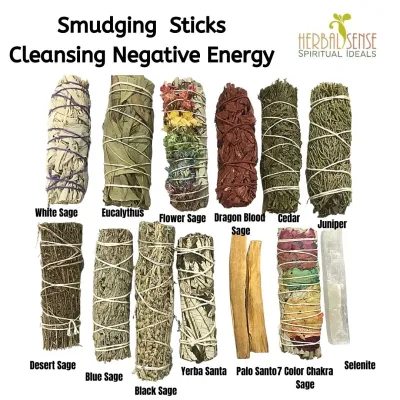
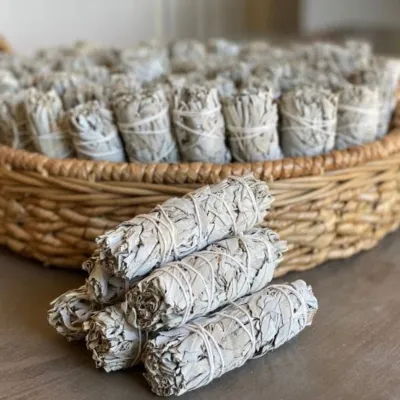
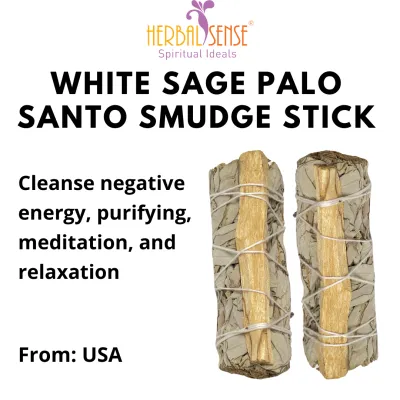
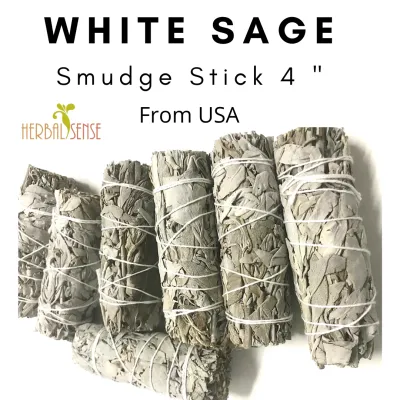
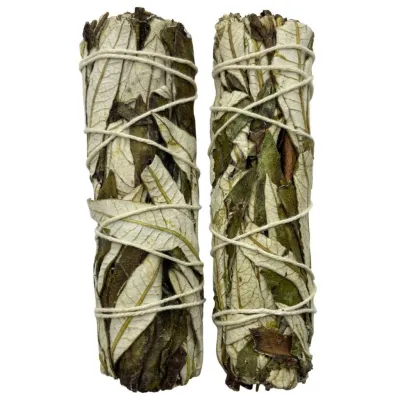
![Local Stock] White Sage Smudge Stick Purifying Cleaning Negative Energy California White Sage Bundles Aromatherapy](https://img.lazcdn.com/g/p/0fad33945cba0833741249a35fc63cfe.jpg_400x400q80.jpg_.webp)

Prices are valid at publication and may change. Please refer to the product page for the latest price.
Ultimately, safety boundaries—such as respiratory health conditions, pet ownership, and property rules—often make the final decision for you. Understanding how each method operates under these constraints will help you select the option that seamlessly integrates into your living space.
How Smudge Sticks and Essential Oil Diffusers Work
To make an informed choice, it is helpful to understand the underlying mechanisms of both aromatherapy methods, as their physical operations directly dictate the user experience, air quality, and scent delivery in your home.

Smudge Sticks consist of tightly bound dried herbs—such as white sage, palo santo wood, cedar, rosemary, or lavender—wrapped securely with natural cotton string. The process of smudging relies on incomplete combustion. You light the leafy tip of the bundle with an open flame, allow it to burn for several seconds, and then gently blow out the flame. This leaves a glowing red ember that slowly smolders, releasing a dense, highly aromatic smoke laden with the plant’s natural resins, oils, and carbon byproducts. This method is physical, tactile, and deeply rooted in historical practices of space purification and energetic clearing.
Essential Oil Diffusers are modern, electronic appliances designed to disperse concentrated plant extracts into the air without any heat or combustion. The most common type is the ultrasonic diffuser, which features a small ceramic disc at the base of a water reservoir. When powered on, the disc vibrates at an ultrasonic frequency, breaking the water and essential oil mixture into an extremely fine, cool vapor. A small internal fan then sweeps this mist out into the room. Other varieties include nebulizing diffusers, which use pressurized air to atomize pure essential oil directly into the air without water, and heat-based evaporative diffusers. These devices allow you to enjoy botanical aromas through a clean, flame-free mist.
Comparing Convenience, Scent Intensity, and Usage Scenarios
Evaluating how each method performs across daily convenience, aromatic output, and practical real-life scenarios will help you visualize how they fit into your personal routine.
Convenience and Daily Setup
Using a smudge stick is an active, hands-on ritual that demands your full attention from start to finish. The daily setup requires you to gather several physical items: the herb bundle, a reliable lighter or match, and a heat-resistant vessel—such as a ceramic bowl, stone dish, or traditional abalone shell—to catch falling ash and hot embers. Once you light the stick, you must manually guide the smoke around your space or monitor the smoldering bundle continuously. You can never leave a burning smudge stick unattended. When you are finished, you must actively extinguish the ember by pressing it firmly into sand, soil, or a fireproof dish, verifying that no deep-seated heat remains.
Essential oil diffusers, by comparison, are designed for effortless, “set-and-forget” convenience. The daily setup takes less than a minute: you lift the outer cover, fill the reservoir with tap or distilled water, add three to ten drops of your chosen essential oil, and press a button. Because modern diffusers run on electricity, they feature advanced safety mechanisms, such as automatic shutoff functions that turn the device off the moment the water reservoir runs dry. Many models also include built-in timers, allowing you to program the mist to run continuously for several hours or cycle on and off intermittently. This hands-free operation makes diffusers incredibly convenient for busy schedules, working from home, or drifting off to sleep.
Scent Intensity and Longevity
The olfactory experience of a smudge stick is robust, heavy, and distinctly primal. The aroma is dominated by the dry, earthy, and herbaceous notes of the plant material, deeply intertwined with the warm, rich scent of natural smoke. While the active smudging process usually lasts only a few minutes, the smoke particles carry a high concentration of aromatic compounds that settle onto soft surfaces. In a typical home, this means the scent can linger in curtains, carpets, and upholstery for hours or even days. However, the scent profile itself is relatively limited; you are restricted to the natural aromas of the dried plants available, such as sage, cedar, or sweetgrass, with little room for customization.
Essential oil diffusers offer a highly customizable, nuanced, and adjustable fragrance profile. Because you control the number of oil drops and the mist output settings, you can easily transition from a barely perceptible whisper of scent to a more pronounced aroma. The varieties are virtually limitless, ranging from bright citrus and cooling peppermint to calming lavender and deep woodsy notes, allowing you to blend different oils to match your precise mood. The scent delivered by a diffuser is clean and true to the plant extract, completely free of smoky undertones. However, because the mist does not contain heavy smoke particles, the fragrance is lighter and tends to dissipate relatively quickly once the device is switched off, giving you absolute control over when the scent begins and ends.
Ideal Usage Scenarios
The intense, grounding nature of smudge sticks makes them highly suited for specific, transitional moments in your life rather than continuous daily background fragrance. They are excellent for ritualistic space clearing, such as when you move into a new apartment, complete a deep seasonal cleaning of your home, or prepare a dedicated space for yoga, meditation, or journaling. The rapid odor-neutralizing properties of herbal smoke also make smudge sticks useful for quickly clearing heavy cooking smells or stale air, provided you can open your windows wide to let the smoke escape.
Essential oil diffusers excel in sustained, daily environments where a continuous, gentle ambient aroma is desired. They are the perfect addition to a bedside table to disperse calming lavender or chamomile mist as you wind down for sleep, or on a home office desk where stimulating rosemary, lemon, or peppermint can help maintain focus throughout the workday. In living rooms, diffusers serve as a safe, low-maintenance way to create a welcoming atmosphere for guests or family members, running quietly in the background while you go about your daily routine without any need for active monitoring.
Safety, Health, and Home Environment Considerations
When choosing between these two methods, safety must be your top priority, particularly when evaluating your specific living conditions and household members.
Smudge sticks carry inherent fire risks because they involve open flames and live embers. You must always use a sturdy, fireproof container to hold the stick and catch falling ash, and you must never place it near drafty windows, curtains, or flammable materials. Furthermore, the smoke produced by burning herbs can easily trigger sensitive optical or ionization smoke detectors, which are increasingly common in modern apartments and HDB flats in Singapore. From a health perspective, the fine particulate matter in smoke can irritate sensitive airways, making smudge sticks highly unsuitable for individuals suffering from asthma, chronic bronchitis, or severe allergies. Additionally, pets—especially birds and small mammals, which have highly delicate respiratory systems—can experience severe distress or respiratory damage when exposed to indoor smoke.
Essential oil diffusers present a different set of safety considerations. Because they are electrical appliances, you must ensure they are placed on stable, level surfaces away from sensitive electronics to avoid water damage from the cool mist. When purchasing a diffuser, always verify that the device is electrically certified for your local market (such as checking for the Safety Mark in Singapore) and matches your household voltage and plug requirements. While diffusers eliminate smoke-related respiratory risks, they introduce chemical safety concerns regarding pets. Many popular essential oils—including tea tree, eucalyptus, citrus, peppermint, pine, and ylang-ylang—contain compounds that are highly toxic to cats and dogs. These animals lack the liver enzymes necessary to metabolize these substances, and inhaling or absorbing them through the skin can lead to poisoning. Always consult a qualified veterinarian before diffusing oils in a home with pets, and ensure the room is well-ventilated so animals can freely leave the space if the scent becomes overwhelming. Finally, because ultrasonic diffusers release water vapor, they add moisture to the air. In naturally humid tropical climates, running a diffuser in a closed, unventilated room for extended periods can raise indoor humidity levels, potentially encouraging the growth of mold and dust mites on walls and soft furnishings.
Maintenance, Cleaning, and Ongoing Costs
The long-term commitment of each method involves different maintenance routines and financial investments.
Smudge sticks require very little maintenance beyond safe cleanup. After each use, you must ensure the ember is completely extinguished, safely dispose of the cold ash, and store the remaining herb bundle in a tightly sealed, dry container. In humid climates, keeping smudge sticks dry is critical, as any trapped moisture can quickly cause the organic plant matter to develop mold, rendering the stick unusable and unsafe to burn. In terms of cost, smudge sticks are relatively budget-friendly. The initial investment is minimal, requiring only a heat-resistant dish (ranging from S$10 to S$30), while individual high-quality herb bundles typically cost between S$10 and S$25, lasting for numerous short sessions.
Essential oil diffusers require a more disciplined, regular cleaning routine to ensure they remain safe to use. Because water sits in the reservoir, bacteria, yeast, and mold can quickly multiply in the damp environment. If neglected, these microorganisms will be aerosolized into the air along with the mist, posing a direct respiratory health risk. To prevent this, you should empty the water tank after every use and perform a thorough clean at least once a week by wiping the reservoir with a soft cloth dipped in white vinegar or isopropyl alcohol, followed by a rinse with clean water. The financial commitment for diffusers is also higher. The initial purchase of a reliable, certified electronic diffuser can range from S$30 for basic models to over S$150 for premium, high-capacity, or nebulizing units. Additionally, you will face ongoing costs for electricity and high-quality, pure essential oils, which typically cost between S$15 and S$60+ per bottle depending on the rarity of the botanical extract. It is vital to avoid cheap, synthetic fragrance oils, as they often contain synthetic solvents and phthalates that can degrade the plastic components of your diffuser and release harmful volatile organic compounds (VOCs) into your living space.
The Final Decision Framework
To help you make the right choice for your home, use this structured decision framework based on your daily routine, safety constraints, and personal preferences:
Choose a Smudge Stick if:
- You enjoy the tactile, grounding ritual of lighting herbs and actively guiding the smoke through your space.
- You want a rapid, highly intense, earthy scent to clear cooking odors or refresh a room after deep cleaning.
- Your home has excellent natural ventilation (such as large, open windows) and no highly sensitive smoke detectors or restrictive rental agreements.
- No one in your household—including pets—suffers from respiratory conditions, asthma, or smoke sensitivities.
Choose an Essential Oil Diffuser if:
- You prefer a hands-free, "set-and-forget" aromatherapy experience that you can safely run while working, relaxing, or sleeping.
- You want a continuous, gentle, and highly adjustable background fragrance that can be customized with different oil blends.
- You live in an apartment with sensitive smoke alarms, or you rent a space where open flames and smoke are strictly prohibited.
- You are willing to commit to a regular weekly cleaning routine to keep the water reservoir hygienic and free of mold.
Neither may fit if:
- A member of your household has severe chronic respiratory conditions, such as advanced asthma or COPD, which can be irritated by both smoke particles and aerosolized water droplets or concentrated oils.
- You own highly sensitive pets, such as birds or small rodents, whose delicate respiratory systems cannot tolerate any airborne particulates or concentrated essential oil vapors.
- Your landlord or building management enforces strict rules prohibiting both indoor smoke and any electronic water-misting appliances.
Verify first if:
- You live in a rental property; check your lease agreement and test your smoke detector's sensitivity before lighting any smudge stick.
- You have pets; cross-reference every essential oil you plan to purchase with an official veterinary toxicity list to ensure it is completely safe for your specific companion animals.
- You purchase an electronic diffuser; verify that the device carries the appropriate electrical certification (such as the Safety Mark in Singapore) and matches your local voltage and plug configuration.
Frequently Asked Questions (FAQ)
Can I use a smudge stick in an apartment with smoke detectors?
Using a smudge stick in an apartment with modern smoke detectors is highly risky. Smudge sticks produce thick, particulate-heavy smoke that can easily trigger optical or ionization smoke detectors, including the Home Fire Alarm Devices (HFAD) mandatory in newer Singapore apartments. If you choose to use one, you must ensure strong cross-ventilation by opening windows wide, burning only small portions at a time, and keeping the stick away from detector units. If your rental agreement prohibits indoor smoke or your detectors are highly sensitive, it is best to opt for flame-free alternatives like essential oil diffusers or natural room sprays.
Are essential oil diffusers safe to leave on overnight?
While many modern ultrasonic diffusers feature automatic shutoff functions that turn the device off when the water runs out, running a diffuser continuously overnight is generally not recommended. Prolonged exposure to concentrated essential oil vapors in a closed bedroom can lead to olfactory fatigue, headaches, or mild respiratory irritation. Additionally, in naturally humid climates like Singapore, running a water-mist diffuser overnight in a closed, air-conditioned room can excessively raise humidity levels, promoting mold growth. If you wish to use a diffuser for sleep, utilize an intermittent timer setting (such as 30 minutes on, 30 minutes off) and ensure the room has adequate ventilation.
Community discussion
Share your experience or ask a question. Comments are reviewed before publication.