
There is no single “best” fill material for sofa backrest cushions; the optimal choice depends on your specific lumbar support needs, sitting habits, and willingness to perform routine maintenance. Memory foam offers targeted contouring, latex provides resilient push-back, and polyester fibre delivers traditional plushness. Selecting the right material is crucial for maintaining healthy spinal alignment, especially during long hours of lounging or working at home.
In Singapore’s warm and humid climate, choosing the right cushion fill also involves balancing support with breathability. A cushion that traps heat can quickly become uncomfortable, regardless of how well it supports your lower back. By understanding the physical properties, support profiles, and maintenance needs of memory foam, latex, and polyester fibre, you can make an informed decision that enhances both your comfort and the longevity of your living room furniture.
Understanding the Core Fill Materials
To make an informed choice, it is essential to understand what goes inside your sofa backrest cushions. Each of these three materials has a distinct physical structure that dictates how it reacts to pressure, weight, and environmental factors over time.
Products mentioned in this guide
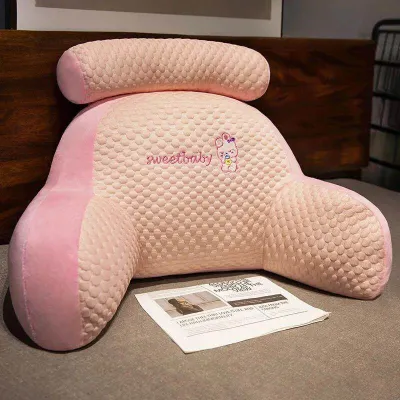
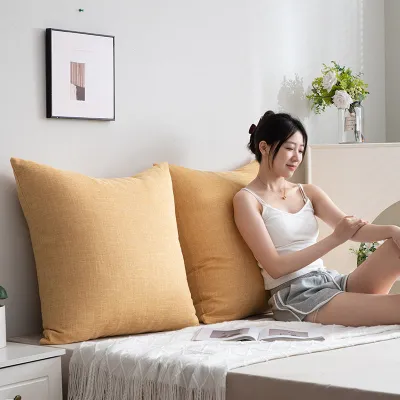
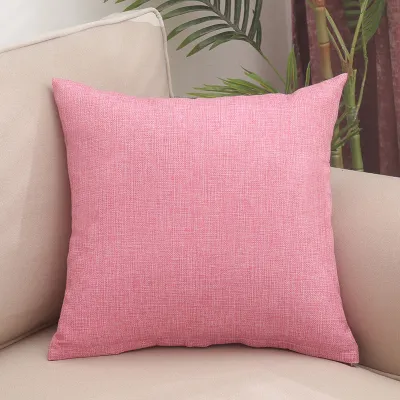
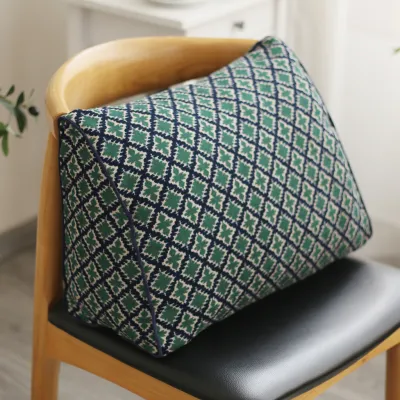
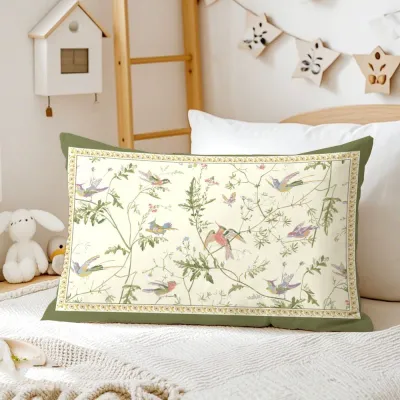
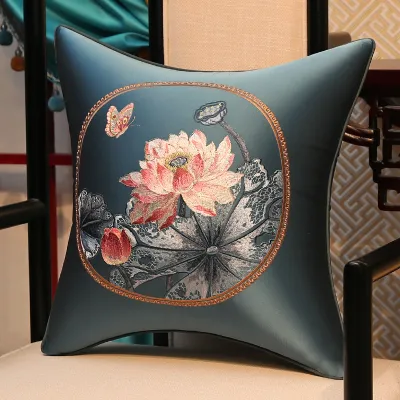
Prices are valid at publication and may change. Please refer to the product page for the latest price.
Memory foam, or viscoelastic polyurethane foam, is renowned for its slow-recovery properties. When you lean against a memory foam cushion, the material uses your body heat and weight to soften and mold precisely to the contours of your spine. This creates a custom-fit support system that cradles the lower back. When shopping for memory foam inserts, it is important to check the density specifications on the product label. Higher-density foams offer more structured, long-lasting support, whereas lower-density options feel softer but may lose their supportive qualities more quickly.
Latex is a highly resilient material derived from the sap of rubber trees (natural latex) or manufactured synthetically (synthetic latex), though many commercial cushions use a blend of both. Unlike memory foam, latex does not rely on body heat to conform to your shape. Instead, it provides an immediate, responsive bounce that pushes back against pressure. Its open-cell structure allows air to circulate freely throughout the cushion core. This natural ventilation makes latex an exceptionally breathable option, which is highly beneficial for keeping cool in tropical environments.
Polyester fibre, often referred to as poly-fill or fiberfill, consists of fine, synthetic polyester strands blown or stuffed into a cushion casing. This material is highly valued for its lightweight nature, fluffy loft, and affordable price point, often making it easy to find replacement inserts for under S$50. Unlike solid foam or latex cores, polyester fibre relies entirely on the total volume of fill packed into the cover to provide structural support. It does not possess inherent material density or elasticity, meaning its support is purely mechanical and depends on how tightly the fibers are compressed inside the casing.
Comparing Lumbar Support and Comfort Profiles
When evaluating lumbar support, the primary goal is to maintain the natural inward curve of your lower spine. How a cushion fill achieves this depends on its balance of contouring, push-back, loft, and temperature regulation.

Memory foam excels at pressure relief by distributing your body weight evenly across the cushion surface. As it molds to your lumbar region, it eliminates pressure points and provides a deeply cradled sensation. This contouring effect is highly beneficial for individuals who suffer from localized lower back stiffness, as it allows the back muscles to relax completely. However, because memory foam reacts slowly to movement, it can create a “sinking” feeling. If you shift positions frequently while watching television or reading, you may find the slow response time slightly restrictive, as the foam takes a few moments to adapt to your new posture.
Latex offers a contrasting support profile characterized by buoyant, active push-back. Instead of letting your lower back sink deep into the cushion, latex immediately resists the pressure, keeping your spine in a neutral, upright position. This responsive support makes it incredibly easy to shift positions or stand up from the sofa without feeling stuck. The buoyant nature of latex ensures that your lumbar region receives consistent, firm support throughout the day, making it an excellent choice for those who prefer a structured, active sitting posture rather than a deep, enveloped lounge.
Polyester fibre provides a classic, cloud-like plushness that many associate with traditional sofa comfort. When you first lean back, the fibers compress easily, offering a soft and inviting surface. However, polyester fibre lacks the structural integrity of foam or latex. To provide adequate lumbar support, a polyester cushion must be generously stuffed with a high volume of quality fiber. If the cushion lacks sufficient loft, the fibers will quickly compress under your weight, causing you to bottom out against the hard wooden or metal frame of the sofa. This lack of sustained support can lead to slouching and subsequent lower back strain over extended periods.
Temperature sensitivity is another critical factor influencing overall comfort. Memory foam’s dense, closed-cell structure tends to trap and retain body heat, which can lead to a warm, uncomfortable sensation against your back during long sitting sessions. This heat retention is particularly noticeable in humid climates unless the cushion is paired with a highly breathable outer cover made of linen or cotton. In contrast, both latex and polyester fibre offer superior airflow. The open-cell design of latex and the loose, airy arrangement of polyester strands allow heat to dissipate quickly, ensuring a much cooler and more comfortable seating experience.
Durability, Maintenance, and Daily Care
The longevity of your sofa backrest cushions depends heavily on the material’s durability and how well you adhere to its specific maintenance requirements. Choosing a fill that matches your lifestyle and willingness to perform routine care is essential for long-term satisfaction.
Polyester fibre cushions require the highest level of daily maintenance. Because the synthetic fibers slide past one another under pressure, they naturally clump and flatten over time. To maintain their loft and prevent permanent sagging, you must regularly fluff, shake, and rotate the cushions. Neglecting this routine care will result in flat, lumpy backrests that offer virtually no lumbar support. Memory foam and latex, by contrast, are highly durable and self-recovering. They automatically return to their original shape once you stand up, requiring almost no daily effort to maintain their structural integrity.
Cleaning methods vary significantly between these materials, and failing to follow manufacturer guidelines can ruin your inserts. Most high-quality cushions feature removable, machine-washable covers, which should be cleaned regularly to remove dust mites and oils. However, the inner cores require delicate handling. Solid memory foam and latex cores must never be submerged in water or placed in a washing machine, as moisture can trap inside the cells, leading to mold growth and material breakdown. If a spill occurs, spot-clean the core gently with a damp cloth and mild detergent, then allow it to air dry completely in a shaded area.
Environmental factors also play a major role in material degradation. Latex is highly sensitive to ultraviolet (UV) light and heat. If your sofa is positioned near a large balcony window or in direct sunlight, the UV rays can cause the latex core to oxidize, dry out, and crumble prematurely. Memory foam is less sensitive to sunlight but can emit a distinct chemical odor when brand new, a process known as off-gassing. To resolve this, place new memory foam inserts in a well-ventilated room or a shaded outdoor area for a few days before fitting them into your sofa covers.
Decision Framework: Choosing the Right Fill for Your Sofa
To simplify your decision, consider how your physical comfort preferences, budget, and maintenance habits align with the unique characteristics of each fill material.
Choose Memory Foam if you experience chronic lower back stiffness and require highly targeted, pressure-relieving support that contours to your spine. This material is ideal if you prefer a solid, slow-sinking sensation and do not mind a slightly warmer seating temperature. It is a great low-maintenance option for those who want consistent support without the need for daily fluffing.
Choose Latex if you prefer a highly responsive, bouncy feel that keeps your body positioned on top of the cushion rather than sinking into it. Latex is the perfect choice for warm, tropical climates due to its natural breathability and heat dissipation. It is also highly durable, making it a worthwhile investment for a long-lasting, low-maintenance lumbar support solution.
Choose Polyester Fibre if you prioritize a soft, plush, and traditional lounging experience on a budget. This option is best suited for individuals who enjoy a cloud-like feel and are willing to commit to regular fluffing and rotating to keep the cushions from flattening out.
Verify first before making any purchase or ordering replacement inserts. Always measure your existing cushion covers carefully to ensure a proper fit. Lay the empty cover flat on a table and measure the height, width, and depth from seam to seam. Buying an insert that is slightly larger than the cover (by about 2 to 5 centimetres) can help achieve a plumper, more supportive look, but going too large will make the backrest excessively rigid and strain the zipper. Always consult your sofa manufacturer’s specifications to ensure the new inserts are compatible with your specific sofa frame and suspension system.
Frequently Asked Questions (FAQ)
Can I mix different fill materials in one backrest cushion?
Yes, combining different fill materials is an excellent way to achieve a balance of structural lumbar support and surface plushness. A very common and highly effective hybrid design involves using a solid, supportive core made of memory foam or latex, which is then wrapped in a soft outer layer of polyester fibre. This configuration allows you to enjoy the immediate, cloud-like softness of the polyester wrap when you first lean back, while the inner foam or latex core prevents you from bottoming out and provides the deep, structural support your lower back needs. If you choose to create or buy a hybrid cushion, ensure that the outer wrap does not make the insert too bulky for your existing cover, as overstuffing can create an overly firm backrest and put excessive tension on the seams.
How do I know if my current sofa backrest cushions need replacing?
You can diagnose worn-out cushions through a few simple visual and tactile checks. Visually, if your backrest cushions exhibit permanent sagging, deep hollows where you normally sit, or visible fabric creasing that remains even after you fluff them, the inner fill has lost its structural integrity. Tactily, if you feel a noticeable lack of lower back support, find yourself slouching more than usual, or can feel the hard wooden or metal frame of the sofa pressing through the cushion when you lean back, the fill has bottomed out. For polyester cushions, persistent lumpiness that cannot be resolved by shaking or fluffing is a clear sign that the fibers have clumped permanently and the insert needs to be replaced to restore proper lumbar support.

Community discussion
Share your experience or ask a question. Comments are reviewed before publication.