
Finding the right balance between style and durability for sofa cushion covers in Singapore involves matching your household’s daily traffic with the right fabric specifications and retail categories. While high-end design studios offer bespoke luxury, and international retailers provide standardized convenience, the ideal choice depends on verifying material weight, weave density, and closure construction before purchasing. In Singapore’s warm and humid climate, cushion covers do more than just elevate your living room’s aesthetic; they must withstand daily wear, resist moisture retention, and handle frequent laundering without losing their shape or color.
Selecting the perfect cover requires looking beyond surface-level patterns to understand how different fabrics and construction methods perform over time. Whether you are looking to refresh your space for a festive season or seeking a robust solution for a home with active pets and children, a systematic approach to evaluating brands and materials will ensure your investment remains beautiful and functional for years to come.
Understanding the Trade-Offs Between Style and Durability
Every household has unique demands that dictate the necessary durability threshold of soft furnishings. High-traffic living rooms—especially those shared with young children or pets—require cushion covers that can resist abrasion, staining, and frequent washing. In these active environments, delicate fabrics or loose weaves can quickly snag, pill, or stain, leading to premature wear and a cluttered appearance. Conversely, quieter households or formal seating areas can accommodate more delicate, highly textured materials where visual and tactile appeal takes precedence over rugged durability.
Products mentioned in this guide
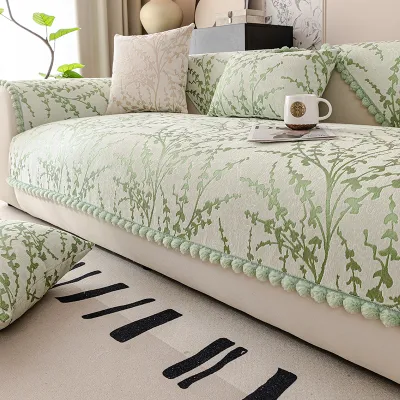
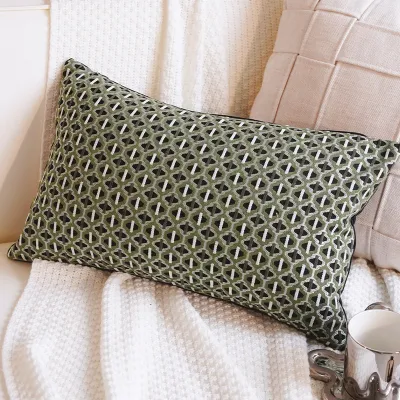
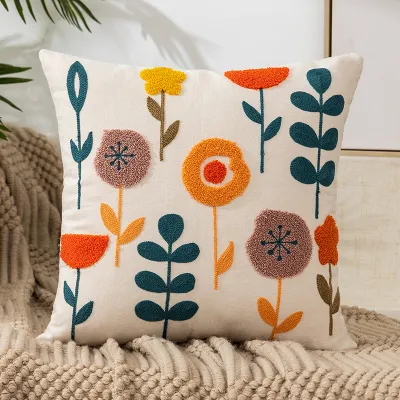
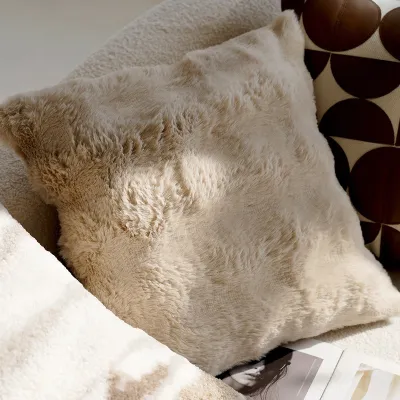
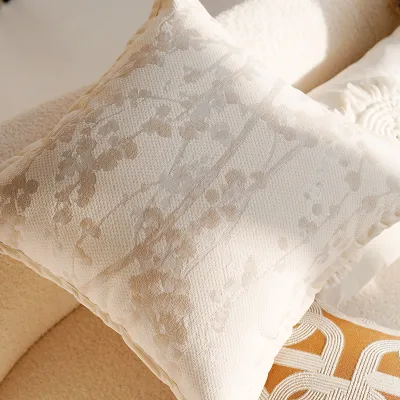
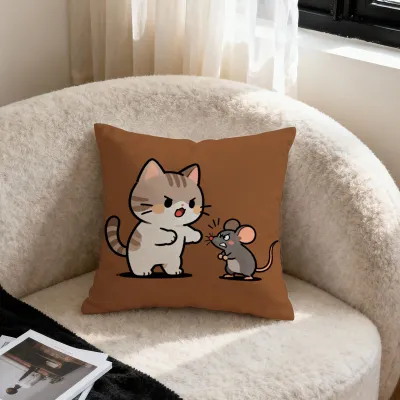
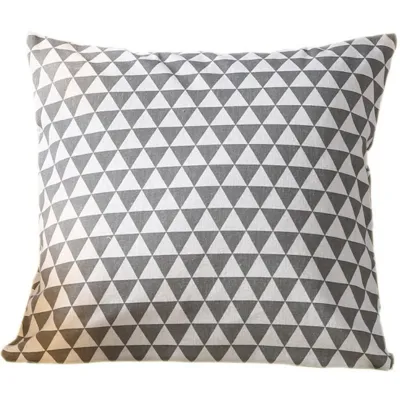
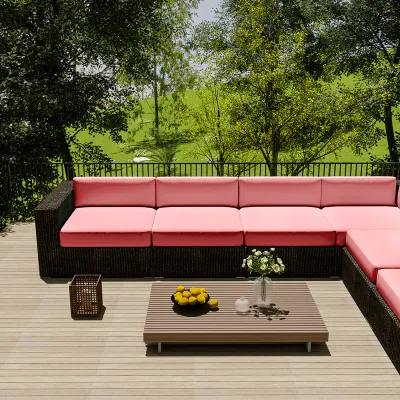
Prices are valid at publication and may change. Please refer to the product page for the latest price.
Aesthetic goals also play a significant role in determining the right balance for your home. If your priority is a seasonal style update, you might look for lightweight, easily swappable covers in trendy colors or prints that can be stored compactly when not in use. However, if you prefer a timeless, cohesive look, investing in heavy-duty, neutral-toned covers with rich textures like bouclé or jacquard can provide a sophisticated foundation that outlasts passing design trends.
Understanding material trade-offs is essential to making an informed decision. Natural fibers like pure cotton and linen offer exceptional breathability and a relaxed, organic texture that feels comfortable against the skin, particularly in non-air-conditioned spaces. However, they are more prone to wrinkling, shrinkage, and staining compared to synthetic fibers. On the other hand, synthetic blends, such as polyester-acrylic or nylon-polyester, are engineered for high durability, stain resistance, and color retention, though they may lack the natural drape and breathability of organic textiles.
Comparing Cushion Cover Brand Categories in Singapore
Navigating the retail landscape in Singapore reveals several distinct brand categories, each offering unique advantages, limitations, and quality verification methods.

Local furniture and home decor retailers often curate collections specifically tailored to regional design preferences, such as tropical modernism, minimalist chic, or mid-century modern styles. These brands frequently showcase their products in physical showrooms, allowing you to touch the fabrics and assess their weight in person. When shopping at local boutiques, it is wise to verify the fabric weight and care instructions on the physical tags, as some curated items may be dry-clean-only or use delicate decorative trims that require gentle handling.
International home brands provide standardized sizing, consistent quality control, and global design aesthetics that make coordinating large spaces straightforward. These brands typically offer reliable stock levels, making it easy to replace a single damaged cover or expand your collection in the future. However, because their product lines are designed for global markets, it is important to check the regional availability of specific fabric lines in Singapore showrooms and confirm that the materials are suitable for a humid climate.
Custom upholstery and soft furnishing studios represent the premium tier of cushion customization, ideal for homeowners with non-standard sofa dimensions or highly specific design visions. These studios grant access to commercial-grade performance fabrics, such as those treated for stain resistance or rated for high double-rub counts. While they offer unparalleled tailoring and material quality, you must factor in longer lead times, potential minimum order quantities, and the necessity of visiting a showroom to review physical fabric samples.
Online marketplaces and e-commerce platforms offer an extensive variety of designs, colors, and price points, making them highly attractive for budget-conscious shoppers or those seeking niche patterns. Because you cannot physically inspect these products before purchase, you must rely heavily on detailed dimension charts, fabric weight specifications (often measured in grams per square meter, or GSM), and comprehensive user reviews. Prioritize listings that provide clear close-up photos of the seams and zippers, and verify the seller’s return policy in case the physical product does not match your expectations.
Key Material and Construction Checks for Long-Lasting Quality
To ensure your chosen cushion covers can withstand the rigors of daily use, you should equip yourself with actionable inspection criteria that go beyond brand promises.
Begin by analyzing the fabric composition label. For high-traffic sofas, look for synthetic blends that combine the durability of polyester with the soft feel of cotton or viscose. If you prefer natural fibers, opt for heavy-weight cotton canvas or tightly woven linen, which offer better structural integrity than loose, gauze-like weaves. Additionally, check if the fabric has been pre-shrunk during manufacturing; unwashed natural fibers can shrink significantly during their first wash, making it difficult or impossible to fit them back over your cushion inserts.
Next, closely inspect the construction details of the cover. Turn the cover inside out to examine the seams; high-quality covers feature overlocked, serged, or French seams that prevent the raw edges of the fabric from fraying during washing. Double-stitching at stress points, particularly around the zipper opening, is crucial for preventing tears when inserting or removing plump cushions. The zipper itself should be sturdy, glide smoothly, and be concealed by a fabric flap (an invisible zipper) to protect your sofa fabric from scratches and maintain a clean silhouette. Alternatively, deep envelope closures with generous fabric overlaps can eliminate zipper failure entirely, though they require precise sizing to prevent gaping.
Finally, review the manufacturer’s maintenance specifications. Look for clear instructions regarding washing temperatures, colorfastness, and drying methods. In Singapore’s bright apartments, cushion covers placed near windows or balconies are susceptible to UV fading; choosing fabrics with high colorfastness ratings or opting for lighter shades can minimize visible sun damage over time.
Evaluating Aesthetic Appeal and Design Versatility
A cushion cover’s long-term value lies not only in its physical durability but also in its visual longevity and design versatility.
When selecting patterns and colors, evaluate the scale of the design in relation to your sofa’s proportions and the room’s overall lighting. Large, bold patterns can serve as excellent focal points on a spacious sectional, but they may overwhelm a compact two-seater sofa. Conversely, highly detailed, small-scale patterns can look busy or cluttered from a distance. Incorporating rich textures, such as velvet, chenille, or heavy jacquard, allows you to add depth and sophistication to your seating arrangement without relying on loud colors that you might tire of quickly.
To maximize your styling options, look for reversible designs or dual-tone covers. Covers that feature a pattern on one side and a coordinating solid color or contrasting texture on the reverse allow you to refresh your living room’s look instantly simply by flipping the cushions. This versatility effectively doubles the visual lifespan of your covers and makes it easy to transition your decor between casual daytime looks and more formal evening settings.
Additionally, consider the availability of coordinated collections within your chosen brand category. Brands that design their products in cohesive color stories or thematic collections make it simple to mix and match different patterns, stripes, and solids. This systematic approach ensures that any future additions or replacements you make will integrate seamlessly with your existing decor, preventing a disjointed appearance.
Decision Framework: Choosing the Right Brand Category for Your Home
To finalize your purchasing direction, consider which brand category aligns best with your household’s immediate priorities and lifestyle constraints.
Choose custom upholstery studios if your sofa features non-standard or custom-built dimensions, if you require specialized high-performance fabrics to handle heavy pet wear, or if you want a highly tailored, one-of-a-kind aesthetic. This path requires a higher initial investment and patience during the fabrication process, but it delivers unmatched precision and durability.
Opt for established local or international retailers if your sofa uses standard-sized cushion inserts, if you prefer immediate availability, and if you value the ability to physically inspect fabric textures and colors in a showroom before buying. This option offers a reliable balance of convenience, consistent quality, and straightforward return policies.
Select reputable e-commerce platforms if you enjoy experimenting with seasonal trends, require budget flexibility, or want to explore a vast array of niche patterns that are not readily available in local physical stores. When taking this route, mitigate risks by carefully checking user reviews, verifying fabric weight specifications, and ensuring the return policy accommodates exchanges.
Before making any purchase, always measure your actual cushion inserts rather than relying on the dimensions of your old, stretched-out covers. Ensure that the care instructions of your selected covers align with your household’s maintenance capacity, as choosing a dry-clean-only fabric for a busy family home can lead to frustration and premature wear.
Frequently Asked Questions (FAQ)
How do I measure my sofa cushions for replacement covers?
To get an accurate measurement, remove the existing cover and measure the actual cushion insert rather than the old fabric, which may have stretched or sagged over time. Use a firm measuring tape to measure the width, height, and depth (thickness) of the insert from seam to seam, pulling the tape taut but not compressing the filling. For a tailored, crisp appearance with foam inserts, choose a cover that matches the insert’s dimensions exactly. If you are using soft feather or down inserts, choosing a cover that is slightly smaller (approximately 2 to 5 centimeters smaller than the insert) will compress the filling slightly, resulting in a plumper, more luxurious look.
Can I mix and match cushion cover brands on the same sofa?
Yes, mixing and matching different cushion cover brands is an excellent way to create a curated, personalized look on your sofa. To maintain visual harmony, establish a consistent color palette of two to three coordinating tones and distribute them evenly across the seating area. Vary the scale of your patterns—for example, pair one large-scale geometric print with a medium-scale stripe and a solid, highly textured cover like bouclé or velvet. It is also important to match the fabric weights across different brands; mixing a very lightweight cotton cover with a heavy upholstery-grade velvet can look unbalanced and cause the cushions to wear unevenly over time.
Community discussion
Share your experience or ask a question. Comments are reviewed before publication.