
Selecting a solar led garden light that can withstand Singapore’s unique tropical climate requires looking beyond aesthetic appeal. The combination of sudden, torrential downpours, persistent high humidity, and intense equatorial sunshine creates a highly demanding environment for outdoor electronic fixtures. To ensure your garden lights survive more than a single monsoon season, you must prioritize specific engineering standards, starting with a certified waterproof rating of at least IP65 and robust housing materials.
How Singapore's Tropical Weather Affects Solar Garden Lights
Singapore experiences two main monsoon seasons—the Northeast Monsoon and the Southwest Monsoon—which bring frequent, heavy rainfall and sudden flash floods. During these intense downpours, outdoor light fixtures are subjected to high-velocity, wind-driven rain that can easily penetrate poorly sealed enclosures. If water breaches the outer casing, it immediately compromises the internal circuitry, leading to short circuits and permanent electrical failure.
Beyond the immediate threat of heavy rain, Singapore’s persistent high humidity, which frequently averages above 80%, poses a silent but equally destructive threat. Moisture in the air can slowly seep into micro-gaps in the light’s housing, causing condensation to form on the interior surfaces. This constant dampness accelerates the corrosion of copper wiring, solder joints, and electronic control boards, leading to flickering, reduced brightness, or complete device failure.
Products mentioned in this guide
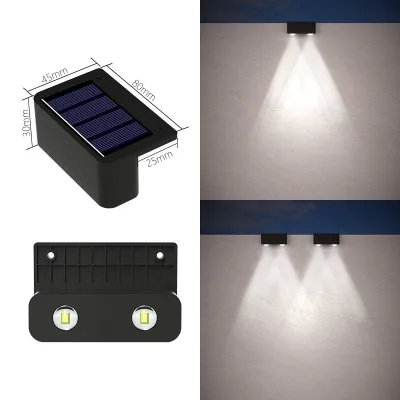
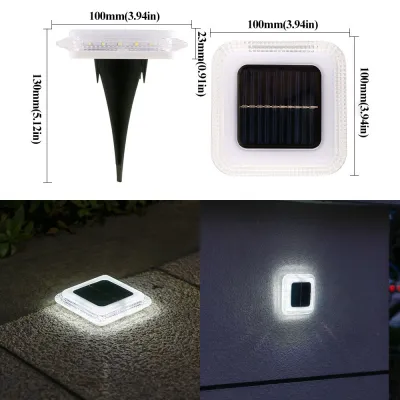
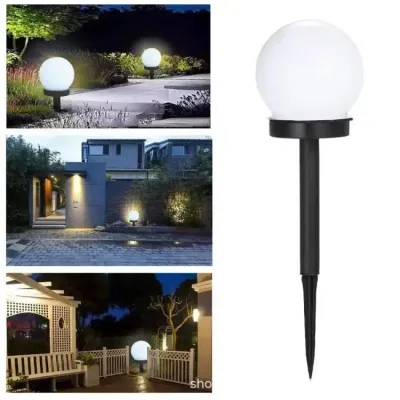
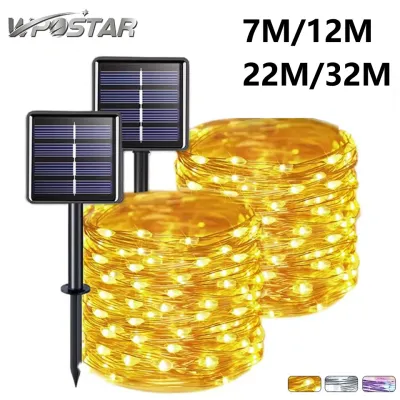
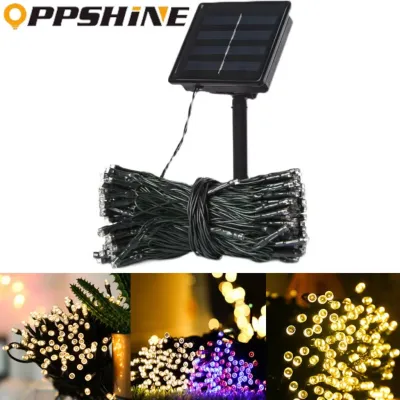
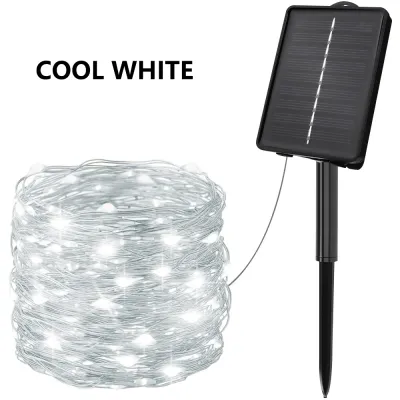
Prices are valid at publication and may change. Please refer to the product page for the latest price.
Furthermore, the tropical heat in Singapore, where daytime temperatures regularly exceed 32°C, significantly impacts battery health. When sealed inside a dark plastic or metal housing under direct sunlight, the internal temperature of a solar light can soar much higher. This extreme heat accelerates the chemical degradation of standard batteries, leading to swelling, capacity loss, and a drastically shortened operational lifespan.
Finally, the high UV index characteristic of equatorial regions acts as a harsh solvent on low-grade plastics. Standard ABS plastic housings without UV-stabilizing additives quickly become brittle, yellowed, and cracked under constant sun exposure. Once the structural integrity of the outer shell is compromised by UV damage, the waterproof seals fail, allowing the next heavy downpour to flood the delicate electronics inside. Therefore, standard solar lights designed for temperate climates are highly likely to fail within months in Singapore’s demanding environment.
Decoding IP Ratings: The Minimum Waterproof Standard for Heavy Rain
To make an informed decision, you must understand the Ingress Protection (IP) rating system, which classifies the degree of protection provided against mechanical casings and electrical enclosures. An IP rating consists of two digits: the first digit (ranging from 0 to 6) indicates protection against solid objects and dust, while the second digit (ranging from 0 to 9) indicates protection against liquids. For outdoor garden lights, the second digit is the most critical indicator of weather resistance.

For Singapore’s heavy, wind-driven rain, the absolute minimum standard you should accept is an IP65 rating. A rating of IP65 means the fixture is completely dust-tight (indicated by the ‘6’) and protected against water jets projected by a nozzle from any direction (indicated by the ‘5’). This level of protection ensures that even during a severe thunderstorm with driving rain, water cannot force its way past the silicone gaskets and seals of the light fixture.
It is highly beneficial to contrast IP65 with other common ratings like IP44 and IP67 to understand their practical limitations. An IP44 rating only guarantees protection against splashing water from any direction, which is insufficient for open garden spaces during monsoon surges where water can pool or be driven at high velocity. On the other hand, an IP67 rating indicates that the fixture can withstand temporary immersion in water up to 1 meter deep for 30 minutes. If your garden has low-lying areas, pathways prone to temporary pooling, or borders near drainage grates, upgrading to IP67 fixtures is highly recommended to prevent water ingress during flash floods.
When shopping for solar lights, you should remain highly skeptical of vague marketing terms like “waterproof,” “weatherproof,” or “rain-resistant” that lack a certified, explicitly stated IP rating. Unbranded or low-cost products often use these generic labels to mask a lack of rigorous testing. Always verify the product specifications on the packaging or manufacturer’s datasheet, and only trust products that clearly display a certified IP code, such as IP65 or IP67, backed by reputable testing standards.
Crucial Specs for Durability: Panels, Batteries, and Materials
Solar Panel Efficiency in Overcast Conditions
The performance of a solar led garden light depends heavily on the type of solar panel integrated into its design, especially during Singapore’s overcast monsoon periods. Monocrystalline solar panels are easily distinguished by their dark, uniform appearance and cut corners. They are manufactured from a single, high-purity silicon crystal, which allows them to achieve superior energy conversion efficiency, typically between 15% and 22%. This high efficiency is crucial in Singapore, as monocrystalline panels can generate a viable electrical charge even under diffuse sunlight or cloudy skies.
In contrast, polycrystalline solar panels, recognizable by their blue-speckled, fragmented look, are less efficient, usually converting only 13% to 16% of sunlight into electricity. While they are more affordable to produce, polycrystalline panels require direct, intense sunlight to charge the internal battery effectively. During prolonged periods of overcast weather or consecutive rainy days, a light equipped with a polycrystalline panel will struggle to charge fully, resulting in dim illumination or lights that turn off after only a few hours.
Battery Chemistry for High Heat and Humidity
The choice of battery chemistry directly dictates how well the solar light will perform over several years of exposure to Singapore’s heat. Traditional solar lights often utilize Nickel-Metal Hydride (NiMH) or standard Lithium-ion (Li-ion) batteries. While functional, these chemistries degrade rapidly when subjected to the high ambient temperatures common in tropical climates. Over time, constant heat causes standard Li-ion batteries to lose capacity, and in extreme cases, they can swell, rupture, or leak corrosive chemicals onto the internal circuit board.
For maximum durability, look for solar lights that utilize Lithium Iron Phosphate (LiFePO4) batteries. LiFePO4 chemistry is exceptionally stable and highly resistant to thermal runaway, making it safe for use in hot, direct sunlight. Furthermore, these batteries offer a significantly longer cycle life, often lasting for 2,000 to 3,000 charge-discharge cycles before their capacity drops below 80%. This translates to a lifespan of five to eight years, compared to the one-to-two-year lifespan of standard NiMH or Li-ion alternatives under identical conditions.
Housing Materials That Resist UV and Corrosion
The exterior housing of your garden lights must be constructed from materials capable of resisting both intense UV radiation and constant moisture. While ABS plastic is a common and cost-effective option, it must be specifically treated with UV stabilizers to prevent it from becoming brittle and cracking under the equatorial sun. Untreated plastics will degrade rapidly, leading to hairline fractures that compromise the waterproof seal.
For premium durability, powder-coated aluminum or high-grade stainless steel (such as 304 or marine-grade 316 stainless steel) are the preferred choices. Powder-coated aluminum provides excellent structural strength and is highly resistant to rust, while stainless steel offers superior resistance to corrosion in humid environments. When choosing metal fixtures, ensure that all assembly screws and brackets are also made of rust-resistant materials, as a single corroding screw can compromise the seal of the entire housing.
Electrical Certifications and System Compatibility
When selecting solar LED garden lights, it is vital to verify key electrical specifications to ensure safety and compatibility with your outdoor environment. Even though solar lights operate on low-voltage direct current (DC) generated by their panels, any hybrid systems that feature a backup mains connection must comply with local electrical safety standards. Always check for recognized electrical certifications, such as the Enterprise Singapore Safety Mark for any accompanying charging adapters or mains-connected components. Additionally, verify the voltage requirements, battery wattage limits, and dimming methods of the fixtures. If you are integrating these lights into a larger smart home system or automated landscape setup, ensure the control interfaces and dimming protocols are fully compatible to prevent electrical faults or premature driver failure.
How to Evaluate Brand Reliability and Warranty Support
Navigating the outdoor lighting market requires a critical eye to distinguish reliable, long-lasting products from cheap, disposable alternatives. A primary red flag of an unreliable brand is the omission of detailed technical specifications, such as the exact IP rating, battery capacity, or solar panel type. Be particularly wary of brands that make unrealistic performance claims, such as advertising thousands of lumens of brightness from a compact solar light with a tiny solar panel, as these physical dimensions cannot support such high output for more than a few minutes.
A reliable brand will stand behind its products with a comprehensive warranty that reflects the harsh realities of outdoor deployment. In Singapore’s climate, look for a minimum 1-year comprehensive warranty that explicitly covers both battery degradation and water-ingress failures. Brands that offer shorter warranties or exclude water damage from their coverage terms are often signaling that their products are not designed to survive severe weather conditions over the long term. High-quality, durable solar lights typically fall into the price band of S$30 to S$90 per fixture, whereas cheap, unreliable models often retail for under S$10, reflecting their lower-grade materials and lack of certified IP ratings.
Another hallmark of quality is component replaceability. Many low-cost solar lights are designed as sealed, single-use units; once the battery inevitably degrades after a year or two, the entire fixture must be discarded. Sustainable, high-quality brands design their fixtures with user-replaceable batteries, accessible via secure, gasketed compartments. This allows you to easily swap out the battery when its lifespan ends, extending the utility of the high-quality housing and solar panel for many more years.
Finally, prioritize purchasing from brands with established local distributors or official retail stores within Singapore. Having a local presence simplifies the process of handling warranty claims, sourcing replacement parts, or obtaining technical support. Relying solely on cross-border online sellers can make resolving warranty issues incredibly difficult, as shipping a defective unit back overseas often costs more than the price of a replacement light.
Installation and Maintenance Tips for the Wet Season
Placement Strategy Proper installation is key to maximizing both the solar charging efficiency and the physical lifespan of your lights. When positioning your fixtures, choose locations that receive at least four to six hours of unshaded sunlight daily, keeping in mind that trees and structural overhangs can block vital light. Avoid low-lying areas of your garden where rainwater naturally pools or where soil erosion is common during heavy downpours. If a light must be placed in a damp zone, elevate the fixture slightly or install a gravel drainage base beneath it to prevent standing water from rising above the light’s base.
Routine Cleaning Over time, a film of dust, pollen, bird droppings, and algae can accumulate on the surface of the solar panel, significantly reducing its ability to absorb sunlight. To maintain optimal charging efficiency, clean the panels once every few weeks using only a soft, damp microfiber cloth and clean water. Avoid using abrasive scrubbing pads, harsh chemical detergents, or high-pressure water sprays, as these can scratch the protective glass or plastic coating, permanently degrading the panel’s light transmission.
Seal and Joint Inspection Before the onset of the major monsoon seasons, conduct a thorough visual inspection of all your outdoor fixtures. Check the rubber O-rings, silicone gaskets, and cable entry points for any signs of cracking, hardening, or misalignment. If you notice a compromised seal, apply a small amount of outdoor-grade silicone sealant or replace the gasket to restore the waterproof barrier. Ensure that all screws and assembly joints are securely tightened to prevent wind-driven rain from forcing its way inside.
Battery Care If you anticipate prolonged periods of extreme weather, such as consecutive weeks of heavy monsoon rains with virtually no sunlight, or if you are planning an extended holiday, consider storing your lights temporarily. If the design allows for easy disassembly, turn the lights off, remove the batteries, and store the components in a cool, dry indoor location. This prevents the batteries from discharging completely and remaining in a depleted state for extended periods, which can permanently damage their capacity.
Safety Warning: Always ensure that the power is isolated before performing any maintenance on hybrid solar-wired systems, and refer to the manufacturer’s instruction manual for specific care guidelines. If you are dealing with high-voltage backup connections or complex integrated outdoor lighting systems, consult a qualified professional to ensure safety.
Frequently Asked Questions (FAQ)
Can solar garden lights survive being fully submerged during flash floods?
Most standard outdoor solar lights, even those with an IP65 rating, are not designed to survive complete submersion. An IP65 rating only protects against water jets and heavy rain, not continuous water pressure. To survive being fully submerged during flash floods, a fixture must have an IP67 or IP68 rating. IP67 allows for temporary immersion up to 1 meter for 30 minutes, whereas IP68 is designed for continuous submersion. If your garden is prone to significant water accumulation, avoid placing lights in low-lying areas unless they are explicitly certified with an IP68 rating.
Do solar lights work in Singapore during the monsoon season with less sunlight?
Yes, high-quality solar lights will continue to function during the monsoon season, though their runtime or brightness may be reduced. Modern solar lights equipped with highly efficient monocrystalline panels can still generate power from ambient, diffuse light on overcast days. Furthermore, fixtures with smart energy-management systems or adjustable brightness settings can automatically dim the light output to conserve battery power, ensuring the light remains operational throughout the night even after a heavily cloudy day.
How often should I replace the batteries in outdoor solar lights?
The replacement interval depends primarily on the battery chemistry used in your fixtures. Standard Nickel-Metal Hydride (NiMH) batteries typically need to be replaced every 1 to 2 years due to rapid degradation in Singapore’s heat. In contrast, high-quality Lithium Iron Phosphate (LiFePO4) batteries can last between 5 and 8 years (or 2,000 to 3,000 charge cycles) before requiring replacement. Observable signs that your battery needs replacing include a significantly reduced nighttime runtime, flickering lights, or a complete failure to turn on despite a full day of sunlight.
Community discussion
Share your experience or ask a question. Comments are reviewed before publication.