
Quick Answer: Which Solar Light Technology is Most Efficient?
When selecting a high-performance solar light, the most efficient systems on the market typically combine monocrystalline solar panels, lithium iron phosphate (LiFePO4) batteries, and smart motion-dimming LED systems. This combination ensures maximum solar energy conversion, long battery lifespans, and optimized power consumption. However, the “best” technology depends entirely on your specific application. High-output security lighting requires robust, high-capacity components, whereas low-output ambient pathway lighting can operate reliably with simpler, more cost-effective setups. Rather than searching for a single brand as an absolute winner, you should evaluate specific technology combinations on product labels and specification sheets to ensure you are getting an efficient system tailored to your outdoor space.
Core Energy-Saving Technologies to Compare
To maximize runtime and light output, outdoor lighting brands leverage active and passive energy-saving features. Understanding these mechanisms allows you to look past vague marketing terms and identify fixtures that perform reliably over the long term.

LED efficiency is the foundation of any modern solar light. This efficiency is measured in lumens per watt (lm/W), indicating how much visible light an LED produces for every watt of electrical power it consumes. High-quality fixtures utilize advanced LED chips that achieve superior lumens-per-watt ratios, requiring less battery power to produce bright illumination. Additionally, specialized optical lens designs, such as collimating lenses or wide-angle diffusers, play a critical role. These lenses distribute light precisely to target areas rather than letting it scatter uselessly into the sky, ensuring no energy is wasted.
Products mentioned in this guide
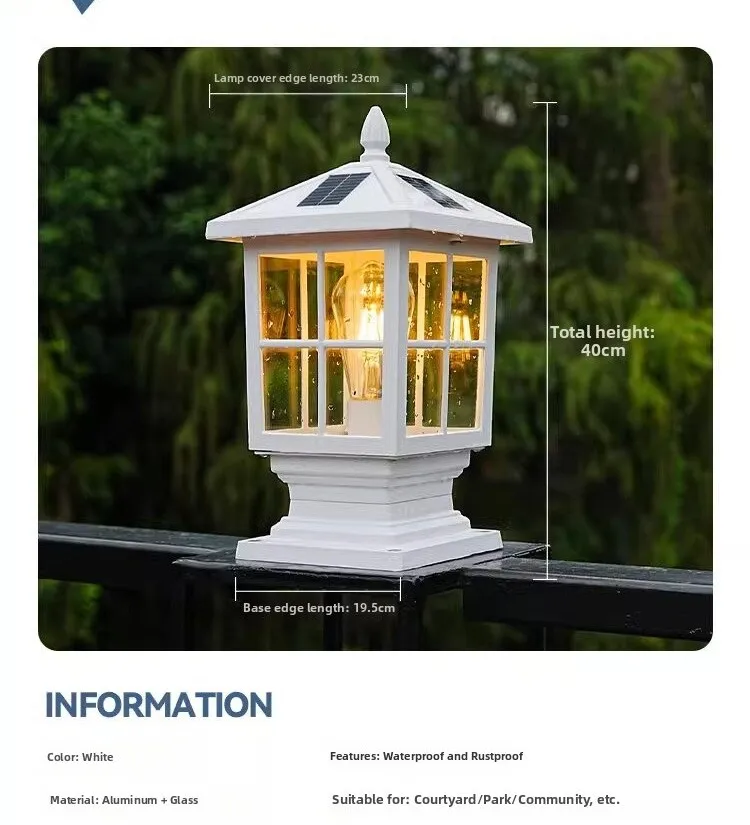
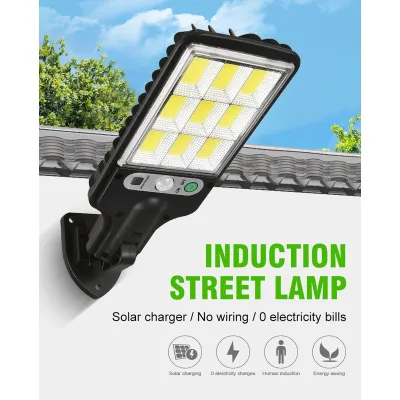
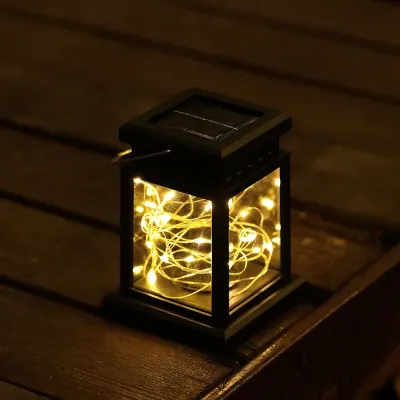
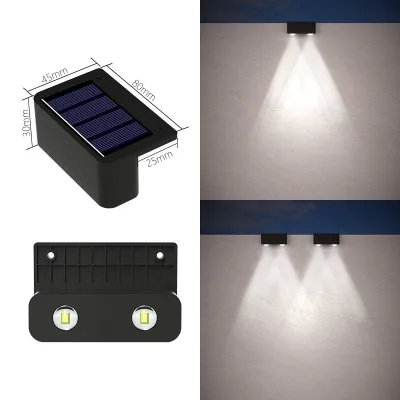
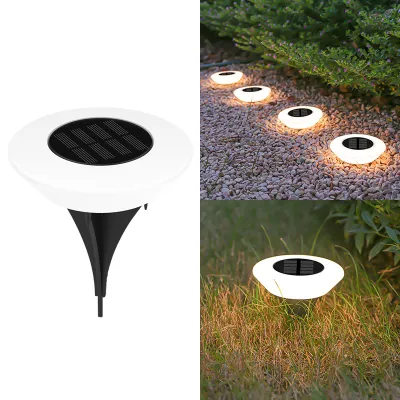
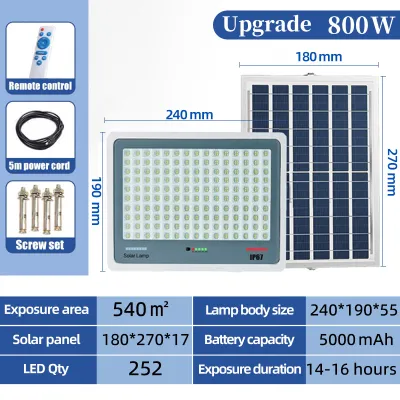
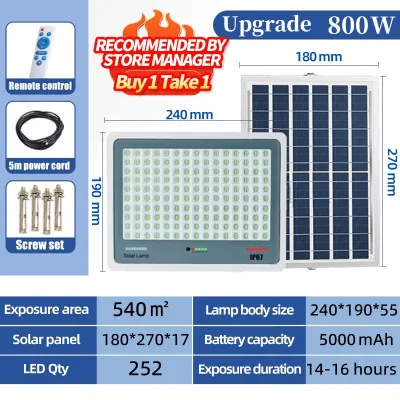
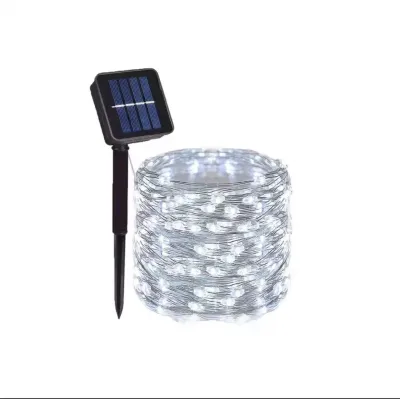
Prices are valid at publication and may change. Please refer to the product page for the latest price.
Smart sensors are another vital component for conserving battery power. Most modern fixtures utilize either passive infrared (PIR) motion sensors, microwave sensors, or dusk-to-dawn photocells. PIR sensors detect changes in infrared radiation, which corresponds to heat signatures from moving people or animals. They require a direct, unobstructed line of sight to function correctly. In contrast, microwave sensors emit high-frequency electromagnetic waves and analyze the reflected signals. Because microwave signals can penetrate light obstacles like foliage, thin glass, or plastic, they offer highly sensitive coverage but can sometimes be triggered by wind-blown leaves. Dusk-to-dawn photocells simply measure ambient light levels to automatically switch the fixture on at sunset and off at sunrise.
Dimming modes allow fixtures to adapt their energy consumption to real-time conditions. Contrast smart dimming profiles against basic constant-on modes. A smart dimming profile might keep the light at a low, ambient level of 20% brightness when idle, immediately ramping up to 100% brightness when a sensor detects motion. This adaptive approach dramatically extends battery life, ensuring the light remains functional even after consecutive rainy days. Constant-on modes, which run at 100% brightness continuously, drain batteries rapidly and are generally unsuitable for regions with variable weather. When comparing models, look for detailed descriptions of these operational modes and sensor types instead of relying on generic “energy-saving” claims.
Solar Panel Types: Evaluating Solar Light Specifications
The solar panel is the engine of your solar light system, converting sunlight into electrical energy to charge the internal battery. When evaluating brand specifications, you will encounter three primary solar panel technologies, each with distinct performance characteristics.
Monocrystalline solar panels are constructed from a single, high-purity silicon crystal structure. This uniform composition allows electrons to flow more freely, resulting in the highest conversion efficiency of the three types, typically ranging from 15% to 22%. Because of this high efficiency, monocrystalline panels perform significantly better in low-light, overcast, or partially shaded conditions. They are the ideal choice for premium, high-output fixtures or security lights that must charge quickly and reliably.
Polycrystalline solar panels are made by melting multiple silicon fragments together. This manufacturing process is simpler and more cost-effective, but it results in a lower conversion efficiency, usually between 13% and 16%. Polycrystalline panels are easily recognizable by their speckled blue appearance and are commonly used in mid-range pathway, garden, and decorative lighting. While they require slightly more surface area to produce the same power as a monocrystalline panel, they offer an excellent balance of performance and affordability for general outdoor illumination.
Amorphous solar panels, also known as thin-film panels, are created by depositing a thin layer of non-crystalline silicon onto a substrate like glass, plastic, or metal. They have the lowest overall conversion efficiency, typically between 6% and 10%. However, they possess unique advantages, including superior performance in diffuse light and high-temperature environments. Because they can be made flexible and compact, they are often integrated directly into the curved or low-profile designs of smaller decorative fixtures.
When comparing solar lights, you must explicitly look for the panel type in the technical specifications. In Singapore’s tropical climate, high ambient heat can significantly impact solar panel efficiency. Solar panels are subject to a temperature coefficient of power, which dictates how much their efficiency drops for every degree Celsius above 25°C. While monocrystalline panels can experience minor efficiency drops in extreme heat, their high baseline efficiency ensures they still deliver excellent overall power. Amorphous panels have a lower temperature coefficient and maintain their rated output well under intense heat, but they require a much larger physical footprint to match the total energy generation of a monocrystalline panel.
Battery Systems: Lithium vs. Nickel-Metal Hydride (NiMH)
The battery system determines how much energy your solar light can store and how reliably it can discharge that energy throughout the night. Popular brands utilize different battery chemistries, which directly affect the fixture’s lifespan, capacity, and resilience to environmental conditions.
Lithium-ion (Li-ion) batteries are widely used in compact, high-output security lights due to their high energy density and lightweight design. Operating at a nominal voltage of around 3.7V, they can store a significant amount of energy in a small physical package. However, standard Li-ion batteries typically offer a moderate lifespan of 300 to 500 charge-discharge cycles. They also require sophisticated battery management systems to prevent overcharging and deep discharging, which can shorten their operational life.
Lithium Iron Phosphate (LiFePO4) batteries represent the premium standard for modern solar lighting. Operating at a nominal voltage of 3.2V, they offer an exceptional lifespan, often lasting between 1,500 and 3,000+ complete charge-discharge cycles. This longevity translates to several years of maintenance-free operation. Furthermore, LiFePO4 chemistry provides outstanding thermal stability and safety, making it highly resistant to thermal runaway. This thermal resilience is particularly valuable in hot, humid climates like Singapore, where sustained ambient temperatures and intense sunlight can cause standard batteries to degrade rapidly or overheat.
Nickel-Metal Hydride (NiMH) batteries are an older, more eco-friendly technology operating at a nominal voltage of 1.2V. They are highly tolerant to temperature fluctuations and do not contain heavy metals, making them easier to recycle. However, NiMH batteries have a lower energy density and a shorter cycle life, typically around 500 cycles. They are most frequently found in low-output decorative pathway lights, where high energy storage is not a critical requirement.
When evaluating battery specifications, compare the capacity in milliampere-hours (mAh) or watt-hours (Wh). Watt-hours provide the most accurate comparison of total energy storage, calculated by multiplying the battery’s voltage by its ampere-hour rating (Wh = V x Ah). Additionally, check whether the battery is user-replaceable or permanently built-in. A built-in battery means the entire fixture must be discarded once the battery fails, whereas a user-replaceable battery allows you to swap out the cell, significantly extending the product’s overall lifespan and reducing electronic waste.
How to Verify Brand Claims and Read Spec Sheets
Cutting through marketing jargon requires a critical eye and a solid understanding of technical specifications. When comparing different solar light models, you can protect your investment by verifying key metrics on product spec sheets.
First, understand the difference between lumens and wattage. Lumens measure the actual brightness of the light output (luminous flux), whereas wattage refers to electrical power consumption or, in many consumer solar light descriptions, an arbitrary “LED equivalent” wattage. A brand claiming a “100-watt solar light” is often using a misleading marketing equivalent to compare it to old incandescent bulbs. Always prioritize the actual lumen rating on the specification sheet to compare brightness accurately.
Next, examine the Ingress Protection (IP) rating, which indicates how well the fixture’s enclosure protects internal electrical components from dust and moisture. For general outdoor use, an IP65 rating is the minimum requirement, protecting against dust and low-pressure water sprays from any direction. However, in tropical environments prone to heavy monsoon rains, high humidity, and ground-level splashing, you should look for IP66 or IP67 ratings. An IP66 rating ensures protection against high-pressure water jets, while IP67 indicates the fixture can withstand temporary immersion in water, providing superior long-term durability against water ingress.
Evaluate the ratio of charging time to working time. A reliable solar light should specify how many hours of direct sunlight are required to achieve a full charge, alongside the expected runtime under different operating modes. For example, a model that requires 8 hours of direct sunlight to provide only 4 hours of constant-on light is highly inefficient. Look for systems that can achieve a full charge in 6 to 8 hours and sustain a smart dimming mode for 10 to 12 hours, ensuring the light remains active throughout the night.
Finally, consider safety and installation requirements. While low-voltage, self-contained solar lights are generally safe for DIY installation, any setup involving high-mounting, complex structural brackets, or integration with existing fixed electrical wiring requires careful planning. Always isolate power sources before performing any electrical work. For suspended loads, work at height, or damp-area installations, consult the manufacturer’s installation manual and hire a qualified professional to ensure the fixture is securely mounted and complies with local building and electrical safety standards.
Decision Framework: Matching Technology to Your Needs
To make an informed decision, you must align the solar light’s technology profile with your specific outdoor environment and lighting goals. Use this conditional decision framework to guide your purchase:
Choose Monocrystalline + LiFePO4 + Motion Sensor if:
- You require high-brightness security lighting for driveways, entry gates, or dark perimeter zones.
- The installation area receives limited direct sunlight during the day, requiring a highly efficient panel to maximize charging.
- You want a long-term, low-maintenance solution with a battery that can withstand high ambient temperatures without rapid degradation.
Choose Polycrystalline + Li-ion + Dusk-to-Dawn if:
- You need consistent, medium-brightness lighting for open pathways, garden borders, or patios.
- The installation site is completely unshaded and receives abundant, direct sunlight throughout the day.
- You are looking for a cost-effective balance of reliable nighttime runtime and affordable upfront cost.
Choose Amorphous + NiMH + Constant Low Output if:
- You want decorative, low-intensity ambient accent lighting in heavily shaded garden beds or under dense tree canopies.
- The location experiences highly variable weather conditions or diffuse sunlight, where amorphous panels can still trickle-charge.
- The fixtures are easily accessible at ground level for simple, periodic battery replacements.
Verify first if:
- The proposed installation area suffers from severe structural shading from nearby buildings, which may necessitate a model with a detached solar panel.
- The mounting surface requires structural reinforcement or specialized brackets for high-altitude installation.
- The product documentation lacks clear, certified IP ratings or explicit battery chemistry specifications, which often indicates lower-quality manufacturing.
Frequently Asked Questions (FAQ)
How long do solar light batteries typically last before needing replacement?
The lifespan of a solar light battery depends primarily on its chemistry and usage patterns. Standard Nickel-Metal Hydride (NiMH) batteries typically last between 1 to 2 years, while standard Lithium-ion (Li-ion) batteries generally last 1.5 to 3 years before experiencing noticeable capacity loss. In contrast, high-quality Lithium Iron Phosphate (LiFePO4) batteries can last between 5 to 10 years, owing to their superior cycle life of 1,500 to 3,000+ cycles. To ensure long-term reliability, always check the manufacturer’s stated cycle life, warranty period, and battery replacement policy before making a purchase.
Can I upgrade the battery in my solar light to increase its runtime?
You should never upgrade or change the battery in a solar light to a higher capacity or different chemistry without explicitly verifying compatibility with the manufacturer’s specifications. Solar light charging circuits are precisely calibrated to the voltage, chemistry, and internal resistance of the original battery. Installing a mismatched battery can damage the internal charging controller, significantly reduce system efficiency, or pose severe safety risks, including overheating, battery swelling, or thermal runaway. If you need longer runtimes, look for fixtures that feature built-in power-saving dimming modes or larger integrated solar panels.
Do solar lights work efficiently during extended cloudy and rainy periods?
Solar lights can still charge during cloudy or rainy days, but their efficiency is significantly reduced because clouds block and scatter direct sunlight. Monocrystalline and amorphous panels are better at capturing diffuse light during overcast weather compared to polycrystalline panels, but total energy generation will still drop. To maintain reliable operation during extended rainy periods, choose fixtures with high-capacity batteries and smart, motion-activated dimming modes that conserve power. Alternatively, consider models with a separate, adjustable solar panel connected by a cable, allowing you to mount the panel in an unshaded, high-exposure location while placing the light fixture exactly where it is needed.

Community discussion
Share your experience or ask a question. Comments are reviewed before publication.