
Solar security lights rely on specialized sensor technologies to detect activity and manage power efficiently. These systems primarily use Passive Infrared (PIR) sensors, microwave sensors, and photocells to balance security needs with energy conservation. PIR sensors detect changes in heat signatures, microwave sensors map physical movement using radio waves, and photocells measure ambient light to restrict operation to nighttime hours. Understanding how these technologies function helps you select the right setup for your property’s layout, local climate, and security requirements.
How Passive Infrared (PIR) Sensors Detect Movement
PIR sensors are the most common motion detection technology in residential solar security lights. These devices passively monitor the surrounding environment for infrared radiation, which is naturally emitted as heat by humans and animals. When a warm body moves across the sensor’s field of view, the device detects a rapid change in infrared energy levels between its internal sensor elements, triggering the light.
The physical design of a PIR sensor determines its detection zone, defined by its field of view (FOV) and maximum range. Most standard outdoor security lights offer a horizontal detection angle ranging from 120 to 180 degrees. The effective range is heavily dependent on the lens design, which focuses the incoming infrared radiation onto the internal pyroelectric sensor.
Products mentioned in this guide
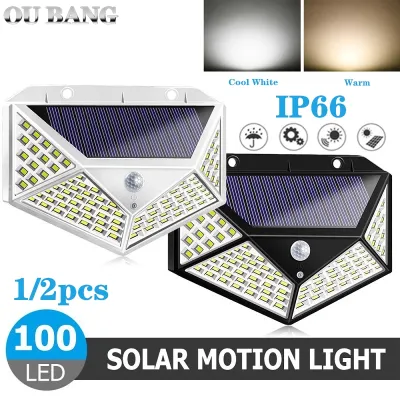
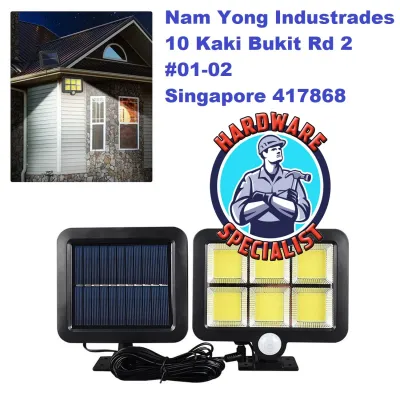
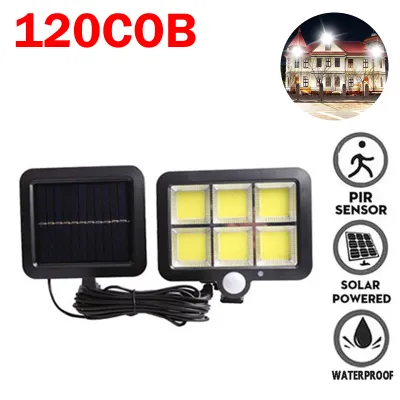
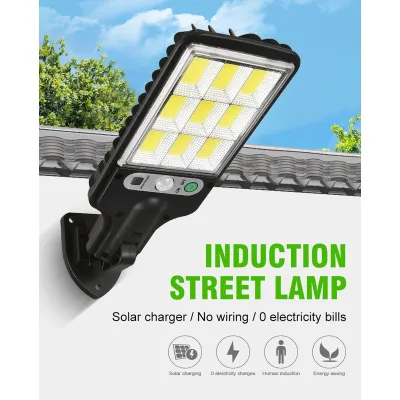
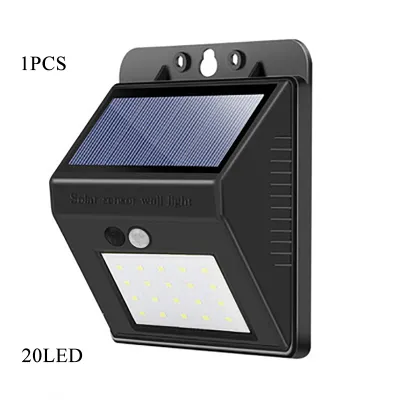
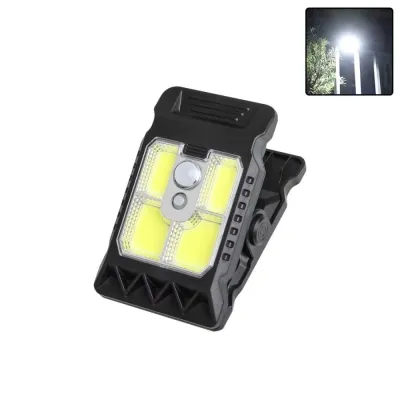
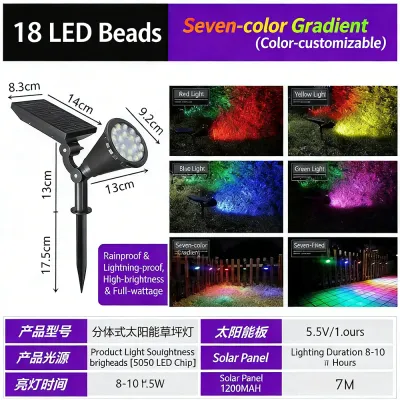
Prices are valid at publication and may change. Please refer to the product page for the latest price.
Because PIR sensors rely on temperature differentials, their performance can fluctuate based on environmental conditions. In hot climates, the ambient air temperature can closely match human body temperature, making it more difficult for the sensor to distinguish a moving person from the background. Additionally, because infrared radiation cannot penetrate solid objects, physical barriers like glass, dense foliage, or fences will block the sensor’s line of sight.
Microwave Sensors and Dual-Technology Options
Microwave sensors represent an active detection technology that continuously emits low-power, high-frequency radio waves and measures the reflection off surrounding objects. Utilizing the Doppler effect, these sensors analyze changes in the frequency of the returned signal to identify movement. If an object moves within the detection zone, the frequency of the reflected wave shifts, prompting the sensor to activate the solar light.

One of the primary characteristics of microwave sensors is their ability to penetrate non-metallic materials, including glass, thin wood, and plastic. This allows the sensor to be completely enclosed within the light fixture’s housing, protecting it from weather elements while providing a broader and more uniform detection area than PIR sensors. However, this high sensitivity also means that microwave sensors can detect movement through windows or light partitions, which may not always be desirable for residential security.
The high sensitivity of microwave technology can lead to frequent false alarms in outdoor settings. Common environmental factors, such as swaying tree branches, heavy rain, or passing vehicles on a nearby street, can easily trigger the sensor. To mitigate this issue, some advanced solar security lights utilize dual-technology sensors.
Dual-technology setups combine both PIR and microwave sensors within a single unit to optimize reliability and conserve battery power. Under this configuration, the light will only activate when both sensors detect motion simultaneously: the PIR sensor verifies a change in heat, while the microwave sensor confirms physical movement. This dual-trigger logic significantly reduces false alarms and prevents unnecessary battery drain, ensuring the solar light remains operational throughout the night.
The Role of Photocells in Solar Security Lighting
While motion sensors detect activity, photocells—often referred to as dusk-to-dawn sensors—are responsible for managing the overall operational timing of solar security lights. A photocell is a light-sensitive resistor that measures the level of ambient light in the surrounding environment. During the day, high ambient light levels keep the circuit open, preventing the security light from turning on and allowing the solar panel to focus entirely on charging the internal battery.
As daylight fades, the resistance within the photocell changes, signaling the control board to enable the motion sensor. This dusk-to-dawn logic ensures that the light does not waste valuable battery power by activating during bright daylight hours. However, the positioning of the light fixture is critical to the photocell’s performance; if installed too close to artificial light sources like streetlights or bright indoor windows, the photocell may misinterpret the artificial glare as daylight and fail to activate the security light at night.
Many modern solar security systems integrate photocells with motion sensors to offer customizable energy-saving modes. For instance, a common configuration is the dim-to-bright mode, where the photocell triggers a low-level ambient light at dusk, and the motion sensor boosts the output to full brightness only when movement is detected. This combination provides continuous low-level pathway lighting while preserving enough battery capacity to deliver high-intensity security lighting when an actual visitor is detected.
Choosing the Right Sensor Setup for Your Security Needs
Selecting the right solar light sensor configuration depends heavily on the layout of your property and the specific zones you need to monitor. For narrow walkways, side passages, or small entryways, a standard PIR sensor is often the most practical choice because its defined field of view prevents it from being triggered by activity in neighboring yards. For larger, open areas like driveways or expansive yards, a microwave sensor or a dual-technology system offers the wide-angle coverage and range necessary to monitor the entire space effectively.
Managing the risk of false alarms is another critical factor when planning your outdoor lighting layout. If your property has active local wildlife, roaming pets, or faces a busy public street, a highly sensitive microwave sensor might trigger constantly, draining the battery before morning. In these scenarios, choosing a PIR sensor with adjustable sensitivity settings or a dual-tech sensor allows you to fine-tune the detection threshold, ensuring the light only responds to significant human-sized movement.
Before purchasing any solar security light, always verify the technical specifications listed on the product label or manufacturer’s manual. Pay close attention to the stated detection angle, maximum range limits, and the Ingress Protection (IP) rating, which indicates the fixture’s resistance to dust and moisture. For outdoor installations in humid or rainy climates, such as Singapore, look for an IP65 or higher rating to ensure the internal sensor electronics remain protected against water ingress. Additionally, check the manufacturer’s instructions regarding mounting height, as installing the fixture too high or too low can significantly alter the sensor’s effective detection zone.
Finally, ensure you verify the electrical specifications, including voltage compatibility, battery capacity, and dimming methods. For installations that require fixed wiring, mounting at significant heights, or integration with existing electrical systems, always isolate the power source and follow the manufacturer’s safety guidelines. If you are uncomfortable working at heights or handling electrical connections, consult a qualified professional to complete the installation safely.
Frequently Asked Questions (FAQ)
Can heavy rain or extreme heat affect solar light sensor performance?
Yes, extreme weather conditions can impact sensor performance depending on the technology used. Heavy rain can occasionally trigger microwave sensors due to the movement of water droplets, while dense downpours can slightly scatter the infrared signals detected by PIR sensors. Extreme heat can also reduce the sensitivity of PIR sensors by narrowing the temperature difference between the human body and the surrounding air. To ensure reliable operation, check the manufacturer’s specified operating temperature range and environmental limits before installation.
Do solar security lights with microwave sensors drain the battery faster?
Generally, active microwave sensors consume slightly more standby power than passive PIR sensors because they must continuously emit and receive high-frequency signals. However, the overall battery drain depends on the light’s operating mode, the capacity of the built-in lithium battery, and the efficiency of the solar panel. To prevent premature battery depletion, ensure the solar panel receives sufficient direct sunlight during the day to fully charge the battery, and consider using dual-technology or adjustable sensitivity modes to limit unnecessary activations.

Community discussion
Share your experience or ask a question. Comments are reviewed before publication.