
Determining whether a decorative sculpture is crafted from solid brass or simply coated in a thin layer of brass plating is essential for assessing its true value, durability, and care requirements. While both options can initially look identical on a display shelf, their underlying compositions are vastly different. In Singapore’s humid tropical climate, this distinction becomes even more critical, as moisture in the air reacts differently with solid alloys compared to plated base metals. By using a few non-destructive tests—such as checking magnetism, assessing weight, examining wear patterns, and listening to the metal’s resonance—you can confidently identify the material before making an investment.
Understanding Solid Brass and Brass-Plated Alternatives
Solid brass is a homogeneous alloy primarily composed of copper and zinc. Because it is the same metal mixture all the way through, it possesses a consistent density, color, and structural integrity. It can be polished, engraved, or restored repeatedly without the risk of exposing a different material underneath, making it highly valued for heirloom-quality sculptures and premium home decor.
In contrast, brass-plated items feature a very thin layer of brass electroplated over a cheaper, more common base metal, such as steel, zinc, or aluminum. In some modern decor pieces, the core might even be made of molded resin. While plating provides the warm, golden aesthetic of brass at a fraction of the production cost, the thin outer layer is highly vulnerable to wear, scratches, and environmental degradation.
Products mentioned in this guide
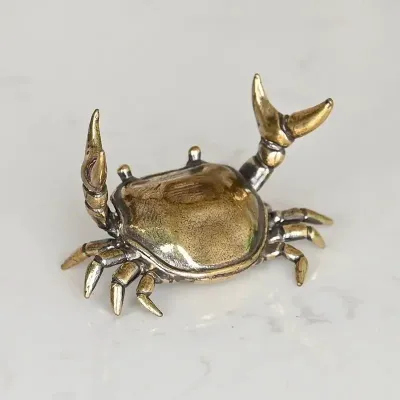
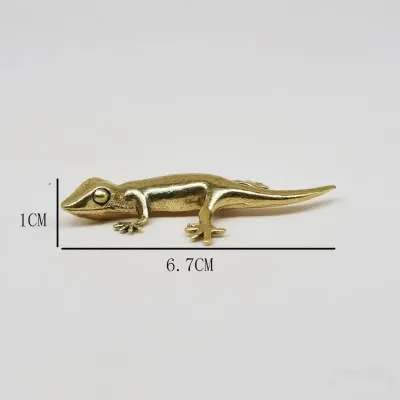
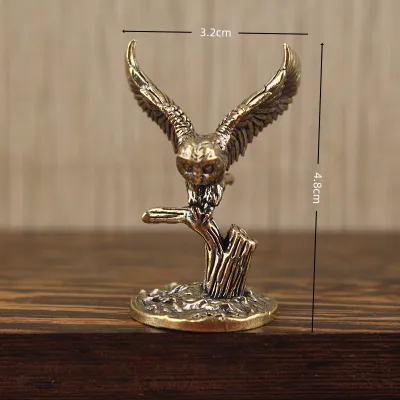
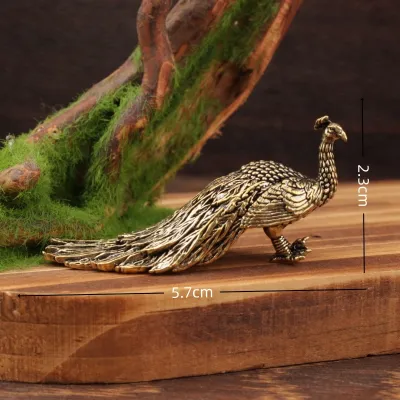
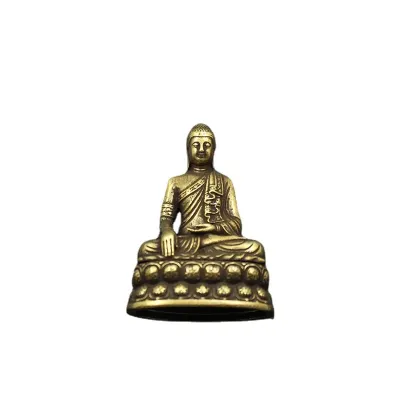
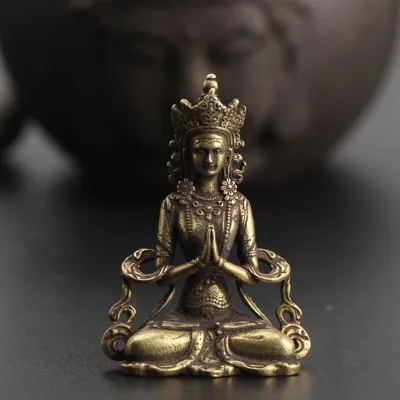
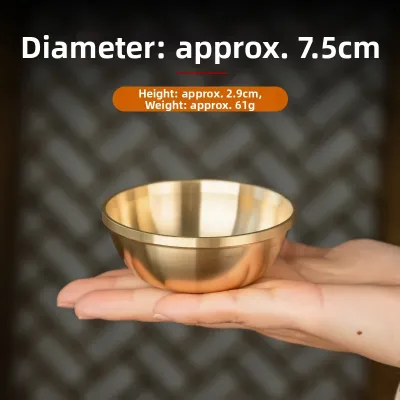
Prices are valid at publication and may change. Please refer to the product page for the latest price.
Understanding this core difference is vital for long-term maintenance. If a plated sculpture is scratched, the base metal is permanently exposed, often leading to unsightly silver or grey patches that cannot be polished away. Furthermore, solid brass holds its value over time and can be refinished, whereas plated alternatives generally have a shorter lifespan in a home collection and cannot be easily restored once the plating degrades.
Visual and Tactile Inspections You Can Do In-Store
Before performing any physical tests, a close visual inspection can reveal significant clues about a sculpture’s composition. Start by examining the seams, joints, and casting lines of the piece. Solid brass sculptures are typically cast as single pieces or welded with matching brass alloy, resulting in smooth, continuous transitions. Plated pieces, especially those mass-produced, often show tiny imperfections along the seams where the plating has failed to adhere perfectly, sometimes showing signs of peeling, flaking, or bubbling.

Next, turn the sculpture over and inspect the bottom, base, or any unpolished, recessed areas. Manufacturers rarely spend time polishing or perfectly plating the underside of a decorative object. If you see a silver, grey, or dark blackish metal peeking through grinding spots or tool marks on the base, you are likely looking at a plated base metal. Solid brass will show the same golden-yellow or naturally tarnished brown hue even in its unpolished, raw state.
Color and luster also offer subtle hints to an experienced eye. Solid brass has a deep, warm, and complex golden hue that reflects light with a soft richness. Brass plating, particularly on modern, inexpensive decor, often has an overly bright, uniform, and slightly yellow-green or artificial appearance. This is because the electroplated layer is incredibly thin and often coated with a high-gloss protective lacquer to prevent immediate tarnishing, giving it a plastic-like sheen rather than a true metallic glow.
Physical Tests: Weight, Magnetism, and Sound
When visual clues are not enough, a few simple physical tests can help you verify the metal’s true nature without causing any damage to the artwork.
Weight Check: Brass is a dense, heavy metal with a high specific gravity. When you pick up a solid brass sculpture, it should feel surprisingly heavy and substantial for its size. If a large, imposing figurine feels unusually light, it is likely hollow or cast from a lightweight material like aluminum, zinc, or resin, which has then been given a brass finish. Keep in mind, however, that some plated pieces use heavy cast iron cores, so weight should always be cross-referenced with other tests.
Magnet Test: This is one of the most reliable and easiest non-destructive tests you can perform. Solid brass is inherently non-magnetic. Place a small, strong magnet against various parts of the sculpture, perhaps wrapping the magnet in a soft cloth first to avoid scratching the finish. If the magnet sticks firmly to the surface, the piece is not solid brass; it has a ferrous core, such as steel or iron, underneath a thin brass plating. If the magnet does not stick at all, the piece is either solid brass or plated over a non-magnetic base metal like zinc, aluminum, or copper.
Sound Test: The acoustic properties of metals differ significantly. If you gently tap a solid brass sculpture with a soft wooden implement or your fingernail, it will produce a clear, ringing, bell-like resonance that vibrates for a couple of seconds. Plated pieces, especially those with resin cores or made of softer zinc alloys, will produce a dull, flat thud. Plated steel or iron might produce a high-pitched clink, but it will lack the warm, lingering resonance characteristic of solid brass.
Analyzing Patina, Tarnish, and Wear Patterns
The way a metal sculpture ages over time is a telltale sign of its true composition. In Singapore’s humid environment, chemical reactions between the metal and the air occur more rapidly. Solid brass naturally oxidizes when exposed to oxygen and moisture, gradually developing a dark, rich patina that ranges from deep brown to greenish-black. This tarnish is a surface-level reaction; it does not compromise the metal’s integrity and can be polished away with a dedicated brass cleaner to restore the original golden shine.
With a brass-plated sculpture, the aging process is quite different and often destructive. Because the plated layer is microscopic, normal handling and cleaning will eventually wear it away, particularly on high-contact areas like handles, noses, or outer edges. Once the plating wears off, the base metal underneath is exposed to the air. If the base is steel or iron, the humidity will cause it to rust, leaving orange-brown spots. If the base is zinc or aluminum, it may develop a dull white or grey powdery corrosion. Unlike solid brass, this wear cannot be polished away; attempting to polish it will only strip more of the remaining brass plating.
Be cautious of artificially aged pieces. Some modern manufacturers apply chemical washes to new plated items to mimic an antique patina. Look closely at these dark areas; if the patina looks painted on, sits entirely on top of a glossy lacquer, or rubs off easily with a damp cloth, it is likely an artificial finish designed to mask a cheaper plated core.
Evaluating Price, Documentation, and Seller Claims
Evaluating the context of your purchase is just as important as physical testing. Pricing is often a direct reflection of material quality. Solid brass is expensive to source, cast, and finish. If you find a large, intricate sculpture priced at a remarkably low rate—such as S$15 or S$20 on an online marketplace—it is almost certainly brass-plated or made of a resin composite. A genuine solid brass sculpture of the same size requires significant raw material and labor, which will be reflected in a much higher market price.
Carefully read all product descriptions, tags, and labels. Reputable sellers and manufacturers are usually transparent about their materials. Look for precise terminology. Phrases like “brass-finished,” “brass-tone,” “bronze-look,” or “gold-plated cast metal” are industry-standard indicators that the item is not solid brass. Conversely, look for explicit terms like “solid cast brass” or “100% brass.”
When shopping at antique shops, galleries, or independent artisan markets, do not hesitate to ask the seller directly about the material composition. Ask if they have documentation, manufacturer specifications, or certificates of authenticity. A knowledgeable and reputable dealer should be able to explain the history and material makeup of the piece, and they will usually welcome your non-destructive testing, such as the magnet test, to verify their claims.
When to Stop and Consult a Professional
While DIY testing is highly effective for everyday decor, there are times when you should step back and seek professional expertise. If you suspect a sculpture is a valuable antique, a rare collector’s item, or a significant financial investment, avoid taking matters into your own hands.
Never attempt destructive testing on a piece you do not own or one that holds potential antique value. Methods like filing a small notch, scratching a hidden area, or applying acid solutions can permanently disfigure the sculpture, ruin its historical patina, and void any return policies or warranties.
Instead, consult a certified antique appraiser, a professional metallurgist, or a reputable art dealer. These experts have access to advanced, non-destructive diagnostic tools, such as X-ray fluorescence (XRF) analyzers. An XRF test can determine the exact elemental composition of the metal through its surface layers without causing a single scratch, giving you clear verification before you finalize a major purchase.
Frequently Asked Questions (FAQ)
Can I use a scratch test to check for solid brass?
Scratching, filing, or sanding a sculpture to see the metal color underneath is highly discouraged. While a scratch test can reveal a silver base metal beneath brass plating, it permanently damages the artwork. On a plated piece, it ruins the finish and invites rust; on a solid brass piece, it destroys the valuable patina and surface detail. Stick to non-destructive methods like magnet and weight tests.
Does a heavy sculpture guarantee it is solid brass?
No, weight alone is not a guarantee. While solid brass is heavy, manufacturers often use heavy base metals like cast iron or solid zinc to give plated sculptures a premium, substantial feel. Some pieces even feature lead-filled cores to mimic the heft of solid metal. Always combine a weight check with a magnet test to rule out a ferrous iron core.
How do I clean a brass sculpture without ruining the finish?
Always check the manufacturer’s care instructions first. For general dust, use a soft, dry microfiber cloth. If cleaning is necessary, use mild soapy water, rinse thoroughly, and dry immediately to prevent water spots. Avoid harsh chemical polishes or abrasive pads; these can easily strip away thin brass plating or accidentally remove a valuable, natural patina on a solid brass piece.
Community discussion
Share your experience or ask a question. Comments are reviewed before publication.