
Purchasing 100 scented candles in bulk requires a careful balance between unit cost and sensory performance. Whether sourcing for a corporate event, wedding favors, or retail inventory, the primary challenge is securing a product that delivers a noticeable, pleasant fragrance without exceeding your budget. Achieving this balance depends on understanding raw materials, choosing the right supplier tier, and executing a rigorous testing process before committing to a large order.
To maximize value, you must look beyond the initial price tag and evaluate the physical components of the candle. A low-cost candle that fails to emit a scent when lit offers poor value, while an overly expensive artisan candle can quickly drain your budget. By focusing on wax formulations, fragrance concentrations, and sourcing channels, you can secure high-quality bulk candles that meet both your olfactory standards and your financial constraints.
Evaluating Fragrance Quality and Cost-Effectiveness
The foundation of any high-quality scented candle lies in its wax base, which directly influences both the burn time and the scent throw. Soy wax is a highly popular choice for bulk orders due to its clean burn and excellent ability to hold fragrance oils. It typically burns slower than paraffin wax, offering a longer-lasting product, though it may require a slightly higher initial investment. Paraffin wax, on the other hand, is highly cost-effective and known for an intense scent throw, but it can produce more soot if not formulated correctly. Many commercial manufacturers utilize soy-paraffin blends to capture the cost benefits and strong scent throw of paraffin alongside the clean-burning characteristics of soy.
Products mentioned in this guide
![[SG Stock] Premium Tealight Candle Buddha praying candle 100 pieces 4 hours](https://img.lazcdn.com/g/p/6b9bd993d86fafc4201d726c2f044079.jpg_400x400q80.jpg_.webp)
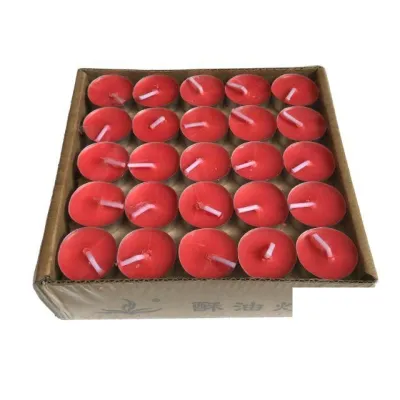
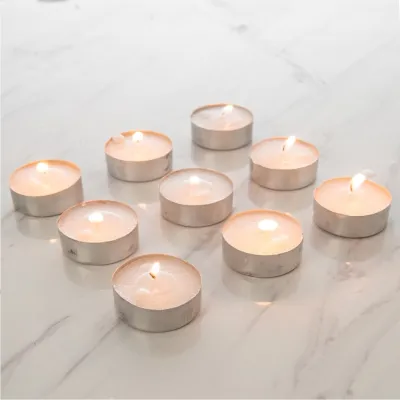
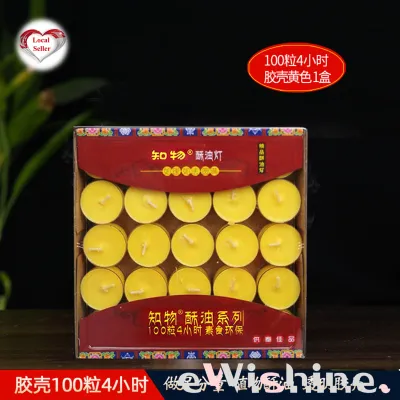
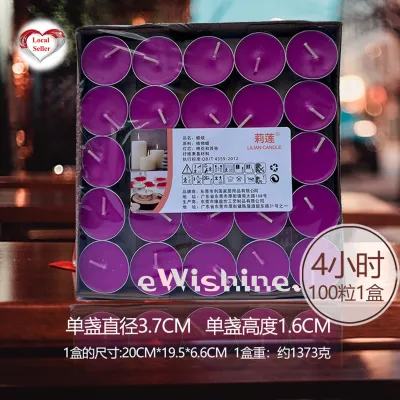
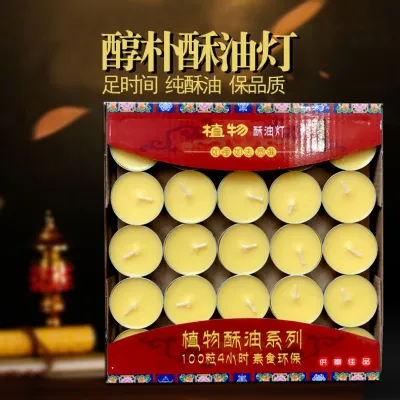
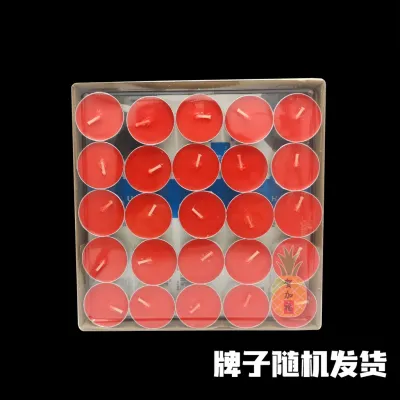
Prices are valid at publication and may change. Please refer to the product page for the latest price.
Fragrance oil concentration, often referred to as the fragrance load, is another critical factor in determining value. Most standard candles feature a fragrance load between 6% and 10% of the total wax weight. While a higher concentration generally yields a stronger scent, exceeding 10% can destabilize the wax, leading to oily residue on the surface or uneven burning. Additionally, you must distinguish between synthetic fragrance oils and natural essential oils. Synthetic oils are highly stable, offer a wider variety of complex scent profiles, and are significantly more cost-effective for bulk production. Essential oils, while appealing for natural branding, are highly volatile, degrade quickly under heat, and substantially increase the unit cost.
The choice of wick is equally vital to the candle’s performance and safety. A wick that is too small will cause “tunneling,” where the wax melts down the center and leaves a hard ring around the edges, wasting valuable material. Conversely, an oversized wick burns too hot, causing rapid wax consumption, excessive soot, and potential container cracking. For bulk orders, self-trimming cotton wicks or paper-core wicks are standard choices that provide a reliable, steady burn pool. Wood wicks offer a distinct aesthetic and a crackling sound, but they require precise user maintenance and can add a premium to the bulk price.
Where to Source 100-Piece Bulk Candles
When sourcing 100 pieces, local artisan candle studios offer a high degree of customization and direct quality control. Working with a local maker allows you to collaborate on custom scent profiles, select specific vessels, and ensure fresh production. This route is highly beneficial if you require bespoke branding or specific ingredient transparency. However, because artisan studios operate on smaller scales, their unit costs are typically higher, and their production capacity may be limited, requiring longer lead times.

For those prioritizing budget, wholesale distributors and B2B ecommerce platforms provide the lowest price per unit. These platforms connect buyers directly with large-scale manufacturers, making them ideal for simple, high-volume orders. The trade-off is a lack of personalization and highly variable quality control. When using these channels, you must navigate strict minimum order quantities (MOQs) and potential communication barriers. It is essential to verify the manufacturer’s credentials and request detailed material safety data sheets before finalizing a transaction.
Event and corporate gifting suppliers represent a middle ground, offering ready-made packaging and streamlined fulfillment services. These suppliers specialize in turnkey solutions, often including custom labels, gift boxes, and reliable delivery schedules. This option minimizes the administrative effort of coordinating packaging and shipping separately. The limitation lies in the scent selection, as gifting suppliers typically offer a restricted menu of standard fragrances, such as vanilla, lavender, or citrus, rather than complex, multi-layered blends.
Sampling and Verification Checklist for Bulk Orders
Before committing to a 100-piece order, executing a systematic sampling process is non-negotiable. Begin by ordering a small sample kit containing the exact wax blend, wick type, and fragrance profiles you intend to purchase. Evaluate the “cold throw”—the scent of the candle when unlit—to ensure it matches your expectations. Next, test the “hot throw” by burning the sample in the specific environment where it will be used, noting how quickly the fragrance fills the space and whether it remains pleasant over several hours.
During the test burn, closely observe the physical behavior of the candle to verify its safety and quality. A proper burn should create a full melt pool—where the liquid wax reaches the edges of the container—within two to three hours. Watch for “mushrooming,” which occurs when carbon buildup forms a dark, crusty cap on the tip of the wick, leading to large flames and soot. Excessive soot production or a flickering, unstable flame indicates poor wick calibration or low-quality fragrance oils, both of which are red flags for a bulk purchase.
Finally, verify that the candles comply with local safety and consumer goods standards. In Singapore, consumer products must meet safety requirements regarding flammability and labeling. Ensure each candle features a clear cautionary label on the base, detailing safe burning instructions, burn time limits, and ingredient disclosures. If the candles are housed in glass jars, confirm that the glass is specifically rated for high temperatures to prevent thermal shock and dangerous shattering during use.
Calculating Hidden Costs and Logistics
Evaluating the true value of a bulk order requires looking beyond the base unit price to calculate the total landed cost. When importing or shipping 100 candles, shipping fees can be substantial due to the weight of the wax and glass containers. You must also factor in the cost of protective packaging materials, such as bubble wrap and sturdy dividers, to prevent breakage during transit. It is wise to budget for a small breakage rate—typically 3% to 5%—and order a few extra pieces to ensure you have the exact quantity needed for your event or retail launch.
Storage is a critical logistical consideration, particularly in Singapore’s hot and humid tropical climate. Scented candles are highly sensitive to temperature fluctuations and high humidity. If stored in a non-air-conditioned space, soy wax candles can experience “sweating,” where the fragrance oils separate from the wax and pool on the surface. Prolonged exposure to heat can also cause the wax to soften, warp, or lose its fragrance potency. To preserve quality, bulk orders must be stored in a cool, dry, climate-controlled environment away from direct sunlight.
When negotiating with suppliers for a 100-piece order, several leverage points can help reduce overall expenses. While 100 units is a modest volume for large industrial manufacturers, it is a significant order for local artisans and mid-sized distributors. You can negotiate for waived local delivery fees, complimentary custom label printing, or the inclusion of matching matches or gift boxes. If you plan to make recurring purchases, discuss potential discounts on future orders or flexible payment terms to improve your cash flow.
Frequently Asked Questions (FAQ)
Can I mix different scents in a single 100-piece bulk order?
Supplier policies on mixing scents within a single bulk order vary based on their production methods. Large-scale wholesale manufacturers often require a minimum run of 50 to 100 pieces per specific scent profile to maintain production efficiency. However, local artisan makers and specialized gifting suppliers are usually more flexible, allowing you to split a 100-piece order into two or three distinct fragrances. When negotiating a mixed-scent order, clarify whether splitting the scents will incur additional setup fees or affect the bulk discount rate.
How far in advance should I order 100 candles for an event?
You should ideally place your bulk order six to eight weeks before your event date. This timeline allows approximately one to two weeks for sample delivery and testing, two to three weeks for production, and an additional week for the candles to cure. Curing is a crucial chemical process where the fragrance oil binds completely with the wax; burning a candle too soon after pouring results in a weak scent throw. Finally, allocate a two-week buffer to accommodate shipping transits, customs clearance, and potential replacements for any items damaged during delivery.

Community discussion
Share your experience or ask a question. Comments are reviewed before publication.