
Sourcing quality textured wall art in Singapore requires balancing aesthetic preferences with the practical realities of tropical living. Whether you are decorating a newly renovated HDB flat, a spacious condominium, or a landed home, textured art adds a tactile dimension that flat prints simply cannot replicate. To find the best pieces, you must evaluate sellers based on material transparency, framing quality, and their ability to withstand Singapore’s high humidity. By understanding how different textures interact with your home’s lighting and layout, you can confidently select artworks that elevate your space.
Defining Textured Wall Art and Its Visual Impact
Textured wall art is defined by its physical, three-dimensional surface, which stands out from the canvas or substrate. Unlike flat, two-dimensional prints that rely on optical illusions to suggest depth, true textured art utilizes physical mediums to create a tactile landscape. Common techniques include impasto—where thick layers of acrylic or oil paint are applied with palette knives—as well as mixed-media compositions incorporating plaster, gesso, sand, paper, or carved wood. These materials physically project into the room, turning the artwork into a dynamic sculpture that changes throughout the day.
The visual impact of these pieces is heavily dependent on how they interact with light. Ambient room lighting and directional accent lights play a crucial role in defining the artwork’s character. When light hits the raised edges of a plaster or impasto painting, it casts subtle shadows across the recessed areas, creating a sense of depth and movement. Grazing light, which strikes the surface at an acute angle, is particularly effective at highlighting fine details and dramatic ridges. Conversely, direct, flat lighting can wash out these shadows, making the texture appear less pronounced.
Products mentioned in this guide
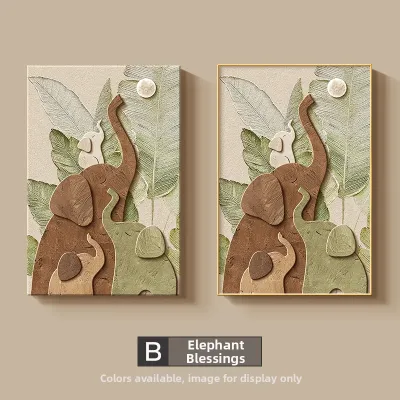
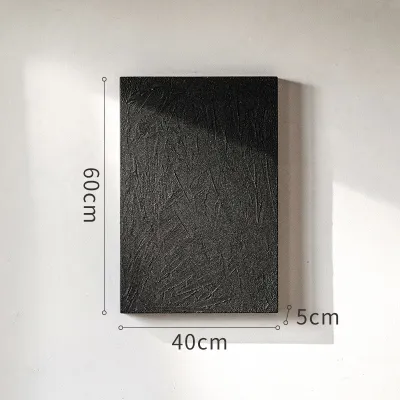
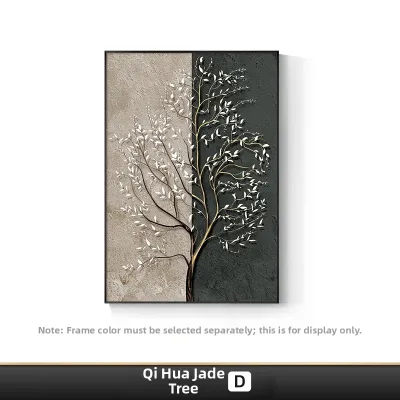
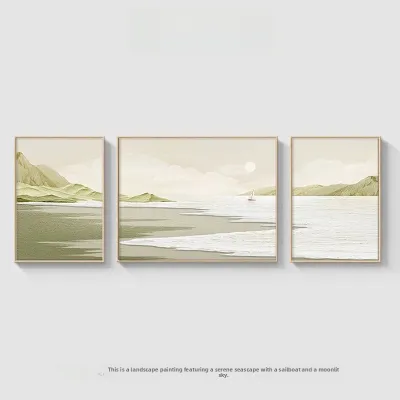
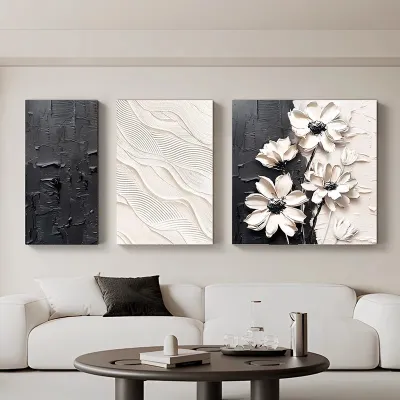
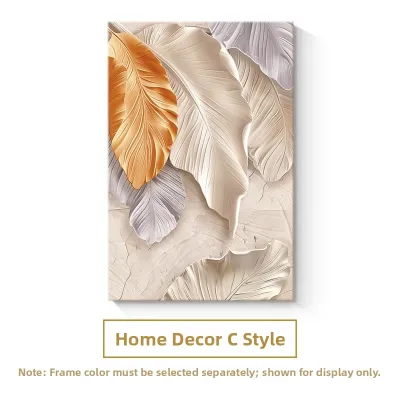
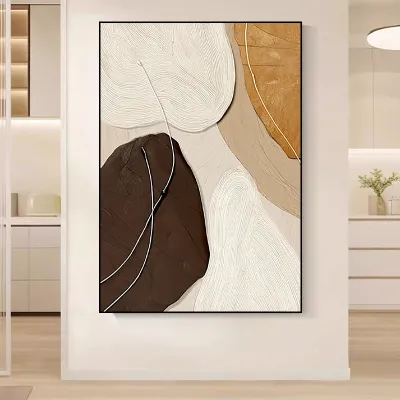
Prices are valid at publication and may change. Please refer to the product page for the latest price.
When selecting textured art for Singapore homes, scale and proportion are critical considerations. Many local apartments feature standard ceiling heights of 2.6 to 2.8 meters, which can feel cramped if dominated by overly massive or aggressive textures. A large, heavily textured piece with deep ridges can visually crowd a small living room, making the walls feel as though they are closing in. For smaller spaces, subtle textures with lower profiles are often more appropriate, whereas spacious double-volume ceilings in landed properties or loft apartments can easily accommodate bold, high-relief masterpieces.
How to Evaluate Wall Art Brands and Sellers
Finding a reliable provider of textured wall art in Singapore involves looking past marketing claims and focusing on material transparency. Reputable sellers and artisanal brands should clearly disclose the exact mediums, substrates, and framing materials used in their creations. For instance, a high-quality plaster piece should be built on a sturdy, warp-resistant substrate like sealed medium-density fibreboard (MDF) or heavy-duty canvas with professional bracing. If a seller cannot specify what materials are used to prevent the texture from cracking or peeling, it is best to look elsewhere.

Craftsmanship guarantees and shipping policies are equally important when purchasing delicate 3D art. Textured pieces, particularly those made with plaster, clay, or delicate mixed media, are highly susceptible to damage during transit. Before committing to a purchase, verify the seller’s return and replacement protocols for damaged goods. A reliable brand will offer robust packaging—such as custom wooden crates or thick, multi-layered foam wrapping—and provide clear recourse if the artwork arrives with chips, cracks, or structural damage.
Customer reviews offer invaluable insights into the real-world durability of a brand’s products. When browsing reviews, look specifically for mentions of packaging quality, color accuracy under home lighting, and how well the texture holds up over time. In Singapore’s humid climate, poorly prepared plaster or low-grade adhesives can degrade, leading to flaking or mold growth. Reviews that confirm the artwork arrived intact and remained stable after several months of display are strong indicators of a brand’s commitment to quality.
Pairing Textures with Popular Interior Design Styles
Integrating textured wall art into your home requires a thoughtful approach to visual balance. The primary rule of thumb is to balance the physical weight of the texture with the existing visual weight of the room. A space filled with heavy, dark furniture and busy patterns may benefit from a simpler, more monochromatic textured piece, while a minimalist room can use a highly tactile artwork as its central focal point.
Minimalist and Scandinavian Interiors
In Minimalist and Scandinavian (Japandi) homes, textured wall art serves as an excellent way to introduce warmth and character without cluttering the visual field. For these styles, look for artworks featuring subtle canvas weaves, fine-grain neutral plaster, or light, natural wood grains. These textures add depth through shadow rather than color, maintaining the clean, serene atmosphere characteristic of Nordic design.
To keep the aesthetic cohesive, opt for muted color palettes such as soft beiges, warm whites, oatmeal, and light greys. The physical texture itself should provide the primary visual interest, allowing the artwork to blend seamlessly into the wall while still offering a tactile point of focus when caught by the light.
Industrial and Urban Loft Spaces
Industrial and urban loft designs thrive on raw, structural, and metallic elements, making them the perfect backdrop for bolder, more rugged textured art. For these spaces, consider mixed-media pieces that incorporate metallic leafing, concrete-effect plasters, or reclaimed wood elements. These materials harmonize beautifully with exposed brickwork, concrete screed floors, and matte black steel fixtures.
Scale is particularly important in industrial interiors, which often feature larger wall surfaces and higher ceilings. Small, delicate artworks can easily get lost in these expansive environments. Instead, opt for oversized, high-relief canvases or multi-panel triptychs that possess enough visual weight to anchor the room and complement the raw architectural features.
Bohemian and Eclectic Rooms
Bohemian and eclectic interiors embrace a relaxed, globally inspired aesthetic that celebrates layers, patterns, and organic materials. In these rooms, textured wall art can take the form of woven textiles, intricate macrame, natural rattan panels, or heavily layered mixed-media canvases featuring organic elements like dried botanicals or coarse sand.
Rather than relying on a single focal piece, eclectic spaces often benefit from grouping multiple textured artworks together to create a curated gallery wall. To keep the arrangement cohesive, look for pieces that share a common thread, such as a similar color story or complementary natural materials, while varying the physical textures to create a rich, sensory experience.
Navigating Retail and Online Shopping Channels
When sourcing textured wall art in Singapore, buyers must choose between the tactile reassurance of physical showrooms and the convenience of online platforms. Visiting physical galleries and design showrooms—such as those located in local design hubs like the Tan Boon Liat Building or boutique framing shops in Outram—allows you to inspect the artwork in person. This physical inspection is highly recommended for textured art, as it lets you observe the true depth of the ridges, feel the weight of the materials, and see how the colors shift under different lighting conditions.
If you choose to shop via specialized online decor platforms or curated e-commerce marketplaces, you must employ specific strategies to ensure quality. Because flat product photos rarely capture the true depth of 3D art, always ask the seller for close-up, high-resolution photos or video walkthroughs taken under natural light. Some premium online brands also offer material samples or swatches for a small fee, allowing you to test the texture and color against your walls before committing to a full-sized piece.
Additionally, it is crucial to verify the shipping origin of your artwork. Importing heavy, oversized, or fragile textured pieces from overseas can lead to high freight costs, potential customs delays, and unexpected import taxes (GST). Artworks shipped over long distances are also at a much higher risk of sustaining damage from rough handling or temperature fluctuations in cargo holds. Sourcing from brands that manufacture, frame, or assemble their pieces locally in Singapore not only minimizes transit risks but also simplifies the return or repair process if any issues arise.
Installation, Lighting, and Maintenance Basics
Properly displaying and maintaining your textured wall art ensures its longevity and maximizes its visual impact. Because textured pieces often incorporate heavy materials like plaster, wood, or metal, safe installation is paramount. Singapore homes predominantly feature concrete structural walls, which require a masonry drill, plastic wall plugs (anchors), and heavy-duty screws to secure heavy items. If you are mounting art on a drywall partition, you must locate the studs or use specialized toggle bolts. For exceptionally heavy, oversized, or complex installations, always stop and consult a qualified professional hanging service to prevent damage or injury.
Once securely mounted, the placement of your lighting will determine how well the texture is showcased. To enhance the three-dimensional effect, position adjustable track lights or ceiling-mounted spotlights so that the light washes down or across the artwork at an angle of 30 to 45 degrees. This creates the necessary shadows to give the piece depth. Avoid placing high-intensity halogen bulbs too close to the artwork, as the heat can cause acrylic mediums to soften or plaster to crack over time; instead, opt for cool-operating, high-CRI (Color Rendering Index) LED bulbs.
Regular maintenance is essential to keep textured art looking its best, as dust easily accumulates in the deep crevices of 3D surfaces. For general cleaning, use a clean, dry, soft-bristled brush—such as a makeup brush or a specialized anti-static duster—to gently dislodge dust from the textured valleys. Alternatively, a can of compressed air held at a safe distance can blow away loose particles. Never use wet cloths, damp sponges, or harsh chemical cleaning solutions on unglazed plaster or mixed-media canvases, as moisture can dissolve water-soluble binders, warp the substrate, or cause mold. Always check the manufacturer’s care label before attempting any cleaning.
Frequently Asked Questions (FAQ)
Can textured wall art be used in high-humidity areas like bathrooms?
Whether textured wall art can be safely displayed in a bathroom depends entirely on the specific materials used and the manufacturer’s specifications. Standard plaster, unsealed canvas, and wood-based artworks are highly susceptible to warping, cracking, and mold growth when exposed to persistent moisture. If you wish to place art in a bathroom, ensure the space is exceptionally well-ventilated, check the product label for explicit moisture-resistance ratings, or opt for specialized materials like sealed metal reliefs or glass-encased textured prints that protect the medium from direct humidity.
How do I clean heavily textured or 3D wall art without damaging it?
To clean heavily textured or 3D wall art safely, avoid using water, liquid cleaners, or abrasive cloths, which can degrade the delicate surface or leave lint behind. Instead, use a soft-bristled brush, such as a clean goat-hair brush or a soft cosmetic brush, to gently sweep dust out of the crevices. For deep or intricate textures, a can of compressed air—sprayed in short, gentle bursts from at least 30 centimeters away—is highly effective at clearing dust without physical contact. Always refer to the manufacturer’s specific care instructions before applying any cleaning method.

Community discussion
Share your experience or ask a question. Comments are reviewed before publication.