
Finding the perfect balance between spiritual devotion and modern apartment living is a common challenge for many homeowners in Singapore. In a typical Housing & Development Board (HDB) flat, where floor area is at a premium, dedicating an entire room to a traditional pooja setup is rarely feasible. Fortunately, the best prayer altar designs for HDB pooja rooms are those that maximize vertical space, incorporate smart ventilation, and blend seamlessly with compact layouts. By choosing wall-mounted shelves, concealed cabinet altars, or multi-functional modular units, you can create a serene, sacred sanctuary without compromising the flow and functionality of your living space.
Designing a prayer space in a high-rise apartment requires a thoughtful approach to layout, materials, and safety. Unlike larger landed properties, HDB flats demand creative spatial planning to ensure that your altar remains a respectful, peaceful focal point. Whether you are moving into a brand-new Build-To-Order (BTO) flat or renovating a spacious resale apartment, understanding how to adapt traditional altar requirements to modern structural constraints is the first step toward creating a harmonious home.
Assessing Space and Layout Constraints in Your Flat
Before purchasing or custom-building a prayer altar, you must thoroughly evaluate the physical dimensions and structural characteristics of your HDB flat. Newer BTO flats often feature compact layouts with open-plan living and dining areas, while older resale flats may offer more generous footprints but present unique structural quirks. Start by using a high-quality measuring tape to map out both the floor area and the vertical wall space of your intended zone. If floor space is limited, shifting your focus upward to vertical wall space allows you to preserve valuable walking paths and keep the room feeling open.
Products mentioned in this guide
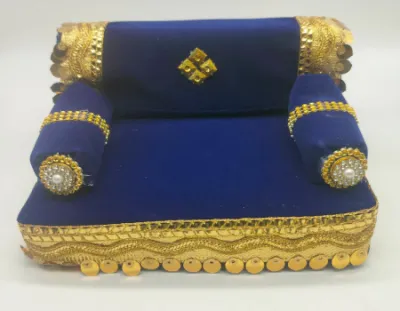
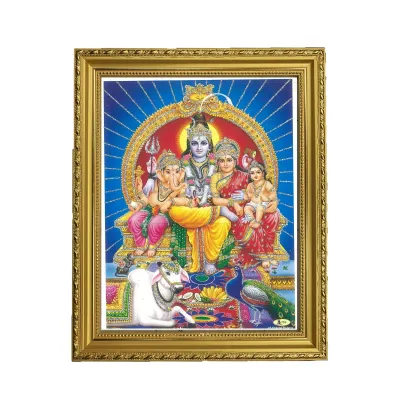
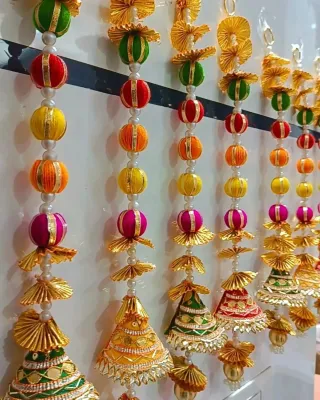

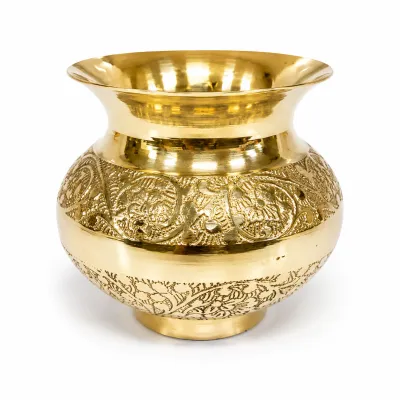
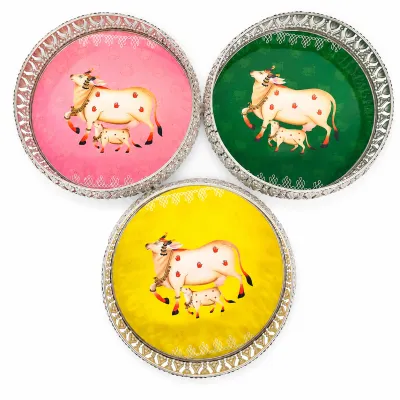
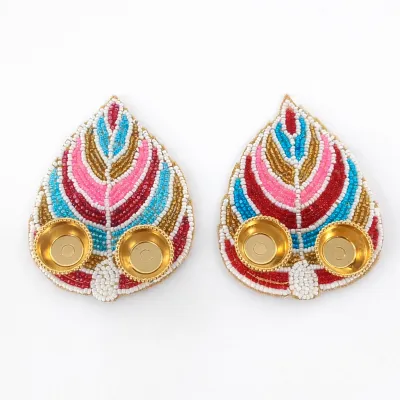
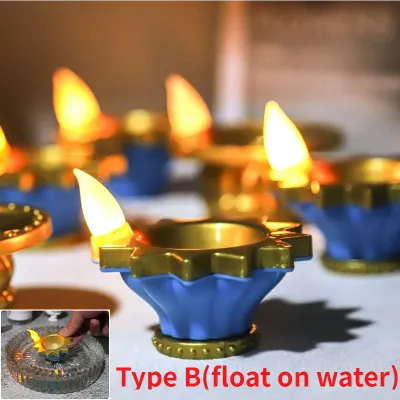
Prices are valid at publication and may change. Please refer to the product page for the latest price.
Ventilation is another critical factor when planning your altar layout. Traditional prayers often involve burning incense sticks, dhoop, or oil lamps, which release smoke and heat into the air. Placing an altar in a stagnant corner or a tightly enclosed room can quickly lead to poor indoor air quality and soot-stained walls. Ideally, position your altar near a window, a balcony door, or an area with consistent airflow to allow smoke to dissipate naturally. Avoid placing the altar directly beneath air conditioning vents, as the downward draft can extinguish oil lamps or scatter ash.
Finally, you must consider the structural limitations of high-rise concrete buildings. HDB flats are constructed using a mix of load-bearing structural walls and non-load-bearing partition walls. Structural walls are made of thick, reinforced pre-cast concrete, which requires a heavy-duty rotary hammer drill to penetrate. Partition walls, on the other hand, may consist of drywall or lightweight concrete blocks that cannot support heavy loads without proper anchoring systems. Before planning a wall-mounted altar, consult your flat’s official floor plan to identify wall types and ensure you comply with drilling and mounting restrictions.
Comparing Space-Saving Prayer Altar Designs
When space is limited, selecting the right structural configuration for your altar is essential. Modern furniture designers and carpenters have developed several innovative layouts specifically tailored for compact apartments. These designs prioritize verticality, hidden storage, and dual-purpose functionality, allowing you to maintain a dedicated sacred space without cluttering your home.

To help you evaluate the best option for your household, the table below compares the three primary space-saving altar configurations based on their physical footprint, storage capacity, installation complexity, and ideal user profiles:
| Altar Design Type | Floor Footprint | Storage Capacity | Installation Complexity | Best Suited For |
|---|---|---|---|---|
| Wall-Mounted / Floating | Zero (Wall-only) | Minimal (1-2 small drawers) | Moderate to High (Requires secure wall anchoring) | Minimalist setups, single idols, and narrow corridors |
| Cabinet-Style / Concealed | Small to Medium | Moderate to High (Shelves and drawers) | Low (Floor-standing) to High (Custom built-in) | Homes requiring privacy, pet owners, and multi-use rooms |
| Modular / Multi-Functional | Medium | High (Integrated with home furniture) | High (Often requires custom carpentry) | Open-concept living rooms and integrated storage needs |
Wall-Mounted and Floating Altars
Wall-mounted and floating altars are highly popular among Singaporean homeowners due to their ability to free up valuable floor space. By elevating the sacred area, these designs create an airy, spacious feel in narrow corridors, entryways, or compact living rooms. A floating shelf design allows you to position the altar at the exact height required for your prayer rituals, whether you prefer standing or sitting on a low stool during prayers.
However, floating altars require careful attention to weight capacity and structural support. Heavy brass idols, stone sculptures, and large metal oil lamps can exert significant downward force on a wall shelf. To prevent sagging or structural failure, you must use heavy-duty L-brackets or concealed steel support rods anchored securely into a solid concrete wall. If you must mount the altar on a drywall partition, you must locate the internal metal or timber studs using a stud finder and fasten the brackets directly into the studs rather than the plasterboard alone.
From a design perspective, floating altars work best for minimalist prayer setups. They are ideal for holding a small selection of lightweight idols, a single framed picture, and a compact incense holder. To keep the visual impact clean and uncluttered, look for floating units that feature a slim, integrated drawer underneath the main shelf to store daily essentials like matchboxes, prayer beads, and small bottles of oil.
Cabinet-Style and Concealed Altars
Cabinet-style and concealed altars feature doors or folding screens that allow you to close off the prayer space when it is not in active use. This design is highly practical for multi-functional rooms, such as a combined living-dining area or a study, where you may want to maintain a clean, streamlined aesthetic. Concealing the altar also protects sacred items from dust, curious pets, and active toddlers, ensuring the space remains pristine and undisturbed.
When opting for an enclosed cabinet design, proper ventilation is paramount. Burning incense or oil lamps inside a closed wooden cabinet can trap heat and smoke, leading to charred wood, blistered paint, and a buildup of stubborn soot. To mitigate this risk, look for cabinets equipped with pull-out trays or extendable shelves. This allows you to slide the incense burner and oil lamps outside the cabinet enclosure during active prayers and slide them back inside once they have cooled down completely. Additionally, choosing cabinet doors with laser-cut jali patterns or louvers ensures continuous airflow even when the doors are closed.
To ensure your concealed altar blends beautifully with your home decor, coordinate the cabinet’s exterior finish with your existing furniture. If your living room features light oak wood tones and clean lines, select an altar cabinet with a matching laminate or veneer finish. Opting for high-quality, durable hinges—such as soft-close hydraulic hinges or heavy-duty piano hinges—will ensure the doors operate smoothly and withstand years of daily opening and closing.
Modular and Multi-Functional Units
Modular and multi-functional altars are designed to integrate seamlessly with your existing home furniture, such as TV consoles, bookshelves, or room dividers. This approach is particularly effective in open-concept HDB flats, where furniture often serves multiple purposes. For example, a custom-built floor-to-ceiling bookshelf can feature a dedicated, beautifully lit niche in the center to serve as your pooja altar, while the surrounding shelves house books, decorative items, and family photos.
The key to a successful multi-functional setup is balancing the sacred nature of the altar with everyday household storage. To maintain proper reverence, ensure that the altar section is physically demarcated from the rest of the unit, perhaps through a distinct wood finish, a decorative arch, or dedicated accent lighting. Avoid storing mundane household items, electronics, or footwear directly adjacent to or beneath the sacred niche.
Modular units also offer excellent customization options, allowing you to adjust shelf heights, swap out decorative back panels, or add modular drawer units as your collection of prayer items grows. Because these units are often tall and top-heavy, structural stability is a critical safety concern. Always secure tall modular units to the wall using heavy-duty anti-tip brackets to prevent them from accidentally toppling over during daily use or cleaning.
Choosing Materials and Decor for Compact Pooja Rooms
Selecting the right materials for your HDB prayer altar is crucial for ensuring long-term durability, safety, and ease of maintenance. The materials you choose must be able to withstand daily exposure to heat from oil lamps, moisture from water offerings, and soot from incense sticks.
Solid wood remains the traditional and most preferred material for prayer altars due to its natural warmth, longevity, and spiritual significance. Hardwoods like teak and rosewood are highly durable and naturally resistant to moisture and warping, making them excellent investments. However, solid wood is heavy and requires regular polishing to maintain its luster. For a more budget-friendly and lightweight alternative, high-quality engineered wood, such as marine-grade plywood finished with high-pressure laminates, offers excellent resistance to moisture and scratches. Avoid cheap particleboard or low-grade MDF, as these materials can swell and degrade rapidly when exposed to humidity or accidental liquid spills.
To keep your altar looking pristine, prioritize easy-to-clean finishes. Soot, oil splatters, and yellow turmeric stains are common byproducts of daily rituals. Applying a clear, heat-resistant polyurethane or melamine protective coating over wooden surfaces makes it simple to wipe away residue with a damp microfiber cloth. For the altar countertop, where oil lamps and offering bowls are placed, consider installing a thin slab of quartz, tempered glass, or polished granite. These non-porous materials are highly heat-resistant, completely impervious to oil stains, and can be wiped clean in seconds.
Incorporating traditional design elements into a compact space requires a delicate touch to avoid visual clutter. Instead of heavy, ornate carvings that can overwhelm a small room, opt for subtle traditional motifs. A laser-cut acrylic or wooden back panel featuring a geometric mandala or a delicate jali pattern adds depth and elegance without taking up physical space. Backlighting these panels with soft LED strip lights creates a beautiful, glowing silhouette that enhances the spiritual ambiance of your home.
Planning Lighting and Electrical Safety
Proper lighting is essential for creating a warm, inviting, and serene atmosphere in your pooja room. In compact HDB flats, where natural light may not always reach the designated prayer corner, artificial lighting plays a pivotal role in highlighting sacred idols and decorative details.
Low-heat light-emitting diode (LED) fixtures are the safest and most efficient choice for illuminating small prayer altars. Traditional incandescent or halogen bulbs emit significant amounts of heat, which can dry out wooden structures, melt wax candles prematurely, or damage delicate fabrics and painted idols. In contrast, LEDs remain cool to the touch even after hours of continuous operation. Opt for warm white LEDs (ranging from 2700K to 3000K) to cast a soft, golden glow that mimics the natural warmth of traditional oil lamps, creating a peaceful environment conducive to meditation and prayer.
When planning your electrical layout, prioritize safety and neatness. Avoid running loose, exposed wires across high-traffic walkways, as they present a significant tripping hazard and can be accidentally yanked, damaging your lighting fixtures. Use adhesive cable clips or plastic surface-mount trunking to route cables discreetly along baseboards and wall corners. Ensure that your altar is positioned close to an existing electrical outlet to avoid the need for long, unsightly extension cords.
Overloading electrical sockets is a common hazard in home setups. If your altar incorporates multiple electrical elements—such as LED strip lights, spotlight fixtures, and digital prayer chanting players—plug them into a high-quality, fused multi-outlet power strip with built-in surge protection. Most importantly, keep all electrical connections, plugs, and power strips physically separated from areas where water offerings are placed or where oil lamps are lit to eliminate the risk of short circuits or electrical fires.
Installation Safety and Routine Maintenance
Ensuring the physical safety of your prayer altar is paramount, particularly in high-rise apartments where space is shared closely with family members. Before installing any wall-mounted unit or placing a heavy floor-standing altar, you must verify the load-bearing capacity of your walls and floors. Heavy stone altars made of marble or granite, as well as large solid teak units, can easily weigh upwards of 30 to 50 kilograms. For wall-mounted installations of this scale, always engage a qualified professional contractor to assess the wall structure and install heavy-duty steel sleeve anchors or rawlplugs. If there is any doubt about a partition wall’s strength, opt for a floor-standing design instead.
Fire safety is another critical consideration that should never be overlooked. When positioning oil lamps, candles, or incense holders, ensure there is a minimum vertical clearance of at least 30 to 45 centimeters between the flame and any overhanging wooden shelves, ceilings, or decorative fabrics. Keep flammable items, such as paper prayer books, cotton wicks, matchboxes, and decorative plastic garlands, stored safely inside closed drawers away from open flames. Never leave lit oil lamps or burning incense unattended; if you must leave the room, ensure they are placed in a deep, heat-resistant brass or clay tray that can safely catch falling ash or accidental spills.
Establishing a routine maintenance schedule will keep your prayer altar beautiful and safe for years to come. Soot and oil residue can accumulate quickly on adjacent walls and ceilings, leading to unsightly dark patches. To prevent this, wipe down the walls surrounding your altar weekly using a soft sponge and a mild, non-abrasive detergent solution. For the altar itself, a quick daily dusting followed by a weekly deep clean with a damp cloth will prevent dust and oil from hardening into stubborn grime. If you have a solid wood altar, applying a dedicated wood polish or wax once every few months will nourish the timber and preserve its natural grain.
Frequently Asked Questions (FAQ)
Can I install a heavy stone or solid wood altar in an HDB flat?
Yes, you can install heavy stone or solid wood altars in an HDB flat, but you must pay close attention to structural weight limits and mounting methods. Floor-standing units are highly recommended for heavy materials like marble, granite, or solid teak, as the concrete floor slabs of HDB flats are designed to support substantial residential loads. However, if you plan to mount a heavy altar on a wall, it must be anchored directly into a structural concrete wall using heavy-duty steel sleeve anchors. Never attempt to mount a heavy stone or solid wood altar onto a standard drywall partition, as the wall will not be able to support the weight and may collapse. If you are unsure about your wall’s load-bearing capacity, always consult a qualified professional contractor or a structural engineer before proceeding with the installation.
How do I manage incense smoke in a small, enclosed room?
Managing incense smoke in a compact HDB flat is essential for maintaining good indoor air quality and preventing soot buildup. The most effective strategy is to position your altar near a window or balcony door to encourage natural cross-ventilation. If your prayer area is located in an enclosed corner, consider installing a small wall-mounted exhaust fan or placing a compact air purifier equipped with a True HEPA and activated carbon filter directly next to the altar. The carbon filter is highly effective at absorbing smoke odors and volatile organic compounds, while the HEPA filter captures fine airborne ash particles. Alternatively, you can switch to modern low-smoke or smokeless incense sticks, or use electric incense burners and flameless LED tealights for daily rituals, reserving traditional incense for special festive occasions.
Are there specific renovation guidelines for building a custom pooja room?
Yes, any custom renovation work in an HDB flat must comply with strict housing authority guidelines. If your custom pooja room design involves hacking or altering existing walls to create a dedicated niche, you must obtain a formal hacking permit through an HDB-registered renovation contractor. You are strictly prohibited from hacking or drilling into structural walls, columns, or beams, which are vital to the building’s integrity. Additionally, your custom carpentry must not block access to essential utility meters, electrical distribution boards, or the household shelter door. If you plan to install a custom glass partition or sliding doors for your pooja room, ensure the glass used is tempered safety glass to comply with local safety standards. Always verify that your chosen contractor is registered with the relevant housing authorities before commencing any structural modifications.
Community discussion
Share your experience or ask a question. Comments are reviewed before publication.