
To achieve comfortable ambient light using spotlights, select a wide beam angle of 60 degrees or greater and a warm-to-neutral colour temperature between 2700K and 4000K. While spotlights are traditionally associated with narrow, dramatic beams, choosing the correct technical specifications allows them to distribute soft, even illumination. By focusing on wide-angle dispersion and bouncing the light off walls or ceilings, you can establish a glare-free foundation for your indoor lighting scheme.
Understanding Ambient Lighting vs. Accent and Task Lighting
Ambient lighting serves as the primary source of illumination in a room, providing a uniform level of light that allows occupants to navigate the space safely. Unlike task lighting, which focuses high-intensity beams on work surfaces, or accent lighting, which draws attention to specific features like artwork, ambient light is designed to be unobtrusive and widespread. It establishes the baseline brightness of an indoor environment, reducing contrast and softening harsh shadows.
Using standard spotlights for ambient purposes requires a shift in strategy. Traditional spotlights emit narrow, concentrated beams that create high-contrast pools of light and dark areas. If pointed directly downward, these fixtures can cause intense glare. To adapt spotlights for ambient use, the goal is to achieve soft, diffused light that fills the room evenly without creating distracting hot spots.
Products mentioned in this guide
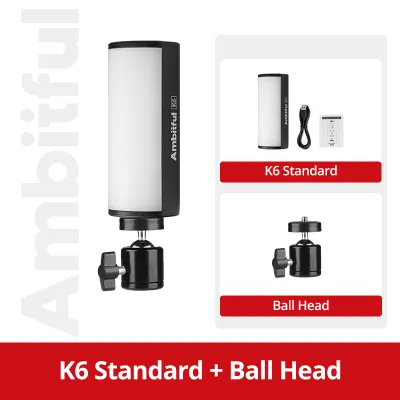
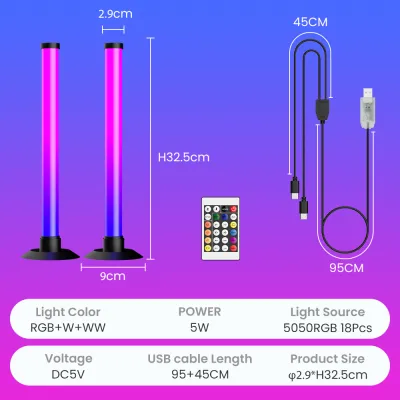
Prices are valid at publication and may change. Please refer to the product page for the latest price.
Choosing the Right Beam Angle for Ambient Light
The beam angle of a light fixture determines how wide the light spreads from the source. Narrow beam angles, typically ranging from 15 to 36 degrees, concentrate light into a tight cone, making them excellent for accentuating specific decorative items but unsuitable for general illumination. For ambient light, you need a wide beam angle, generally classified as 60 degrees or wider, often labeled as a “wide flood” by manufacturers.

To maximize the ambient effect, position and aim these wide-beam spotlights toward vertical surfaces or the ceiling rather than pointing them straight down. Bouncing the light scatters the rays, transforming a directional beam into a soft, indirect glow that fills the room. When purchasing fixtures, always check the manufacturer’s product specifications for the exact beam angle in degrees, as generic terms like “spot” can vary significantly between brands.
Selecting Colour Temperature for a Comfortable Ambience
Colour temperature, measured on the Kelvin (K) scale, dictates the visual warmth or coolness of the light. Lower Kelvin values, such as 2700K to 3000K, produce a warm white light that mimics traditional incandescent bulbs, creating a cozy and inviting atmosphere. Higher Kelvin values, such as 4000K and above, produce a neutral-to-cool white light that feels clean and energizing. When choosing a colour temperature for ambient light, consider the primary function of the room. Living rooms and bedrooms generally benefit from a warm white temperature of 2700K to 3000K to promote relaxation. Kitchens and home offices often require a neutral white temperature of 3500K to 4000K, which provides clear visibility for daily tasks. Before finalizing your selection, verify the colour temperature of any existing light sources in the same room. Mixing highly contrasting temperatures in the same visual field can cause visual fatigue and disrupt the aesthetic harmony of your home.
Balancing Lumens and Light Distribution
When planning ambient light, it is essential to distinguish between lumens and lux. Lumens measure the total amount of light emitted by a bulb, while lux measures the intensity of light that actually reaches a specific surface. Because indirect lighting relies on bouncing light off walls or ceilings, some of the light output is naturally absorbed by these surfaces. Consequently, you may need fixtures with a slightly higher lumen rating to achieve the same perceived brightness as direct downlights. To maintain complete control over your environment, integrate dimmable drivers and compatible dimmer switches into your spotlight system. Dimming allows you to adjust the ambient light levels to match different times of day, transitioning from bright, functional daytime light to a soft, low-intensity glow in the evening. Always verify that your selected LED spotlights, drivers, and wall switches are fully compatible to avoid issues like flickering or limited dimming ranges.
Installation and Positioning Checks for Spotlights
Proper placement is critical to ensuring your spotlights deliver comfortable ambient light without causing visual discomfort. Position the fixtures so that the light source is not in the direct line of sight of anyone sitting or resting in the room. This is especially important in living rooms and dining areas, where exposed bulbs can cause uncomfortable glare. Before purchasing or installing your lighting system, perform physical and electrical checks. Verify that your ceiling has sufficient structural depth and clearance for recessed fixtures, keeping them away from insulation as specified by the manufacturer. Ensure that your ceiling or track system can safely support the weight of the selected fixtures. Confirm that the voltage of the fixtures matches your home’s electrical supply, and verify the base interface, maximum wattage limits, and electrical safety certifications. For any fixed wiring, track mounting, or work at heights, always isolate the power at the main distribution board before starting. Consult a qualified professional electrician to handle the installation, ensuring compliance with local electrical safety standards.
Frequently Asked Questions (FAQ)
Can I use the same spotlights for both ambient and accent lighting?
Using a single spotlight fixture for both ambient and accent lighting simultaneously presents significant trade-offs. A fixed-beam spotlight cannot easily serve both purposes because a narrow beam required for accenting will not spread wide enough for ambient light, while a wide ambient beam will spill light far beyond the object you wish to highlight. However, you can achieve both effects within the same space by using an adjustable track lighting system. This setup allows you to mount wide-beam fixtures for general ambient light alongside narrow-beam fixtures aimed at specific features, provided you do not exceed the track’s total wattage and weight limits.
Do I need special bulbs for ambient track lighting?
You do not need specialized bulbs, but you must carefully verify compatibility with your existing track fixtures. Before purchasing replacement bulbs, check the fixture’s base type (such as GU10 or MR16), the operating voltage, and the maximum wattage limits allowed by the manufacturer. To achieve the desired ambient effect, ensure the replacement bulbs feature a wide beam angle of 60 degrees or more and match the colour temperature of other light sources in the room. If you plan to dim the lights, verify that the bulbs are explicitly labeled as dimmable and are compatible with your dimming system.
Community discussion
Share your experience or ask a question. Comments are reviewed before publication.