
A modern minimalist home thrives on intentionality, where every decorative element serves a clear purpose and visual clutter is systematically eliminated. To complement this aesthetic, the ideal square photo frame styles are those featuring ultra-slim profiles, neutral matte finishes, and clean, unembellished lines. These designs—ranging from thin metal borders to frameless acrylic blocks—ensure that the frame remains secondary to the artwork itself, preserving the calm, open atmosphere of your living space. In contemporary apartments, where natural light and clean walls define the interior layout, selecting the right frame style helps anchor your visual memories without overwhelming the room’s architecture.
Defining the Minimalist Aesthetic for Square Frames
Minimalism is not merely about having fewer items; it is about the quality and structural simplicity of the items you choose to display. When evaluating a square photo frame, the first element to inspect is the profile shape. True minimalist frames reject decorative bevels, ornate carvings, step-patterns, or traditional gold-leaf filigree. Instead, they rely on flat, straight faces and sharp 90-degree corners that mirror the geometric precision of modern architecture.
Color plays an equally critical role in maintaining a minimalist environment. The frame should either blend seamlessly into the wall or provide a highly controlled, graphic contrast. Neutral tones such as matte black, stark white, soft grey, and muted metallic finishes are the standard palette. These colors do not compete with the artwork or the surrounding decor, allowing the eye to focus entirely on the curated image inside.
Products mentioned in this guide

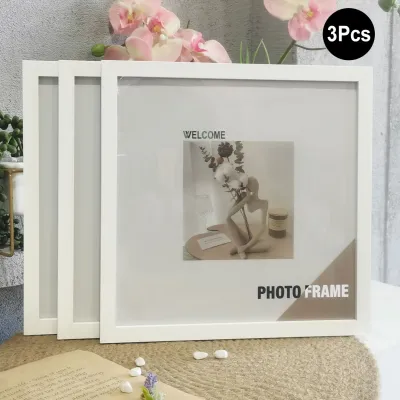
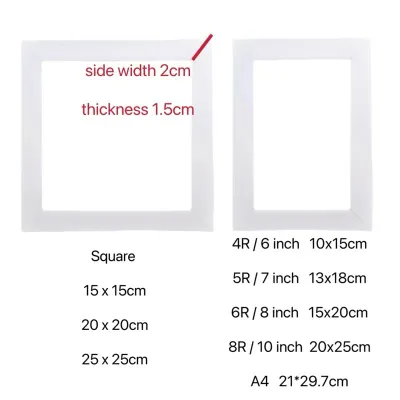
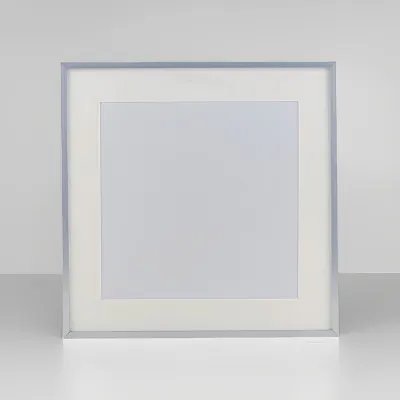
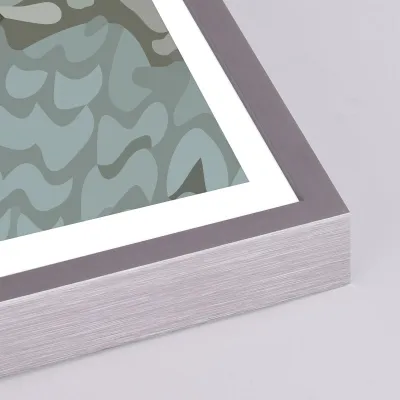
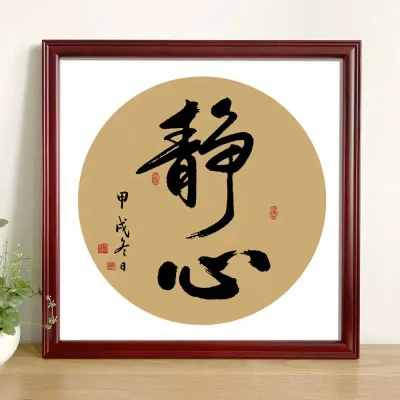
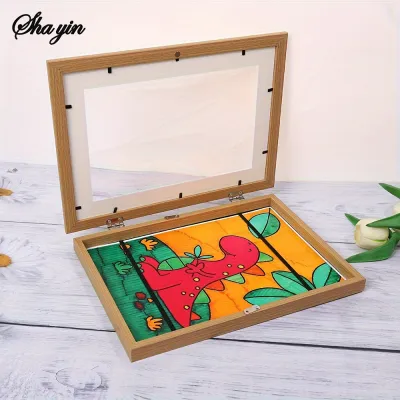
Prices are valid at publication and may change. Please refer to the product page for the latest price.
Visual weight and profile depth are the final structural considerations. Heavy, deep-set frames cast pronounced shadows on the wall, which can disrupt the flat, clean planes of a minimalist room. Opting for a low-profile frame—typically with a depth of 15mm to 20mm—keeps the artwork flush against the wall. This low-profile approach minimizes shadow lines and ensures the frame integrates smoothly into the wall’s surface rather than protruding awkwardly into the living space.
Square Frame Styles That Complement Minimalist Spaces
Achieving a minimalist look does not mean you are limited to a single frame design. Several distinct structural styles align beautifully with modern interiors, each offering a unique way to present your prints, photography, or canvas art. By understanding these categories, you can select the exact structural approach that matches your room’s architectural lines and your personal aesthetic preferences.

Thin Metal Frames
Thin metal frames represent the pinnacle of industrial minimalism, offering exceptional structural strength within an incredibly narrow border. These frames typically feature a face width of just 5mm to 10mm, providing a subtle, crisp outline that defines the boundary of the artwork without drawing attention to itself. The inherent rigidity of metals like aluminum allows these ultra-slim profiles to securely support the weight of the glass and backing board without bending or warping over time.
When selecting metal finishes, look for brushed aluminum, matte black, or soft champagne gold. A brushed or anodized finish diffuses light softly, preventing the harsh, distracting reflections associated with polished chrome or bright yellow gold. These understated metallic tones add a touch of modern sophistication to a space while remaining firmly within a neutral color scheme.
These slim metal profiles are exceptionally well-suited for small to medium square prints, such as black-and-white architectural photography or minimalist line art. Because the frame itself is so narrow, it acts as a quiet border, ensuring that the visual focus remains entirely on the composition of the image.
Frameless Acrylic and Glass Blocks
For an entirely seamless, contemporary look, frameless acrylic and glass blocks eliminate the traditional border altogether. These designs rely on two sheets of polished acrylic or a solid glass block to sandwich the photo, secured by small corner magnets or discreet metal studs. By removing the outer frame, the artwork appears to float unsupported, allowing the edges of the print to merge directly with the surrounding room.
When shopping for frameless options, pay close attention to edge polishing and material thickness. High-quality acrylic should feature diamond-polished, crystal-clear edges that catch the light subtly without showing cutting marks or cloudiness. A thicker block—ranging from 10mm to 20mm—provides enough structural stability to stand independently on a console table or shelf, creating a clean, sculptural display.
While frameless glass blocks offer a premium, high-end feel, they require careful handling and mounting. Glass is significantly heavier than acrylic and is susceptible to chipping if dropped on hard tile or vinyl flooring. If you plan to wall-mount a large frameless glass frame, ensure you use specialized, heavy-duty mounting brackets and verify that your wall anchors are rated for the total weight of the assembly.
Matte Wood in Neutral Tones
If your minimalist home leans toward a warm, organic aesthetic—such as Japandi or Scandinavian design—matte wood frames are an excellent choice. These frames introduce natural textures and a sense of warmth to a room without disrupting the clean, uncluttered color palette. The key is to select woods with very subtle, tight grain patterns and completely matte finishes.
Light oak, pale maple, walnut, and painted matte white or black are the most suitable wood options for minimalist spaces. Avoid woods with heavy, highly visible grain patterns, rustic knots, or distressed finishes, as these elements introduce visual noise and lean too close to a rustic or farmhouse style. Similarly, steer clear of high-gloss varnishes or yellowing lacquers, which reflect light harshly and can look dated.
A matte wood frame provides a gentle transition between a stark white wall and your artwork. It adds a touch of organic texture that softens the clean lines of a modern room, making the space feel lived-in and inviting while preserving a highly disciplined, neutral color scheme.
Floating Frames
Floating frames, often referred to as canvas floater frames or tray frames, are designed specifically for stretched canvases or thick, rigid art panels. Unlike traditional frames that overlap the front edge of the artwork, a floating frame secures the art from behind, leaving a small, uniform gap between the edge of the canvas and the inner border of the frame. This gap creates a distinct shadow line, giving the illusion that the artwork is suspended in mid-air.
This shadow-gap effect adds depth and dimension to your wall decor while maintaining a highly structured, clean boundary. The outer frame is typically a simple, flat-faced square profile that keeps the overall presentation neat and orderly. The contrast between the solid frame and the floating artwork creates a sophisticated, gallery-like presentation.
Floating frames are the ideal choice for square canvas prints, heavy fine art paper mounted on board, or textured mixed-media pieces. By preserving the entire face of the artwork and exposing its edges, this style honors the physical presence of the art while providing a clean, protective enclosure.
Choosing Finishes and Colors for a Clean Look
The finish and color of your square photo frame are just as important as its structural style. In minimalist design, the way a surface interacts with light can dramatically alter the mood of a room. Matte finishes are generally preferred over gloss finishes because they absorb light rather than reflecting it. A matte surface prevents distracting glare from windows or overhead light fixtures, ensuring that your artwork remains clearly visible from any angle in the room.
When coordinating frame colors with your walls, consider the level of contrast you want to achieve. For a monochromatic, ultra-minimalist look, match the frame color directly to your wall paint. A matte white frame on a crisp white wall, or a soft grey frame on a concrete-finish wall, allows the frame to blend into the background, making the artwork appear as if it is part of the wall itself. This approach is highly effective for creating a calm, spacious feel in smaller rooms.
Conversely, if you want to create a focal point, a contrasting frame can anchor the artwork beautifully. A matte black frame on a light wall creates a sharp, graphic boundary that draws the eye directly to the image. However, to maintain a minimalist balance, avoid highly reflective metallic finishes like polished chrome or shiny brass in brightly lit spaces. These finishes can create harsh reflections and visual clutter, distracting from the clean lines of your home.
Sizing and Layout Strategies for Square Wall Art
Square frames possess a natural symmetry that makes them incredibly versatile for minimalist layouts. To maintain a sense of balance and order, your hanging strategy must be as intentional as the frames themselves. One highly effective approach is to use a single, oversized square frame as a bold focal point. An oversized frame—such as 60cm by 60cm or larger—with a wide, generous mat board creates a dramatic, gallery-like statement on an otherwise empty wall, embodying the minimalist principle of “less is more.”
Alternatively, you can create a highly structured gallery wall by arranging a symmetrical grid of smaller square frames. A three-by-three or two-by-two grid of identical square frames creates a clean, geometric pattern that feels incredibly orderly and calming. This layout works best when you use the exact same frame style, color, and size for every piece in the grid, ensuring a cohesive and unified presentation.
When planning a grid layout, maintaining consistent negative space is critical. The spacing between each frame should be identical—typically between 5cm and 10cm—and perfectly aligned horizontally and vertically. Any misalignment, even by a few millimeters, will be highly noticeable against the clean lines of a minimalist room. Use a spirit level, measuring tape, and painter’s tape to map out the grid on your wall before driving any nails or screws.
What to Verify Before Buying Your Square Frames
Before purchasing your square photo frames, there are several practical and quality aspects you must verify to ensure they perform well and look pristine in your home. First, consider the glazing material. Standard glass can produce significant glare, especially in rooms with large windows or bright overhead lighting. Look for frames that offer anti-reflective or matte acrylic glazing, which diffuses light and reduces reflections, allowing your artwork to be seen clearly without distracting hot spots.
Next, inspect the construction of the backing board and the fastening mechanisms. A high-quality frame should feature a sturdy, rigid backing board—such as MDF or acid-free foam board—that keeps your print perfectly flat over time. In humid climates, cheap cardboard backings can absorb moisture from the air, leading to warping, mold growth, and damage to your artwork. Ensure the frame uses secure, durable turn-buttons or flex-points that hold the backing tightly against the frame.
For heavy frames, large glass blocks, or installations at height, always prioritize secure mounting. Verify your wall type—such as concrete or masonry common in Singapore homes—and use appropriate wall plugs. If you are mounting large, heavy frames overhead or in high-reach areas, consult a qualified professional to ensure secure installation and prevent falling hazards.
Finally, double-check the exact inner dimensions of the frame and the mat board opening. A square frame requires precise alignment; if the inner opening is even slightly larger than your print, the artwork will shift and sit crookedly inside the frame. If you are using a mat board, ensure the window opening is cut precisely to overlap the edges of your print by about 3mm to 5mm on all sides, securing the artwork firmly in place and maintaining the clean, symmetrical presentation essential for a minimalist home.
Frequently Asked Questions (FAQ)
Can I mix different square frame styles in a minimalist gallery wall?
Yes, you can mix different square frame styles, but you must establish a clear unifying element to prevent the layout from looking chaotic. If you choose to mix materials—such as combining thin metal frames with matte wood frames—keep the color palette strictly consistent, such as using only matte black or all white. Alternatively, if you want to mix different frame depths or profiles, keep the material and color identical across all frames. Maintaining a strict grid alignment with equal spacing between each frame is also essential when mixing styles, as the geometric order of the layout will balance the subtle variations in the frames.
Are black or white square frames better for minimalist rooms?
The choice between black and white square frames depends on the visual impact you want to achieve and your room’s existing contrast levels. White frames are excellent for creating a soft, airy, and seamless look, as they blend quietly into light-colored walls and allow the artwork’s colors to stand out without a harsh border. Black frames, on the other hand, provide a sharp, graphic contrast that anchors the artwork and creates a strong focal point. If your room features dark furniture accents or black metal light fixtures, black frames will tie the space together beautifully, while white frames are ideal for ultra-bright, Scandinavian, or monochromatic white spaces.

Community discussion
Share your experience or ask a question. Comments are reviewed before publication.