
For beginners stepping into the world of home fragrance, choosing the right type of incense can feel overwhelming. The market is filled with various shapes, sizes, and burning styles, each offering a distinct aromatic experience. Finding the right match depends on your daily routine, the size of your living space, and how much time you want to dedicate to your sensory practice.
As a general rule, incense sticks are the most versatile and forgiving starting point for beginners. They offer a highly predictable burn rate, a balanced release of fragrance, and require minimal setup. However, if you are looking for a rapid, intense burst of aroma to quickly refresh a room, incense cones are an excellent alternative. For those who prefer a continuous, slow-burning background scent for extended relaxation or study sessions, incense coils provide the longest-lasting option. Understanding how these three form factors differ in burn time, scent intensity, and cleanup will help you make an informed first purchase.
Quick Guide: Which Incense Form Fits Your Routine?
Selecting the right incense is less about finding a universal winner and more about matching the product to your immediate environment and schedule. In modern living spaces, such as high-rise apartments where airflow and space can vary, matching the burn profile to your room size is essential for a comfortable experience.
Products mentioned in this guide
![【Next Day】Premium Natural Wood & Herb Aroma Incense Artemisia Argyi (艾草) Sandalwood (檀香) Agarwood (沉香) Incense Stick. [FREE] Ebony Wood Incense Holder for Ordering or Mix 2 Boxes. Natural Ingredients No Artificial Additives No Combustion Chemicals.](https://img.lazcdn.com/g/p/c768f652392af1fc9318730e3b5fbd9a.jpg_400x400q80.jpg_.webp)
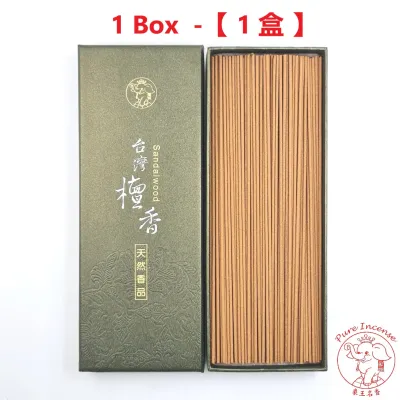
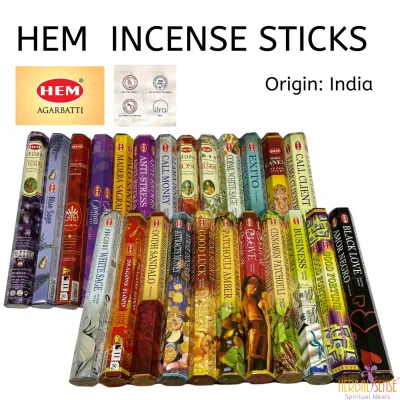
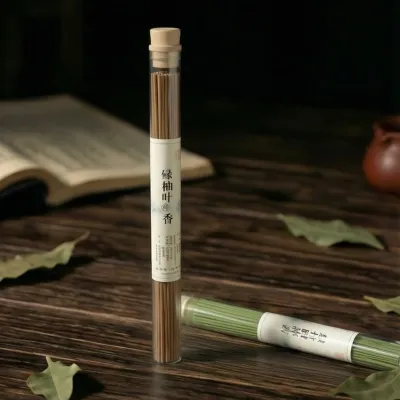
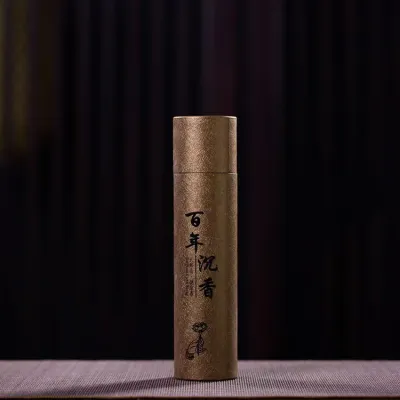
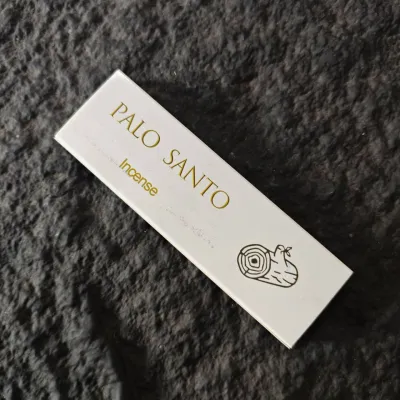
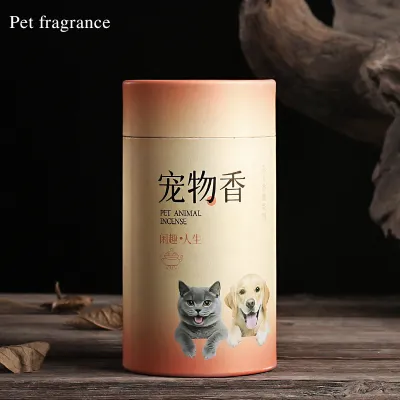
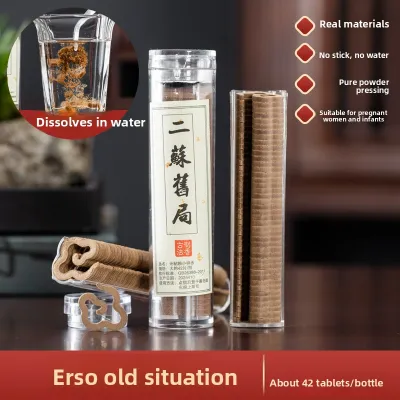
Prices are valid at publication and may change. Please refer to the product page for the latest price.
| Incense Type | Relative Burn Time | Scent Intensity | Setup Complexity | Best Used For |
|---|---|---|---|---|
| Sticks | Moderate (30–60 mins) | Balanced & Even | Low | Daily meditation, standard rooms, routine fragrance |
| Cones | Short (15–30 mins) | High & Concentrated | Low to Medium | Quick room refreshes, small spaces, visual smoke displays |
| Coils | Long (2–24 hours) | Low to Moderate | Medium | Extended study, large open areas, all-day background aroma |
When browsing online marketplaces or local specialty shops, always check the product packaging for estimated burn durations and ingredient lists. High-quality incense makers typically print the approximate burn time per piece directly on the box. Additionally, look for labels that specify the use of natural wood powders, resins, and essential oils rather than synthetic fragrance binders, as natural ingredients generally produce a smoother, less irritating smoke profile.
Incense Sticks: The Most Versatile Starting Point
Incense sticks are globally recognized as the standard introduction to home aromatherapy. Their popularity stems from their consistent burning behavior and the wide variety of holders available. When exploring sticks, you will encounter two primary structural designs: cored sticks and solid sticks.

Cored sticks, often referred to as Indian-style or agarbatti, feature a central bamboo sliver coated in incense paste. The bamboo core provides excellent structural strength, making them highly durable and easy to handle without risk of snapping. However, as the stick burns, the bamboo core also combusts, which can introduce a slight, woody undertone to the overall fragrance profile. Solid sticks, common in Japanese (senko) and Tibetan traditions, consist entirely of compressed incense paste without a supporting core. These offer an exceptionally pure scent experience because only the aromatic materials are burning. The trade-off is that solid sticks are fragile and require gentle handling to prevent breaking.
Typical burn times for standard incense sticks range from 30 to 60 minutes. Because they burn evenly from one end to the other, they release a highly consistent volume of fragrance throughout their duration. This predictable output makes them ideal for timed activities like yoga, meditation, or a focused reading session.
To use incense sticks safely, you will need a dedicated holder or ash catcher. For cored sticks, a simple wooden “boat” holder with a small hole at one end to support the bamboo tip is sufficient. Solid sticks require holders with precisely sized holes or a bowl filled with clean ash or sand where the stick can be inserted vertically. Ensure your ash catcher is long enough to capture the entire length of falling debris, and place the setup on a flat, stable surface away from open windows or drafts to prevent ash from scattering.
Incense Cones: Quick Bursts of Fragrance
If you have limited time or want to quickly alter the atmosphere of a room, incense cones are a highly efficient choice. Unlike sticks, which maintain a uniform thickness, cones feature a wide base that tapers to a pointed tip. This geometric shape directly influences how the fragrance is released.
When you light the tip of an incense cone, only a small amount of material burns initially, producing a subtle scent. As the ember burns downward toward the wider base, more surface area combusts simultaneously. This results in a progressively richer, more concentrated release of fragrance and smoke. Because of this rapid combustion, cones typically burn for a shorter duration than sticks—usually between 15 and 30 minutes—but they pack a much stronger aromatic punch during that window.
Cones are particularly well-suited for smaller rooms, entryways, or bathrooms where you want to establish a pleasant scent quickly. They are also popular for creating dramatic visual displays. Standard cones release smoke upward, but specialized “backflow” cones are designed with a hollow center that directs the smoke downward. When paired with a compatible backflow burner, the smoke cascades downward like a waterfall, creating a striking visual effect.
Keep in mind that backflow cones tend to leave a heavier, slightly oily residue on the burner due to the downward draft design. Standard cones also leave a concentrated pile of hot ash directly on their burning surface. To manage this, always place cones on a heat-resistant ceramic, stone, or metal dish. Avoid placing them directly on wooden, laminate, or plastic surfaces, as the intense heat radiating from the base of a burning cone can scorch or damage furniture.
Incense Coils: Long-Lasting Ambiance
Incense coils are designed for situations where you want a continuous, low-maintenance fragrance that lasts for hours. Shaped in a spiral, a coil allows a very long path of incense to be packed into a compact, space-saving footprint.
While a stick or cone finishes burning within an hour, a standard home-use incense coil can burn continuously for two to four hours, with larger ceremonial coils lasting much longer. This extended burn time makes coils highly practical for spacious living areas, open-plan homes, or all-day background scenting. Because they burn for so long, they release a steady, gentle stream of smoke rather than a sudden cloud, allowing the fragrance to disperse gradually and settle evenly throughout a large room.
Due to their spiral shape, incense coils are delicate and require careful handling. They are often packaged as interlocking double spirals that must be gently separated before use. To light a coil, hold it by the center, light the outermost tip, let it flame for a few seconds, and then gently blow it out so that only a glowing ember remains.
Because coils burn for extended periods, proper ventilation is crucial. In humid tropical climates or air-conditioned apartments where windows are often kept closed, running an incense coil without adequate airflow can lead to a heavy buildup of smoke. Always ensure a window is cracked open to allow fresh air to circulate. Additionally, coils require specialized holders. They cannot be placed flat on a standard plate, as this will smother the ember. Instead, they must be suspended using a dedicated hanging burner, supported by a metal prong stand, or laid flat on a specialized non-flammable felt pad (often called fireproof cotton) inside an enclosed coil burner.
Essential Accessories and Safety Checks
Regardless of which incense form you choose, safety and proper equipment are paramount to enjoying the experience. Burning incense involves open embers and high temperatures, which require careful management to prevent household hazards.
First, always match your incense type to a compatible, heat-resistant burner. Never attempt to burn a cone on a plastic tray or wedge a solid stick into a holder designed only for cored sticks. If you are using a bowl-style burner filled with sand or ash, ensure the material is clean and dry. For modern homes, placing a heat-resistant mat or coaster underneath your burner provides an extra layer of protection for your tabletop surfaces.
Establish clear safety boundaries in your home:
- Stable Placement: Position your burner on a flat, level surface out of reach of pets, children, and high-traffic pathways where it could be accidentally knocked over.
- Clear Surroundings: Keep the burning incense at least one meter away from flammable materials, including curtains, books, paper decorations, and loose clothing.
- Never Leave Unattended: Always extinguish your incense completely if you plan to leave the room for an extended period or before going to sleep.
- Ventilation and Smoke Detectors: Burn incense in well-ventilated areas. If you live in a compact apartment, avoid placing the burner directly beneath a household smoke detector, as the rising smoke can trigger sensitive alarms.
If you need to stop a session early, do not blow forcefully on the ember, as this can scatter hot ash onto nearby surfaces. Instead, use safe extinguishing methods such as dipping the burning tip in a small dish of sand or water, or carefully snipping off the glowing end with metal tweezers. Always consult the manufacturer’s instructions included with your incense and burners for specific material care and safety guidelines.
Frequently Asked Questions (FAQ)
How do I safely extinguish incense before it finishes burning?
To safely extinguish incense before it has completely burned down, you should avoid blowing on the ember, which can cause sparks or scatter hot ash. For incense sticks and cones, the most reliable method is to gently press the burning tip into a small bowl of dry sand or clean ash until the glow disappears. Alternatively, you can dip the very tip of the burning incense into a shallow dish of water; however, keep in mind that wetting the tip may make it more difficult to relight in the future. If you are using solid sticks or coils, you can use a pair of metal tweezers to gently pinch and break off the burning ember, letting the hot tip fall safely into a heat-resistant metal or ceramic dish.
Why is my incense producing too much harsh smoke?
If your incense is producing an overwhelming or harsh smoke profile, the issue is typically related to ventilation, drafts, or product quality. First, check the airflow in your room. Burning incense in a completely sealed room allows smoke to accumulate rapidly, leading to a heavy, stale atmosphere. Conversely, placing incense directly in a strong draft—such as next to an open window, an air conditioning vent, or a ceiling fan—can cause the material to burn too quickly and unevenly, resulting in excess smoke. Finally, review the ingredient label of your incense. Lower-quality products often rely on synthetic fragrance oils and chemical binders that produce a harsher, sootier smoke compared to natural wood powders and pure essential oils.
How should I clean and maintain my incense burner?
Regular maintenance of your incense burner ensures a clean burn and prevents old, stale odors from interfering with your fresh incense. For simple ash catchers and plates, empty the accumulated ash regularly into a waste bin once it has cooled completely. For non-porous burners made of ceramic, brass, or stone, wipe down the surfaces periodically with a damp cloth to remove soot and oily resin buildup. Avoid using harsh chemical cleaners or abrasive scrubbing pads, as these can strip away protective finishes or leave behind chemical residues that will release unpleasant fumes the next time the burner heats up. For burners utilizing sand or ash beds, periodically sift the material to remove small unburnt stubs and keep the base loose and clean.

Community discussion
Share your experience or ask a question. Comments are reviewed before publication.